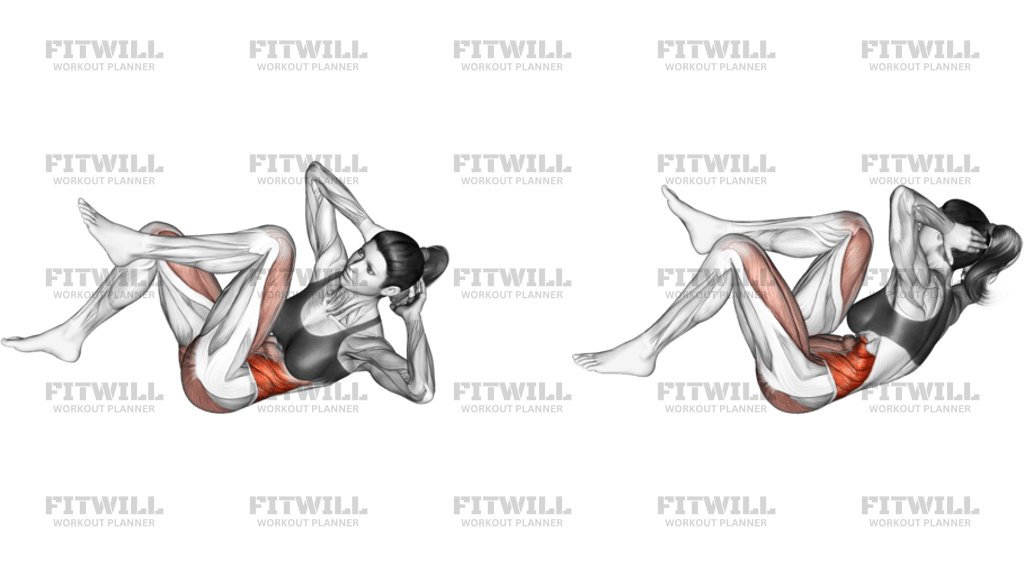
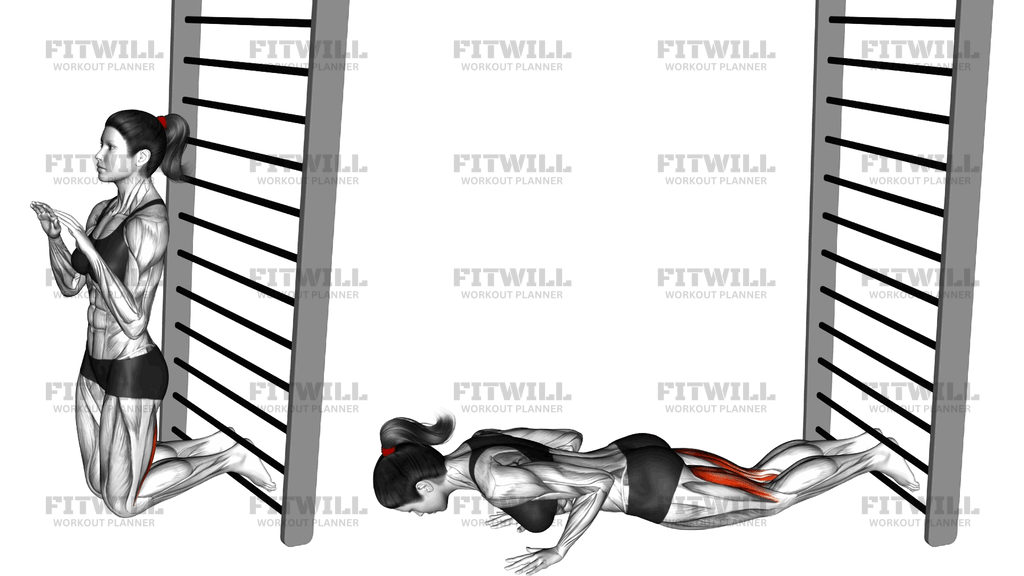
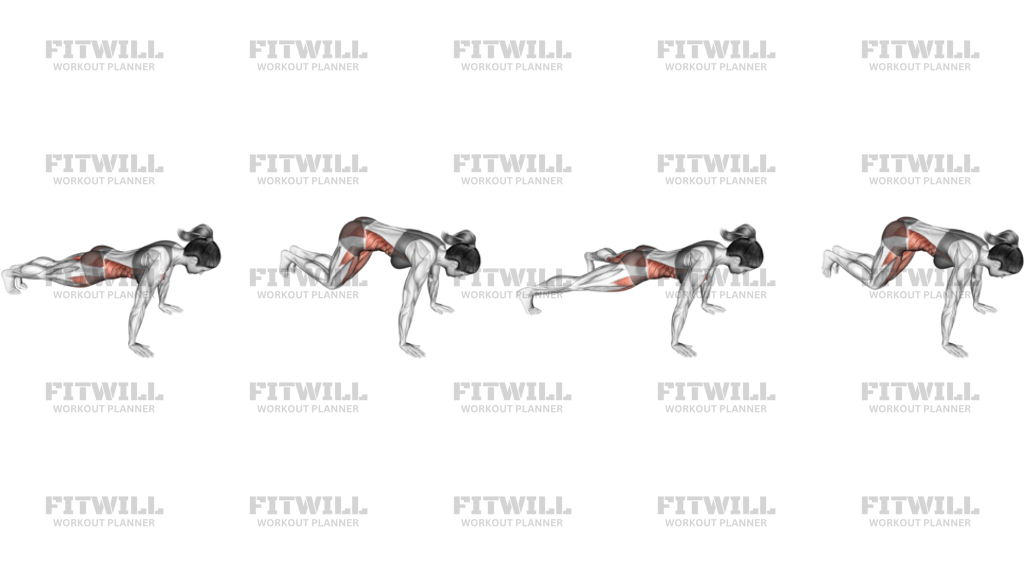
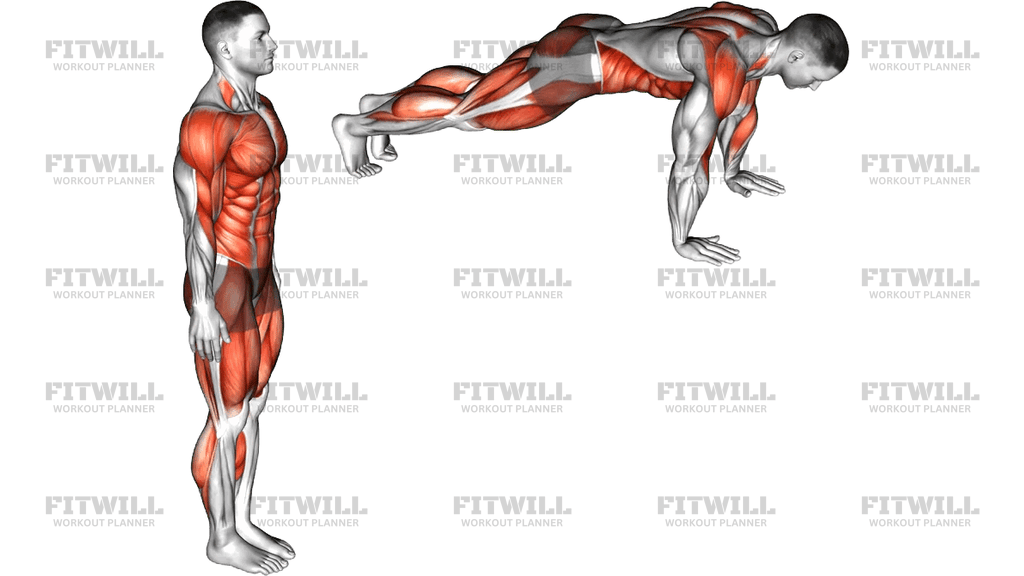
Sitting Side Step Tuck On A Padded Stool
Sitting Side Step Tuck On a Padded Stool is a bodyweight seated core drill where you support yourself on the front edge of a padded stool and move the knees through a controlled side-to-side tuck pattern. It is designed to challenge the waist, hips, and trunk stabilizers while keeping the upper body quiet. The exercise looks simple, but the quality comes from how well you control the pelvis, the rib cage, and the return path of each leg.
The padded stool matters because it gives you a comfortable edge to sit on while leaving enough space for the legs to move freely underneath you. With your hands braced on the sides, you create a stable base and can focus on lifting one knee at a time instead of using momentum. That makes the drill useful for core coordination, hip flexor endurance, and anti-sway control through the torso.
This is not a power exercise. The goal is a smooth, repeatable tuck where one knee lifts and travels across the body before you switch sides. If the torso rocks, the shoulders shrug, or the low back starts to arch, the movement has become too fast or too large. Keeping the motion small and deliberate is what turns it into useful training instead of just swinging the legs.
Use it as a warm-up, accessory core drill, or light conditioning movement when you want seated stability with active hip work. It fits best in sessions where you want to teach the body to organize itself under tension, especially if you need better control through seated transitions, marching patterns, or alternating leg actions.
For safety, the stool should feel solid and the hands should remain lightly supportive rather than dumping your bodyweight into the shoulders. Keep the chest open, breathe steadily, and stop the set before the trunk begins to wobble. Clean alternating tucks with a controlled return are more valuable than forcing a bigger range or faster cadence.
[ Workout Log & Planner ]
Put your next workout in Fitwill
Keep your plan and training log ready when you are.


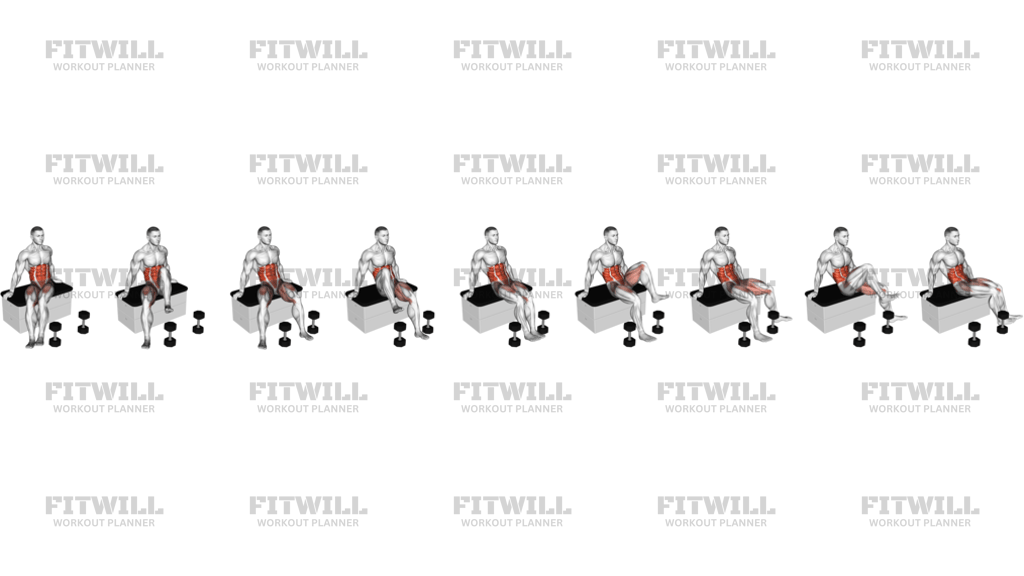
Instructions
- Sit on the front edge of a padded stool and place your hands on the sides beside your hips for support.
- Keep your chest tall, shoulders relaxed, and feet hanging freely so the legs can move without scraping the floor.
- Lean back only enough to unweight the feet while keeping your lower back long and your ribs stacked over your pelvis.
- Brace your midsection and lift one knee up and slightly across your body in a controlled tuck.
- Lower that leg slowly as you bring the other knee up through the same path.
- Keep the movement smooth and alternating instead of swinging both legs together.
- Press lightly through your hands to stay balanced, but do not shrug or collapse into the shoulders.
- Finish the set by lowering both feet to the floor and sitting tall again.
Tips & Tricks
- Keep your weight on the front edge of the stool so the legs can tuck without forcing a big backward lean.
- Think of lifting one knee at a time, not throwing both knees upward together.
- A smaller tuck that keeps the torso quiet is better than a larger rep that rocks the whole body.
- Exhale as the knee comes up and across, then inhale as the leg returns under control.
- If the low back starts to arch, shorten the range and slow the lowering phase.
- Keep the neck neutral and avoid craning the chin forward as the abs fatigue.
- Use the hands for balance only; if you are pushing hard through them, the core is probably doing less work.
- Stop the set when the stool starts to feel unstable or the alternating rhythm breaks down.
Frequently Asked Questions
What does Sitting Side Step Tuck On a Padded Stool train?
It emphasizes the waist, lower abs, and hip flexor control while the shoulders and arms help with balance.
Why use a padded stool instead of a flat bench or chair?
The padding makes the seated edge more comfortable, and the stool height leaves room for the knees to tuck without dragging on the floor.
How much should I lean back during the set?
Only lean back enough to unweight the feet. If you recline too far, the hips and lower back take over and the movement gets sloppy.
Should the knees move straight up or side to side?
Each rep should come up in a controlled tuck with a slight cross-body path, then alternate to the other side.
What is the biggest form mistake on this exercise?
Swinging the legs and rocking the torso instead of lifting one knee at a time under control.
Can a beginner do this movement?
Yes, but the range should be short and the tempo slow so the stool support and core tension stay organized.
What should my hands be doing on the stool?
They should provide light balance support on the sides of the stool, not a hard push that lifts most of your bodyweight.
When should I stop the set?
Stop when the alternating rhythm breaks down, the shoulders start shrugging, or the stool feels unstable.