Back Stretch On Stability Ball
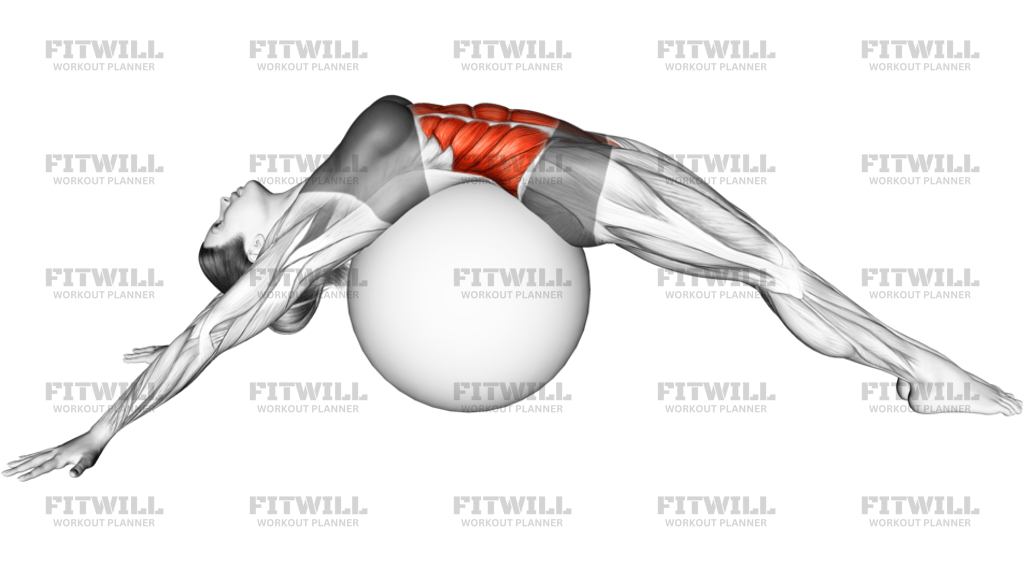
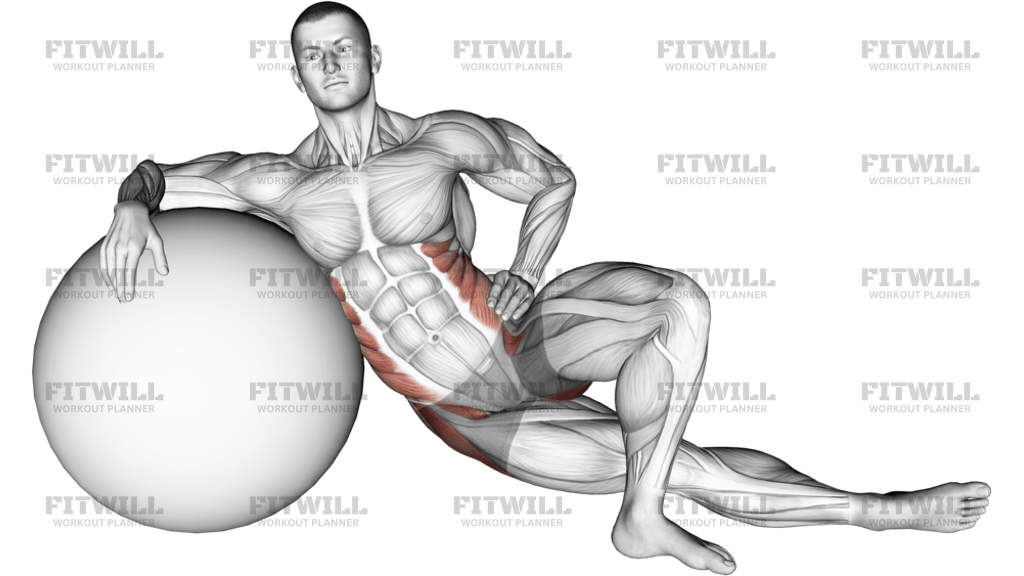
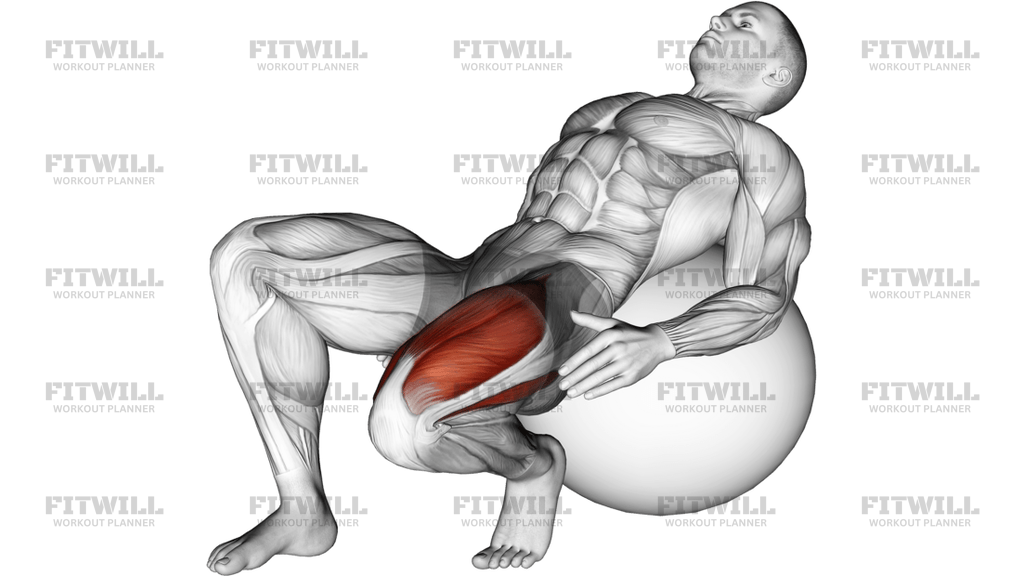
Back Stretch On Stability Ball is a supported spinal-opening stretch performed by draping the upper back over a stability ball and letting the chest and ribcage open as the torso arcs backward. It is used to reduce stiffness through the thoracic spine, front shoulders, and trunk after long periods of sitting, pressing, or bracing-heavy training. The ball gives you a guided arc, which makes it easier to find a comfortable stretch without forcing the low back into an aggressive bend.
The setup matters more than a bigger range. If the ball sits too high or too low on the torso, the stretch can shift away from the mid-back and into the neck or lumbar spine. The best position is usually with the ball contacting the mid to upper back, feet planted wide enough to stay balanced, and the head supported by the body position rather than by active neck strain. From there, the stretch should feel open through the chest and front of the trunk while the abdomen, glutes, and legs stay lightly engaged for control.
A clean repetition is slow and deliberate. Let the sternum and upper ribs move gradually over the ball, keep the shoulders relaxed away from the ears, and allow the arms to reach out where they help you breathe into the stretch. The goal is not to collapse backward; it is to create a smooth, supported extension that you can hold and repeat without wobbling. Small adjustments in foot placement, arm angle, and how far you arch will change the sensation more than forcing extra depth.
This stretch works well in warm-ups, recovery blocks, mobility circuits, or between sets when the upper back feels compressed. It is especially useful after desk work, bench pressing, overhead work, or any session that leaves the chest tight and the thoracic spine stiff. Keep the low back comfortable, breathe slowly into the open position, and come out the same way you entered: controlled, centered, and without a sudden drop off the ball.
[ Workout Log & Planner ]
Put your next workout in Fitwill
Keep your plan and training log ready when you are.


Instructions
- Place the stability ball under your mid-to-upper back and sit with your feet planted wide on the floor for balance.
- Lean back until your torso is draped over the ball and your head and shoulders can relax into the supported arch.
- Let your arms open out to the sides or reach slightly overhead so the chest and front shoulders can lengthen.
- Keep your glutes lightly on and your ribs controlled so the stretch stays in the upper back instead of collapsing into the low back.
- Exhale slowly and allow the ribcage to soften backward over the ball without forcing the range.
- Hold the stretched position for a steady breath or two while keeping your neck long and relaxed.
- To come out, press your feet into the floor and contract your core enough to roll your torso back toward upright.
- Reset before repeating, adjusting foot width or ball position if the stretch feels pinched or unstable.
Tips & Tricks
- If the stretch lands in your neck instead of your upper back, move the ball slightly lower on the torso and keep the chin gently tucked.
- A wider foot stance makes the position much steadier when the ball is supporting most of your trunk.
- Do not chase a huge backbend; this movement should feel like an open arch, not a crash into the lumbar spine.
- Let the ribs expand on the inhale, then soften a little more on the exhale rather than forcing the chest open with effort.
- Keep the pelvis relatively quiet so the stretch does not turn into a lumbar hyperextension drill.
- If the shoulders feel crowded, lower the arm angle slightly instead of reaching harder overhead.
- Move slowly in and out of the stretch so the ball does not shift under you.
- Stop short of any sharp pinch in the low back, ribs, or front of the shoulder.
Frequently Asked Questions
What does Back Stretch On Stability Ball stretch most?
It mainly opens the thoracic spine, chest, and front of the shoulders, with some lengthening through the abdominal wall.
Can beginners do this stretch safely?
Yes. Beginners usually do best with a wide stance, a smaller arch, and short holds while they learn the balance point on the ball.
Where should the stability ball sit?
The ball should support the mid to upper back so the stretch opens the chest and thoracic spine instead of dumping into the low back.
Why are the feet so wide in the image?
A wide foot position gives you a stable base while your torso drapes over the ball and makes it easier to control the return to upright.
Should I feel this in my lower back?
No. You should feel the stretch mostly in the upper back, chest, and trunk. If the low back takes over, reduce the arch or shift the ball position.
How long should I hold the stretch?
A short, calm hold is usually enough. Focus on smooth breathing and controlled support rather than forcing a long static position.
What is the biggest form mistake?
Overarching through the lumbar spine and letting the neck hang backward are the most common problems.
When is this stretch most useful?
It fits well after pressing, desk work, or any workout that leaves the upper back and chest feeling tight or compressed.