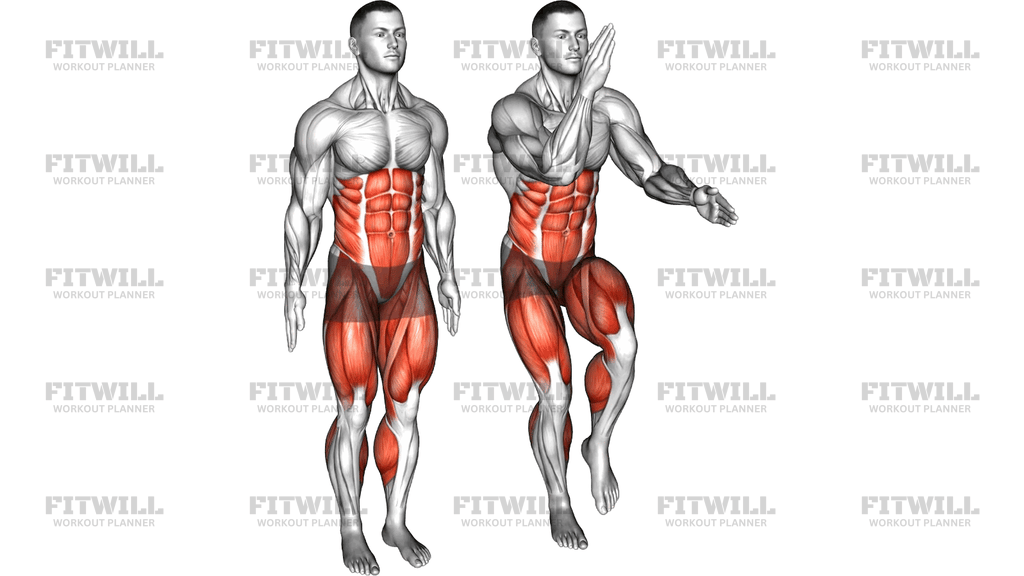
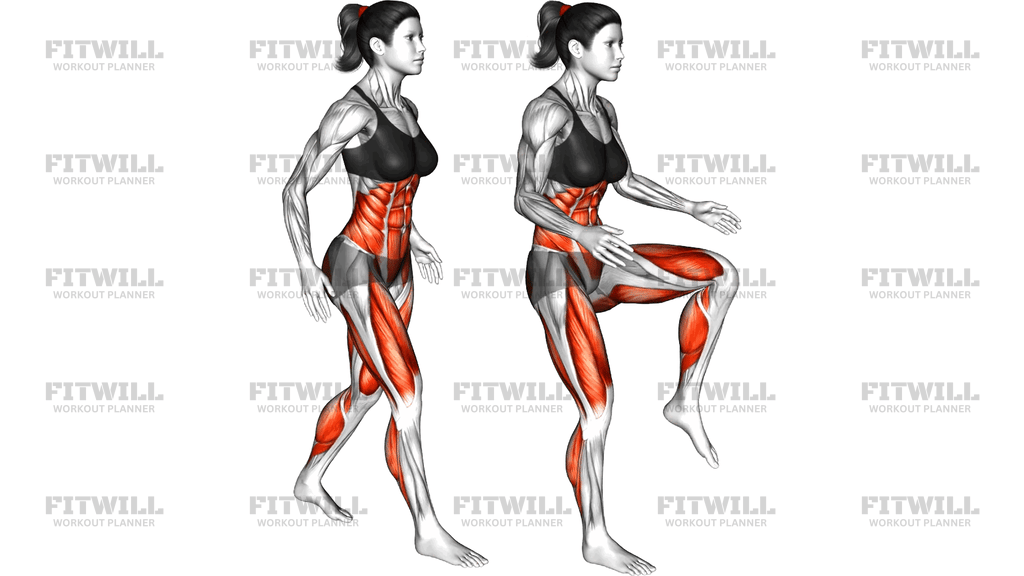
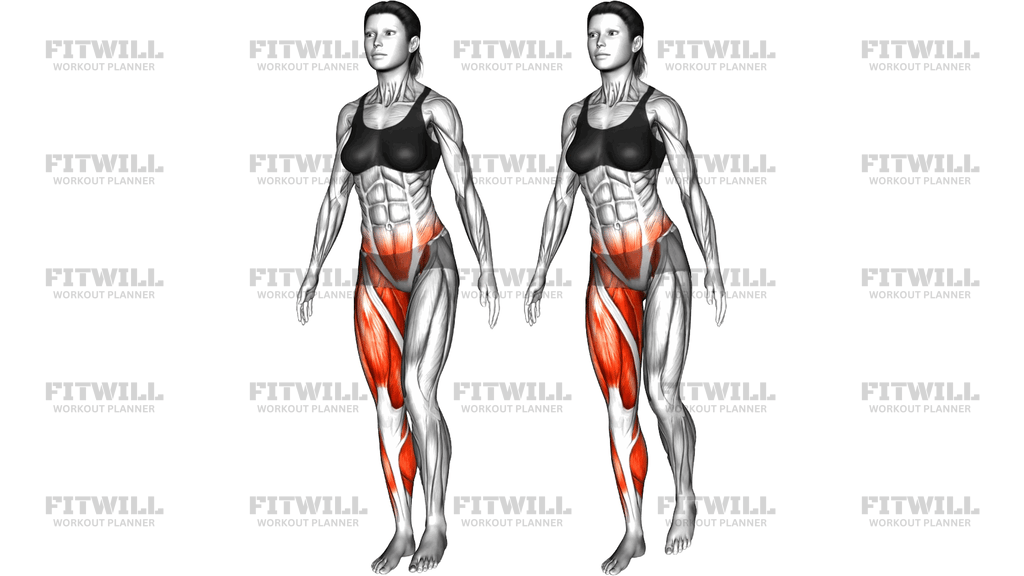
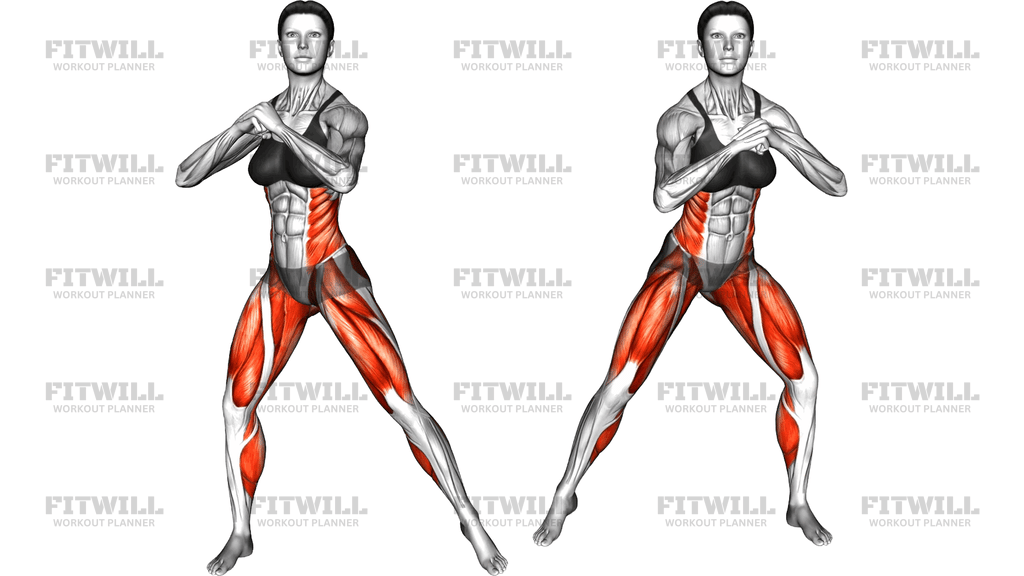
Side Lunge Hop
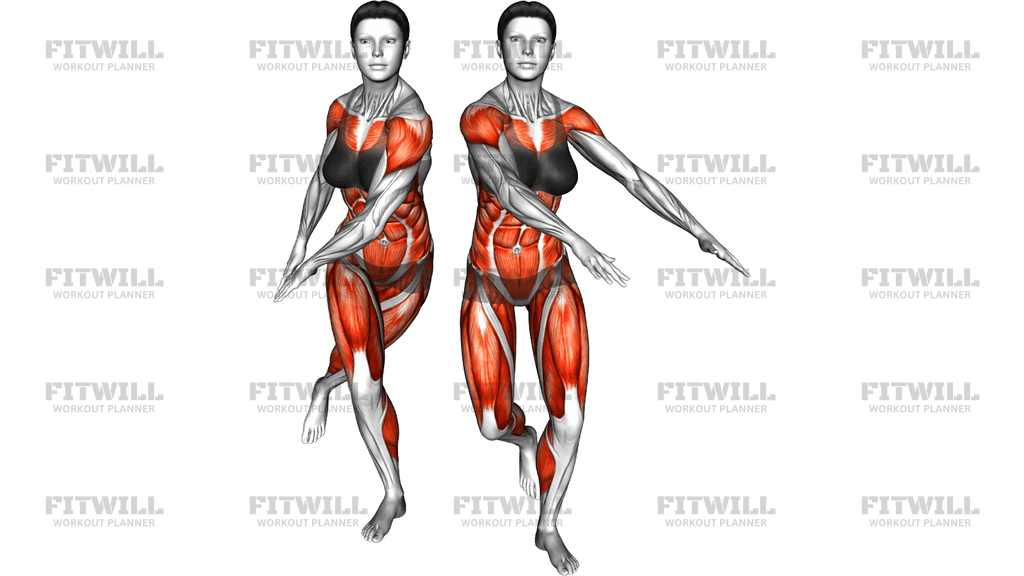
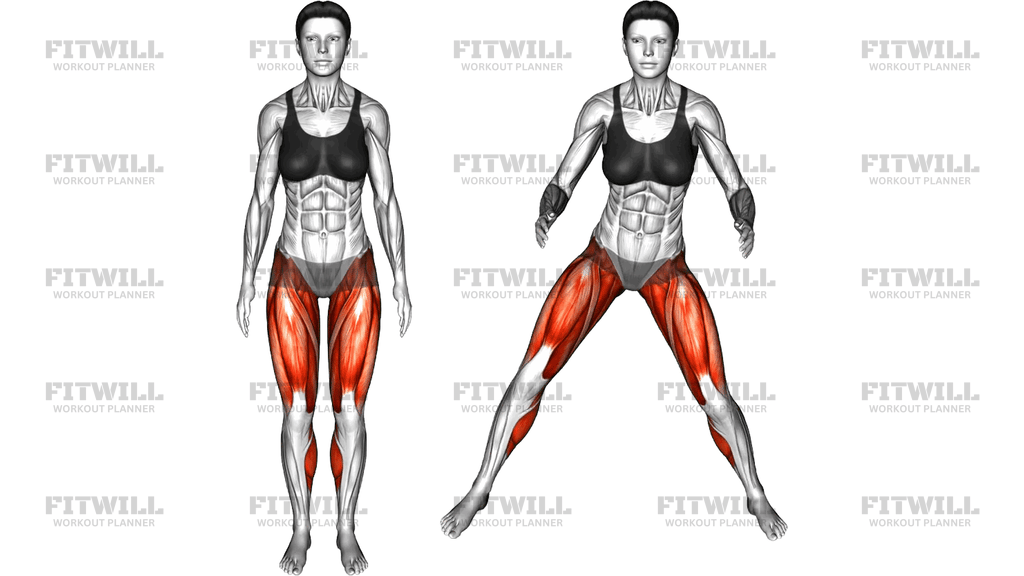
The Side Lunge Hop is an explosive bodyweight movement that combines the lateral loading of a side lunge with the power of a jump. From a standing position, you push sideways into a deep lunge on one leg, then drive off that leg to hop your body across to the opposite side, landing directly into a lunge on the other leg. Done rhythmically, you travel side to side, spending only a brief moment on two feet between reps.
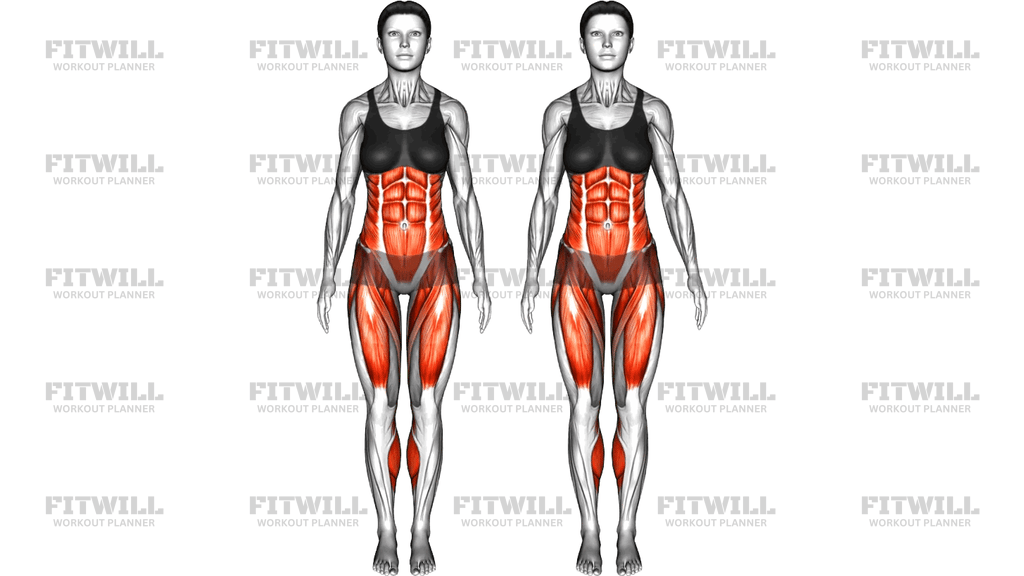
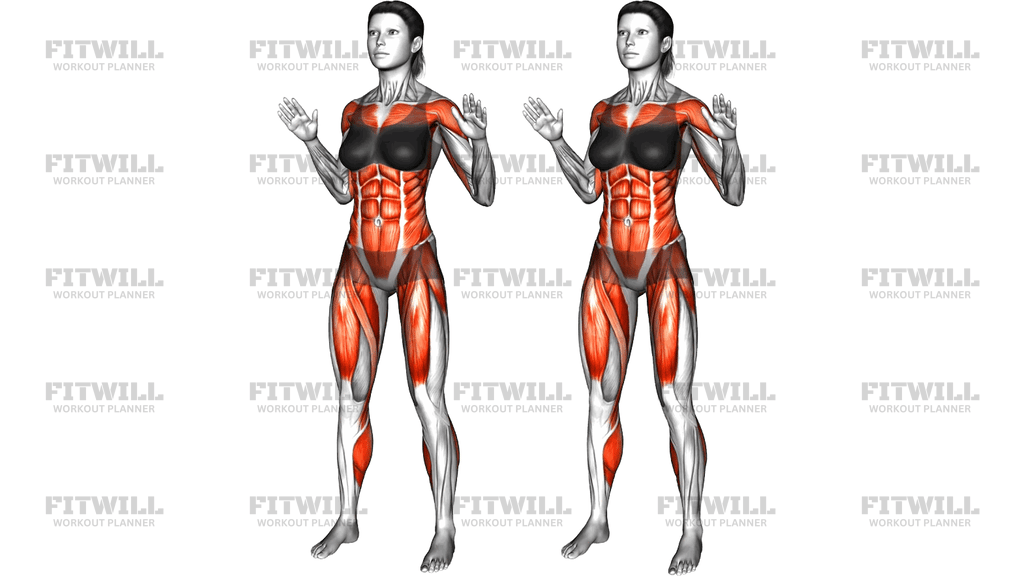
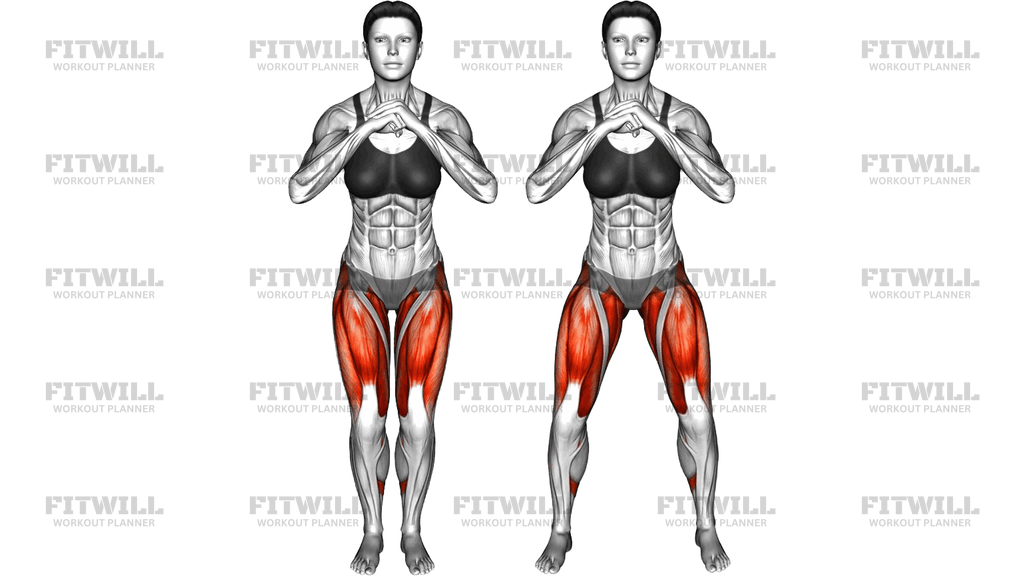
This exercise is primarily a quadriceps and glute builder, but the lateral demand is what makes it special. The adductors on your inner thighs work hard to control the wide stance and decelerate your body as you land, while the gluteus medius on the standing-leg hip keeps your knee tracking over your foot instead of caving inward. Your calves fire on every takeoff and landing, and your core braces continuously to keep your torso upright as your center of mass shifts from side to side.
Because it blends strength with a plyometric element, the Side Lunge Hop suits people who already move well in a basic side lunge and want to add speed, power, and conditioning. It shows up frequently in athletic training for sports that involve cutting and changing direction, and in general fitness circuits where you want leg work that also raises your heart rate quickly. A set of ten to twenty hops per side will leave your legs burning and your breathing noticeably heavier.
Setup and posture matter more here than in a stationary lunge, because every landing adds force that your joints have to absorb. Keep your chest tall and your weight in the middle of your working foot, sit your hips back into each lunge rather than letting your knee travel far past your toes, and stay light on your feet between hops. Land quietly: if you hear a heavy slap, you are letting gravity do the work instead of controlling the descent.
A few practical points will keep this movement productive. Start with a shorter distance between lunges and progress to a wider, deeper pattern as your landing control improves. Perform it on a firm, non-slippery surface in flat, supportive shoes, and treat any knee or ankle discomfort as a signal to reduce depth and speed rather than push through. If you are short on space, you can perform the hops in place, simply switching legs without traveling across the floor.
[ Workout Log & Planner ]
Put your next workout in Fitwill
Keep your plan and training log ready when you are.


Instructions
- Stand tall with your feet together, arms relaxed at your sides, and choose a clear path of a few yards to your left and right.
- Brace your core lightly, pull your shoulders back, and keep your gaze forward so your head stays level throughout the set.
- Take a wide step to the right, sitting your hips back and down into a side lunge with your right knee bent and your left leg straight, foot flat.
- Keep your chest upright and your bent knee tracking in line with your toes, with your weight spread across the whole foot of the working leg.
- Explosively drive through the right foot to push your body sideways, bringing both feet together briefly or directly across to the left side.
- Land softly into a side lunge on the left leg, bending the left knee immediately to absorb the landing while the right leg straightens.
- Without pausing, push off the left foot and hop back to the right side, continuing in a smooth side-to-side rhythm.
- Exhale forcefully on each hop and inhale during the brief lowering moment as you settle into each lunge.
- Swing your arms naturally in the opposite direction of your legs to help generate momentum and keep your balance.
- Finish the set by stepping out of the last lunge under control, standing fully upright, and shaking out your legs before the next round.
Tips & Tricks
- The most common fault is letting the landing knee cave inward, which usually means the gluteus medius is not doing its job; cue yourself to spread the floor with your landing foot and keep the knee over the second toe.
- If your torso collapses forward over the lunging thigh, reduce the depth of the lunge first and re-establish an upright chest before adding range back.
- Landing with a stiff, straight leg is a fast track to sore knees; aim to touch down with the knee already bending so the muscles, not the joint, take the impact.
- Keep the trailing leg genuinely straight with the foot flat; letting that foot roll onto its outer edge is a common way to strain the ankle on this drill.
- Slow the tempo down rather than shortening the lunge if you start losing balance; a shallow, rushed hop teaches worse mechanics than a controlled, deeper one.
- Warm up with plain side lunges or lateral leg swings first, since cold adductors are the most likely muscle group to complain about sudden wide-stance landings.
- If you wobble on every landing, hold your arms straight out in front of you like a counterweight for a few reps before returning to a natural arm swing.
- On slick floors or hard concrete, switch to a mat or a slightly grippier surface; lateral hopping punishes shoes that grab or surfaces that slide.
- Progress by widening your lunge, adding reps, or slowing the catch at the bottom of each landing before you think about adding any load.
Frequently Asked Questions
What muscles does the Side Lunge Hop work the most?
The quadriceps and glutes do the bulk of the pushing, while the adductors on the inner thigh control the wide stance and absorb each landing. The calves contribute on every takeoff, and the core stabilizes your torso as your weight shifts side to side.
Is the Side Lunge Hop suitable for beginners?
Beginners should master a slow, controlled side lunge first, because the hopping version demands solid landing mechanics. Once you can perform ten controlled side lunges per side without your knee caving or your balance wobbling, start with small, low hops.
How wide should my stance be during the Side Lunge Hop?
Go wide enough that you can sit into a deep side lunge with your torso upright and your bent knee over your foot, but not so wide that your groin strains or your straight leg's foot rolls outward. A stance roughly one and a half to two shoulder-widths works for most people.
Should I hop through both feet together or land straight into the next lunge?
Either works, but landing directly into the opposite side lunge keeps tension continuous and makes the movement more demanding. Pausing with both feet together between hops is a useful regression when you are still building control.
My knees hurt when I do the Side Lunge Hop. What should I change?
The usual culprits are landing with a stiff leg, letting the knee collapse inward, or lunging deeper than your control allows. Land with the knee already bending, keep it tracking over your toes, and cut the depth and speed in half until the movement feels clean.
Can I substitute something if lateral hopping is too intense?
Alternating reverse lunges or stationary side lunges without the jump train the same muscles with far less impact. Stepping side to side into lunges at a brisk pace is the closest low-impact version of the same pattern.
How many reps of the Side Lunge Hop should I do?
Eight to twelve hops per side for two to four sets works well for power and conditioning, counting each side-to-side trip as one rep. Stop the set as soon as your landing quality drops, since sloppy late-set landings are where most mistakes happen.
Where should my weight be on my foot during the lunge phase?
Keep it spread evenly across the whole foot of the working leg, with the heel firmly planted so you can push through it to hop. Driving off your toes alone makes the hop weaker and loads the knee more than necessary.
Do I need any equipment or footwear for the Side Lunge Hop?
No equipment is needed, just a clear, non-slippery surface and flat, supportive athletic shoes. Avoid running sideways in socks or minimal shoes with poor lateral edge grip, since the movement places sideways force on the sole.