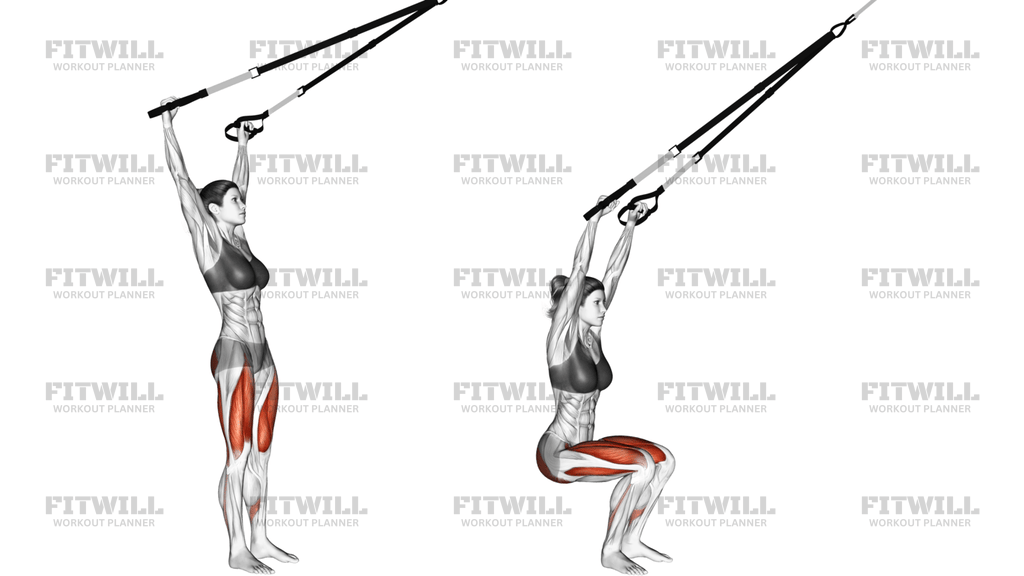
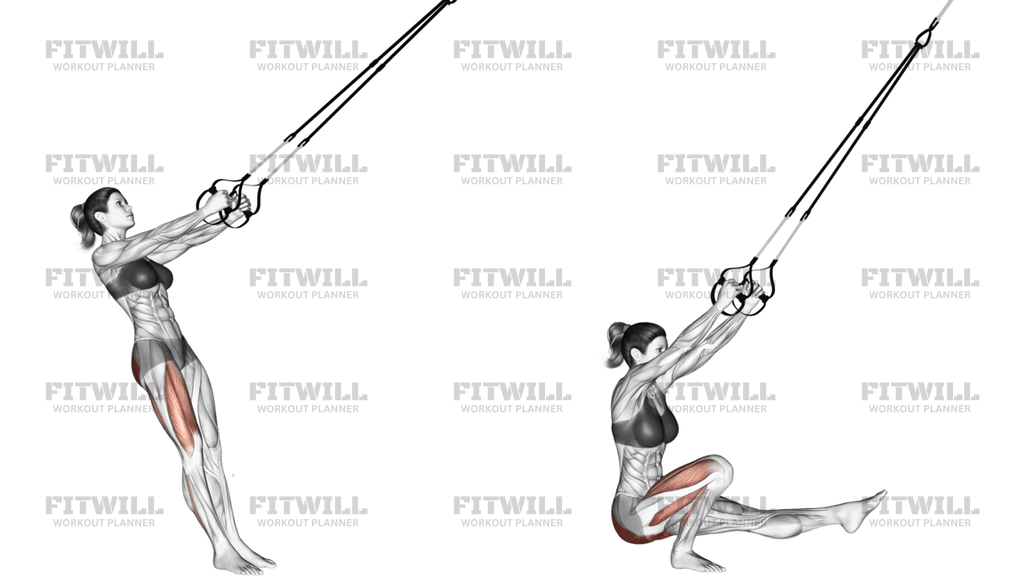
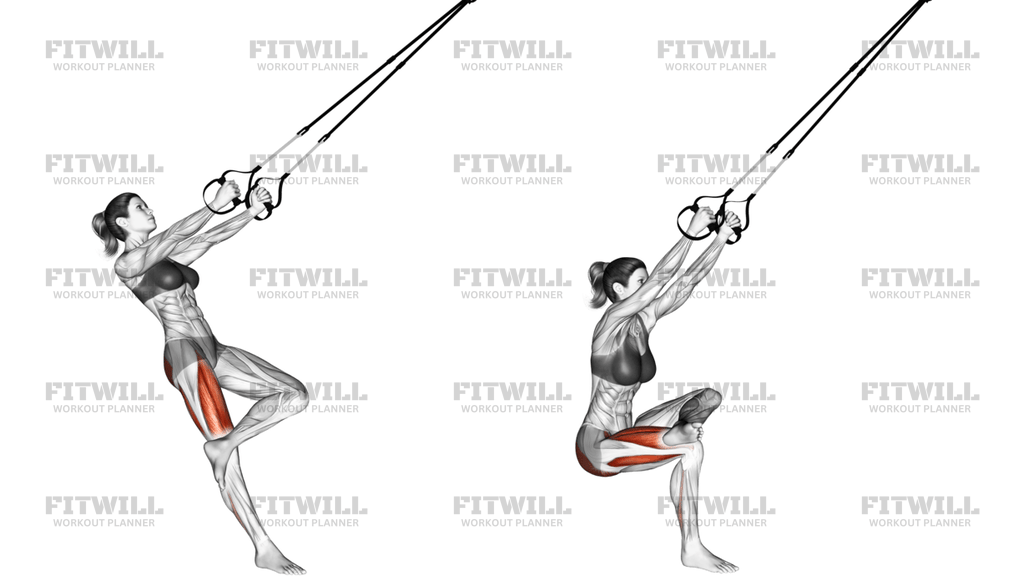
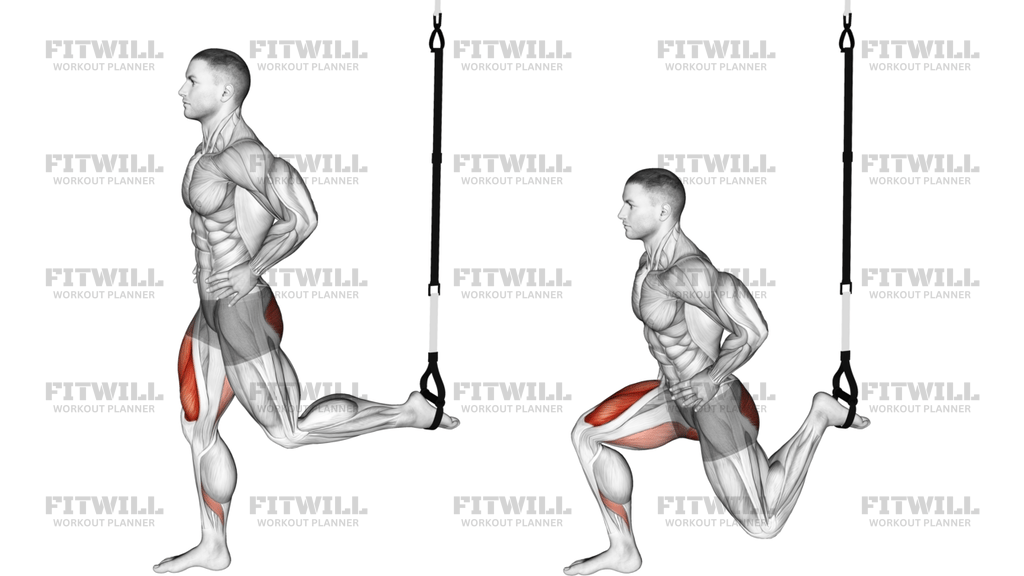
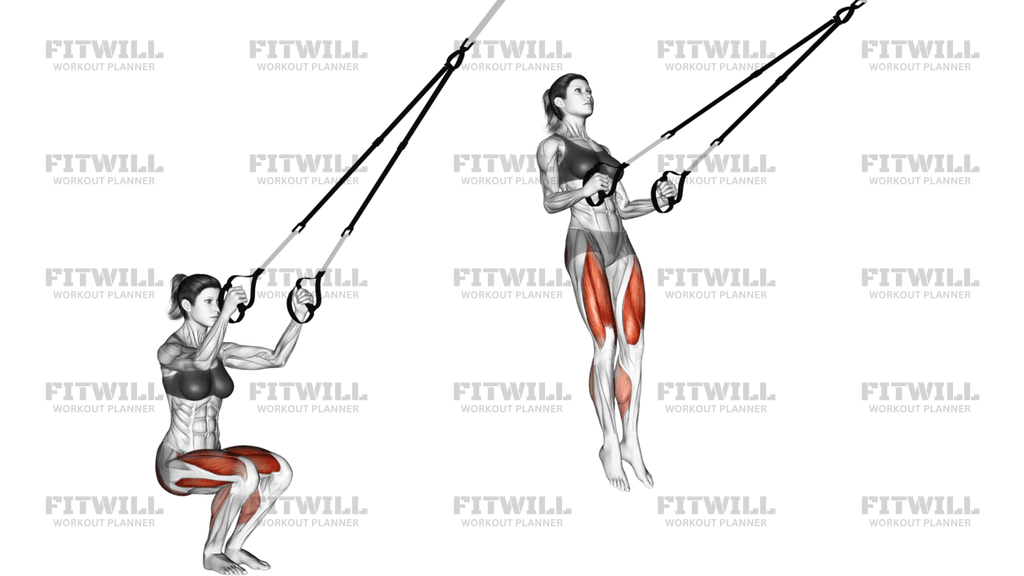
Ring Alternate Reverse Curl
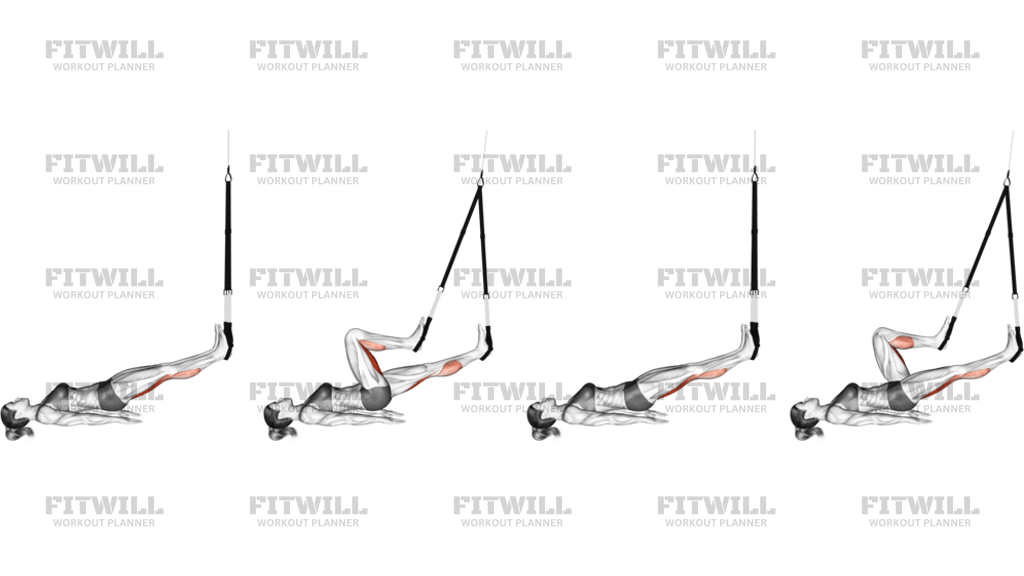
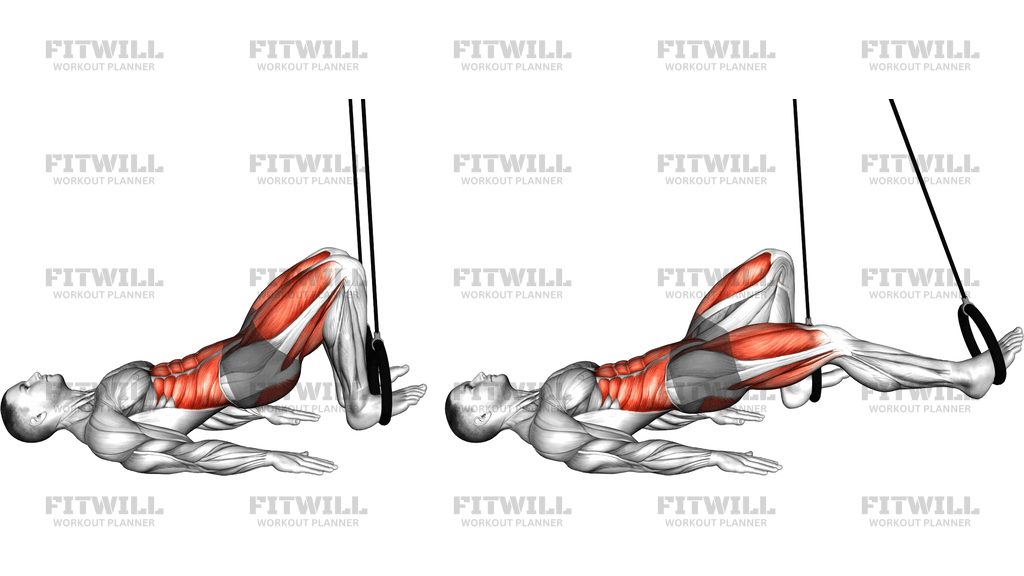
The Ring Alternate Reverse Curl is a suspended bodyweight exercise performed lying on your back with your heels resting in gymnastic rings or suspension straps. From a hip bridge position, you pull one heel in toward your hips at a time, curling through the knee while the other leg stays extended. The alternating rhythm turns a standard ring leg curl into a more demanding stability challenge, because your pelvis has to stay level while one side of your body works and the other holds.
This movement primarily trains the hamstrings through knee flexion, but that is only part of the story. Because your hips are held off the floor for the entire set, the glutes and lower back work isometrically to keep the bridge position, and the abs and deep core work overtime to stop your hips from twisting or sagging every time one leg leaves the shared load. The suspendered feet also remove the stable anchor you would have with heels planted on the floor, so your ankle stabilizers and balance get trained as well.
The setup matters more here than in most floor exercises. Strap length determines how much leverage the hamstrings get: longer straps with the rings further from your body make the curl easier, while a shorter setup with the rings closer in loads the hamstrings harder. Your hands stay flat on the floor beside you, arms relaxed, and your shoulders, hips, and knees should form one straight working line once you lift into the bridge.
To execute it well, lift your hips first, squeeze the glutes to hold that bridge, and then curl one heel toward your buttocks without letting the pelvis rotate or drop. Extend that leg back out under control before switching sides. The tempo should stay deliberate — the eccentric, when you lengthen the leg back out, is where a lot of the hamstring work happens, so resist the urge to let the leg slide away quickly.
This exercise suits intermediate trainees who already own a solid two-leg ring curl and want more core and anti-rotation demand, as well as athletes in sports that require single-leg hamstring strength, such as sprinting, jumping, and changing direction. It is a useful addition to posterior chain days, home workouts with minimal equipment, and rehabilitation-style programming where a controlled, unilateral knee flexion pattern is needed without external load.
From a safety standpoint, keep the range honest: if your hips drop or your lower back starts to arch as you curl, shorten the movement or regress to the two-leg version. Never push through pain in the back of the thigh, and make sure the straps are securely anchored and rated for your body weight before you load your heels into them.
[ Workout Log & Planner ]
Put your next workout in Fitwill
Keep your plan and training log ready when you are.


Instructions
- Set the suspension straps or gymnastic rings to a low height and lie on your back on the floor, facing the anchor point.
- Place both heels in the rings so the straps hang roughly perpendicular to the floor, and position your arms flat on the floor beside your hips with palms down.
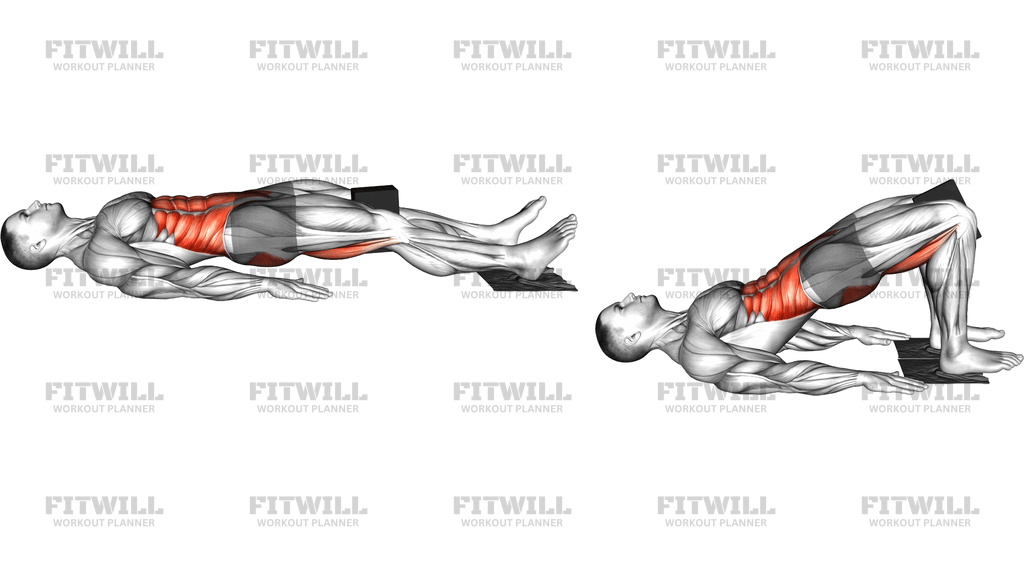
- Press through both heels, squeeze your glutes, and lift your hips until your shoulders, hips, and knees form a straight line — this bridge is your working position.
- Brace your abs as if bracing for a light punch, and keep your ribs down so your lower back does not arch away from the bridge.
- Curl one heel in toward your buttocks by bending the knee, pulling the ring toward you while the other leg stays extended and the hips stay lifted and square.
- Pause briefly at the fully curled position, feeling the hamstring shorten without letting the pelvis rotate toward the working side.
- Extend the leg back out slowly under tension until both heels are level in the rings again, then repeat the curl with the opposite leg.
- Exhale as you curl each heel in, and inhale as you extend it back out, keeping the breathing steady throughout the set.
- Continue alternating legs for your target number of total repetitions, then lower your hips back to the floor with control and slide your feet out of the rings to reset.
Tips & Tricks
- If your hips twist toward the leg you are curling, imagine a glass of water balanced on your pelvis and keep the belt line pointing at the ceiling for every rep.
- The most common failure point is the bridge collapsing — if your hips sag as soon as one leg curls in, hold shorter sets or master the two-leg Ring Reverse Curl first.
- Adjust strap length before starting, not mid-set: shorter straps make the hamstring curl significantly harder, so start conservative and progress by shortening them over weeks.
- Do not let the extended leg drift or the knee of the working leg flare outward; keep both knees tracking in line with their hips.
- Curl the heel all the way in so the knee closes fully — half reps leave the hamstring end range undertrained and make the set feel easier than it is.
- If your hamstrings cramp, which is common with suspended curling, ease into full range for the first few sessions and warm up with glute bridges beforehand.
- Keep pressure even through the whole foot in the ring rather than just the toes, so the calf and ankle are not doing a balancing act on top of the hamstring work.
- Slow the eccentric deliberately — letting the leg shoot back out turns a strength exercise into a momentum exercise and offloads the hamstring where it benefits most.
- Place a thin mat under your shoulders and arms if the floor is hard; your upper back and elbows take continuous pressure for the whole set.
Frequently Asked Questions
What muscles does the Ring Alternate Reverse Curl work?
The hamstrings are the primary movers because they flex the knee as you curl the heel in. The glutes and lower back hold the bridge isometrically, and the abs work to keep your pelvis level while one leg works at a time.
How is the Ring Alternate Reverse Curl different from a regular ring leg curl?
In the alternating version, one leg curls while the other stays extended, so your pelvis must resist rotating and your bridge must hold on a single support. This makes it noticeably harder on the core and each hamstring works unilaterally.
Can beginners do the Ring Alternate Reverse Curl?
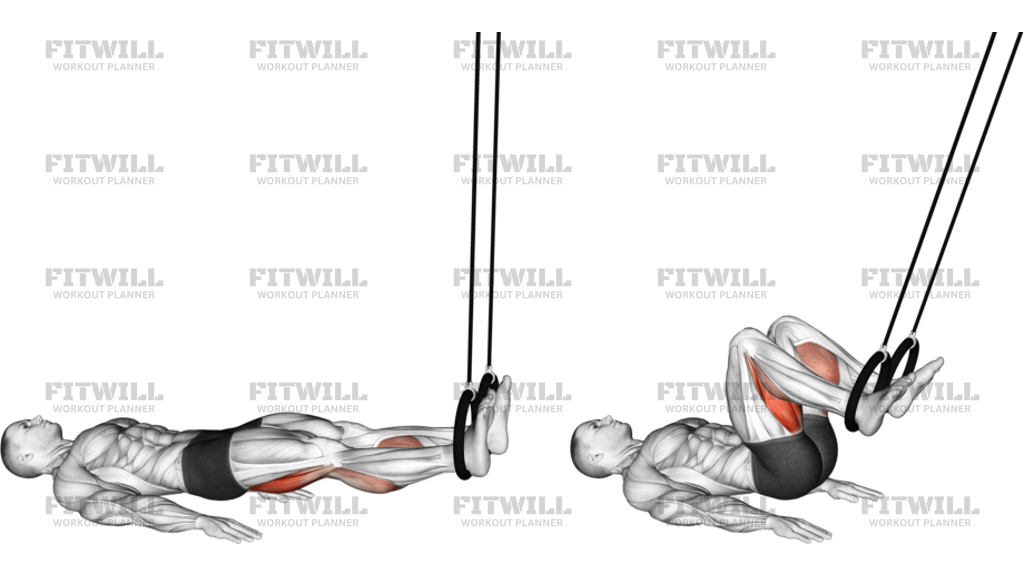
Most beginners should start with the two-leg version, where both heels curl together and the hips share the load evenly. Once you can hold a stable bridge for a full set of two-leg curls, the alternating variation is a natural next step.
How long should the suspension straps be for this exercise?
Start with the straps hanging so the rings sit further from your body, which reduces leverage and makes the curl easier. As you get stronger, shorten the straps so the rings sit closer to your hips and the hamstrings work through a harder angle.
Why do my hips drop when I curl one leg in?
This usually means the glutes are not holding the bridge or the core is not braced, so the load shifts as soon as one heel leaves the shared support. Regress to two-leg curls, and practice squeezing the glutes hard before each single-leg rep.
What can I substitute if I do not have rings or suspension straps?
A single-leg bridge with the heel on a stability ball or a towel slid on a smooth floor trains a similar knee-flexion pattern. Both options lose some of the suspension instability but still target the hamstrings and hip-holding core work.
Is it normal for my hamstrings to cramp during the Ring Alternate Reverse Curl?
Mild cramping is common at first because the hamstrings work in a shortened range while stabilizing at the hip. Warm up thoroughly, use a slightly easier strap length, and build up volume gradually rather than forcing full-depth reps immediately.
How many repetitions should I aim for?
Because each rep trains one side, count total reps and split them evenly between legs. Sets of 8 to 12 curls per leg with strict hip position are a solid target, and stop the set as soon as your hips start to sag or twist.
Is the Ring Alternate Reverse Curl safe for the lower back?
When performed with a braced core and glutes actively holding the bridge, the lower back is supported in a neutral position rather than loaded with external weight. If you feel spinal discomfort rather than muscle effort, reduce the range or return to the two-leg version and rebuild the hold.