Nordic Hamstring Curl
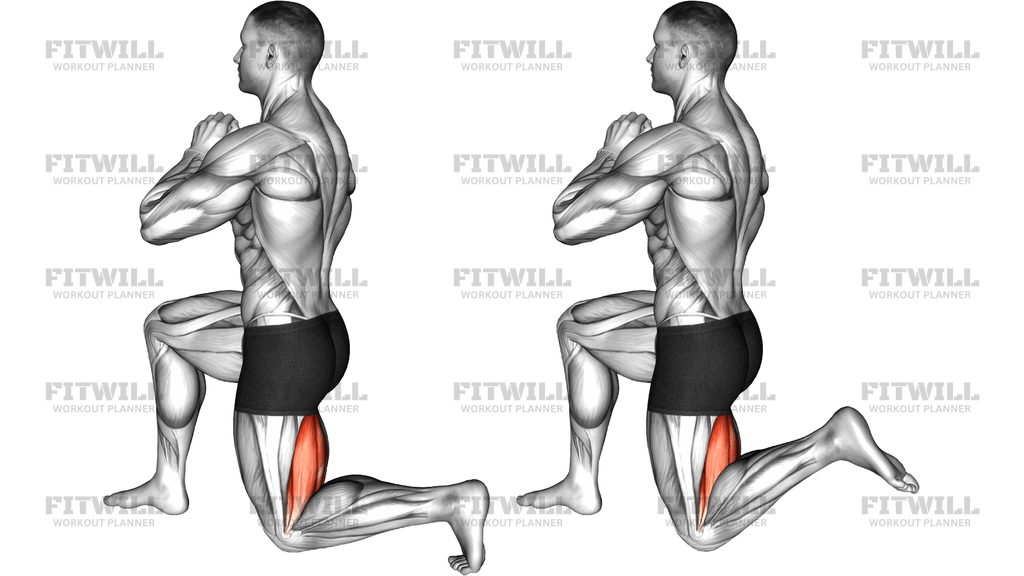
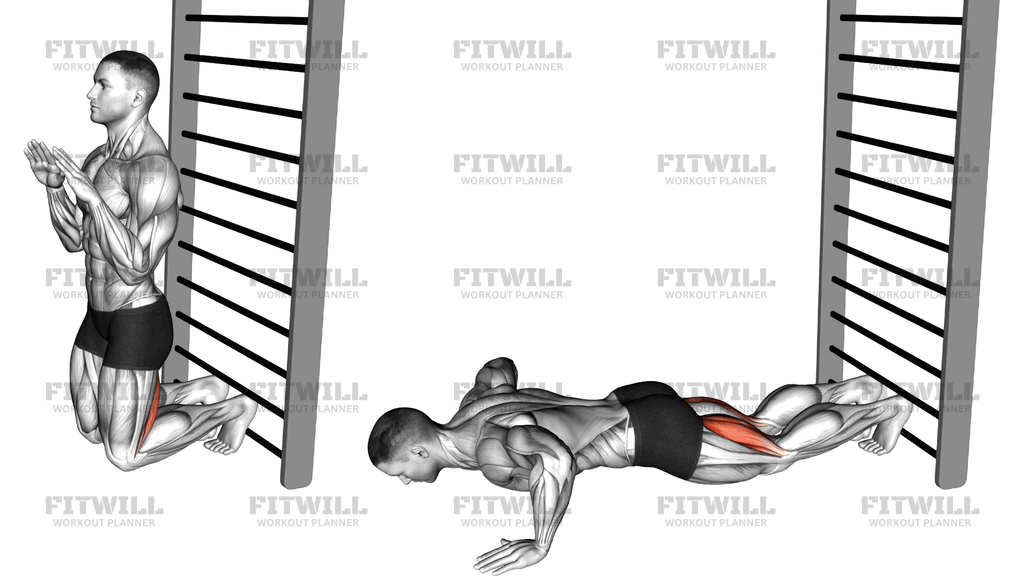
The Nordic Hamstring Curl is a bodyweight eccentric exercise performed from a kneeling position. Your ankles are anchored under a stable structure such as stall bars, a loaded barbell, or a partner's hands, and you lower your entire body forward from the knees toward the floor while keeping the hips extended. The moment your chest touches down, you push back up with your arms and pull yourself back to the upright kneeling position using your hamstrings. It is one of the few exercises that loads the hamstrings heavily while they lengthen, which is exactly how they work when you sprint, decelerate, or change direction.
This movement has earned its reputation primarily through sprint and injury-prevention research. Athletes in sprinting, football, rugby, and soccer use it because the eccentric overload targets the biceps femoris and the rest of the hamstring group near the point where strains commonly occur. It is also valuable for general lifters who want stronger hamstrings without loading the lower back the way heavy deadlift variations do. Because the demand scales with gravity and your own leverage, the exercise is honest: even strong athletes often start with a short range of motion.
The setup matters more than most people expect. Your knees sit just behind a soft pad, your ankles are pinned firmly under the anchor point with the tops of the feet pressed down, and your body forms one straight line from knees to head. If the anchor sits too low or too far from the knees, your ankles will slip or your hips will drift, and the hamstrings lose their leverage. Squeeze the glutes and brace the trunk before you start falling forward, because a soft midsection turns the movement into a hip hinge and removes tension from the hamstrings.
To execute it well, think of pushing your knees forward and letting your torso travel down a long arc rather than folding at the hips. Keep the hips extended and the torso rigid as you descend, catch yourself with your hands near the floor, and use your arms only to take just enough load to reset. The return pull, where your hamstrings drag your torso back upright, is where most of the training effect lives. Start with partial ranges — lowering a short distance and returning — and extend the range as your strength allows. Full lockout reps from the floor are an advanced milestone, not a starting point.
In practice, the Nordic Hamstring Curl is usually programmed in low volumes: 2-4 sets of 3-8 controlled repetitions, often placed early in a session while the nervous system is fresh. Because the eccentric stress creates significant muscle soreness, beginners should start with one or two short sessions per week and build gradually. A mat under the knees and a spotter or sturdy anchor are worth arranging before your first attempt.
[ Workout Log & Planner ]
Put your next workout in Fitwill
Keep your plan and training log ready when you are.


Instructions
- Kneel on a padded surface with your knees roughly hip-width apart and your ankles hooked under the rungs of stall bars or another secure anchor point, tops of the feet pressed down against the base.
- Position your knees so they sit just behind the anchor line and your body can extend forward without the anchor shifting; the shins should stay vertical throughout.
- Straighten up tall from the knees, engage the glutes to lock the hips into extension, and brace your trunk so your knees, hips, shoulders, and head form one straight line.
- Bring your hands up in front of your chest, ready to catch your fall as you descend.
- Keeping the hips fully extended and the torso rigid, lean forward from the knees and lower your body toward the floor along a long arc, resisting the pull of gravity with your hamstrings.
- Continue lowering under control until your chest and hands reach the floor; if you cannot resist further, land softly on your palms.
- Press lightly into the floor with your hands, then pull your torso back up toward the kneeling position by driving your knees into the ground and contracting the hamstrings.
- Exhale as you descend and inhale on the way back up, keeping the breath braced and steady rather than holding it through the rep.
- Finish each rep fully upright with the hips locked out, pause briefly, and reset your brace before starting the next descent.
Tips & Tricks
- The most common mistake is bending at the hips and dropping the chest toward the floor like a push-up. If your torso folds at the hips, the hamstrings are no longer lengthening under load. Push the knees forward and keep a straight line from knee to head.
- Do not let the lower back round as you fatigue. A braced, slightly extended spine keeps the load on the hamstrings and glutes instead of the lumbar tissues.
- If your ankles slip out from under the anchor, reposition them so the tops of the feet are flat against the base and the anchor sits directly on the lower calf, just above the Achilles.
- Start with partial reps. Lower only 30-45 degrees and return, then increase the range over several weeks. Trying to control the full descent on day one usually ends in a collapse.
- Use your hands minimally on the way back up. If you are pushing hard off the floor every rep, drop to an easier variation instead of making the push a hidden part of the lift.
- Avoid letting the hips sink backward or shoot up as you descend. Keep the glutes squeezed so the whole body rotates as one rigid segment around the knees.
- Expect significant hamstring soreness after early sessions; eccentric work causes more delayed-onset soreness than conventional training. Begin with one or two sets and modest volume for the first couple of weeks.
- Place a thick pad or folded mat under your knees. Hard kneeling surfaces will end the set long before your hamstrings do.
- Slow the descent further rather than adding reps once full-range reps feel manageable; the exercise gets harder with tempo, not just volume.
- If you have a history of hamstring strains, reintroduce the movement at short ranges and moderate speeds rather than jumping into maximal eccentric efforts.
Frequently Asked Questions
What muscles does the Nordic Hamstring Curl work?
The hamstrings are the primary movers, with the biceps femoris taking much of the load during the lengthening phase. The glutes and lower back stabilize the hips and trunk, and the core works isometrically to keep your body rigid.
Can beginners do the Nordic Hamstring Curl?
Yes, but almost no beginner controls the full range at first. Start with partial descents of 30-45 degrees, or use a resistance band attached in front of you to reduce the load, and extend the range as you get stronger.
Why do my hips bend during the Nordic Hamstring Curl?
Hip flexion usually means the glutes are not engaged or the trunk is not braced, so the body folds at the waist instead of rotating around the knees. Squeeze the glutes, lock the hips into extension, and think of falling forward as one straight plank pivoting on the knees.
How is the Nordic Hamstring Curl different from a lying leg curl?
The leg curl shortens the hamstrings against a machine's resistance, while the Nordic Curl loads them as they lengthen, which places a much greater eccentric demand. The Nordic version also requires no equipment beyond an anchor point and trains the trunk simultaneously.
Do I need a partner for the Nordic Hamstring Curl?
No. A partner holding your ankles works well, but stall bars, a loaded barbell secured in a rack, or heavy furniture can anchor your ankles just as effectively. The key is that the anchor cannot shift while you lean forward.
How many Nordic Hamstring Curl reps should I do?
Eccentric-heavy work responds best to low volumes: 2-4 sets of 3-8 repetitions is typical. Focus on slowing the descent rather than adding reps, and stop the set when you can no longer control the lowering phase.
What should I do if I collapse at the bottom of the Nordic Hamstring Curl?
Catch yourself with your hands, push back to just above the floor, and complete the return from there. Over time, use progressively less hand assistance until your hamstrings can pull you from a full descent.
Is the Nordic Hamstring Curl safe for the lower back?
It is generally well tolerated because the load stays light compared to barbell hinges, but poor bracing or a rounded descent can strain the lumbar area. Keep the spine neutral, the glutes engaged, and stop the set when your torso position breaks down.
Can I use the Nordic Hamstring Curl for sprint performance?
It is widely used by sprinters and field-sport athletes because the hamstrings lengthen under load in a way that mirrors the late swing phase of sprinting. It complements, but does not replace, actual sprinting and conventional strength work.