Ring Incline Push Up
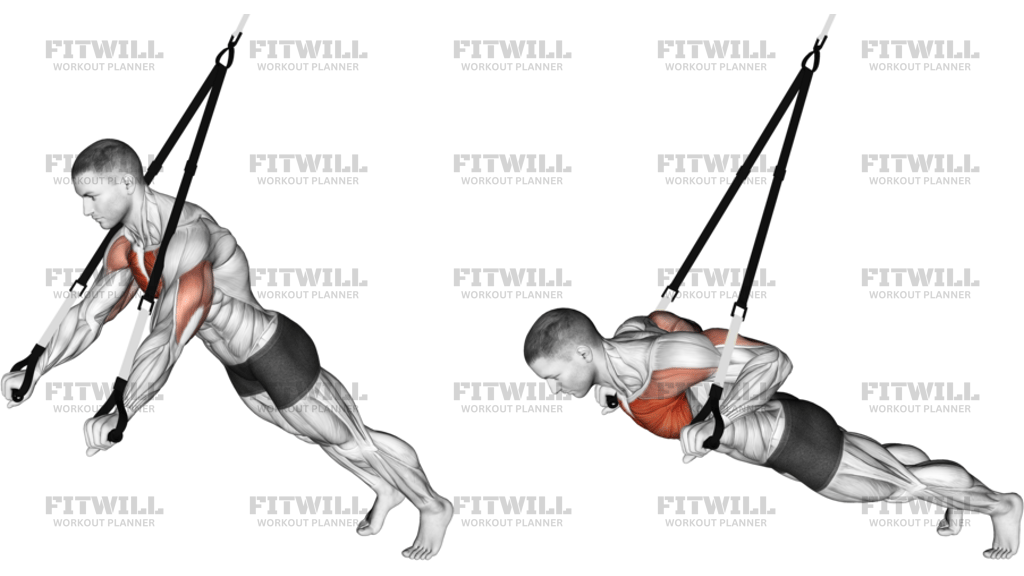
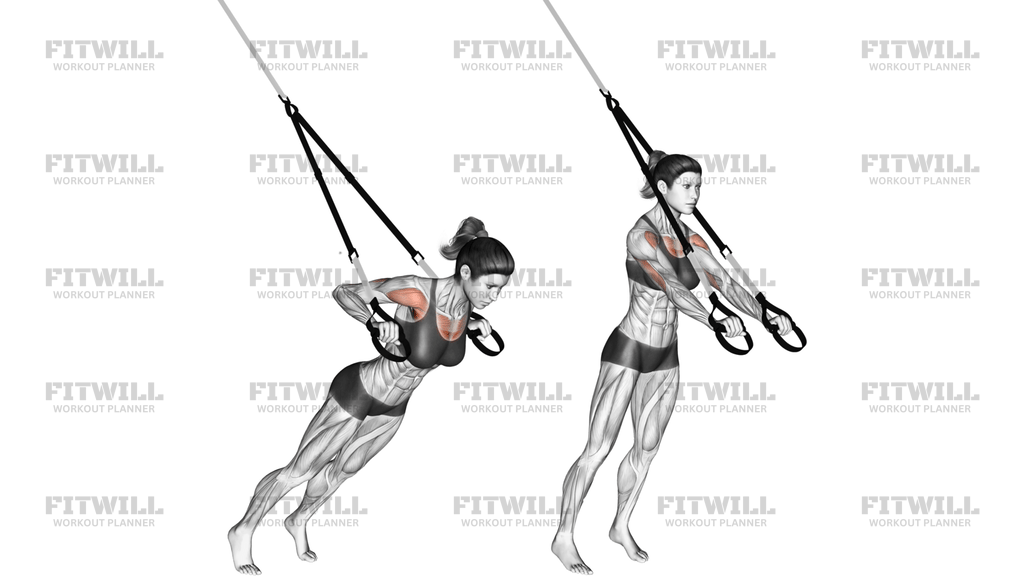
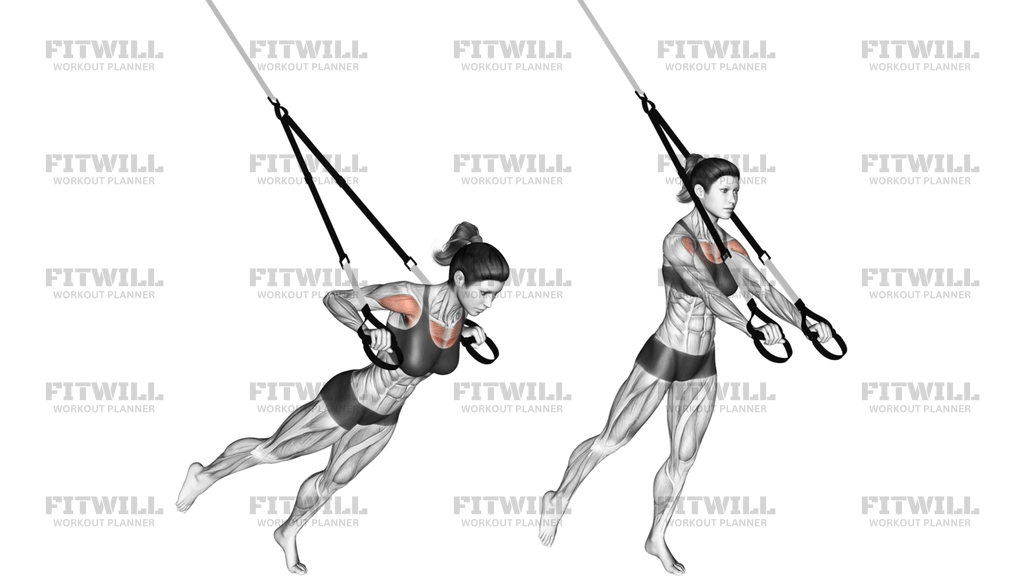
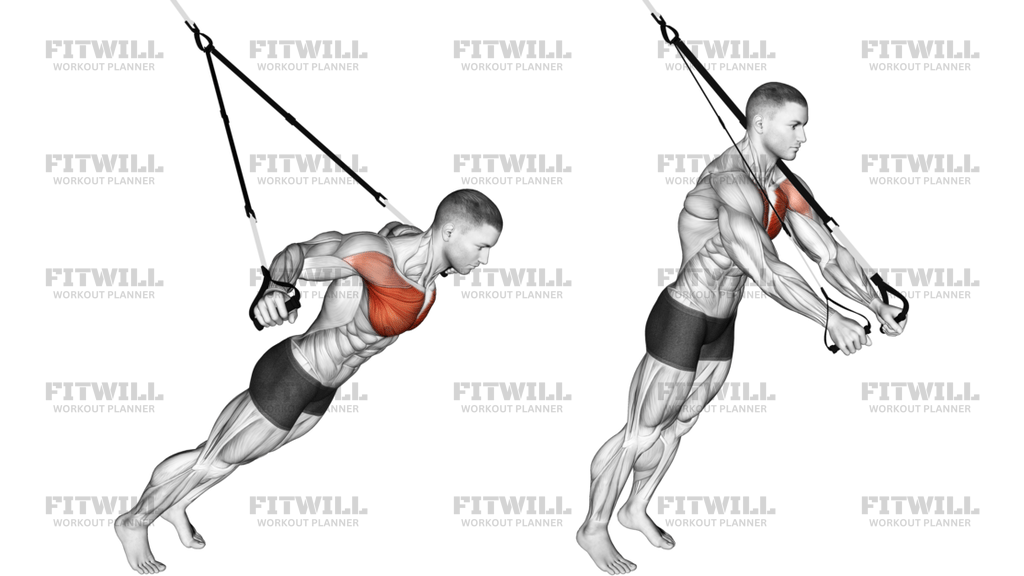
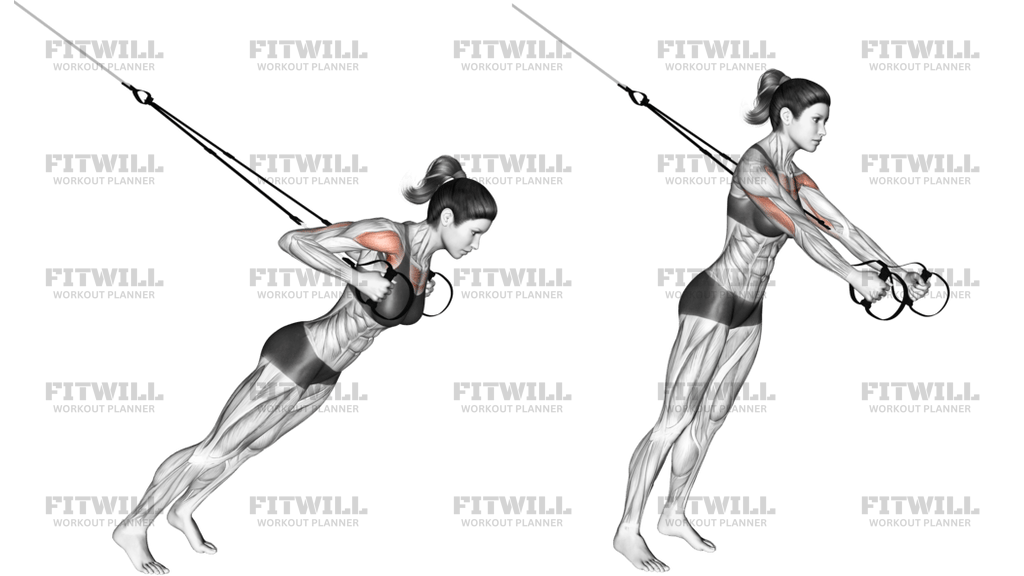
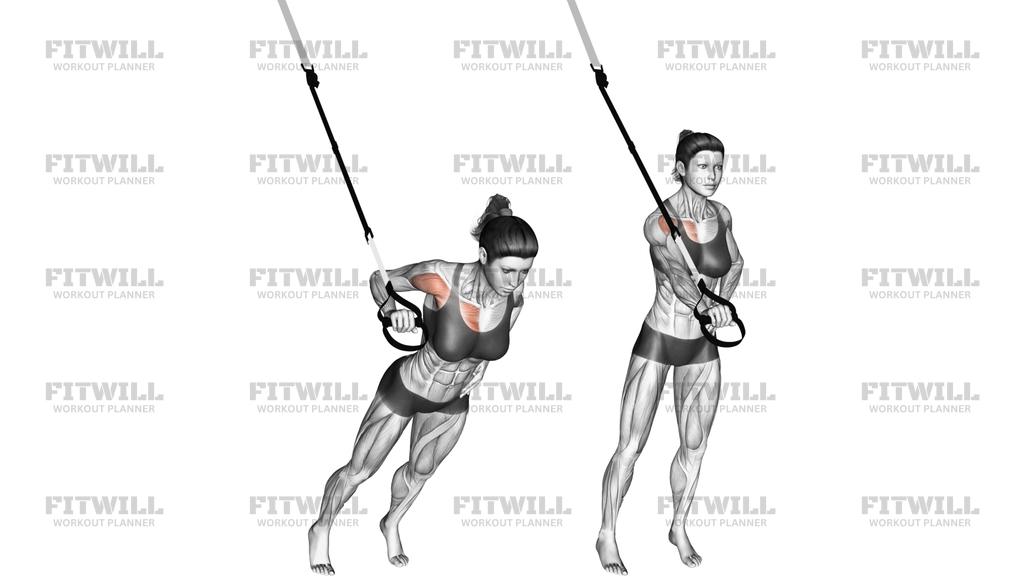
The Ring Incline Push Up is a push-up variation performed with your hands on gymnastic rings or suspension straps that are anchored above you, with your feet on the floor and your body angled upward toward the anchor point. Because the rings hang freely, they shift and rotate under your hands throughout every rep, which makes this a hybrid of a classic incline push-up and a stability exercise. It sits at the entry point of ring pushing: easier than a horizontal ring push-up, but far more demanding of shoulder control than the same angle on a fixed bar or bench.
This movement is useful for almost anyone transitioning from standard push-ups toward unstable-surface or ring training. Beginners can use it to build pressing strength at a manageable angle while developing the wrist, elbow, and shoulder control that rings demand. More advanced trainees use it as a high-volume accessory, a warm-up for heavier ring work, or a way to accumulate pressing volume when a fully horizontal ring push-up is still out of reach.
The primary muscles worked are the chest, with the triceps and front shoulders assisting the press. The real distinguishing feature is the stabilization demand: because the rings can move in every direction, your rotator cuff, serratus anterior, and deep core work continuously to keep your body in one straight line and your hands from drifting apart. That stabilization transfer is one of the biggest reasons coaches program ring push variations at all.
Setup matters more here than on the floor. The ring height determines your body angle and therefore the difficulty: higher rings and a more upright torso make the set easier, while lowering the rings loads the shoulders and chest progressively more. The straps should hang vertically and be even in length, since an uneven pair will twist your torso and pull you toward one side. Adjust the angle before you start rather than mid-set, because resetting under fatigue is where form breaks down.
To execute it well, grip the rings with a neutral grip, walk your feet back until your body forms a straight line from head to heels, and brace your midsection before the first rep. Lower yourself by bending the elbows and letting the rings turn slightly outward, keeping the rings pulling toward each other the whole time. Descend until your chest approaches the level of your hands, then press back up without letting your hips sag or your shoulders shrug toward your ears. Exhale on the press, inhale on the way down, and keep every rep controlled rather than letting the rings bounce you out of the bottom.
A few practical safety points: check that the anchor point and strap buckles are rated for your body weight and fully secured before loading them, and keep the rings positioned so they cannot slide out from under your hands. If your shoulders feel pinched at the bottom, reduce the depth or raise the ring height rather than pushing through discomfort. Progress by gradually lowering the rings toward horizontal as your control improves, which eventually leads you to the full Ring Push Up.
[ Workout Log & Planner ]
Put your next workout in Fitwill
Keep your plan and training log ready when you are.


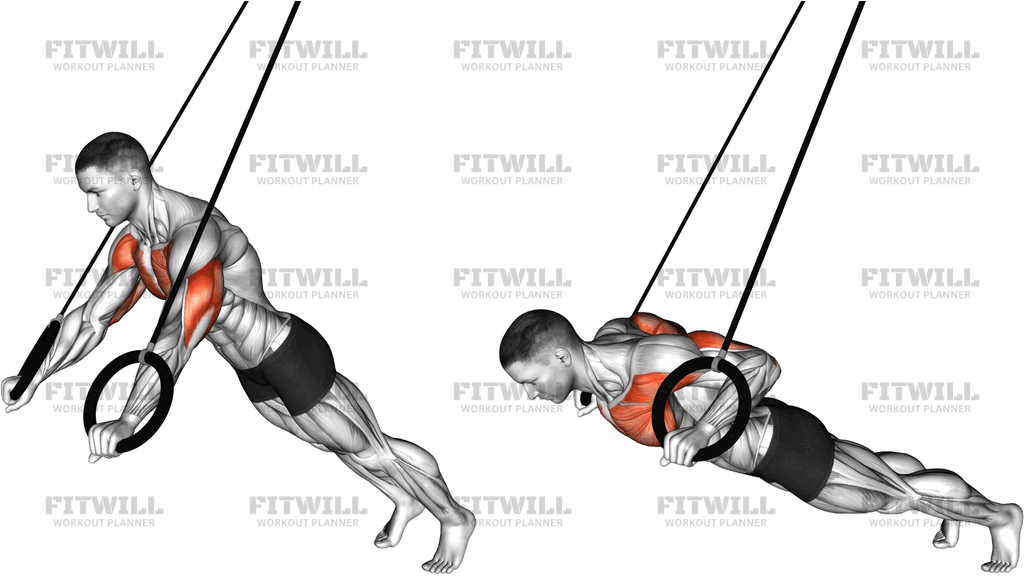
Instructions
- Set the rings to an even length so they hang from a secure anchor above you, with the height adjusted so the straps sit at an incline angle to your body.
- Grip each ring with a neutral grip, knuckles facing forward, and position your hands roughly shoulder-width apart or slightly wider.
- Walk your feet back until your arms are extended, your body forms a straight line from head to heels, and your torso is angled up toward the anchor point.
- Set your feet about hip-width apart with the balls of your feet on the floor, and squeeze your glutes and brace your abs to lock in the plank position.
- Inhale, then bend your elbows to lower your chest toward the rings, letting the rings rotate slightly outward as you descend.
- Keep the rings pulling inward toward each other throughout the rep so they do not drift apart under your hands.
- Stop the descent when your chest is at or just below the level of the rings, with your elbows around 45 degrees from your torso.
- Exhale and press through the rings to straighten your arms, driving the rings together as you rise and finishing with your shoulders pushed away from the rings.
- Pause briefly at the top, reset your brace, and repeat for the desired number of reps before carefully stepping your feet forward to release the rings.
Tips & Tricks
- The most common mistake is letting the rings spread apart as you fatigue, which collapses your chest position and stresses the shoulders; consciously squeeze them inward on every rep.
- If your hips sag toward the floor, your core has stopped doing its job — shorten the set, or slightly raise the ring height so you can hold the plank line again.
- Do not flare your elbows straight out to the sides; with rings this quickly turns into an uncontrolled rotation. Keep the elbows around 45 degrees from your ribs.
- Keep your neck in line with your spine by looking at a spot on the floor slightly ahead of your hands rather than craning up to watch the rings.
- Uneven strap length will twist your torso toward the longer side, so level the rings before every set — a small asymmetry becomes very obvious once you are under load.
- Press all the way to locked elbows at the top and push the rings slightly away from you to engage the serratus anterior, instead of cutting the rep short at partial extension.
- The unstable rings make tempo the main tool: a slower two-second descent will expose and fix shaking far better than adding more reps.
- Progress by lowering the rings a notch every week or two toward a horizontal body angle; only move down when you can complete your target reps without the hips sagging or the rings drifting.
- If the bottom position aggravates your shoulders, limit depth to where you can keep the rings under control rather than forcing a deeper range.
Frequently Asked Questions
What muscles does the Ring Incline Push Up work?
The chest is the primary mover, supported by the triceps and front shoulders. Because the rings are unstable, your rotator cuff, upper back, and core also work hard to keep your body aligned and the rings from moving apart.
Is the Ring Incline Push Up good for beginners?
Yes, it is one of the best first steps into ring pushing. The incline angle reduces the load on the pressing muscles, so you can learn to control unstable rings before attempting a horizontal Ring Push Up.
How high should the rings be set for the Ring Incline Push Up?
Start with the rings around waist to chest height so your torso is clearly angled upward. The higher the rings, the easier the set; lower them gradually as your strength and control improve.
Why do my hands keep drifting apart during the exercise?
The rings rotate outward under load unless you actively squeeze them toward each other. Grip firmly, turn the rings slightly out as you descend, and keep inward tension through the whole rep — if they still drift, you are likely fatigued or descending too fast.
How is this different from a regular incline push-up on a bench?
A bench is fixed, so your hands stay in one place; rings move in every direction, adding a stabilization demand for the shoulders, chest, and core. The pressing muscles work similarly, but the Ring Incline Push Up builds much more joint control.
My hips sag during the set — what should I fix first?
Sagging hips usually mean your brace has failed, not just weak abs. Tighten your glutes, pull your ribs down, and if you still cannot hold a straight line, reduce the reps per set or raise the rings slightly to reduce the total load.
Can I substitute the Ring Incline Push Up with another exercise?
A stability ball or suspension-trainer push-up at the same angle is the closest substitute, since both add instability. A regular incline push-up on a bench works the pressing muscles but removes most of the stabilization benefit.
How do I progress from the Ring Incline Push Up to a full Ring Push Up?
Lower the ring height in small steps so your body angle moves toward horizontal, only advancing when you can hit your target reps with a rigid plank and no ring drift. Eventually the straps hang close to vertical and you are performing a full Ring Push Up.
Is it safe to do Ring Incline Push Ups if my shoulders hurt at the bottom?
Discomfort at the bottom usually comes from descending too deep or letting the rings rotate outward. Reduce your depth, keep the elbows closer to your sides, and check your shoulder position; if pain persists, stop and have it assessed before continuing.