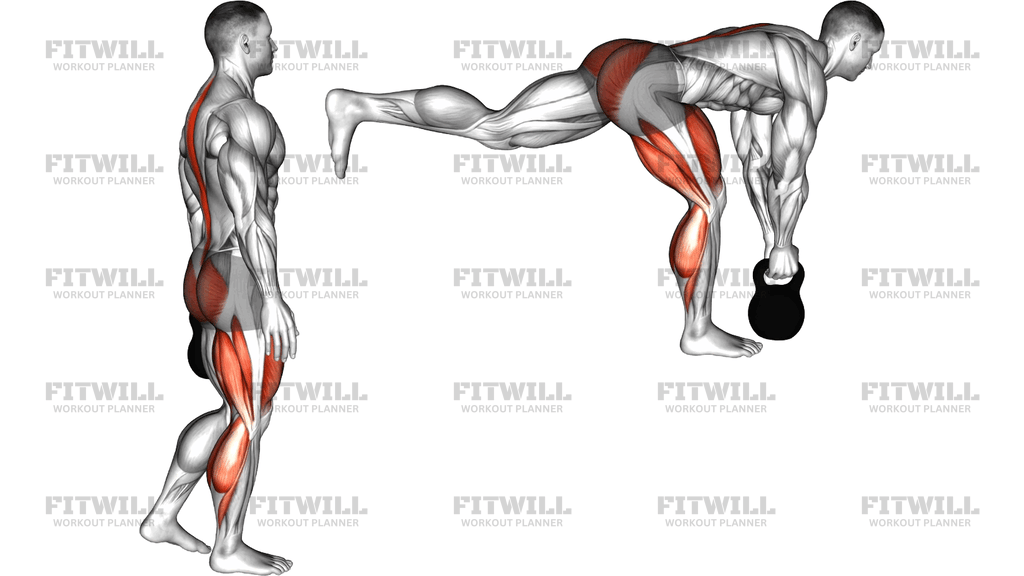
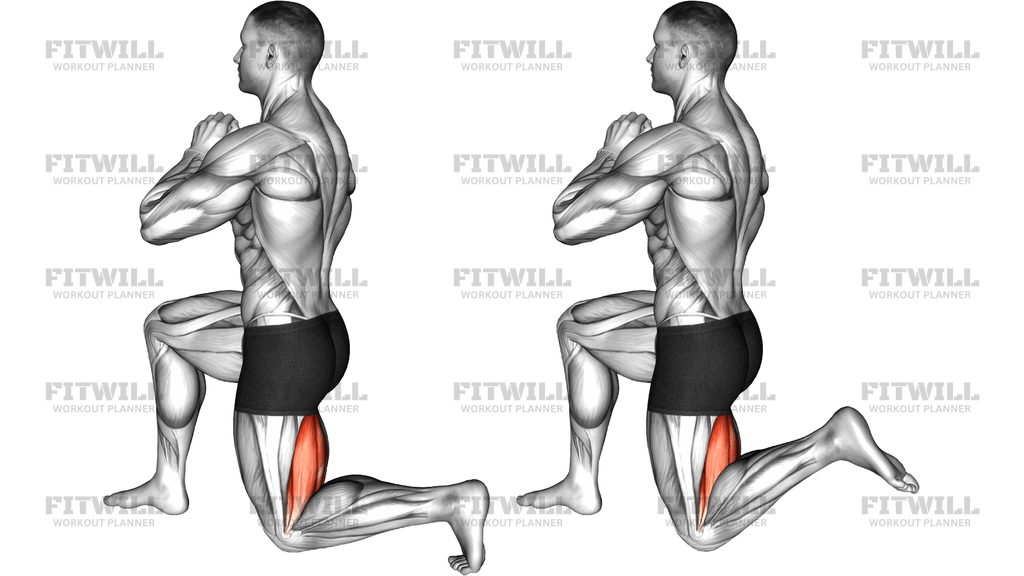
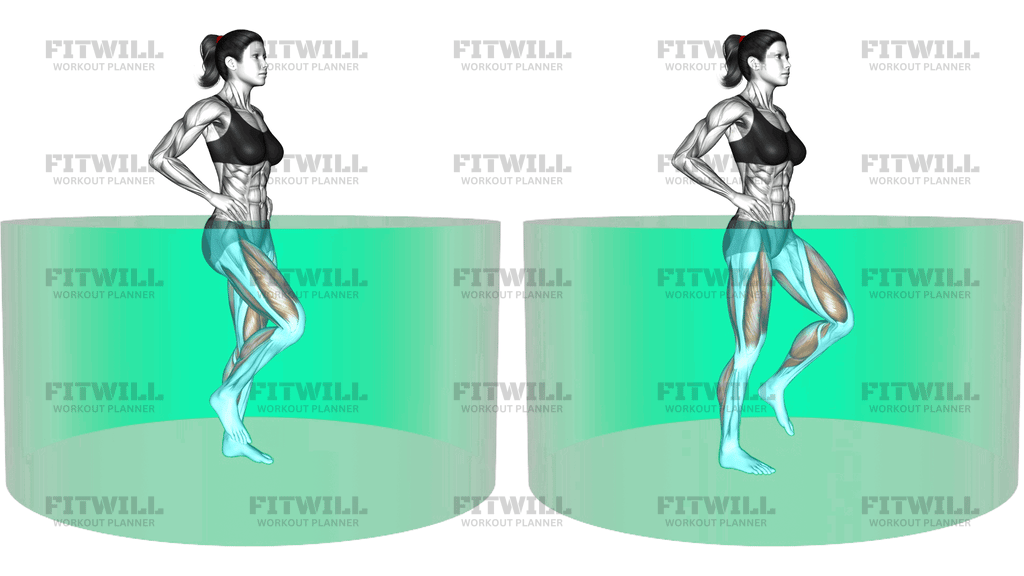
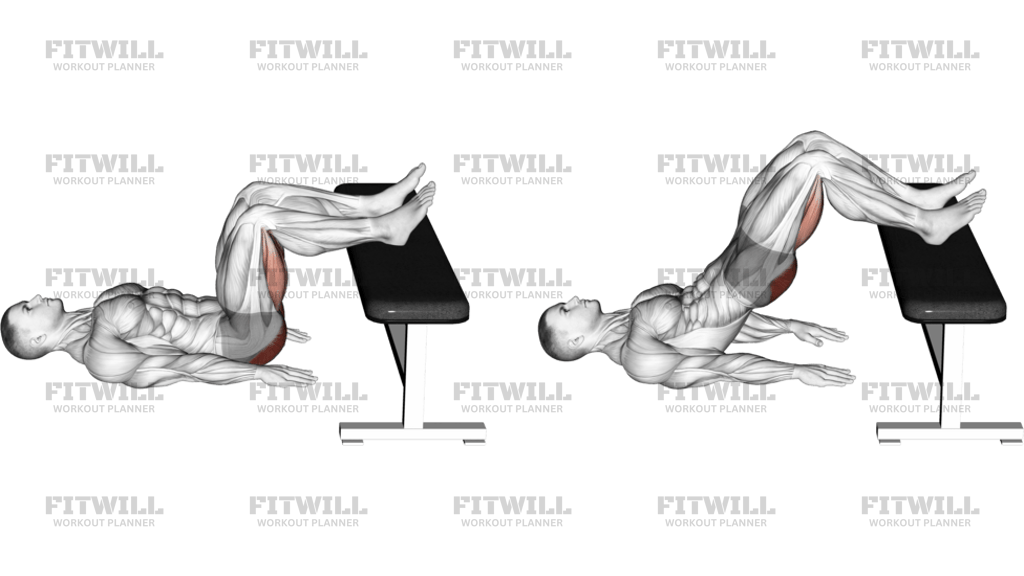
Alternating Hamstring Arm Lift
The Alternating Hamstring Arm Lift is a standing bodyweight movement that combines a wide-leg hip hinge with an alternating arm reach, loading the hamstrings on one side of the body while the opposite arm travels overhead. Because you work one side at a time, every repetition is also a balance and core-control drill: your trunk has to resist twisting and collapsing as the arm changes the load distribution. It looks simple from the outside, but the combination of a long hamstring stretch and a controlled overhead reach makes it surprisingly demanding.
This movement is especially useful for people who feel tight through the backs of the thighs and the inner thigh area from sitting or from running, cycling, or lifting without much dedicated hip-hinge work. The wide stance places a mild stretch on the adductors while the forward fold lengthens the hamstrings, and the alternating arm lift adds rotational demand that the standing forward fold alone does not provide. Athletes use it as a warm-up primer before squats, deadlifts, or sprint work, and general trainees can use it as a low-impact way to build hinge awareness.
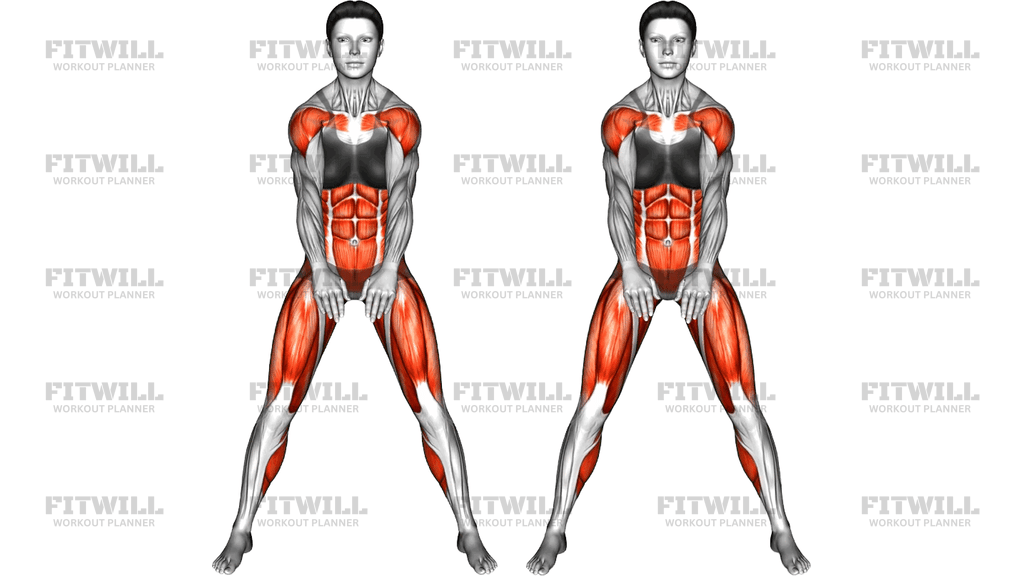
The muscles doing most of the visible work are the hamstrings, which control the fold toward the floor and pull you back to standing. The glutes assist the hinge and the return, the adductors stabilize the wide stance, and the erector spinae keep the back long instead of rounded. The abdominals, highlighted heavily during the movement, brace continuously to transfer force between the reaching arm and the planted legs — that bracing is what turns a stretch into a strength exercise.
Setup matters more than it appears to. Your feet should be noticeably wider than your shoulders with toes angled slightly out, and your knees should stay softly bent the entire time. If the stance is too narrow, the hamstrings never get lengthened and the lower back takes over the fold; if the knees lock out, you lose the ability to control the movement and simply hang on passive tissue. A long, neutral spine with the chest moving toward the floor — not a rounded back chasing the ground — is the position to protect.
To execute it well, hinge from the hips until you feel a firm but comfortable stretch along one hamstring, then lift the opposite arm toward the ceiling so the torso rotates slightly. Lower the arm with control, rise a few inches or fully back to standing, and repeat on the other side. The alternation is the point: each switch asks the core to reorganize and the standing leg to hold steady. Move slowly enough that you could stop at any point in the range.
In practice, use the Alternating Hamstring Arm Lift for 8 to 12 controlled reps per side as part of a warm-up, or for 2 to 3 focused sets as accessory work on lower-body days. Stop short of pain in the back of the knee or the low back, and remember that the stretch should deepen gradually over weeks, not be forced in a single session.
[ Workout Log & Planner ]
Put your next workout in Fitwill
Keep your plan and training log ready when you are.


Instructions
- Stand with your feet roughly one and a half shoulder-widths apart, toes turned out slightly, and shift your weight evenly across both feet.
- Soften both knees so they are never locked, and let your arms hang straight down in front of your thighs.
- Brace your abdominals lightly as if preparing for a light poke to the belly, and lengthen the back of your neck.
- Push your hips back and hinge forward from the hips, keeping your back long, until you feel a stretch along the back of one or both thighs.
- Keeping the hinge, lift your left arm up and slightly out toward the ceiling, letting your torso rotate gently to the right as the arm rises.
- Hold the lifted position for a brief moment while the right hamstring stays loaded and long, then lower the left arm back down with control.
- Rise partway or fully back to standing, then hinge again and repeat the lift with the right arm, rotating gently to the left.
- Exhale as you fold and lift, inhale as you lower the arm and rise back up.
- Continue alternating sides for equal repetitions, resetting your stance and knee bend any time you feel yourself rocking or twisting from the feet.
Tips & Tricks
- The most common mistake is rounding the spine to reach the floor. Think about pushing your tailbone back and sliding your chest forward instead of curling down — your hands do not need to touch anything.
- If your hamstrings shake or you feel the stretch only behind the knee, bend your knees a little more; a soft knee lets the hamstring lengthen under tension instead of straining the tendon.
- Do not let the lifted arm yank you off balance. Lift it to about the height where you can still keep both hips level and both feet heavy.
- Watch for the standing foot rolling to its outer edge during the fold. Grip the floor with your toes and keep the weight spread across the whole foot.
- Keep the rotation coming from the upper back as the arm lifts, not from swinging the hips sideways — if your hips travel, shorten the stance slightly and reduce the fold depth.
- Slow the transition between sides down. The switch is where most people lose their brace, and rushing it turns the drill into a loose windmill.
- Breathe out during the fold instead of holding your breath; holding tension in the breath usually means you are bracing with your neck and shoulders rather than your abdominals.
- Warm the hips first with a few gentle bodyweight good mornings or leg swings if you plan to fold deeply in the first set.
- If you feel pinching in the low back rather than a stretch in the thighs, you have gone past your hip range — reduce the depth and keep more bend in the knees.
Frequently Asked Questions
Which muscles does the Alternating Hamstring Arm Lift work the most?
The hamstrings do the main work of controlling the fold and pulling you back up, with strong support from the glutes and adductors holding the wide stance. The abdominals and lower back stay braced throughout to keep your trunk steady as the arm alternates.
Why does the Alternating Hamstring Arm Lift use such a wide stance?
The wide stance lengthens the adductors and gives your hips room to hinge backward, which lets the hamstrings stretch under load. A narrow stance usually forces the spine to round instead, which removes the hamstring emphasis.
Is the Alternating Hamstring Arm Lift suitable for beginners?
Yes, because it uses no equipment and the range is self-selected. Beginners should start with a shallower fold, a wider knee bend, and slower alternations, prioritizing a flat back over depth.
Should my hands touch the floor during the Alternating Hamstring Arm Lift?
No, floor contact is not the goal and reaching for it usually causes the back to round. Fold only until you feel a firm hamstring stretch and let the arms hang or lift from there.
How is the Alternating Hamstring Arm Lift different from a simple standing forward fold?
The forward fold stretches both hamstrings equally and holds you static, while the alternating arm lift loads one hamstring at a time and adds rotation and balance demand. That makes it a strength and stability drill rather than a pure stretch.
How many repetitions should I do of the Alternating Hamstring Arm Lift?
For a warm-up, 8 to 12 slow repetitions per side works well. For focused hamstring and core work, do 2 to 3 sets with a brief pause at the top of each arm lift.
My lower back aches when I fold — what should I change?
That usually means you are bending from the spine instead of hinging from the hips, or your knees are locked. Push the hips further back, bend the knees more, and stop the fold as soon as you feel the hamstrings rather than the low back.
Can I use the Alternating Hamstring Arm Lift as a stretch before running?
Yes, keep the reps flowing and the holds short so it functions as a dynamic warm-up for the hamstrings and hips. Save longer held folds for after training if your goal is flexibility.
What can I do if my balance is poor during the Alternating Hamstring Arm Lift?
Reduce the fold depth, slow the arm lift, and keep a hand near a wall or rack for light support until your trunk control improves. You can also shorten the stance slightly, which lowers the balance demand while still working the hamstrings.
Is it safe to do the Alternating Hamstring Arm Lift every day?
For most people yes, since it is a low-load bodyweight movement, as long as the stretch stays comfortable and pain-free. If the backs of your thighs are sore from training the day before, use a shallower range that day.