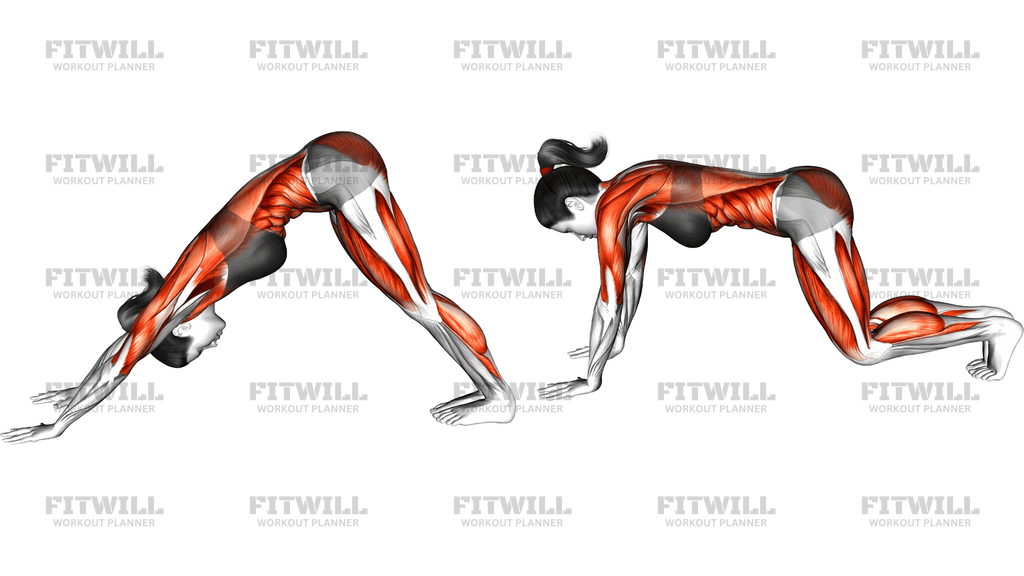
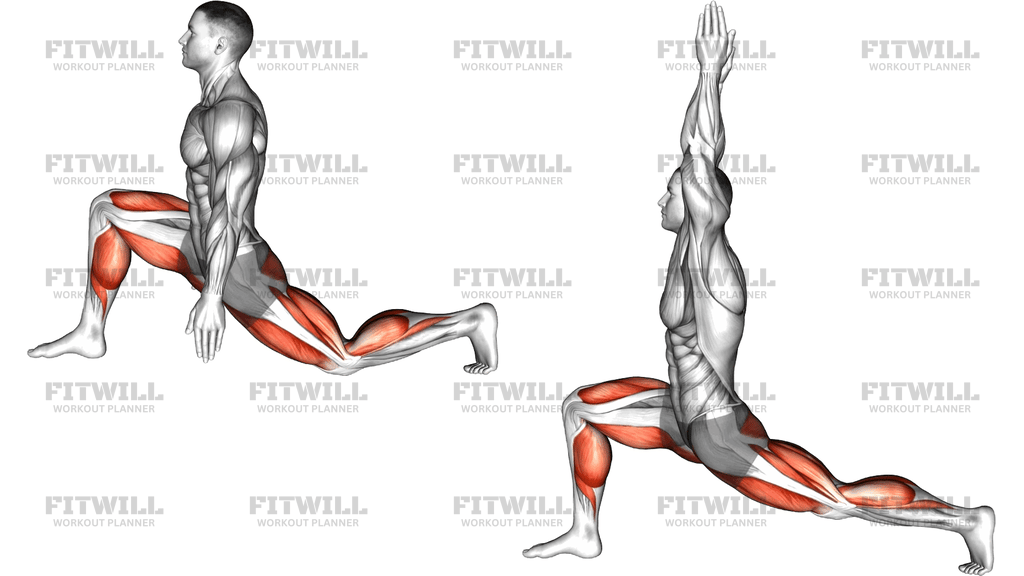
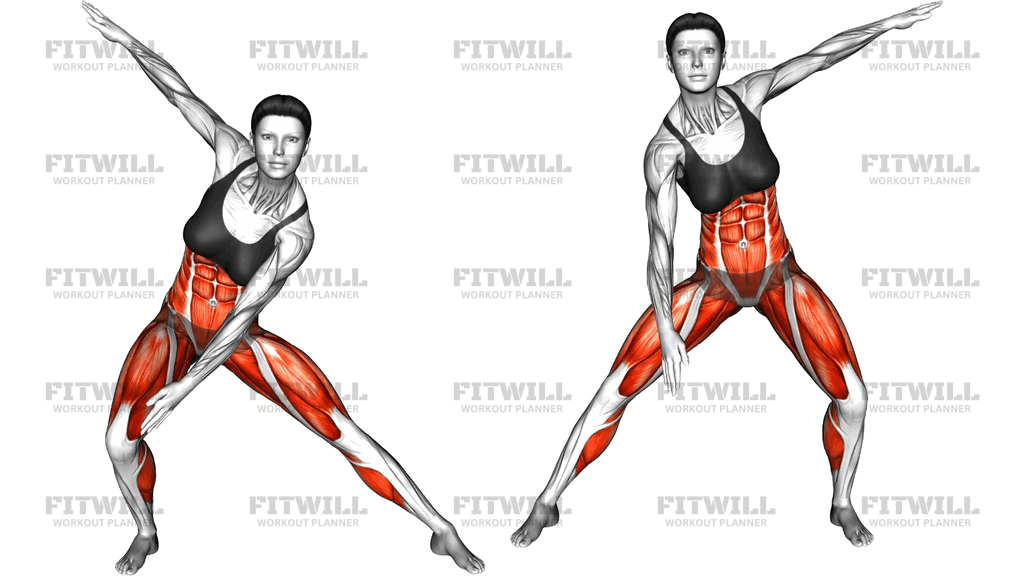
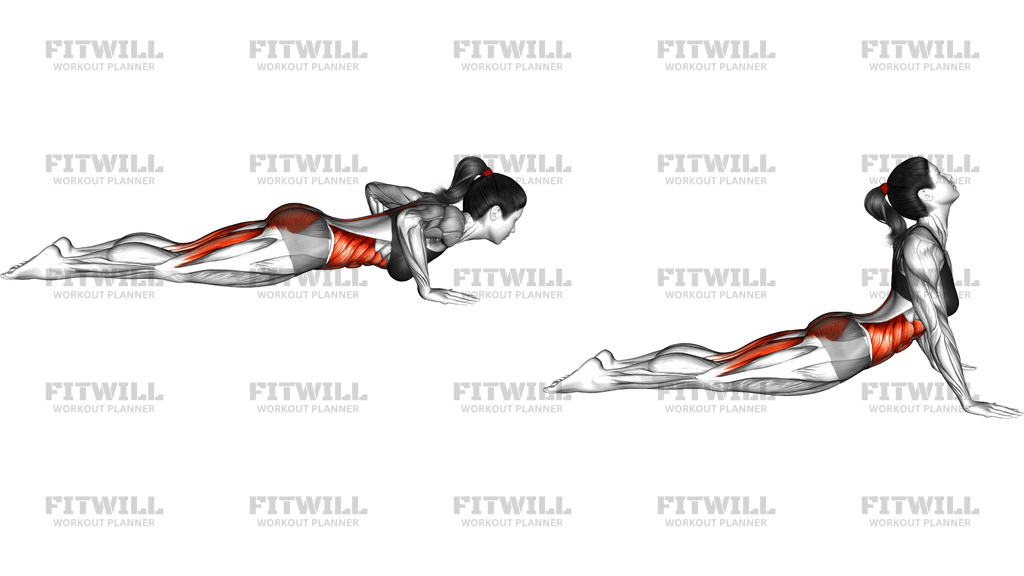
Warrior Ii To Downward Facing Dog Pose
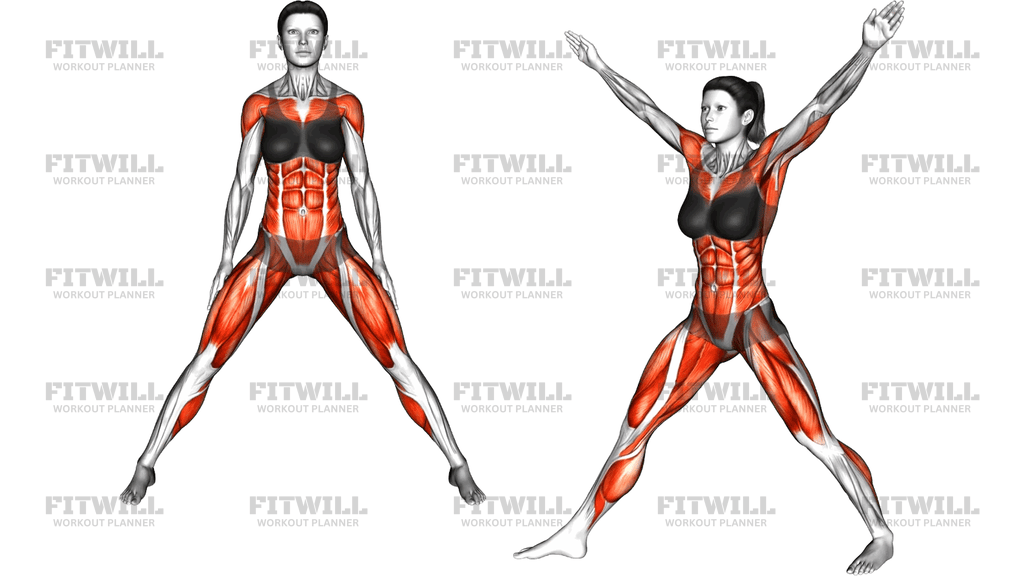
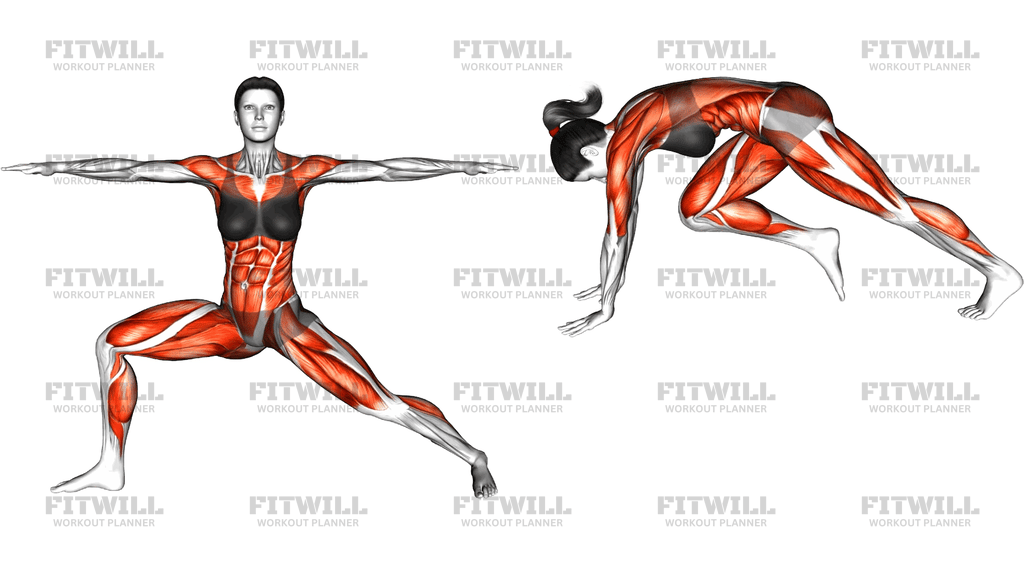
Warrior Ii To Downward Facing Dog Pose is a flowing yoga transition that links two of the most recognizable standing postures into one continuous movement. You begin in Warrior II with the front knee bent over the ankle, arms extended parallel to the floor, and the gaze forward over the front hand. From there you place the hands down, step the feet back, and lift the hips high into Downward Facing Dog, an inverted V shape with the heels reaching toward the floor. Moving between these shapes teaches the body to shift weight smoothly while keeping the shoulders and trunk organized.
This transition is useful for almost anyone who practices yoga, and it also works well as a dynamic warm-up for lifters and runners. The Warrior II position loads the front leg through the quads and glutes while the back leg works to hold the outer hip and heel grounded. Downward Facing Dog then reverses the demand: the shoulders and upper back take the load, the hamstrings and calves lengthen, and the core supports the spine as the hips travel up and back. Because you flow from an upright stance to an inverted hold, you also train balance, weight transfer, and body awareness in a single repetition.
Setup matters more here than in many flows. The width of your stance in Warrior II determines how easily you can reach the floor, so a slightly narrower stance or bent knees make the hand placement realistic for tighter hips and hamstrings. In Downward Facing Dog, the distance between hands and feet controls whether the pose becomes a shoulder and hamstring stretch or a low push-up position. Taking a moment to set the hands shoulder-width apart with fingers spread, and the feet about hip-width apart, keeps the wrists and shoulders in a safe line before you lift the hips.
To execute it well, move at the pace of your breath rather than rushing the transition. Exhale as you lower the hands and step back, then take a full breath in Downward Facing Dog, pressing the floor away and letting the head hang between the arms. Common use cases include vinyasa-style practice, sun salute variations, mobility circuits, and active recovery days where you want length and strength together without equipment.
For safety, keep the front knee tracking over the second toe in Warrior II and never let it collapse inward. If your hamstrings or calves limit you in Downward Facing Dog, bend the knees generously rather than rounding the lower back to force the heels down. Anyone with wrist pain, shoulder irritation, unmanaged blood pressure concerns, or late pregnancy should modify the depth and duration of the inverted portion or keep the hands elevated on a sturdy surface.
[ Workout Log & Planner ]
Put your next workout in Fitwill
Keep your plan and training log ready when you are.


Instructions
- Stand at the top of a mat or open floor space and step your feet roughly four feet apart, turning the right toes out 90 degrees and the left foot slightly in.
- Bend the right knee over the ankle, extend both arms straight out at shoulder height with palms down, and turn your gaze over the right fingertips into Warrior II.
- Engage the core by drawing the lower belly in slightly and press the outer edge of the back foot firmly into the floor.
- On an exhale, set your gaze down toward the front foot, hinge forward, and place both palms flat on the floor inside the right foot, shoulder-width apart with fingers spread.
- Step the right foot back to meet the left, landing the feet about hip-width apart with the hands still stacked under the shoulders.
- Press firmly through the palms and lift the hips up and back into Downward Facing Dog, forming an inverted V, letting the head relax between the upper arms.
- Pedal the heels gently toward the floor and take one or two slow breaths, pressing the floor away to keep weight out of the wrists.
- Inhale and step or walk the right foot forward between the hands, then rise back up through Warrior II with the same foot forward.
- Breathe steadily throughout, exhaling on the descent into the hands and inhaling as the hips lift.
- Complete your repetitions on the right side, then reset the stance and repeat the full flow with the left foot forward.
Tips & Tricks
- If you cannot place the palms flat from a wide Warrior II stance, shorten the stance slightly or bend the front knee deeper first so the hands reach without rounding the spine.
- A common mistake is letting the front knee drift toward the big toe as you look down to lower the hands; angle the knee toward the second toe throughout the transition.
- Keep the arms at shoulder height in Warrior II instead of letting them sag, or the shoulders and upper back lose the engagement you need to lower down with control.
- In Downward Facing Dog, stop chasing the heels to the floor; straight legs with a long spine matter more than heel height, and bent knees are a valid option for tight hamstrings.
- Spread the fingers and grip the mat lightly with the fingertips so the wrists are not the only point bearing load at the top of the dog.
- Avoid stepping the feet too close to the hands in Downward Facing Dog, which turns the pose into a compressed crouch; aim for a long line from hands to hips.
- If balance wobbles during the hand step-back, widen the feet slightly as you land instead of pausing on one narrow base.
- Move the gaze in stages, from the fingertips down to the floor before the hands lower; dropping the head suddenly is the usual cause of dizziness in this flow.
- Let the neck release completely in Downward Facing Dog rather than holding the head up, which adds tension through the upper traps.
Frequently Asked Questions
What muscles does Warrior Ii To Downward Facing Dog Pose work?
The flow targets the quads and glutes during the Warrior II hold, then shifts to the shoulders, upper back, hamstrings, and calves in Downward Facing Dog. The core stays active through both positions to support the spine.
Is this flow suitable for beginners?
Yes, as long as the stance is adjusted. Beginners can shorten the Warrior II stance, bend the knees in Downward Facing Dog, and hold each end position for fewer breaths while learning the hand placement.
Why can I not reach the floor with straight legs from Warrior II?
A wide stance with straight legs places the hands far from the floor for most people. Bend the front knee deeper, slightly narrow the stance, or place the hands on yoga blocks so the spine stays long as you lower.
Should my heels touch the floor in Downward Facing Dog?
Not necessarily. Heel height depends on calf and hamstring flexibility, and forcing the heels down usually rounds the lower back. Reach the heels toward the floor and let the knees bend if the back of the legs is tight.
How do I protect my wrists in this transition?
Place the hands shoulder-width apart with fingers spread, press through the base of the fingers and thumbs, and avoid letting all the weight sink into the heel of the hand. If wrists are sensitive, lower onto fists or use a wedge.
Can I use this flow as a warm-up before lifting?
Yes, several slow repetitions open the hips, hamstrings, and shoulders while raising the heart rate. Keep the holds brief and prioritize smooth transitions rather than deep end-range stretching before heavy training.
What is the most common mistake in Warrior Ii To Downward Facing Dog Pose?
Rushing the hand placement and collapsing the chest toward the floor, which rounds the lower back. Slowing the exhale as you reach down keeps the torso organized and makes the step-back stable.
What can I substitute if stepping back is difficult?
Drop the back knee to the mat as you step the foot back, or walk the hands forward into a plank on the knees before lifting into a shortened Downward Facing Dog. Both versions keep the flow intact with less load.
How long should I hold Downward Facing Dog during the flow?
One to three slow breaths works for most purposes. Shorter holds keep the flow dynamic, while longer holds shift the emphasis toward shoulder endurance and hamstring flexibility.
Who should be cautious with this exercise?
Anyone with acute wrist or shoulder pain, severe hamstring injuries, or conditions affected by having the head below the heart should keep the hands elevated and limit time inverted. Modify rather than force the full shape.