Inverse Leg Curl With Bench Pads
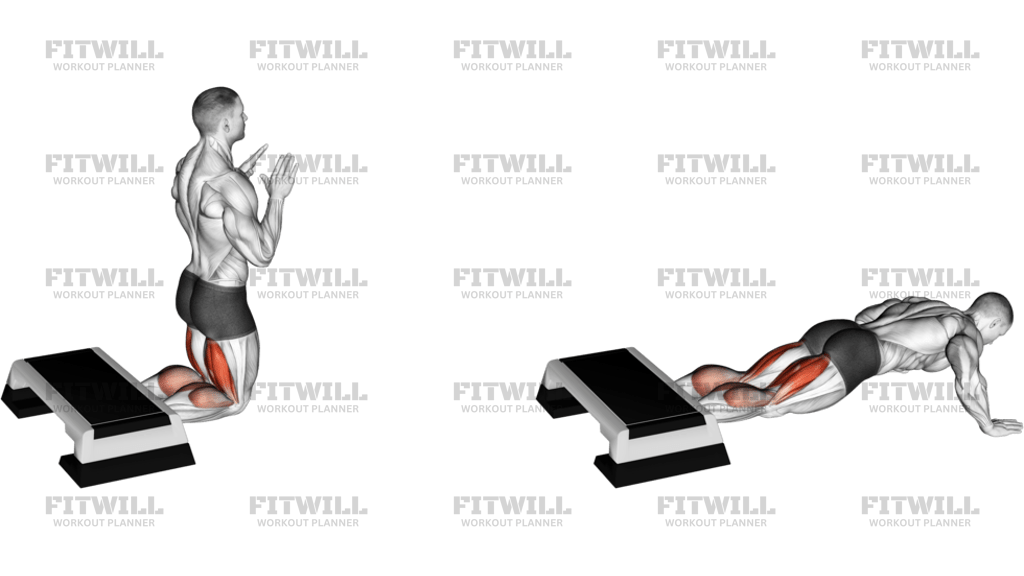
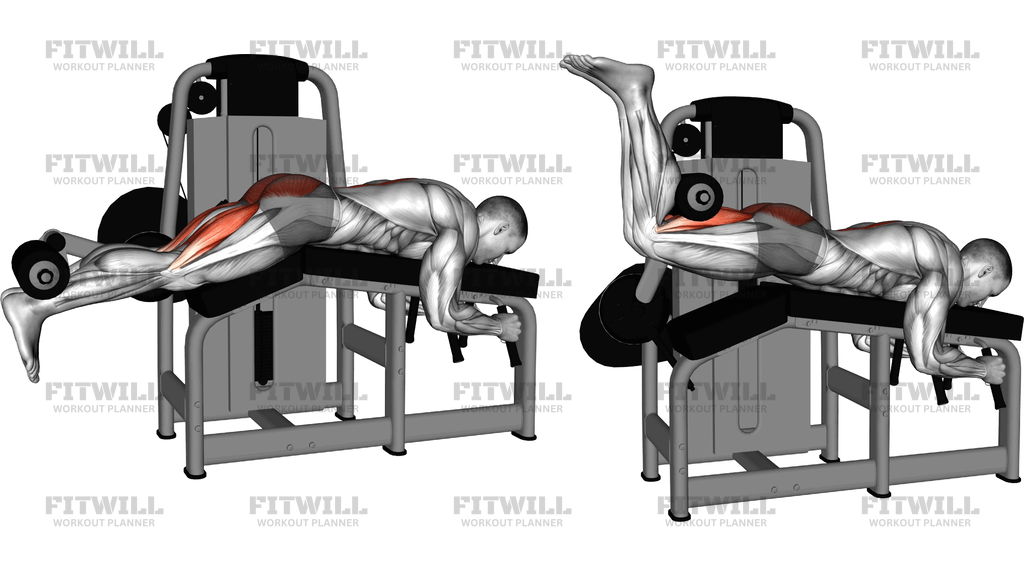
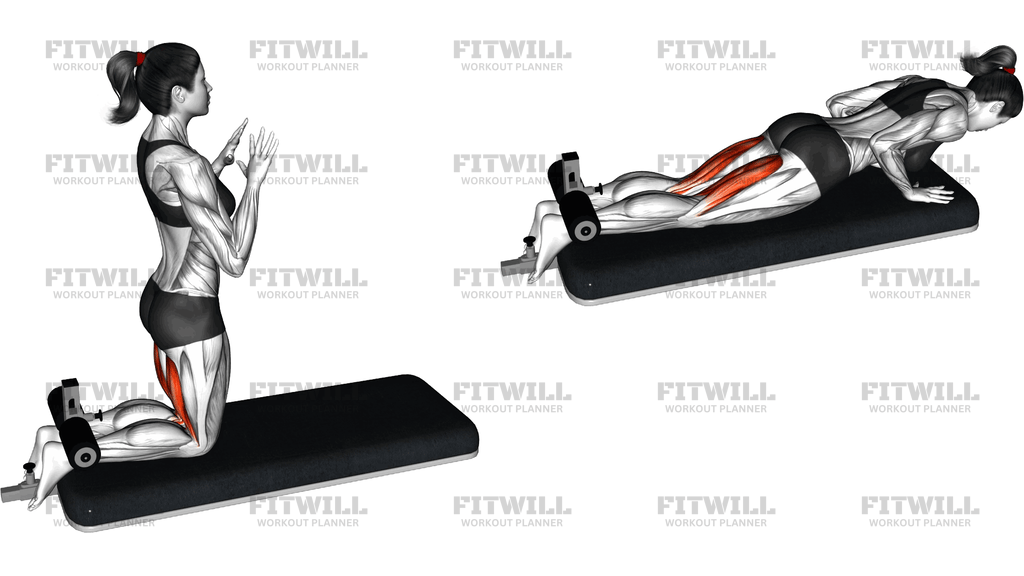
The Inverse Leg Curl With Bench Pads is a bodyweight hamstring exercise that flips the logic of a machine leg curl. Instead of moving a weight with your legs, your ankles are anchored under the padded roller of a bench pad setup while your body becomes the load. You kneel upright with your feet secured, then lower your entire torso toward the pad under control and pull yourself back up using the backs of your thighs. It is essentially the kneeling anchor version of the Nordic curl, using the roller pads and cushioned board to create a stable, repeatable setup.
This movement is one of the most direct ways to load the hamstrings while they lengthen, which is exactly how most hamstring strains happen on the field. Sprinters, soccer and rugby players, and anyone returning from a hamstring tweak benefit from training that eccentric phase deliberately. It also suits lifters who want serious hamstring development without a leg curl machine, since the setup requires little more than the padded bench and the ankle roller.
The hamstrings are the star, but they are not working alone. The glutes help extend the hips as you rise, the calves and feet stabilize your anchor under the roller, and the core has to stay braced so your hips do not sag or shoot forward during the descent. Expect to feel the work concentrated in the middle to lower part of the hamstrings, especially during the slow lowering half of the rep.
The setup matters more here than in most exercises. The roller pad must sit snugly across your ankles, just above the heel, so your feet cannot slip out; if the pad sits too high toward the calf or too loose, your anchor breaks and the rep loses its point. The pad under your knees should be at a height that lets you lower toward it without crashing, and your body should form a straight line from head to knees at the top.
To execute it well, keep your hips extended and your torso rigid like a plank that pivots at the knees. Lower forward over several seconds, catch yourself with your hands on the pad if needed, then drive your hips forward and dig your heels under the roller to pull back up. If you cannot return without pushing off your hands yet, that is normal at first - the lowering portion still builds the strength you need for full repetitions later.
Because the eccentric load is high, treat this like a heavy lift: low reps, full recovery between sets, and no rushing. Two to four sets of three to eight controlled reps is plenty for most people. Done consistently, it builds hamstring strength and resilience that carries over directly to running, jumping, and squatting.
[ Workout Log & Planner ]
Put your next workout in Fitwill
Keep your plan and training log ready when you are.


Instructions
- Position the bench pad on the floor and adjust the ankle roller so it sits just above your heels, leaving the padded surface of the bench in front of you for your knees.
- Kneel onto the pad and hook your feet under the roller with the tops of your feet or ankles pressed firmly against it, then tighten the roller until your feet cannot slip out.
- Sit tall so your knees, hips, and shoulders line up vertically, place your hands at your sides or crossed in front of your chest, and squeeze your glutes.
- Brace your core and keep your body in one straight line from head to knees - no hinging at the hips as you begin.
- Lean forward from the knees and lower your torso toward the bench pad over three to five seconds, resisting the fall with your hamstrings the entire way.
- Catch yourself with your hands on the pad once you can no longer control the descent, keeping your hips from slamming down.
- To return, press lightly off your hands only as much as needed, drive your hips forward, and pull your torso upright by curling your heels under the roller.
- Exhale as you rise, and breathe steadily through the descent rather than holding your breath.
- Reset at the top - re-squeeze your glutes and re-brace - before starting the next repetition.
- Finish the set before your hamstrings can no longer control the lowering speed; do not let reps turn into a free fall.
Tips & Tricks
- The most common mistake is bending at the hips on the way down, which turns it into a hip hinge and takes load off the hamstrings - keep your body one rigid line from shoulders to knees.
- If the roller pad slides or your feet pop out mid-rep, reposition it lower on the ankle just above the heel and cinch it tighter; a loose anchor makes every rep unsafe.
- Pushing hard off your hands turns the exercise into a push-up - use them only to soften the catch, and make your hamstrings do the pull back to vertical.
- Stop the descent a little earlier rather than letting your chest crash into the pad; the last centimeter you control is worth more than the distance you drop.
- Keep your toes pointed down against the roller or floor end so your calves stay engaged in the anchor instead of your foot rolling side to side.
- If your hips drift backward as you lower, your glutes have disengaged - squeeze them hard before the rep starts and hold that squeeze through the descent.
- Progress with reps before tempo: first control a slightly shorter range, then lower a bit deeper over the same three-to-five-second count as you get stronger.
- Because the eccentric load is demanding, space these at least 48 hours from sprinting or heavy deadlift sessions so your hamstrings are not handling two big eccentric stresses back to back.
Frequently Asked Questions
What muscles does the Inverse Leg Curl With Bench Pads work?
The hamstrings do most of the work, both as they lengthen on the way down and as they pull you back up. The glutes, calves, and core contribute as stabilizers and helpers throughout the rep.
Is the Inverse Leg Curl With Bench Pads suitable for beginners?
Yes, but beginners should expect to start with partial reps or a slow controlled descent and a hand-assisted return. Full unassisted reps usually take several weeks to build, and that progression is a normal part of learning the exercise.
Where exactly should the roller pad sit on my ankles?
Just above your heels, over the lower ankle, and tight enough that your feet cannot slide out. If the pad rides up onto your calves, it both reduces your leverage and can slip during the descent.
Why can't I pull myself back up without using my hands?
The concentric part of this movement is the hardest strength demand, especially for newer lifters. Pushing lightly off your hands to assist the return is a standard progression, and the hamstrings still get strong from the controlled lowering.
How is the Inverse Leg Curl With Bench Pads different from a machine leg curl?
In a leg curl you move a load with your legs while your body stays still; here your ankles are fixed and your whole bodyweight moves instead. That makes the hamstring stretch under load much greater, particularly during the lowering phase.
How many sets and reps should I do?
Two to four sets of three to eight controlled reps works well because each rep is demanding. Prioritize a slow, steady descent over chasing higher rep numbers.
Can I substitute this if I don't have the bench pad setup?
A partner can anchor your ankles by kneeling on them, or you can wedge your feet under a loaded barbell with padding. The roller pad version is simply the most secure and comfortable anchor.
How do I know if my hips are breaking form during the rep?
Filming from the side is the quickest check - your head, hips, and knees should stay roughly in one line as you lower. If your hips shoot back or sag forward, re-squeeze your glutes at the top and shorten the range slightly.
Is it normal for my hamstrings to be sore for several days afterward?
Yes, the eccentric loading here commonly produces more lingering soreness than a typical hamstring exercise. Start with low volume in your first few sessions and let soreness settle before the next workout.