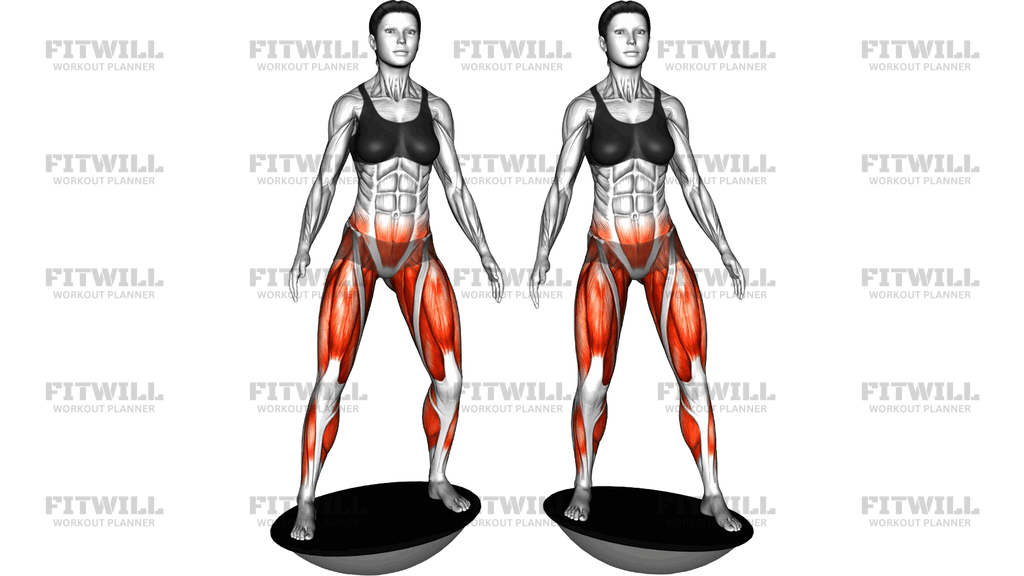
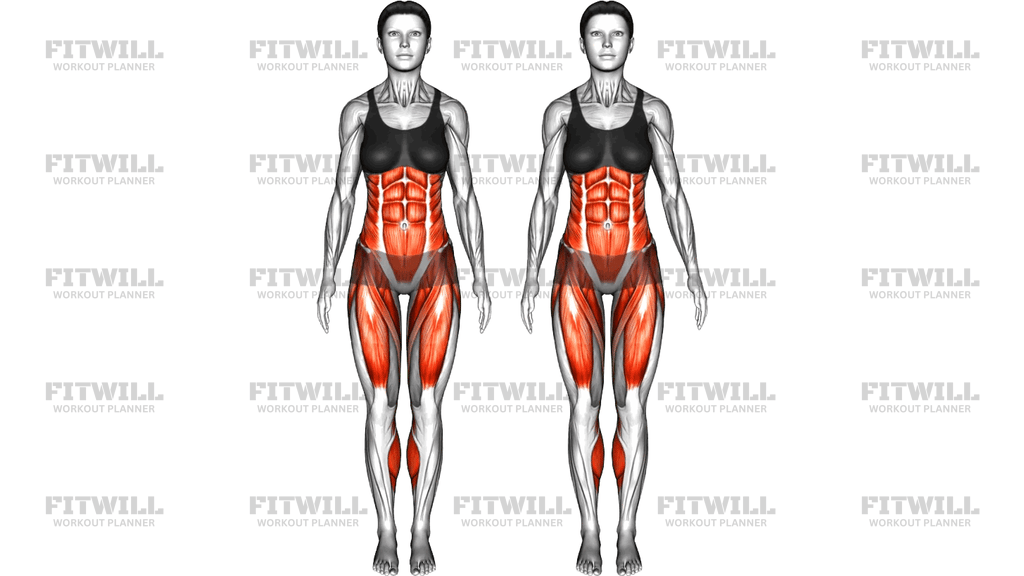
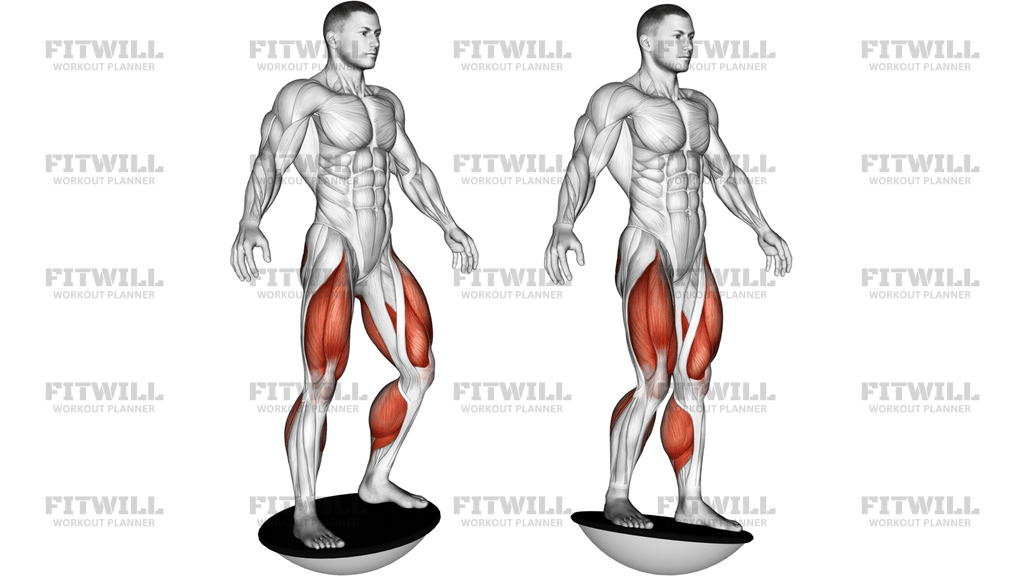
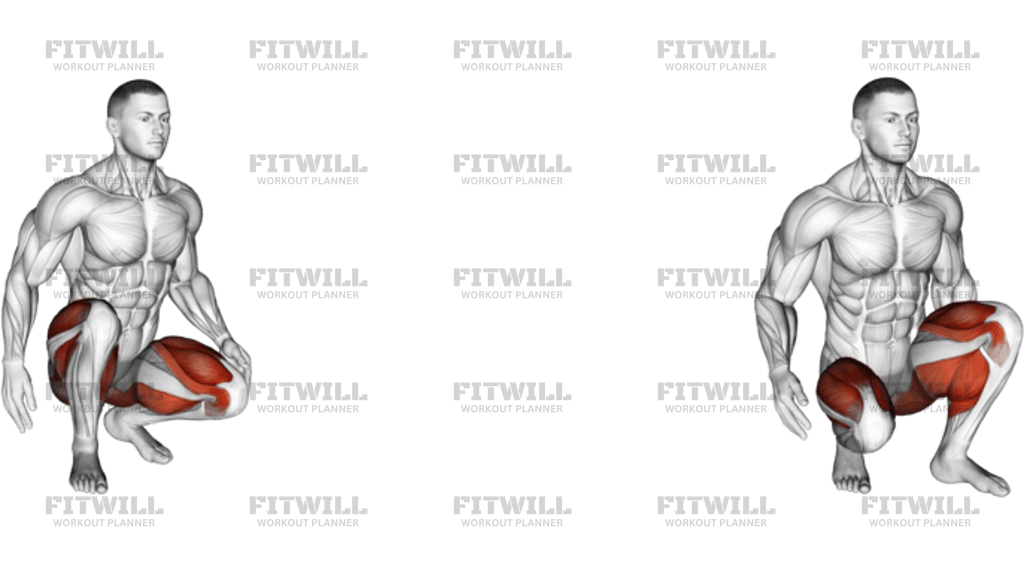
Seated Ankle Circle (Anti Clockwise)
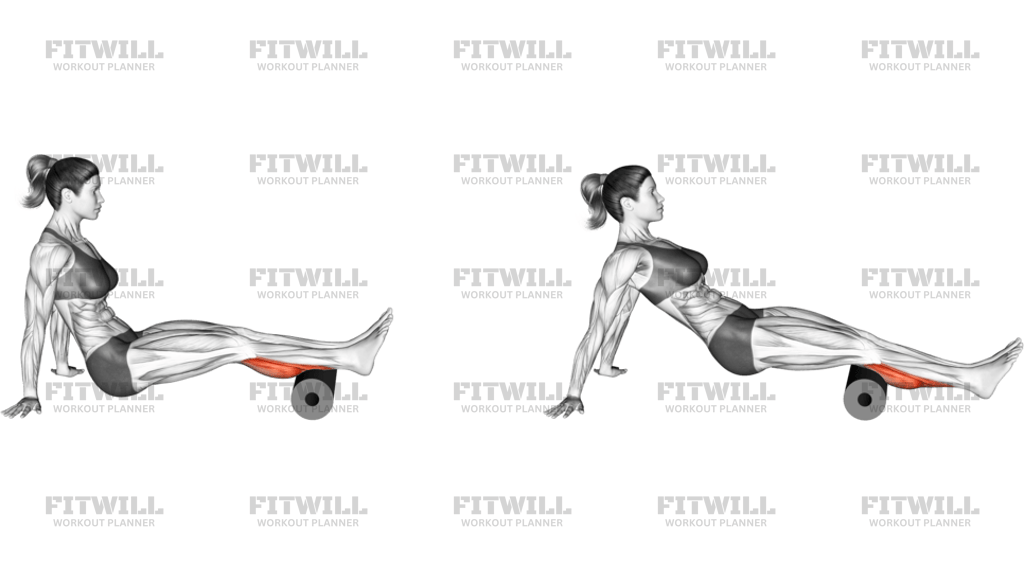
The Seated Ankle Circle (Anti Clockwise) is a simple bodyweight mobility exercise performed sitting on the floor with the legs extended straight in front of you and your palms resting on the ground beside your hips. From this position, you lift one foot slightly off the floor and trace a smooth circle with your toes, rotating in the anti-clockwise direction. Because your bodyweight is fully supported and the knee stays straight, the entire movement is isolated to the ankle joint, making it one of the cleanest ways to take that joint through its full range of motion.
This exercise is useful for almost anyone. Runners and lifters often use it as a warm-up before squats, lunges, or jumping drills, since stiff ankles can quietly limit depth and foot control. It is equally valuable for people who spend long hours sitting or standing in the same shoes all day, both of which tend to leave the ankles feeling stiff and sluggish. Because there is no load involved, it is also a common choice in the early stages of returning to training after an ankle gets tweaked, though any return from injury should follow professional guidance.
In terms of what it trains, the movement primarily challenges the ankle stabilizers — the small muscles and tendons that steer and control the foot, including the tibialis anterior at the front of the shin, the peroneal muscles along the outer lower leg, and the calf muscles at the back. One circle combines plantarflexion, dorsiflexion, inversion, and eversion in a single continuous path, so the foot passes through end ranges that everyday walking rarely touches. The hold with your arms and the tall seated posture also ask for a little quiet core and shoulder involvement to keep you upright.
The setup matters more than it looks. Sitting tall with the legs extended keeps the working knee straight, which stops the thigh and hip from rotating to fake extra ankle range. Your hands on the floor give you just enough support to relax through the leg while keeping the spine long. If you slump backward or let the knee bend, the circle becomes a hip movement and the ankle stops doing the work, which defeats the purpose entirely.
To execute it well, lift the working foot just clear of the floor, then draw the largest circle your ankle allows at a slow, even tempo — as if your big toe was tracing the outline of a dinner plate. The anti-clockwise path means the toes sweep up and outward, then down and across, then back to the start. Keep the leg itself still and let all the motion come from the ankle. When you finish your reps, lower the foot back to the floor, reset your posture, and switch to the other foot.
A few practical points will make this drill worth your time. Move slowly — two to three seconds per circle is about right — because speed turns the exercise into sloppy momentum. Work both directions on each ankle over the course of a session, since the anti-clockwise version alone leaves half the range untrained. Stop or shrink the circle if you feel pinching, and expect only a mild working sensation around the lower leg, never sharp pain.
[ Workout Log & Planner ]
Put your next workout in Fitwill
Keep your plan and training log ready when you are.


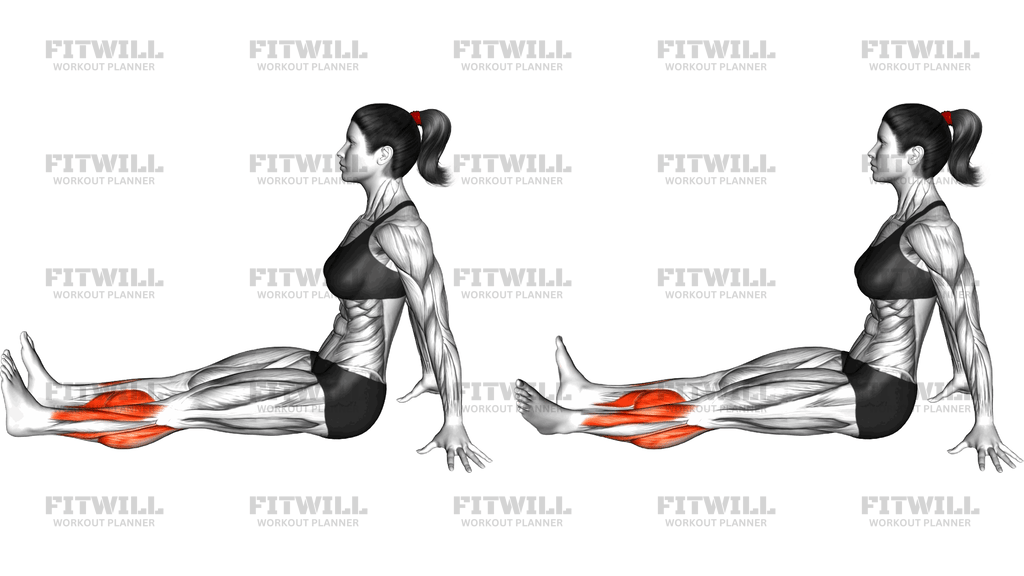
Instructions
- Sit on the floor with both legs extended straight in front of you and your heels resting on the ground.
- Place your palms flat on the floor beside your hips, fingers pointing forward, and sit tall with your chest open.
- Choose the working foot and lift it a few centimetres off the floor so the heel clears the ground, keeping the knee straight.
- Keep the non-working leg relaxed and flat on the floor beside it.
- Brace your core lightly and let your shoulders drop away from your ears so your arms simply support you.
- Begin tracing a circle with your toes, moving anti-clockwise: sweep the toes up and outward, down and across, then back to the start.
- Keep the circle as large as your ankle comfortably allows without bending the knee or twisting the thigh.
- Breathe steadily throughout, exhaling as you complete each full circle.
- Complete your reps at a slow, even tempo, then lower the foot back to the floor and reset before switching legs or direction.
Tips & Tricks
- If the heel scrapes or drags on the floor, the circle shrinks — lift the foot a little higher rather than shortening the arc.
- A common mistake is rotating the whole leg from the hip; watch your kneecap and keep it facing the ceiling so only the ankle moves.
- Slow down if you find yourself rushing — this drill works through control, not speed, and fast circles skip the end ranges entirely.
- Fully point the toes at the bottom of the circle and pull them back toward the shin at the top instead of moving in a small lazy loop.
- If sitting on the floor with a straight back is uncomfortable, raise your hips on a folded mat so your hands reach the ground more easily.
- Do the clockwise version on the same ankle later in the session, since the anti-clockwise path alone leaves the opposite rotation untrained.
- Keep the knee straight but never locked hard back — a soft, straight knee protects the joint while keeping the work on the ankle.
- If you feel a click or pinch inside the ankle, reduce the circle size first; a smaller controlled arc is more productive than a big painful one.
- Ankles are usually stiffest first thing in the day, so take a few practice circles at a smaller range before committing to the full arc.
Frequently Asked Questions
Which muscles does the Seated Ankle Circle (Anti Clockwise) work?
It mainly trains the ankle stabilizers — the tibialis anterior along the front of the shin, the peroneal muscles on the outer lower leg, and the calf group at the back — as they steer the foot through the circular path.
Why is it done seated with the legs straight out in front?
Sitting with extended legs removes your bodyweight from the ankle and keeps the knee straight, so the movement stays isolated in the ankle joint instead of being taken over by the hip or knee.
Why anti-clockwise specifically — does direction matter?
Yes, each direction passes through the ankle ranges in a different order. Train the anti-clockwise circle as prescribed, but include the clockwise version on the same ankle elsewhere in your routine for complete coverage.
Is the Seated Ankle Circle (Anti Clockwise) a strength or stretching exercise?
It sits in between — it is primarily a mobility drill that also builds light muscular endurance in the ankle stabilizers, which is why it works well in both warm-ups and cool-downs.
How many circles should I do per foot?
Around 10 to 15 smooth circles per direction per ankle is a solid starting point, taking two to three seconds per circle so every part of the arc is controlled.
What is the most common mistake with this exercise?
Letting the whole leg rotate from the hip, which fakes a bigger circle than the ankle actually produces. Keep the kneecap facing up and watch that the knee and thigh stay completely still.
Can beginners do the Seated Ankle Circle (Anti Clockwise)?
Absolutely — it is bodyweight only, requires no equipment, and the floor position makes it easy to control. Beginners often benefit the most because it builds foot awareness that carries into squats, lunges, and running.
When is the best time to include this drill?
Use it as part of your warm-up before lower-body training or running, or as a short reset during long periods of sitting when the ankles feel stiff and heavy.
Should I feel pain while circling the ankle?
No. A mild working sensation around the lower leg is normal, but sharp pain, pinching, or persistent clicking means you should reduce the circle size and, if it continues, get the ankle assessed before loading it.
Can I do this for both ankles in the same session?
Yes — finish the anti-clockwise circles on one foot, lower the leg, reset your posture, and repeat on the other side so both ankles get equal work.