Seated Marching On A Chair
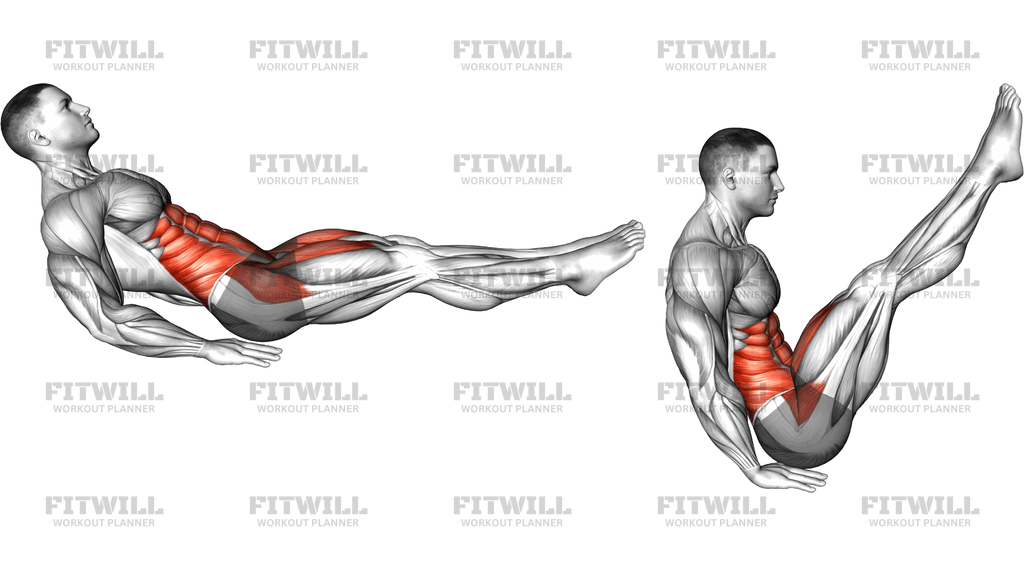
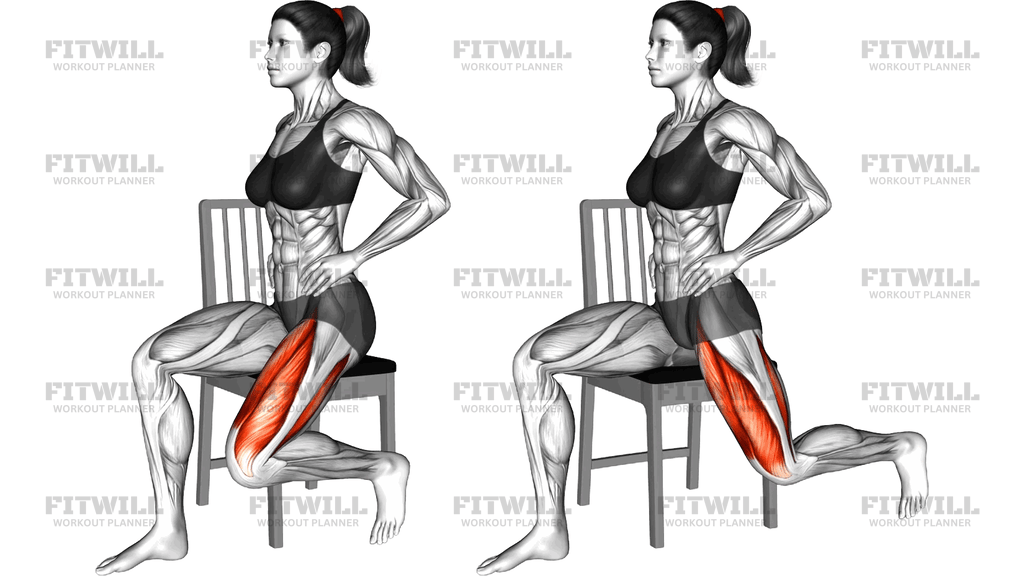
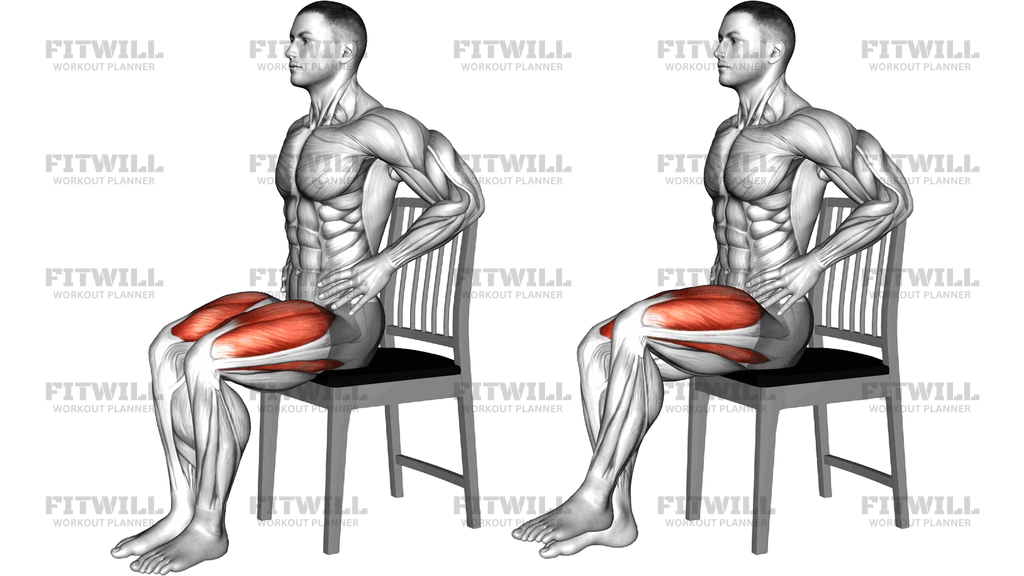
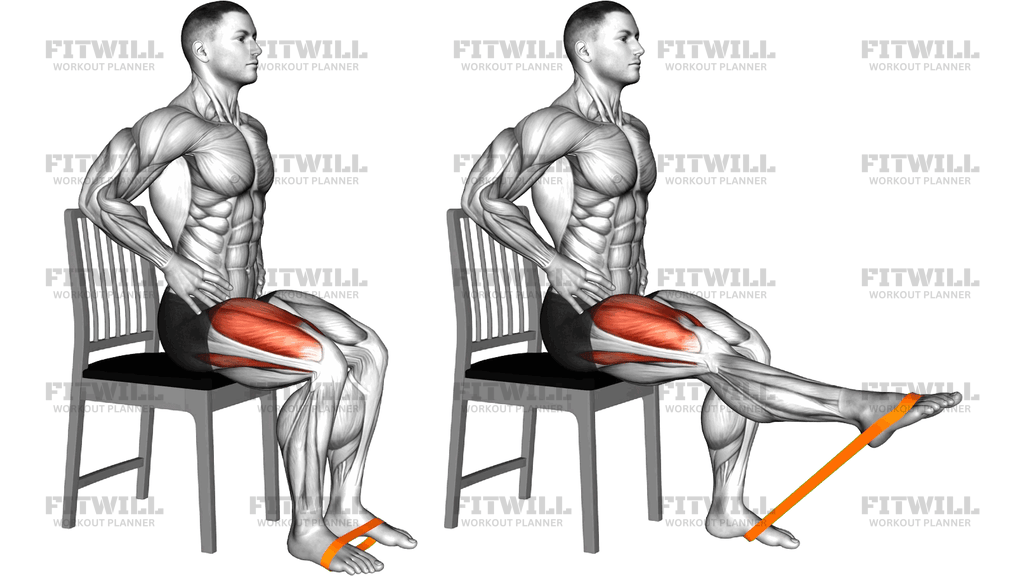
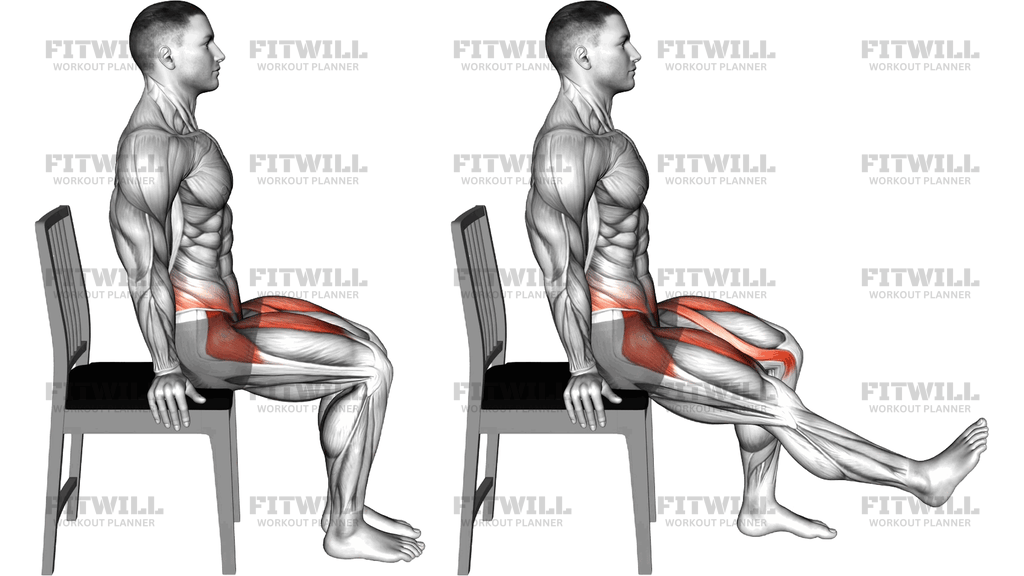
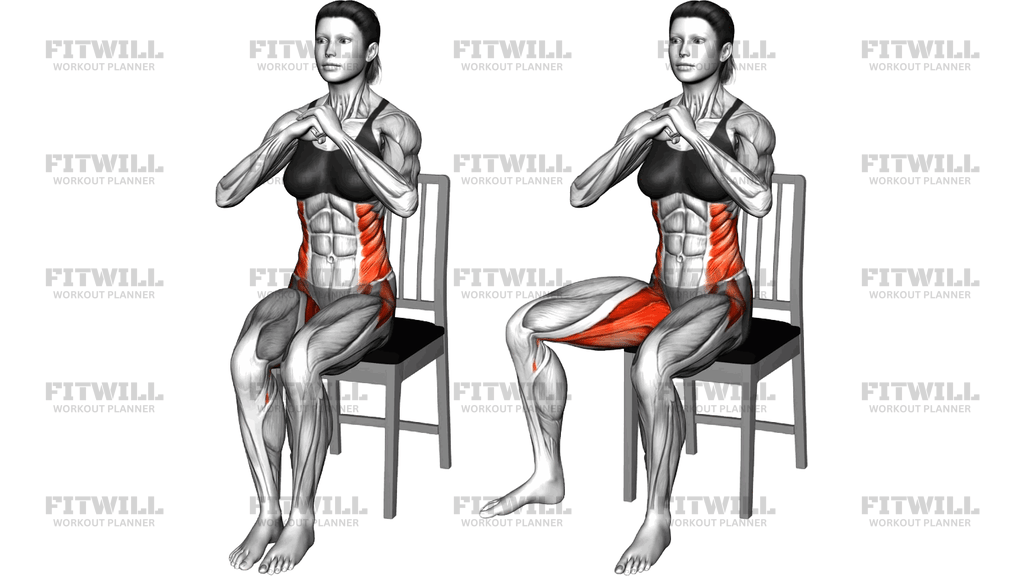
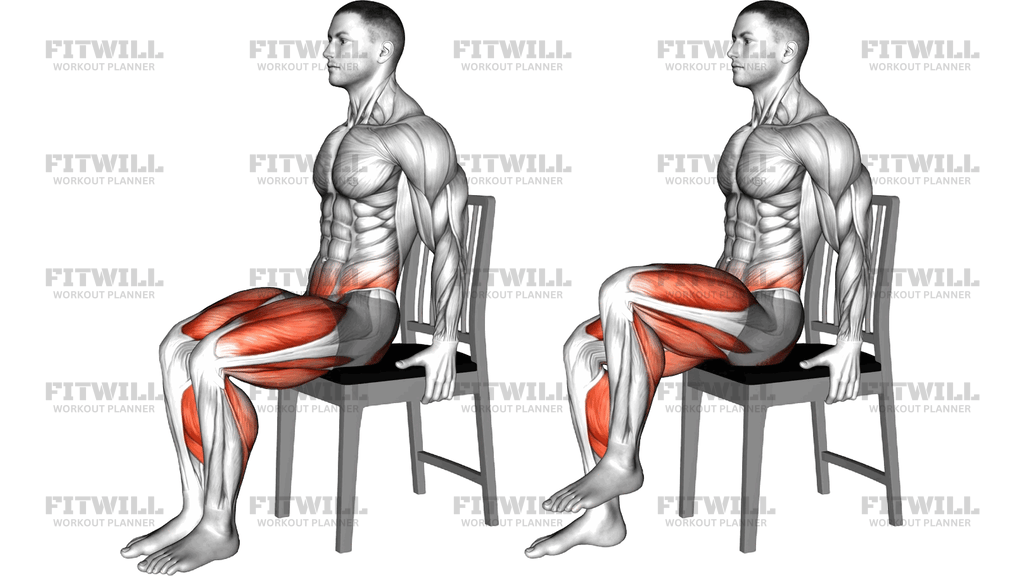
Seated Marching On A Chair is a low-impact drills-style movement where you sit upright on a sturdy chair and alternately lift each knee toward your chest, as if marching in place while seated. Your hands rest on the front edge of the seat beside your hips for balance and light support, and your torso stays tall throughout. It looks simple, but done with intent it trains the hip flexors through a real range of motion while the trunk works to keep you steady.
This movement is especially useful for people who need effective exercise without getting down to the floor or loading the joints. It suits older adults rebuilding leg strength and confidence, anyone in early rehabilitation after a layoff, office workers breaking up long sitting periods, and lifters who want a targeted warm-up for the hips before squats or lunges. Because the chair takes over the balance demands of standing, you can focus entirely on controlled knee drive and posture.
The primary work comes from the hip flexors, mainly the iliopsoas, which lift the thigh each rep. The quads assist as the knee travels up, the calves and lower legs stay active as the foot clears the floor, and the lower abs and deep core stabilize your pelvis so your lower back does not arch and sway with each lift. The shoulders and arms contribute lightly through your contact with the seat.
Setup matters more than it appears. A stable, armless chair with a firm seat puts your hips slightly higher than your knees and gives your hands a secure place to grip. Sit tall on your sit bones rather than slouched into the backrest, with feet flat and roughly hip-width apart. From that position, exhale and lift one knee up toward your chest to about hip height or as high as you can without leaning back, pause briefly, lower it under control, then drive the other knee up.
Keep the rhythm deliberate rather than rushed. A controlled tempo, one to two seconds up and one to two seconds down, keeps the hip flexors doing the work instead of momentum. Aim for continuous alternating reps for time, such as 30 to 60 seconds per set, or for a set rep count per side. If you want more challenge, slow the tempo, add a brief pause at the top, or extend the set duration.
The main form priorities are staying tall, avoiding a backward rock as each knee rises, and keeping the lifting foot relaxed instead of scraping the floor. If you feel pinching at the front of the hip, reduce the lifting height rather than forcing the knee higher. Stop and adjust your seat or posture if you find yourself sliding forward on the seat or using your arms to heave each rep up.
[ Workout Log & Planner ]
Put your next workout in Fitwill
Keep your plan and training log ready when you are.


Instructions
- Choose a sturdy, armless chair with a firm seat and place it on a non-slip surface so it cannot slide during the set.
- Sit tall on the front half of the seat with your sit bones planted, knees bent about 90 degrees, and both feet flat on the floor hip-width apart.
- Place your hands on the front edge of the seat on either side of your hips with your fingers pointing forward, and grip lightly for balance rather than support.
- Brace your core gently, lengthen your spine, and look straight ahead so your head, ribcage, and pelvis are stacked.
- Exhale and lift one knee up toward your chest to roughly hip height, keeping your torso upright and your foot relaxed under the knee.
- Pause for a beat at the top, then lower that foot back to the floor with control, placing it fully flat before switching.
- Drive the opposite knee up in the same way and continue alternating legs in a smooth marching rhythm.
- Breathe steadily throughout: exhale as each knee lifts, inhale as it lowers.
- Maintain a tempo of about one to two seconds up and one to two seconds down, letting the hip flexors do the lifting instead of momentum.
- Finish the set by placing both feet flat, releasing your grip from the seat, and sitting tall for a few breaths before standing or starting the next set.
Tips & Tricks
- A common mistake is rocking the torso backward as each knee rises; if you notice this, lift the knee slightly lower and think about keeping your ribcage stacked over your pelvis.
- Avoid slumping into the backrest, which rounds the lower back and shortens the hip flexor range; sit on the front half of the seat so your own posture holds you up.
- Do not let the working foot scuff or drag across the floor; actively clear it a few centimeters as the knee travels up.
- If your lower back arches and sways with each rep, lighten your core brace and reduce the range until your pelvis stays still.
- Resist pushing off the seat with your hands; your grip is for balance only, and if you need to heave yourself up each rep, the set is too long or too fast.
- Slow the tempo before adding height or duration; a two-second lift with a pause at the top challenges the hip flexors more than fast, loose reps.
- Check that the chair does not slide forward as you drive your knees; if it moves, use a heavier chair or set it against a wall.
- If you feel a pinch at the front of the hip, do not force the knee higher; lower the range and keep the movement smooth and pain-free.
Frequently Asked Questions
What muscles does Seated Marching On A Chair work?
The hip flexors, especially the iliopsoas, do the main work of lifting each knee. The quads assist, the calves help clear the foot, and the lower abs and core stabilize your pelvis throughout the set.
Is Seated Marching On A Chair good for beginners?
Yes, it is one of the most accessible lower-body movements because the chair removes the balance demands of standing marches. Beginners can start with 20 to 30 seconds of slow, controlled reps and build from there.
How high should I lift my knees during Seated Marching On A Chair?
Aim for roughly hip height, but only as high as you can go without leaning back or arching your lower back. A slightly shorter range with a tall torso is better than forcing the knee up and rocking your body.
Can Seated Marching On A Chair count as cardio?
When performed continuously for 30 seconds or longer at a steady rhythm, it raises the heart rate enough to serve as gentle low-impact cardio. Slower, paused reps shift it more toward strength and mobility work for the hips.
Why do my hands keep doing the work instead of my hips?
You are likely pressing or pulling on the seat edge to drive each knee up. Rest your hands on the seat for balance only, and if lifting without arm assistance is too hard, reduce the height or pace of each knee drive.
What kind of chair should I use?
Use a stable, armless chair with a firm, flat seat and no wheels, ideally with your hips level with or slightly above your knees. Soft couches and swivel chairs make the setup unstable and encourage slouching.
Can I make Seated Marching On A Chair harder?
Slow the tempo to three seconds per rep, add a two-second pause at the top of each knee lift, or extend your sets past 60 seconds. You can also hold the top position and extend the lower leg briefly to add quad work.
Is it safe if I have hip or knee issues?
The movement is generally gentle because the chair supports your weight, but keep the range pain-free and stop if you feel sharp pain or pinching at the front of the hip. Check with a qualified professional if you are recovering from surgery or a recent injury.
What can I use instead of a chair?
A sturdy bench, the edge of a stable bed, or a firm ottoman works as long as it lets you sit tall with your feet flat and gives your hands a secure surface beside your hips. Avoid anything that wobbles, rolls, or sinks under your weight.
Should my feet stay flat between reps?
Yes, lower each foot fully to the floor before driving the opposite knee up. Tapping the floor lightly keeps the rhythm even and prevents you from bouncing your legs off momentum.