Arms Swing Butt Kick
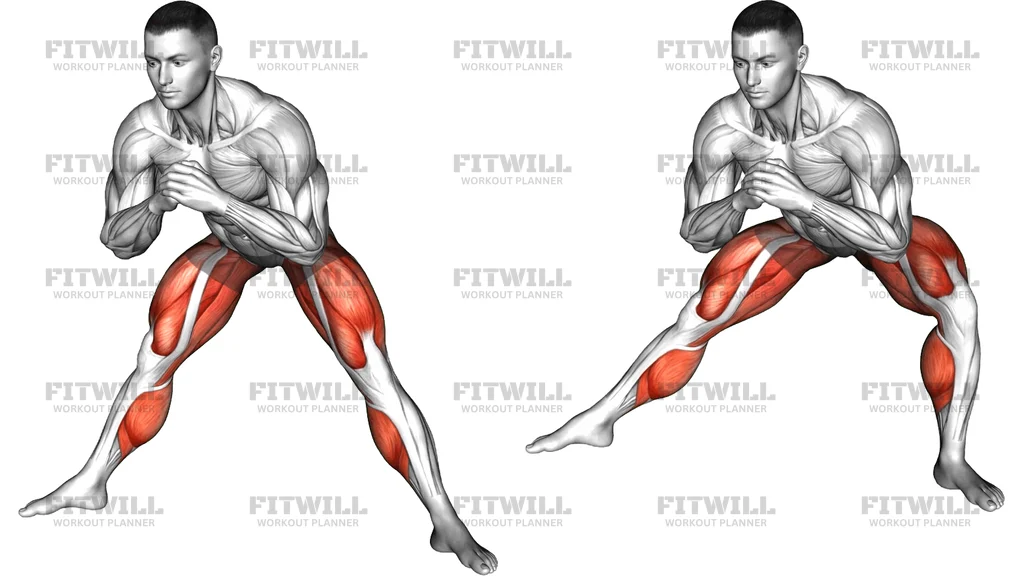
Arms Swing Butt Kick is a standing, body-weight warm-up drill that combines an alternating heel-to-glute kick with a coordinated arm swing held at shoulder height. You stand tall with your feet set wider than hip width, extend both arms straight in front of you, and rhythmically flick one heel back toward your backside at a time while your arms move with or across the rhythm of your legs. Because both the arms and legs stay in motion, the drill raises your heart rate quickly while loosening the hips, knees, and ankles.
This movement is most useful as a dynamic warm-up before running, sprinting, jumping, or leg training. Butt kicks specifically prepare the hamstrings for the folding action they perform during sprinting, while the extended arms add a balance and shoulder-endurance element that a plain butt kick lacks. It also works well as an active recovery drill between rounds in circuit training, or as a low-impact cardio option on days when you want to keep moving without loading the joints.
The main muscles at work are the hamstrings, which pull each heel up toward the glutes, with support from the calves and quadriceps as you land softly between reps. Holding the arms forward and swinging them recruits the shoulders and upper back isometrically, and your core stays engaged the whole time to keep your torso upright and prevent leaning as your legs cycle underneath you.
Setup matters more than it looks. A stance that is too narrow makes the drill feel wobbly and shortens the kick, while standing too tall and rigid turns it into a stiff march. Aim for a stable, slightly widened base, a tall spine, and relaxed shoulders with the arms reaching forward at roughly shoulder height. From there, the kick should come from the hamstring contracting, not from the foot just flopping backward.
To execute it well, shift your weight subtly onto one leg, flex the opposite knee, and lift that heel up toward or against your glute, then switch legs in a steady rhythm. Keep the knees pointing down toward the floor rather than drifting forward, and let your arms swing naturally in rhythm with the legs. Stay on the balls of your feet with quick, light contacts, as if the floor were slightly hot.
A few practical points keep this drill safe and effective. Start at a moderate tempo to establish coordination before speeding up, keep your core braced so your lower back does not arch as each heel comes up, and stop if you feel any pinching at the front of the knee. Because it is low load and repetitive, it is an approachable drill for almost anyone, but quality of rhythm matters far more than speed.
[ Workout Log & Planner ]
Put your next workout in Fitwill
Keep your plan and training log ready when you are.


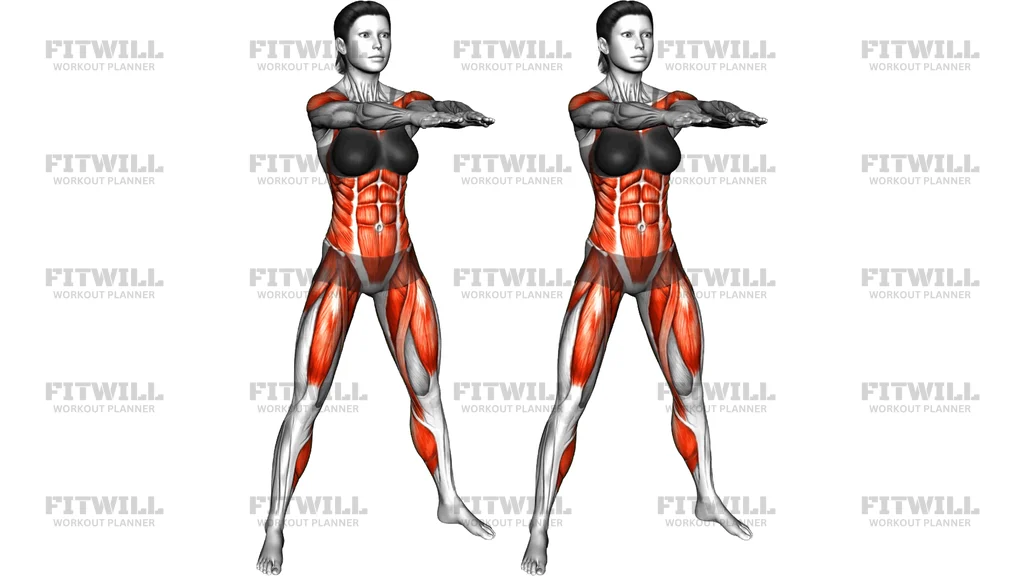
Instructions
- Stand tall with your feet slightly wider than hip width apart, toes pointing forward, and your weight balanced across the balls of both feet.
- Extend both arms straight out in front of you at shoulder height, palms facing down, and relax your shoulders away from your ears.
- Brace your core lightly and lift your chest so your torso stays upright throughout the drill.
- Shift your weight onto one leg, then flex the opposite knee and lift that heel up toward your glute in a quick butt-kick motion.
- Lower that foot back to the floor under control and immediately kick the opposite heel toward your glute, establishing an alternating rhythm.
- Let your arms swing in coordination with your legs, either in rhythm with each kick or gently crossing in front of your chest as the legs alternate.
- Breathe steadily throughout, inhaling and exhaling in a natural rhythm rather than holding your breath as the tempo rises.
- Stay light on your feet, landing on the balls of your feet with soft knees between each kick.
- Continue for your chosen time or rep count, then slow the tempo down for a few reps before stopping to reset your stance.
Tips & Tricks
- If your heels never actually reach toward your glutes, the issue is usually a tight quadriceps or a lazy hamstring pull — focus on actively flexing the knee rather than flicking the foot backward.
- Do not let your torso rock side to side as you switch legs; widening your stance slightly and bracing your core will steady the rhythm.
- Keep your knees pointing down toward the floor. If your knees drift forward with each kick, you have turned the drill into a high-knee motion instead of a butt kick.
- Holding the arms straight out for long sets fatigues the shoulders quickly. If your arms drop, either shorten the set or lower them slightly rather than letting your upper back round.
- Land quietly. Loud, heavy foot contacts mean you are stomping instead of staying on the balls of your feet, which beats up the knees and ankles.
- Start slower than feels necessary. Most coordination mistakes happen when people chase speed before the alternating leg-and-arm pattern is grooved.
- If you feel tightness at the front of your thigh or hip, reduce the height of the kick for the first several reps and let the range build as the muscles warm up.
- Use this drill in short bursts of 20 to 40 seconds as a warm-up; dragging it out too long turns a crisp activation drill into sloppy, tired reps.
Frequently Asked Questions
What muscles does the Arms Swing Butt Kick work?
The hamstrings do the main work of lifting each heel toward the glutes, with the quads and calves assisting between kicks. Holding and swinging the arms at shoulder height also engages the shoulders and upper back, while the core stabilizes your torso throughout.
Is the Arms Swing Butt Kick good for beginners?
Yes, it is a low-load, low-skill drill that beginners can perform at a slow tempo right away. Start with a moderate pace and a smaller kick range, then build speed and height as the alternating pattern feels natural.
Why are the arms extended forward during Arms Swing Butt Kicks?
The forward arm position adds a balance challenge and keeps the shoulders and upper back active while the legs move underneath you. Swinging the arms with the kicks also builds coordination between the upper and lower body, which carries over to running.
How is this different from a regular butt kick run?
In a regular butt kick run you pump your arms as if sprinting and often travel forward. In the Arms Swing Butt Kick you stay in place with a wider stance and the arms held or swung at shoulder height, which makes it more of a controlled coordination and warm-up drill.
How wide should my stance be?
Set your feet slightly wider than hip width so you have a stable base to alternate kicks without wobbling. If you feel unstable or your torso starts rocking, widen a little more; if the drill feels sluggish, narrow slightly.
How long should I perform the Arms Swing Butt Kick?
As a warm-up, 20 to 40 seconds of continuous alternating kicks is usually enough to raise your heart rate and prime the hamstrings. In circuit training, you can go 30 to 60 seconds, as long as your form and rhythm stay clean.
My heels never touch my glutes — is that a problem?
No, contact is not required. The goal is an active knee flexion driving the heel toward the glutes, and tight quads or hip flexors often limit the range. Kick as high as your flexibility allows while keeping your torso tall and knees pointing down.
Can I use the Arms Swing Butt Kick as a cardio exercise on its own?
Yes. Performed continuously at a brisk tempo, it elevates your heart rate enough to serve as a light cardio interval, and it is gentle on the joints compared to jumping drills.
Is it safe for my knees?
For most people, yes, because the drill is low impact and the knee only flexes, which is a natural motion. Keep the kicks behind your body, land softly on the balls of your feet, and avoid the drill if you have an active knee injury or feel pinching during the movement.
What can I substitute if standing on one leg is difficult?
Hold onto a wall or sturdy support with one hand and drop the arm swing, or slow the drill down to a controlled march while still pulling each heel toward your glute. Both options keep the hamstring activation while reducing the balance demand.