Single Leg Support Balance
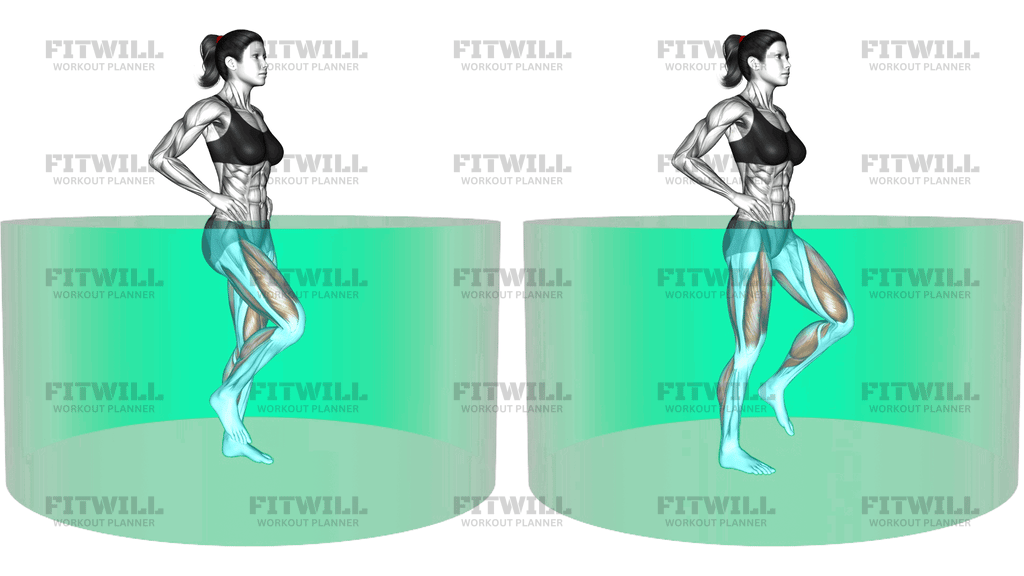
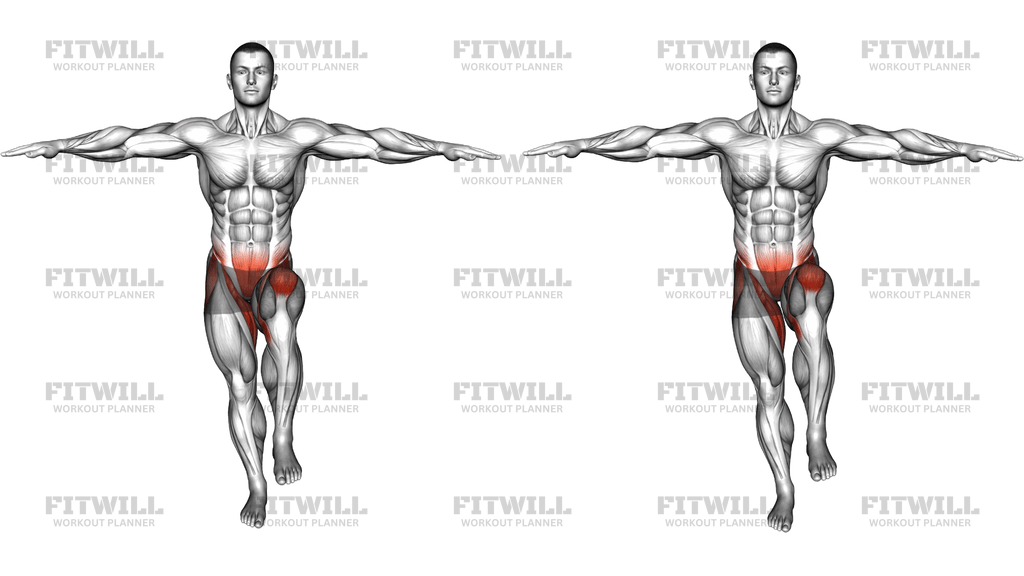
Single Leg Support Balance is a body weight stability drill where you stand on one leg with your arms extended straight out to your sides at shoulder height, while the other foot hovers off the floor. It looks almost too simple to matter, but holding that position for even twenty or thirty seconds exposes exactly how well your hips, ankles, and trunk work together. The standing leg has to manage every bit of sway your body produces, and the outstretched arms act like a balancing pole that makes small corrections visible and controllable.
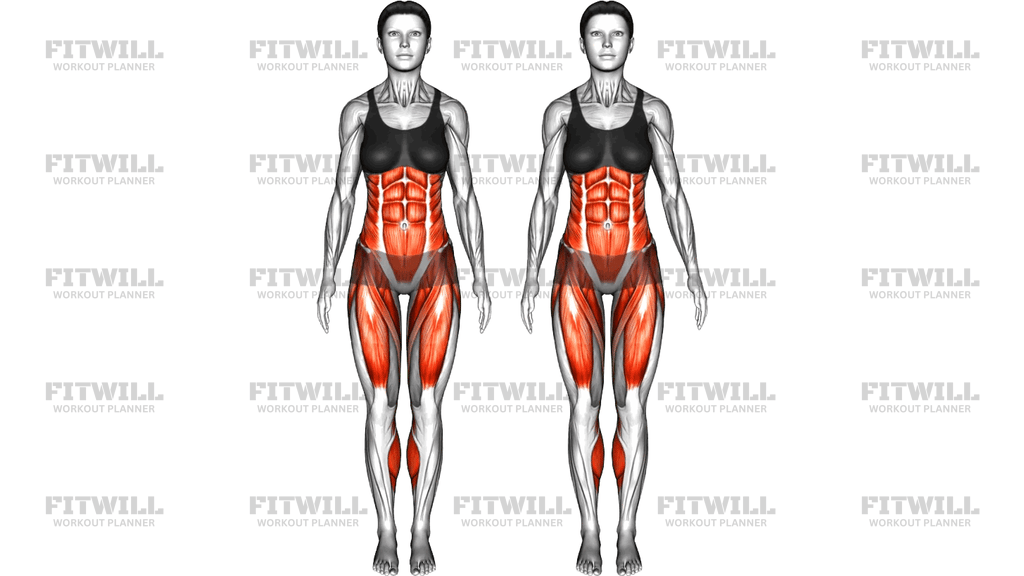
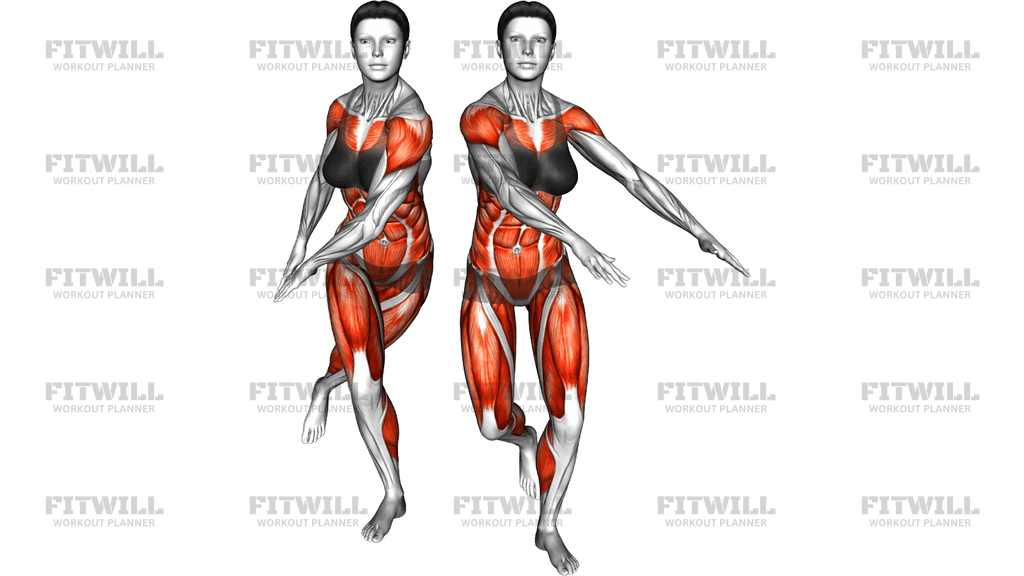
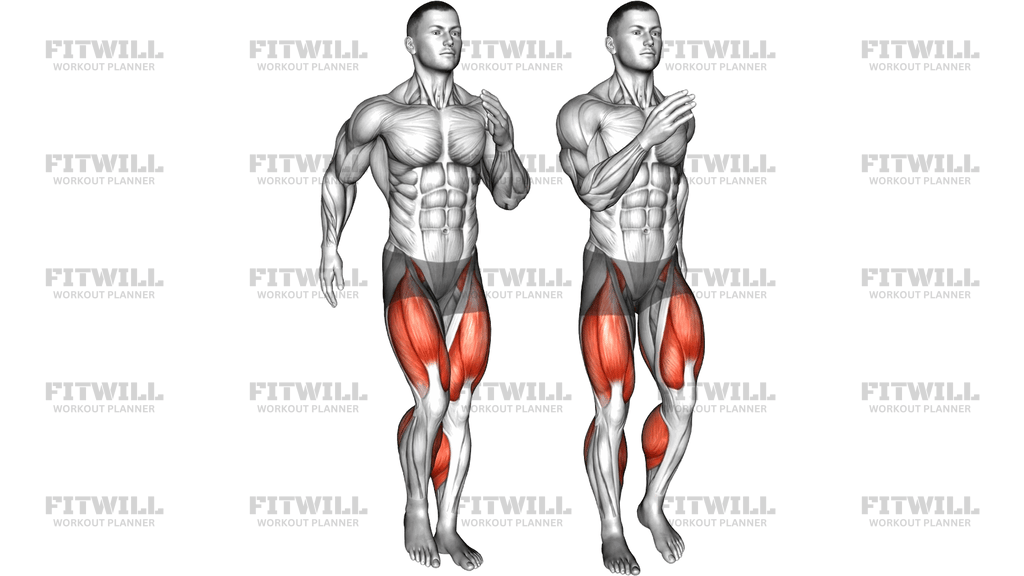
The main work happens in the hip of the supporting leg, particularly the gluteus medius and surrounding hip stabilizers that keep your pelvis level instead of letting it dip toward the lifted side. Your ankle stabilizers constantly make micro-adjustments through the foot, and your core ties the upper and lower body together so your torso stays stacked over your hip. The highlighted area around the hip and lower torso reflects where the demand is concentrated: keeping the pelvis square and the spine tall on one narrow base of support.
This movement is useful for almost anyone. Beginners use it to build the baseline balance that makes squats, lunges, and step-ups feel more secure. Older adults use it because single-leg stance is one of the strongest practical markers of fall resistance. Runners, field sport athletes, and lifters use it to even out side-to-side differences, since each leg has to earn its stability on its own without the other one compensating.
Setup matters more than most people expect. Start with your weight distributed across the whole foot of the standing leg, big toe pressed into the floor, and a tall spine before you even lift the other foot. If you begin the hold already leaning or with a collapsed arch, you will spend the entire set fighting your own starting position. Lift the free foot only as high as you can control, keep the knee of the standing leg soft rather than locked, and let your arms stay level with the floor instead of drifting upward.
To execute it well, find a fixed point at eye level to gaze at, lift the free leg, and hold without letting your hips rotate or your torso tilt. Wobble is normal and actually productive; the small corrective contractions are what train the stabilizers. The goal is quiet, minimal sway that gets smaller over weeks of practice, not perfect statue-stillness from day one.
Practically, this exercise fits well as a warm-up primer before lower body training, as a stand-alone balance block two or three times per week, or as a daily habit near a wall for safety. Start with twenty to thirty seconds per side and progress by extending the hold or closing your eyes once you are steady. If balance is very limited, keep a fingertip on a wall or doorway rather than abandoning the drill.
Fitwill
Log Workouts, Track Progress & Build Strength.
Achieve more with Fitwill: explore over 9600 exercises with images and videos, access built-in and custom workouts, perfect for both gym and home sessions, and see real results.
Start your journey. Download today!




Instructions
- Stand tall with your feet about hip-width apart, arms hanging relaxed at your sides, and pick a fixed point at eye level to focus on.
- Shift your weight fully onto one leg, pressing the big toe, ball, and heel of that foot evenly into the floor.
- Raise the other foot off the floor, letting the free knee bend slightly so the foot hovers beside or just behind the standing leg.
- Extend both arms straight out to your sides at shoulder height, palms facing down, so they form a level line across your shoulders.
- Brace your abdominal muscles lightly and keep your ribs stacked over your pelvis; avoid leaning your torso sideways or backward.
- Keep a soft, slightly bent knee on the standing leg and hold this position for your target time, breathing steadily through your nose.
- If you start to drift, correct by pressing through the big toe and leveling your hips rather than swinging your arms or hopping.
- When the hold is finished, lower the free foot back to the floor with control, shake out the standing leg, then switch sides.
- Rest briefly between sides and repeat for the desired number of sets, keeping the same hold time on each leg.
Tips & Tricks
- The most common mistake is letting the pelvis drop toward the lifted leg. Think of pushing the standing-leg hip outward and leveling your belt line, which directly loads the gluteus medius.
- Do not lock the knee of the supporting leg. A locked knee makes the ankle do all the correcting; a soft knee lets the hip and thigh share the work.
- Keep both arms truly horizontal. Raising them above shoulder height or dropping them changes your center of gravity and makes the hold either unfairly hard or uselessly easy.
- If your toes grip and claw the floor, reset your foot so your weight spreads across the whole sole. Excessive toe gripping is a sign the ankle is overwhelmed.
- Resist the urge to look around. Your gaze is part of the balance system; fixing it on one spot for the whole hold noticeably reduces sway.
- When you wobble, correct slowly and minimally instead of making big swinging motions. Large corrections teach your body to overshoot.
- Practice near a wall or doorway at first, but touch it with one fingertip only when needed. Hovering your hand near support without touching builds confidence honestly.
- Once thirty seconds per side feels easy, progress by closing your eyes or by standing on a folded towel, both of which challenge the ankle stabilizers further.
- Switch which leg you start with every session so your weaker side gets trained first and doesn't always coast on fresh balance.
Frequently Asked Questions
Which muscles does the Single Leg Support Balance actually work?
The primary demand falls on the gluteus medius and other hip stabilizers of the standing leg, with strong contributions from the ankle stabilizers and the deep core muscles that keep your torso stacked. It is a coordination and endurance drill for these muscles, not a maximal strength builder.
Why are the arms extended out to the sides in the Single Leg Support Balance?
The outstretched arms widen your effective base of support like a tightrope walker's pole, making it easier to feel and correct side-to-side sway. They also give you a consistent position so every hold is trained the same way.
Can beginners do the Single Leg Support Balance safely?
Yes, and it is one of the best starting points for balance training. Stand next to a wall or doorway and keep a fingertip nearby for emergency contact, reducing how often you touch it as your holds get steadier.
How long should I hold the Single Leg Support Balance on each leg?
Aim for twenty to thirty seconds per side when starting, completing two or three holds per leg. Once you can hold thirty seconds with minimal sway, progress to longer holds, eyes closed, or an unstable surface.
My hips keep tilting during the Single Leg Support Balance. What is going wrong?
A dropping hip on the lifted-leg side usually means the gluteus medius of the standing leg is fatigued or under-recruited. Shorten the hold, focus on leveling your belt line, and consider adding targeted side-lying hip work to build that muscle up.
Should the free leg be straight or bent during this exercise?
A slightly bent knee with the foot hovering beside the standing leg is the standard position and keeps the drill about balance rather than flexibility or hip strength. Straightening or raising the free leg is a legitimate progression once the basic hold is solid.
What can I substitute if I struggle with the Single Leg Support Balance?
Start with a two-leg stance and simply shift most of your weight onto one foot while keeping the other toe lightly touching the floor. Progress to lifting the toe, then lifting the whole foot, before returning to the full arm-extended version.
Is it bad if I wobble a lot during the Single Leg Support Balance?
No, moderate wobble is expected and useful, because the corrective contractions are exactly what train your stabilizers. However, if you wobble so much that you must hop or touch down repeatedly, reduce the hold time until you can stay in position cleanly.
How often should I practice the Single Leg Support Balance?
Two to four sessions per week works well, and because the load is light, many people also do it daily as a short habit. Leave enough recovery between hard sessions that the standing leg does not start each hold already fatigued.
Is a single-leg balance hold safe for people with knee or ankle issues?
It is generally low load, but any existing joint pain, recent injury, or significant instability should be cleared with a qualified professional first. Use a nearby support and keep the standing knee soft to reduce joint stress while you build control.