Alternate Forward Step Arm Swing
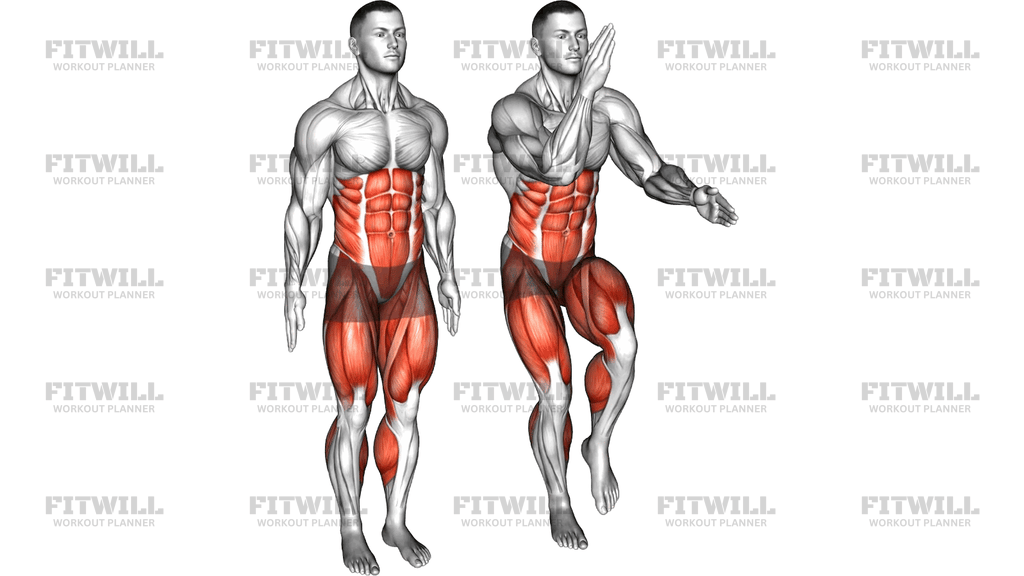
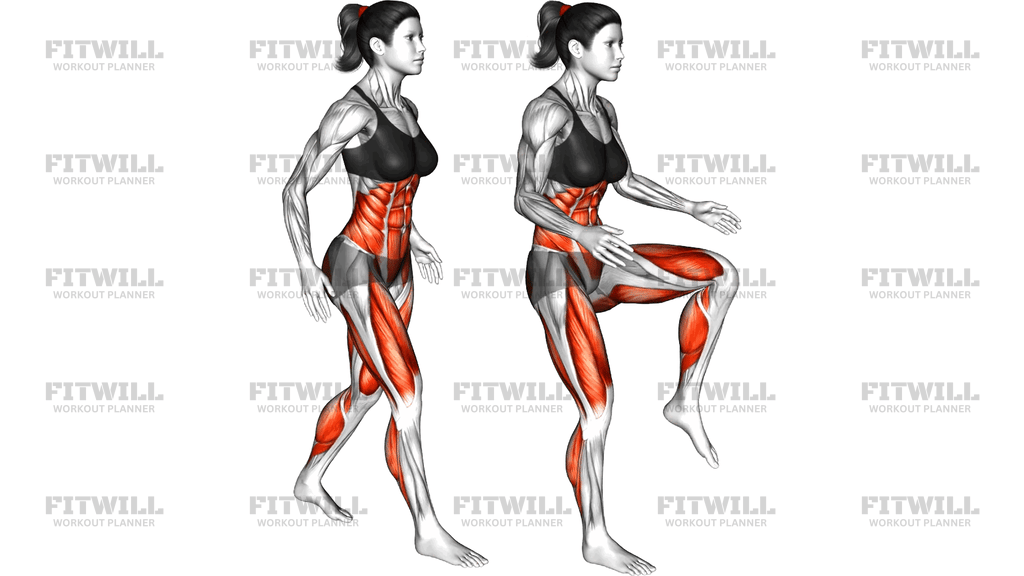
Alternate Forward Step Arm Swing is a standing, body-weight drill where you step one foot forward at a time while letting your arms swing naturally in opposition, the same way they do when you walk or run. Each step lifts the front thigh and plants the foot ahead of your body, then you return to a tall standing position and repeat with the other leg. The rhythm should feel like marching in place with a deliberate forward reach, and the arms counterbalance the legs so the whole body moves as one coordinated unit.
Because it requires no equipment and very little space, this movement works well as a dynamic warm-up before lower-body training, as an active recovery drill between sets, or as a low-impact cardio option for people who want to raise their heart rate without jumping. It is also a useful teaching tool: the alternating step and opposite-arm swing reinforce the cross-body coordination that carries over to walking, jogging, climbing stairs, and most athletic footwork.
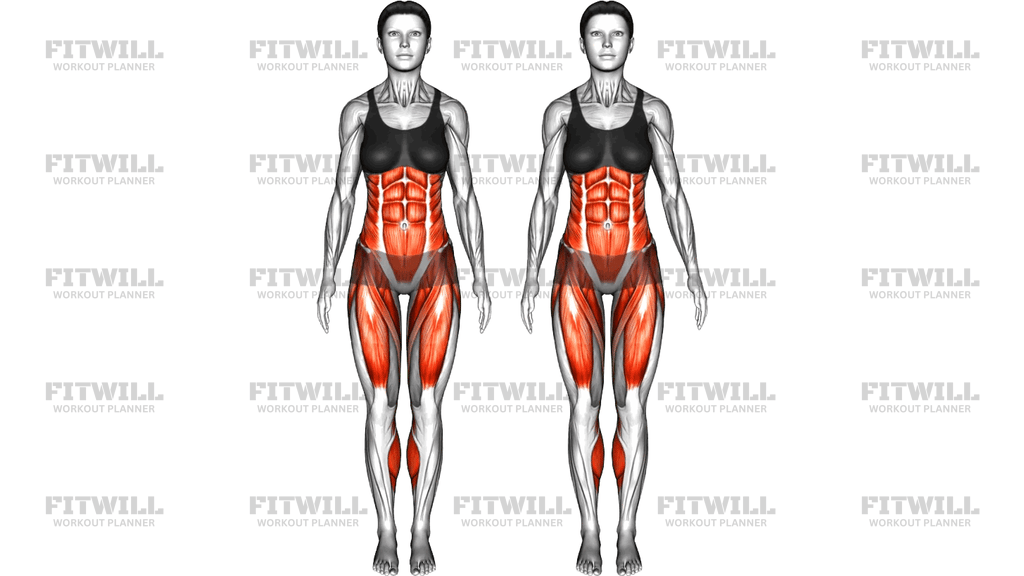
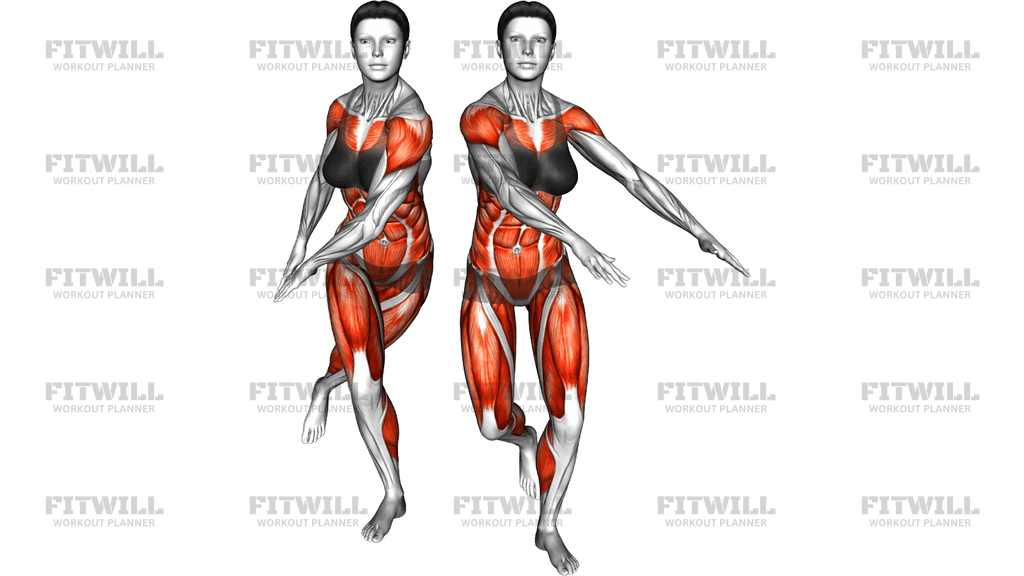
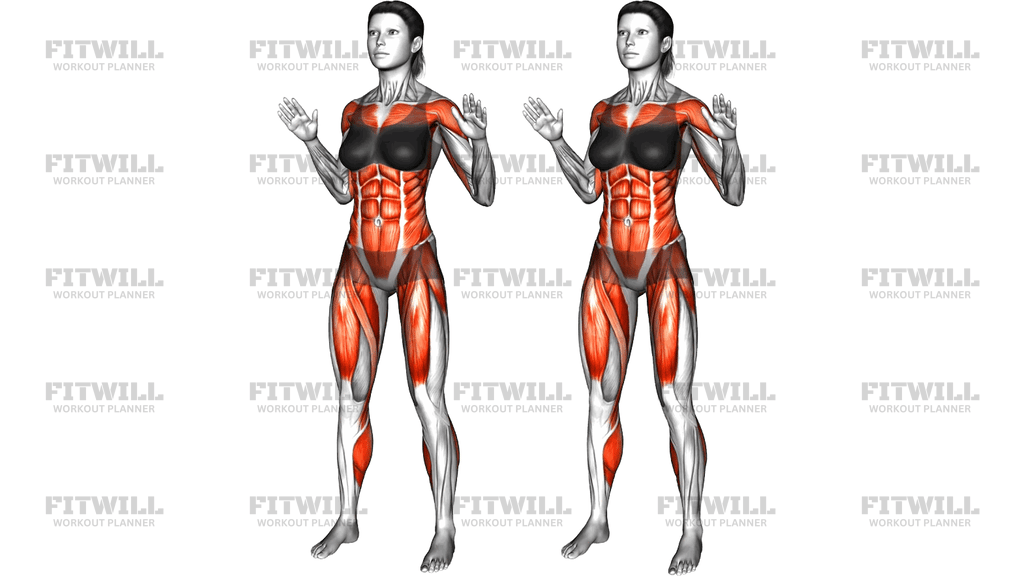
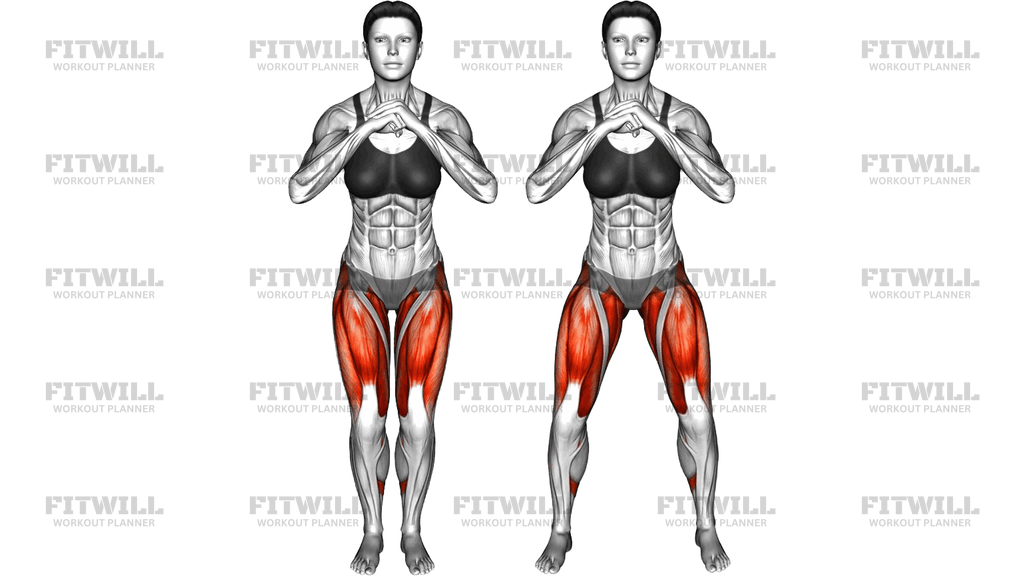
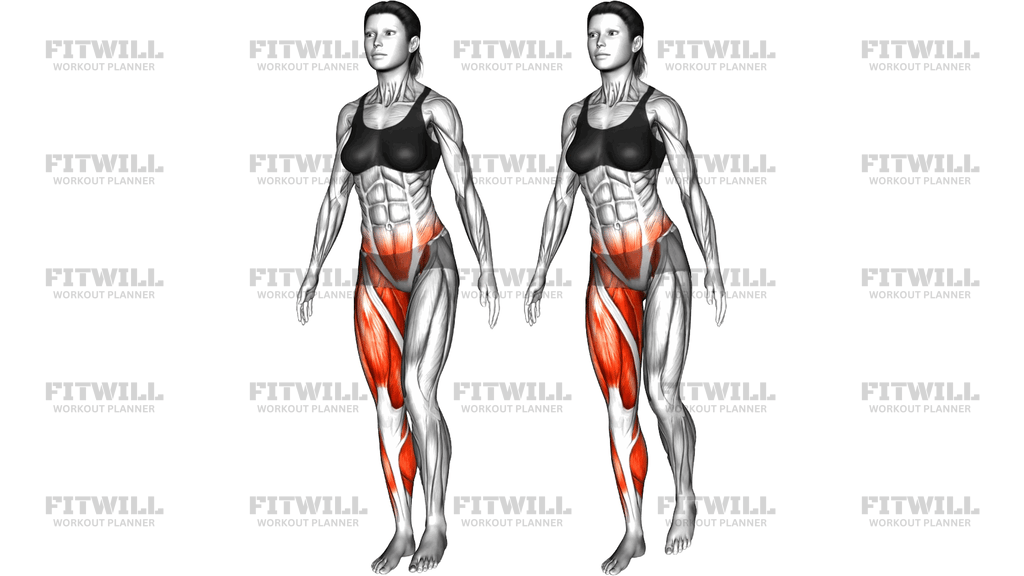
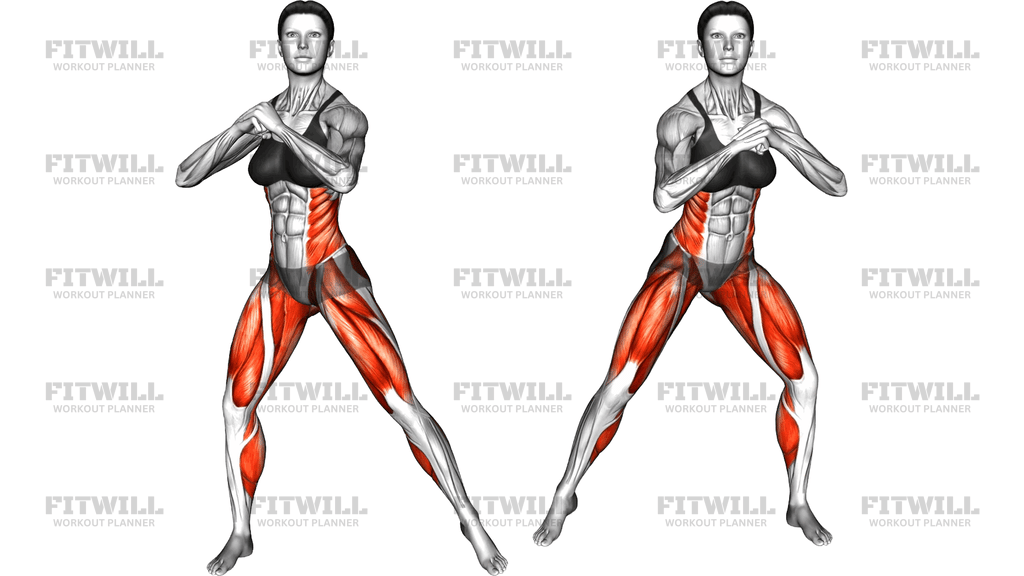
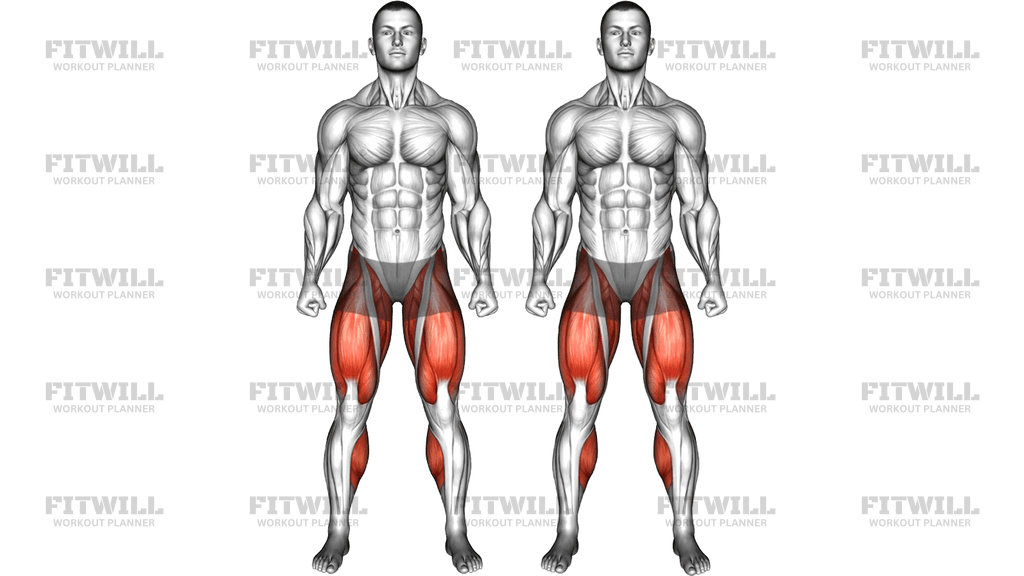
The main work happens in the legs. The quadriceps lift the thigh and control the planting of each step, the glutes and hamstrings drive the return to standing, and the calves handle the push-off and stabilize the ankle. The arm swing brings the shoulders into play and keeps the torso rotating minimally, which means your core works quietly to hold an upright posture throughout.
Setup matters more than it looks. A tall spine, relaxed shoulders, and eyes forward give the legs a stable base to step from. If you lean back, stare at the floor, or let your arms hang dead at your sides, the drill turns into a sloppy shuffle and loses much of its coordination and conditioning value. Keep the steps deliberate rather than rushed, especially in the first few reps.
To execute it well, step forward with one leg to a comfortable depth, swing the opposite arm forward as the same-side arm swings back, then push through the front foot to return to standing before switching sides. The movement should be smooth and continuous, with your breathing steady and your torso staying tall from start to finish.
A few practical points keep this safe and effective. Start with a modest step length until your balance feels solid, keep your knees tracking over your toes rather than caving inward, and land softly instead of slapping your foot down. If you feel any pinching in the front of the hip or strain in the knee, shorten the step and slow the tempo. Used consistently, Alternate Forward Step Arm Swing is a simple way to warm up the legs, groove walking mechanics, and add easy aerobic volume to any session.
[ Workout Log & Planner ]
Put your next workout in Fitwill
Keep your plan and training log ready when you are.


Instructions
- Stand tall with your feet hip-width apart, arms hanging relaxed at your sides, and your gaze on a point straight ahead.
- Brace your core lightly and pull your shoulders back and down so your ribcage stacks over your hips.
- Shift your weight onto your left leg and step your right foot forward, placing it flat at a distance that feels stable.
- As the right leg steps forward, swing your left arm forward to chest height and let your right arm swing back behind you.
- Keep your torso upright and your front knee tracking in line with your toes as it bends slightly to absorb the step.
- Press through the front foot to return to the starting standing position and let the arms swing back to neutral.
- Repeat the step with the left leg forward while the right arm swings forward, continuing to alternate sides.
- Exhale on each step forward and inhale as you return to standing, keeping the breathing rhythm steady.
- Maintain a continuous, even tempo for your target time or rep count, then finish by standing still for a moment to let your heart rate settle before your next activity.
Tips & Tricks
- A common mistake is taking steps that are too long, which pulls the torso forward and strains the front of the hip. Keep the step length moderate so you can return to standing under control.
- Do not let the arms go limp at your sides. A deliberate opposite-arm swing is what makes this a coordination drill rather than just marching, so drive the forward hand to about chest height.
- Watch for the front knee collapsing inward on the step. Think of spreading the floor slightly with the foot so the knee tracks over the toes.
- If you find yourself leaning back as you step, imagine a string pulling the crown of your head toward the ceiling and re-brace your core before continuing.
- Land the stepping foot quietly. A heavy slap means you are dropping the leg instead of controlling it through the full range.
- Keep the tempo conversational. If you are breathing so hard that form breaks down, slow the cadence rather than shortening the arm swing.
- Look forward, not down at your feet. Dropping the head rounds the upper back and throws off the balance of the swing.
- If balance is shaky in the early reps, stand near a wall or rack and touch it lightly with one hand until the alternating pattern feels automatic.
- Use this as a warm-up before squats or lunges by keeping the steps light and shallow, or extend the duration for a standalone low-impact cardio set.
Frequently Asked Questions
Which muscles does Alternate Forward Step Arm Swing work the most?
The quadriceps do the bulk of the visible work as they lift the thigh and control each step, with support from the glutes, hamstrings, and calves. The arm swing adds shoulder activity and keeps the core engaged for posture.
Is Alternate Forward Step Arm Swing suitable for complete beginners?
Yes, it is one of the most accessible standing drills because it uses no equipment, no impact, and a natural walking pattern. Beginners should simply start with a shorter step and a slower tempo until balance feels comfortable.
How far forward should I step during Alternate Forward Step Arm Swing?
Step only as far as lets you keep your torso upright and return to standing smoothly, usually a moderate walking-length stride. If your body leans or your front hip pinches, the step is too long.
Why do the arms swing opposite to the legs in this exercise?
Opposite-arm swing is how the body naturally counterbalances a forward step, and practicing it improves cross-body coordination for walking, running, and climbing. It also engages the shoulders and keeps the torso from twisting.
Can I use Alternate Forward Step Arm Swing as a warm-up before leg training?
Absolutely. Two to three minutes of steady stepping raises the heart rate, lubricates the hips and knees, and grooves the footwork you will use in squats, lunges, and running drills.
How long should I perform Alternate Forward Step Arm Swing?
For a warm-up, 1 to 3 minutes at an easy tempo is enough. As a low-impact cardio block, you can accumulate 5 to 10 minutes or more, adjusting the pace to keep your breathing controlled.
What is the most common mistake in Alternate Forward Step Arm Swing?
Rushing the steps and letting the arms hang motionless. Slow the cadence and consciously drive the opposite hand forward so the drill trains coordination, not just leg movement.
What can I substitute if I need an easier version of Alternate Forward Step Arm Swing?
Marching in place without the forward step is the simplest regression, and holding a sturdy chair or wall with one hand adds balance support. Both keep the alternating leg and arm pattern intact.
Is Alternate Forward Step Arm Swing safe for my knees?
It is generally knee-friendly because it is low impact and the step depth is self-selected. Keep the front knee tracking over the toes, land softly, and reduce the step length if you feel any discomfort, checking with a professional if you have a known knee issue.