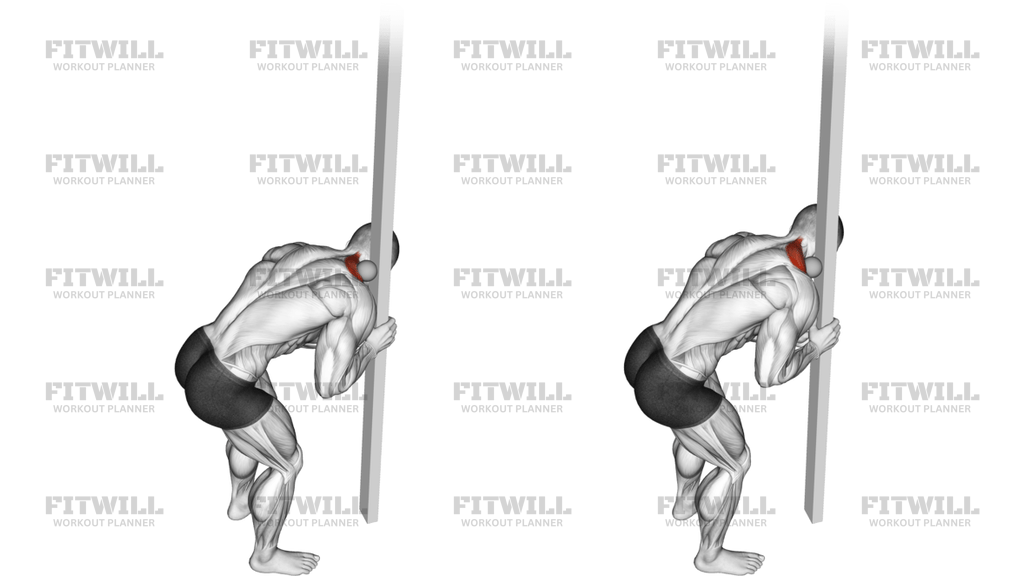
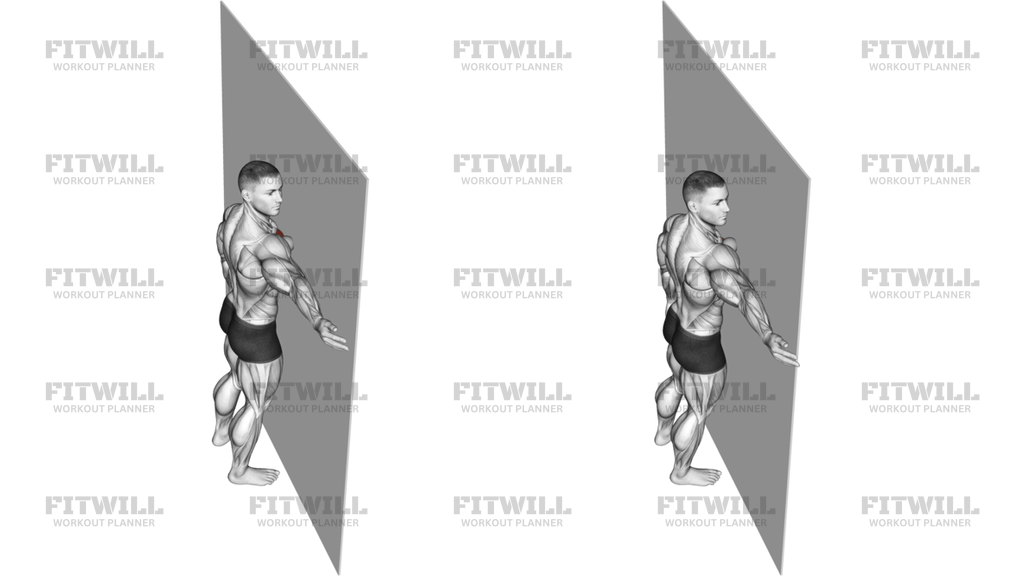
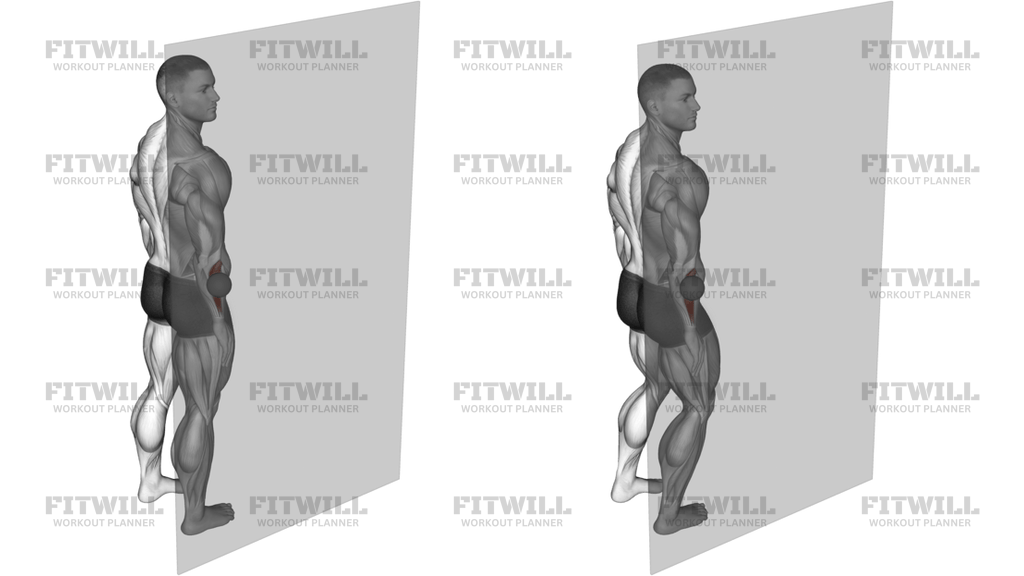
Roll Ball Back Head Stretch
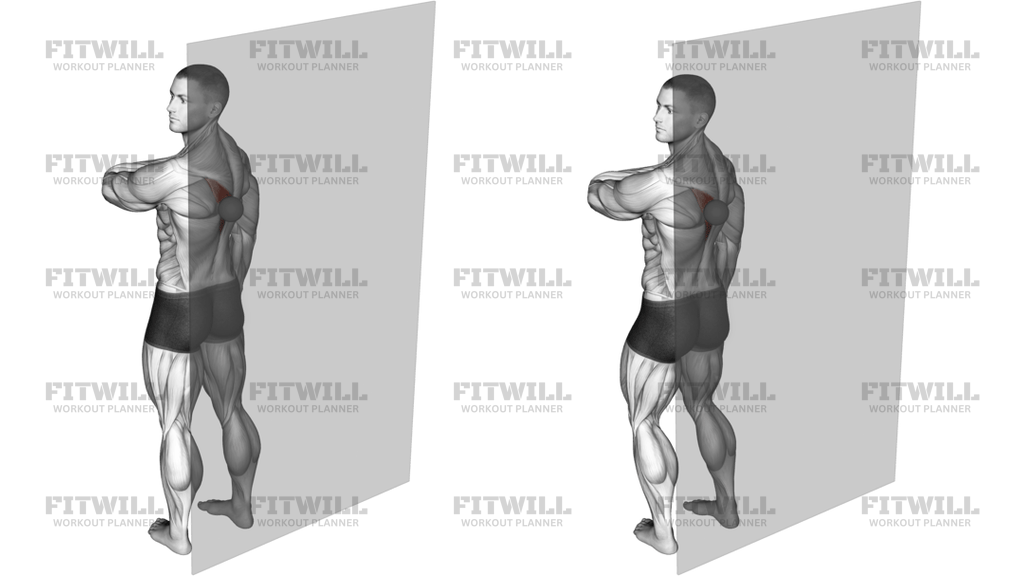
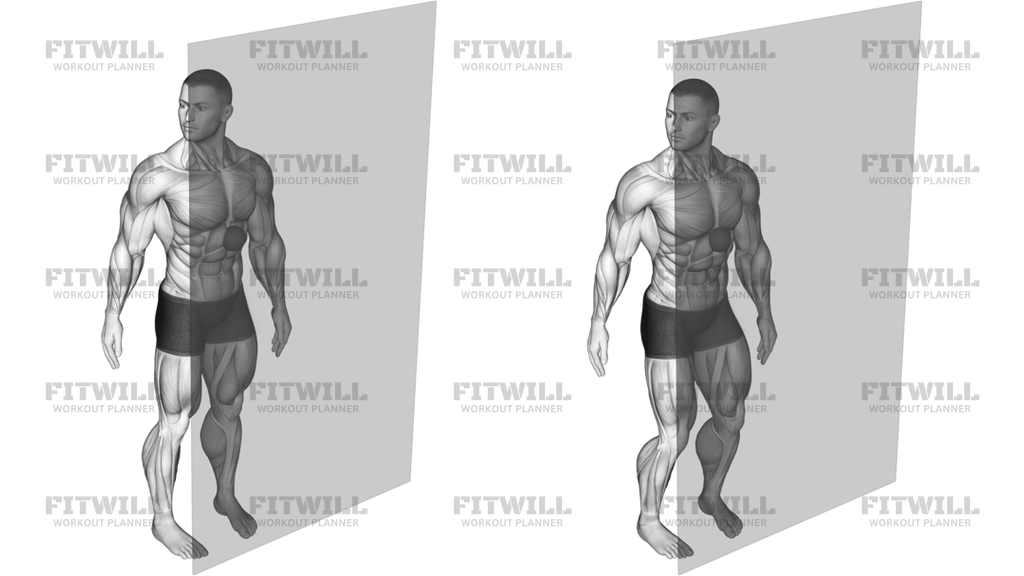
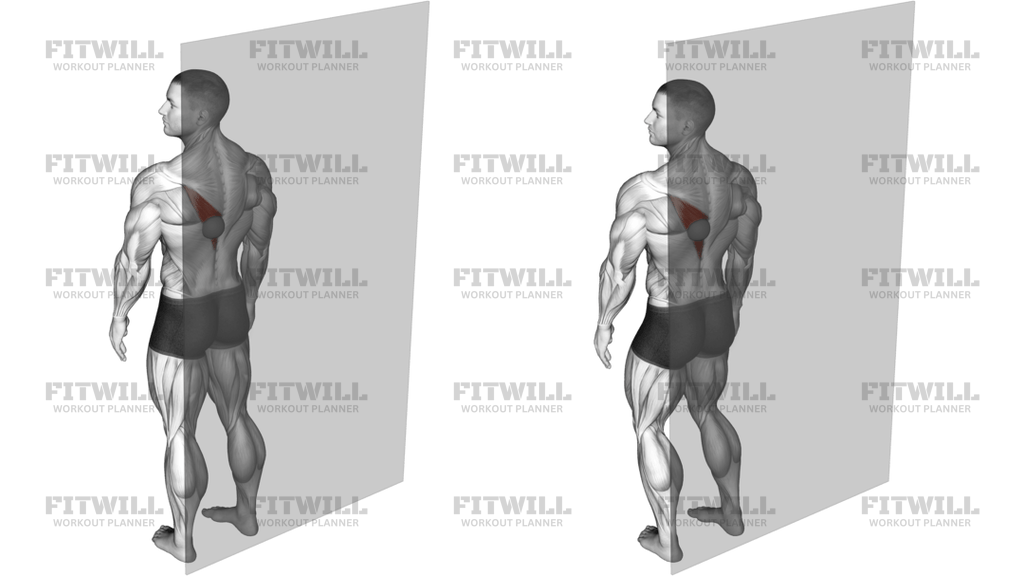
The Roll Ball Back Head Stretch is a self-massage and mobility drill for the muscles where your neck meets your upper back. You stand with your back to a wall, place a small ball between the back of your head or upper neck and the wall, then gently roll and press into the ball while guiding your head through small, slow movements. The wall gives you a flat, predictable surface, and the ball lets you apply pressure exactly where your fingers could never reach with enough precision.
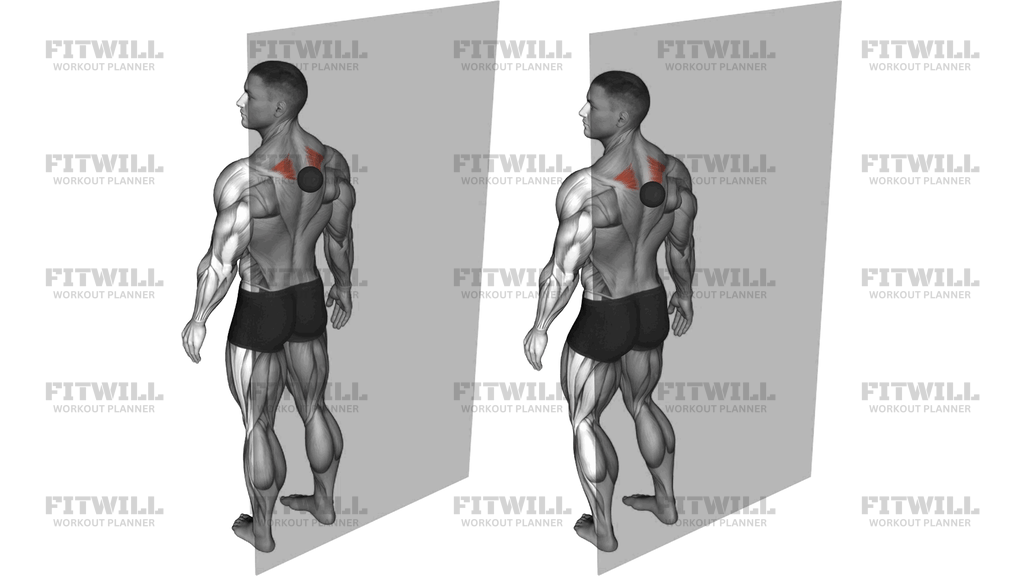
This area takes a beating from desk work, driving, and heavy lifting. The upper trapezius and levator scapulae tend to become tight and tender when you spend hours looking at a screen or when your shrugging muscles are overloaded from training. The Roll Ball Back Head Stretch targets that junction directly, combining sustained pressure with gentle movement, which many people find far more effective than static stretching alone for stubborn tension at the base of the skull.
The setup matters more than it looks. Because you are working close to the cervical spine, the ball needs to sit on the muscle, not on the bony spinous processes in the center of your neck, and definitely not under your skull. Position it slightly to one side of your spine at the top of your shoulder blade area or on the muscles just below your hairline. Your body weight controls the pressure, so the wall lets you dial intensity up or down instantly by leaning a little more or a little less.
To perform it well, keep the movements small and slow. Tilt your head a few degrees, roll the ball a centimeter or two, pause on tender spots and let them release, then reposition. You should feel a satisfying pressure and release, never sharp pain, tingling, or symptoms running down your arm. If any of those show up, ease off immediately and reposition the ball.
This drill fits well at the end of an upper body session, during a break from desk work, or as part of a warm-up before pressing or pulling days. People with tight shoulders, tension headaches from neck stiffness, or restricted head rotation often use it daily. It takes only a couple of minutes per side and requires nothing more than a small ball and a patch of clear wall.
[ Workout Log & Planner ]
Put your next workout in Fitwill
Keep your plan and training log ready when you are.


Instructions
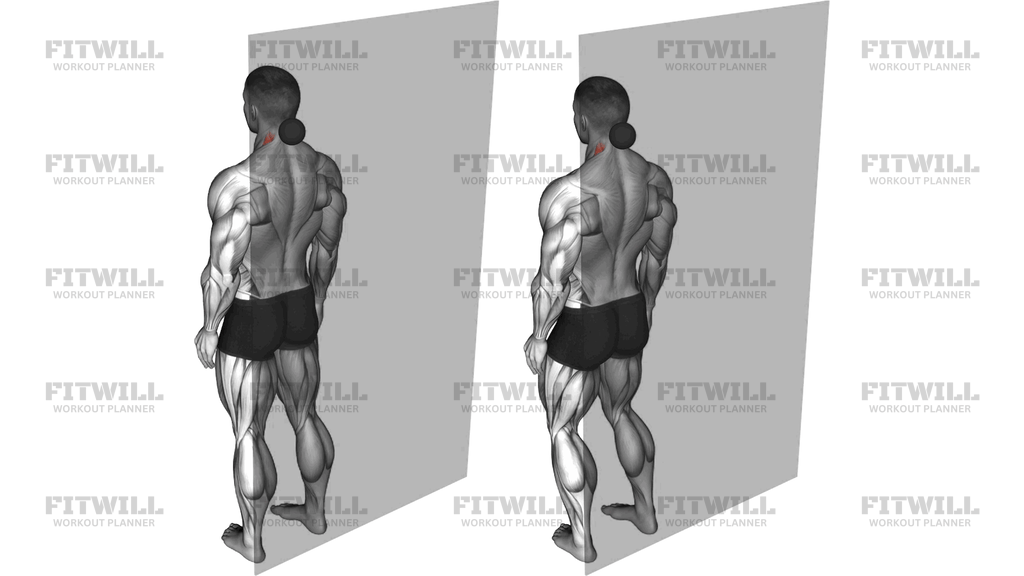
- Stand with your back to a clear wall and place a small ball between the back of your head or upper neck and the wall, slightly off to one side of your spine.
- Position your feet far enough from the wall that you can lean back gently and control the pressure with your body weight.
- Keep your knees soft and your ribs down so your torso stays long rather than arching backward.
- Lean back slowly until you feel firm but tolerable pressure on the neck muscles; do not put the ball directly on the bones at the center of your neck.
- Make small, slow tilting or nodding movements with your head so the ball rolls a short distance across the muscle.
- Pause for 15 to 30 seconds on any tender spot, breathing slowly, and let the tension ease before moving on.
- Shift the ball to a new spot along the upper neck and the top of the shoulder area, working one side at a time if that feels more precise.
- Exhale as you lean into the pressure and inhale as you ease off, never holding your breath.
- When you finish one side, step away from the wall, reposition the ball, and repeat on the other side.
- Limit the whole drill to about two or three minutes per side and stop if you feel dizziness, tingling, or sharp pain.
Tips & Tricks
- A tennis ball or a dedicated massage ball both work; a harder ball is not better here because the neck tissues are sensitive and a soft-to-medium ball gives you more control.
- The most common mistake is pressing directly on the spine. Feel for the bony bumps at the center of your neck and keep the ball to the side of them, on muscle.
- If the pressure feels too intense with a straight neck, tuck your chin slightly or take a small step away from the wall to reduce how much body weight you load into the ball.
- Do not rush the roll. Scanning quickly across the muscle misses the point; slow, small movements with pauses on tender spots produce the release you are after.
- Keep your jaw relaxed and your breathing steady. Clenching your teeth or holding your breath is a sign you are pressing too hard.
- Avoid rolling across the front or sides of the throat and keep the work at the back of the neck and upper shoulder region only.
- If your head feels unstable against the ball, place a thin towel between the ball and the wall or your skin for a bit of grip and comfort.
- Expect to feel looser in head rotation afterward, not bruised. If the area stays sore for days, the pressure or duration was too much.
- Pair the drill with slow chin tucks or gentle neck rotations afterward to reinforce the new range of motion.
Frequently Asked Questions
What muscles does the Roll Ball Back Head Stretch target?
It targets the upper trapezius and levator scapulae where the neck meets the upper back, along with the small muscles at the base of the skull. These are the muscles that commonly tighten from desk posture and heavy shrugging or pulling work.
Where exactly should I place the ball during the Roll Ball Back Head Stretch?
Place it slightly to one side of your spine, either on the muscles just below your hairline or at the top of your shoulder blade area. Never place it on the bony center of your neck or under your jaw or throat.
Is the Roll Ball Back Head Stretch safe for beginners?
Yes, as long as you start with light pressure and small movements. Because the neck is a sensitive area, beginners should use a softer ball and lean in gradually rather than loading full body weight into the wall.
How long should I hold pressure on a tight spot?
Fifteen to thirty seconds per spot is usually enough. If a spot has not released after that, move on rather than grinding on it, since prolonged pressure can irritate the tissue.
What kind of ball works best for the Roll Ball Back Head Stretch?
A tennis ball or a medium-density massage ball is ideal. Very hard balls can be uncomfortable against the neck, and very soft balls collapse and stop applying useful pressure.
Can I do the Roll Ball Back Head Stretch every day?
Yes, a short daily session of two to three minutes per side is reasonable for most people, especially if you sit at a desk for long hours. Keep the pressure moderate so the tissue does not get sore.
What should I do if I feel tingling or pain running down my arm?
Stop immediately and step away from the wall. That sensation suggests pressure on a nerve rather than muscle, so reposition the ball away from the center of the neck or reduce the pressure substantially.
Can I substitute anything for the Roll Ball Back Head Stretch if I have no ball?
A rolled towel pressed between your neck and the wall offers a gentler alternative, and your own fingers can apply direct pressure to the upper traps. The ball simply makes precise, sustained pressure much easier.
Should I move my head or just hold still against the ball?
Slow, small head movements, such as gentle tilting or nodding, help the ball work through the muscle and usually feel better than static pressure alone. Keep the range small so you stay in control.