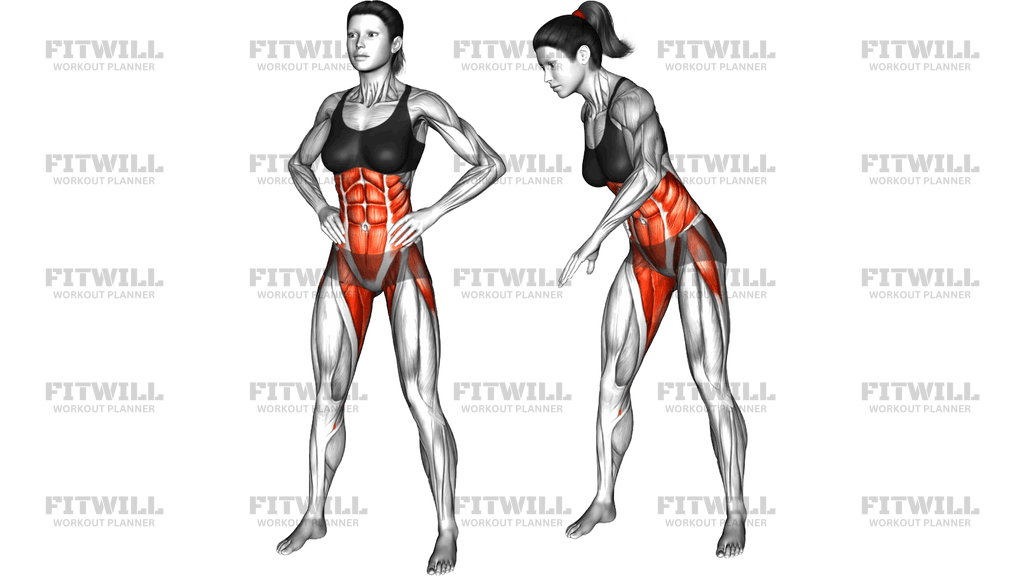
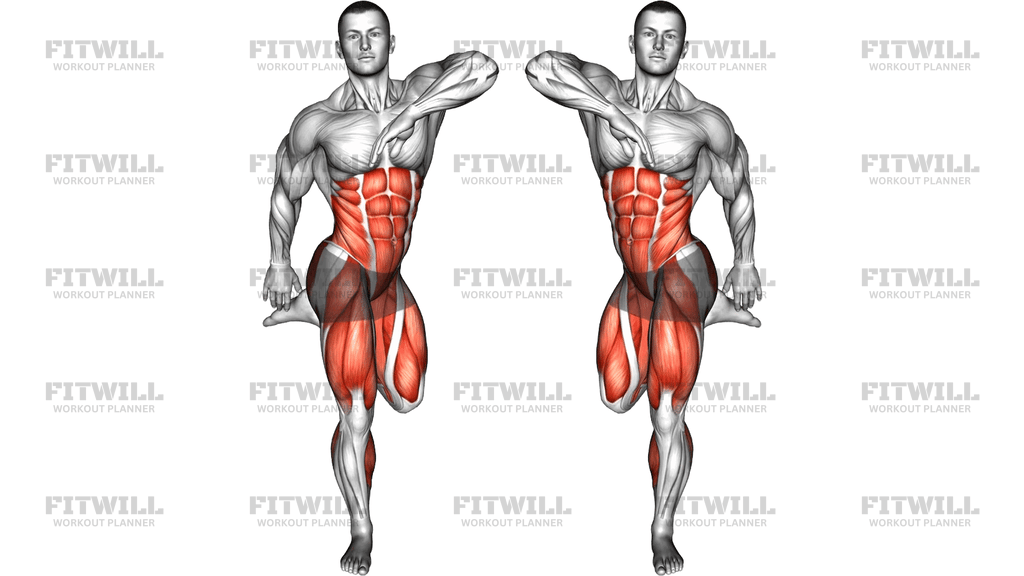
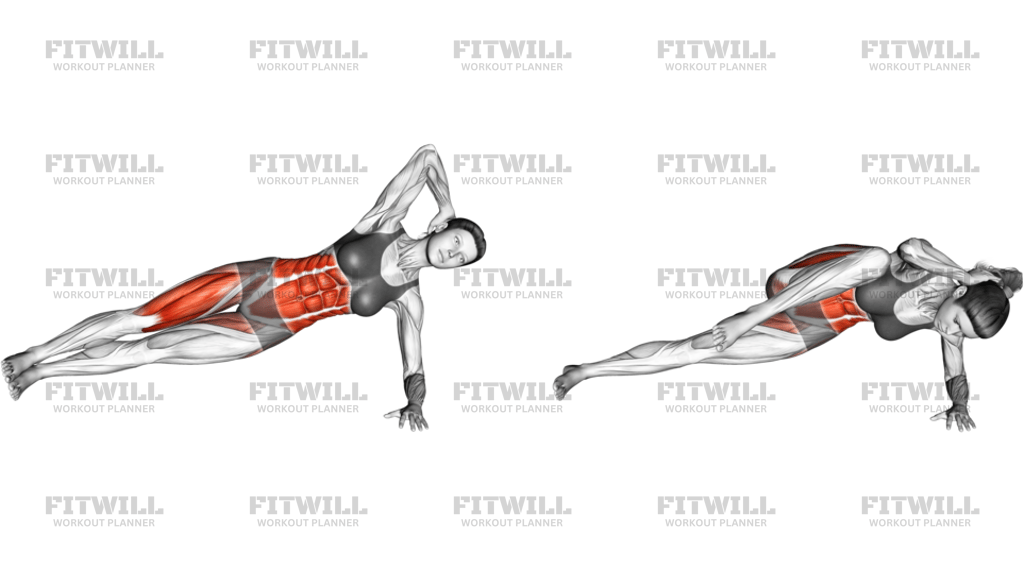
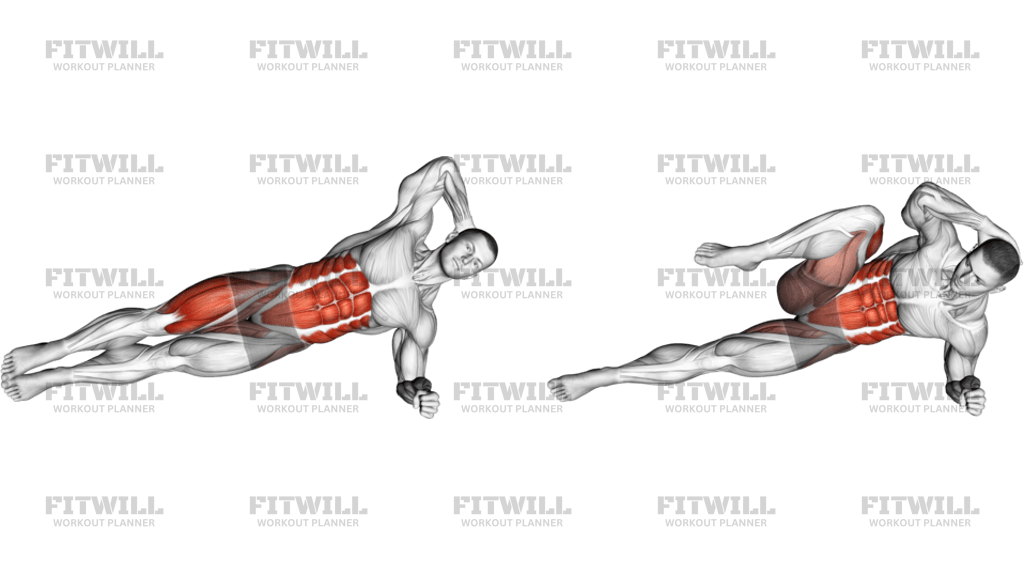
Lying Lean Forward Pilates
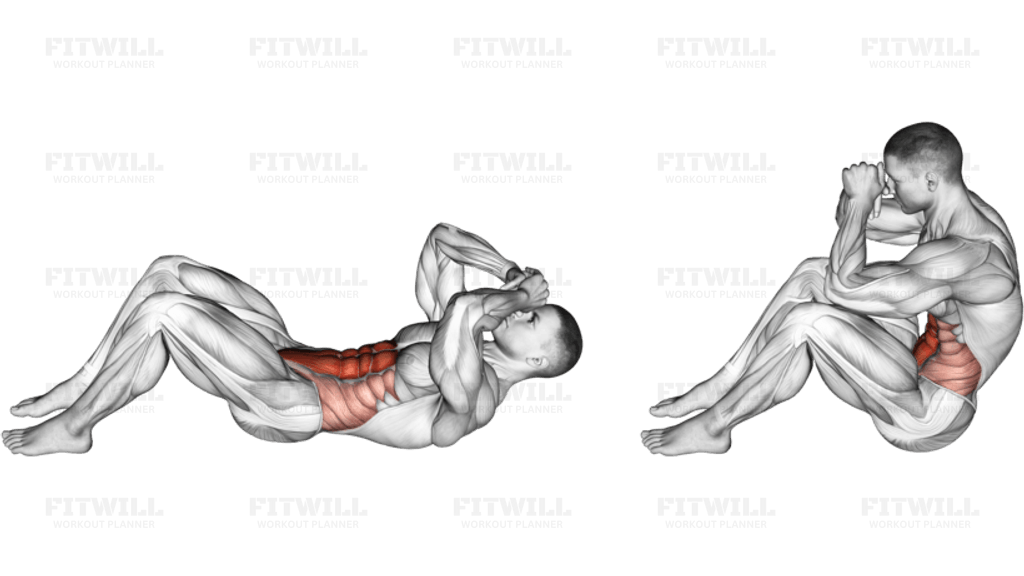
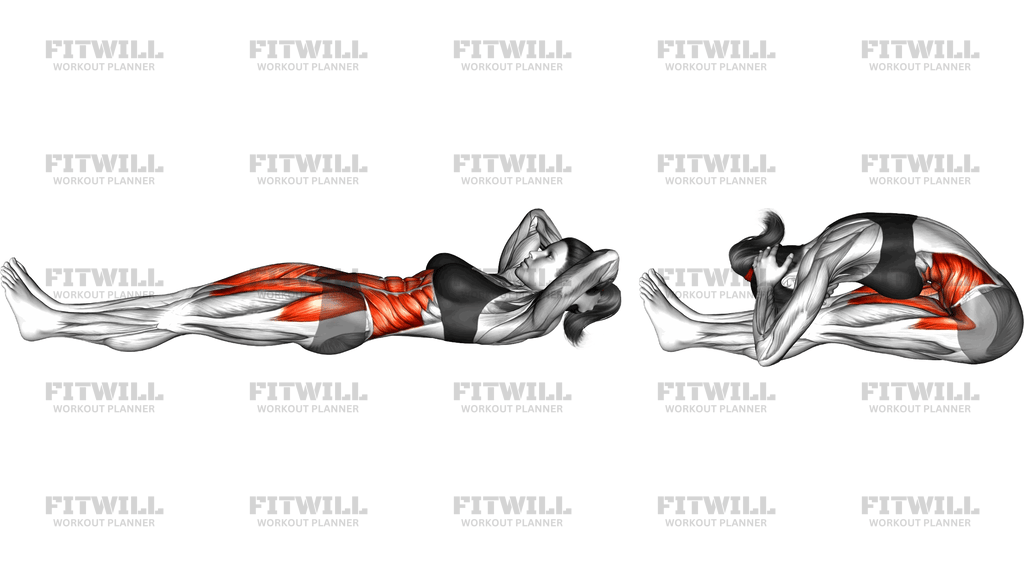
Lying Lean Forward Pilates is a supine trunk-curl movement performed with the legs extended straight along the floor. You start flat on your back with the hands lightly supporting the head, then peel the spine off the ground one segment at a time until the torso leans forward over the thighs, and lower back down with the same control. Unlike a standard crunch, which only lifts the shoulder blades, this version carries the curl all the way up, which demands a longer and more continuous effort from the abdominal wall.
The straight-leg position is what makes this exercise distinct. With the knees extended, the hip flexors work through a longer range while the abs must hold the ribs down and keep the lower back from arching off the floor. The highlight areas in the movement are the rectus abdominis across the front of the trunk and the hip flexors at the front of the hip, with supporting work from the deep core and the muscles that stabilize the head and arms.
This exercise suits people with some Pilates or core-training experience who want to progress beyond basic crunches. It is common in mat-based Pilates sessions as a strength and control drill for the trunk flexors, and it carries over well to activities that require rolling or folding the body forward from a lying position. Because the whole spine moves through flexion and back down, it also gives you a clear read on how well you segment your spine rather than hinging abruptly from the hips.
Setup matters more than speed here. Lie fully lengthened, press the low back gently toward the floor before you start, and keep the elbows wide rather than pulling them in front of the face. The lift should feel like a wave traveling up the spine from the head to the shoulder blades to the mid back, not a sudden jerk of the shoulders. At the top, the torso leans forward toward the legs with the abdominals still engaged, not collapsed.
The return is half the exercise. Lower down slowly, vertebra by vertebra, resisting gravity the entire way instead of dropping back. If the lower back arches or the ribs flare as you descend, that is a sign to reduce the range and build up gradually. Keep the neck neutral by cradling the head with the hands rather than hauling on it, and stop the set when the curl quality fades rather than grinding out extra repetitions.
As with any spinal flexion exercise, move within a range that feels comfortable for your back and avoid forcing the top position. Practiced with control, Lying Lean Forward Pilates builds practical trunk strength, better awareness of spinal movement, and a stronger connection between the abs and hips.
Fitwill
Log Workouts, Track Progress & Build Strength.
Achieve more with Fitwill: explore over 9600 exercises with images and videos, access built-in and custom workouts, perfect for both gym and home sessions, and see real results.
Start your journey. Download today!




Instructions
- Lie flat on your back on the floor with both legs extended straight and the feet together, toes pointing up.
- Place the hands lightly behind the head with the fingers cradling the skull and the elbows open wide; do not interlace the fingers and pull.
- Take a breath in, then exhale and gently draw the belly button toward the spine so the low back presses toward the floor before anything moves.
- Exhale as you begin the curl: nod the chin slightly, then lift the head and shoulder blades off the floor, peeling the upper spine up first.
- Continue the roll upward through the mid back until the torso leans forward over the straight legs, keeping the abs braced and the elbows wide the whole way.
- Pause briefly at the top with the trunk folded toward the thighs and the abdominals still holding, rather than resting or collapsing forward.
- Inhale at the top, then lower on a slow count, reversing the order: upper back, then shoulder blades, then head, returning each section to the floor with control.
- Keep the legs heavy and relaxed on the ground throughout; if they lift or the hips shift, slow the movement down.
- Complete your repetitions, then rest by releasing the hands from the head and letting the spine settle long on the floor between sets.
Tips & Tricks
- The most common mistake is yanking the head forward with the hands. Cradle the skull instead of the neck, and if you catch yourself pulling, lighten the touch of the fingers until the abs do the work.
- If the low back arches as you curl up, the hip flexors are dominating. Pre-press the lower back into the floor and start the lift with a small chin nod before the shoulders move.
- A jerky start usually means you are trying to lift too much too fast. Break the movement into stages in your mind: nod, shoulders, mid back, fold forward.
- Do not chase height. A controlled curl to the mid back with flat ribs is better than a tall forward lean where the belly relaxes and the spine hinges from the hips.
- Keep the legs actively long but not rigid. Locked knees and clenched thighs steal effort from the trunk; think of reaching the heels away instead.
- Elbows drifting in front of the face shortens the abdominal work. Widen them into your peripheral vision and keep them there for every rep.
- Breathe out on the way up and in on the way down. Holding the breath is a sign the effort has jumped past your current control level.
- If the last two reps drop the head back quickly, end the set there. The lowering phase is where this exercise teaches the most, so protect it.
- On a hard floor, a thin mat under the spine and head makes the long lying position more comfortable without changing the mechanics.
Frequently Asked Questions
Which muscles does Lying Lean Forward Pilates work the most?
The primary work comes from the rectus abdominis, the long muscle down the front of the trunk. The hip flexors at the front of the hip assist strongly because the legs stay straight, and the deep core muscles stabilize throughout.
How is Lying Lean Forward Pilates different from a regular crunch or sit-up?
A crunch only lifts the shoulder blades a short distance, while this exercise rolls the entire spine up until the torso leans over the legs and lowers back down in sections. That longer path demands more continuous control from the abdominals.
Why do my hip flexors feel this exercise so much?
With the legs extended flat, the hip flexors work against gravity to help anchor the thighs and assist the trunk curl. If they dominate to the point of lower-back arching, shorten the range or bend the knees slightly while you build control.
Can beginners do Lying Lean Forward Pilates?
Beginners can start with a partial version: curl only to the shoulder blades and lower slowly, keeping the hands lightly behind the head. Once that feels smooth and the lower back stays down, extend the range toward the full forward lean.
Should my legs stay straight the whole time?
Yes, the extended legs are part of what defines this movement and increase the demand on the trunk and hips. If straight legs force your lower back to arch or lift, bend the knees as a temporary regression rather than straining through.
Is it okay to pull on my head with my hands?
No. The hands are there to cradle the skull, not to haul the head up, and pulling strains the neck while taking work away from the abs. If you notice your fingers digging in, lighten the touch or cross the arms over the chest for a few reps.
How fast should I move through each repetition?
Aim for roughly two to three seconds up and three to four seconds down, rolling through the spine in stages. Speed hides poor control in this exercise, so slower and segmented beats quick and jerky every time.
What can I use instead of Lying Lean Forward Pilates if it is too difficult?
A standard crunch, a half roll-up with bent knees, or a curl-up where only the shoulder blades lift all train the same trunk flexors with less load. Progress back to the full movement as your control improves.
How many repetitions should I do?
Start with one or two sets of six to ten controlled repetitions, stopping when the curl quality drops or the lower back starts to arch. Because the lowering phase is demanding, quality reps matter far more than a high count.
Is Lying Lean Forward Pilates safe for my lower back?
When performed slowly with the ribs kept down and within a comfortable range, it is a controlled trunk-flexion drill. If you have a current back issue or feel discomfort during the movement, reduce the range or check with a qualified professional before continuing.