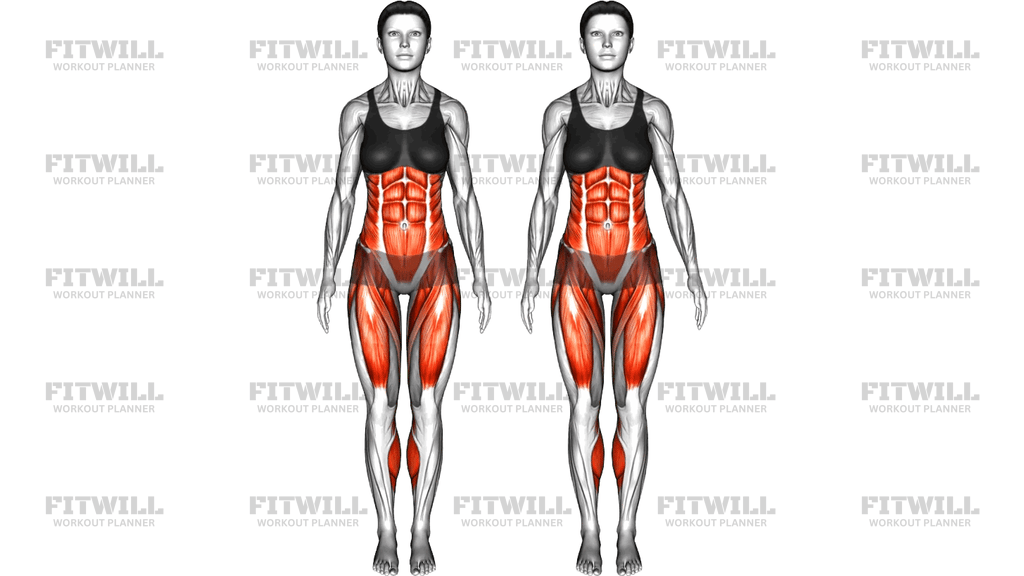
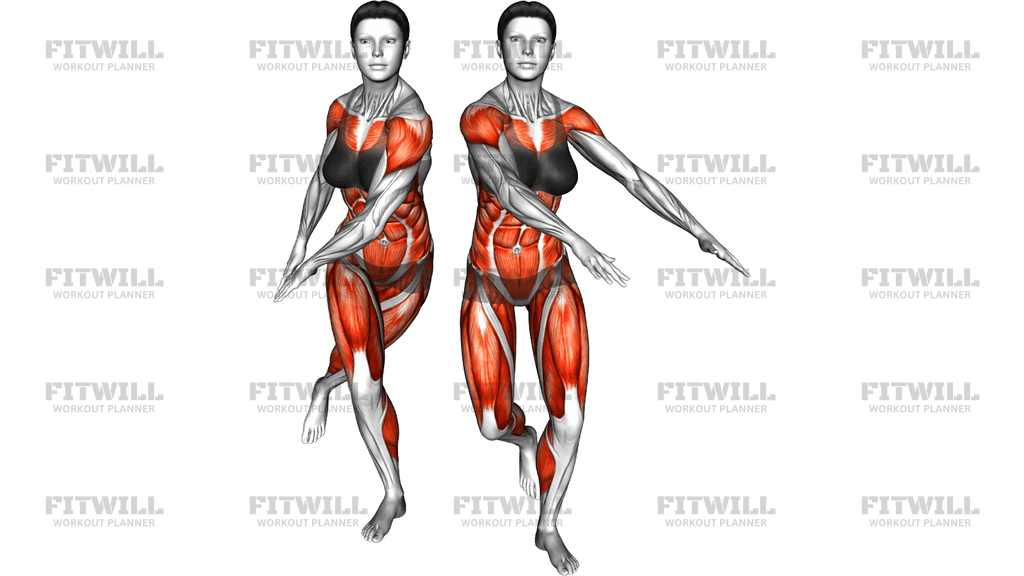
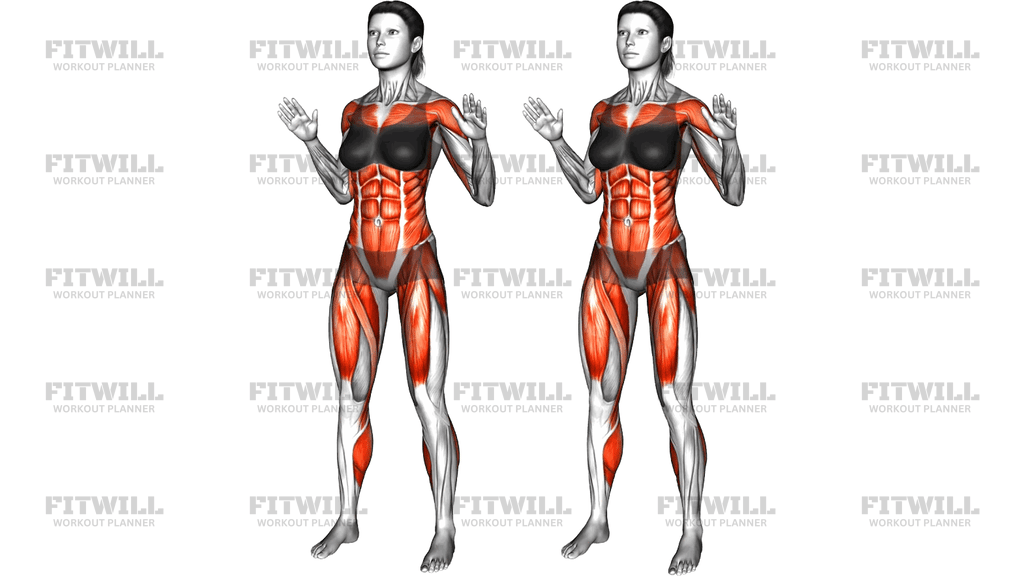
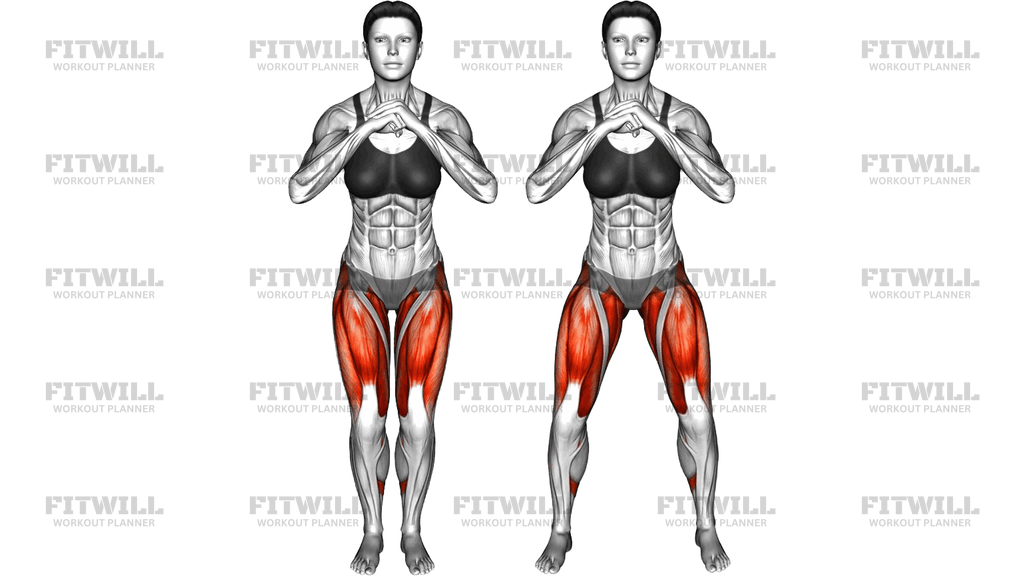
Alternate Knee Cross Over Sit Agains Wall
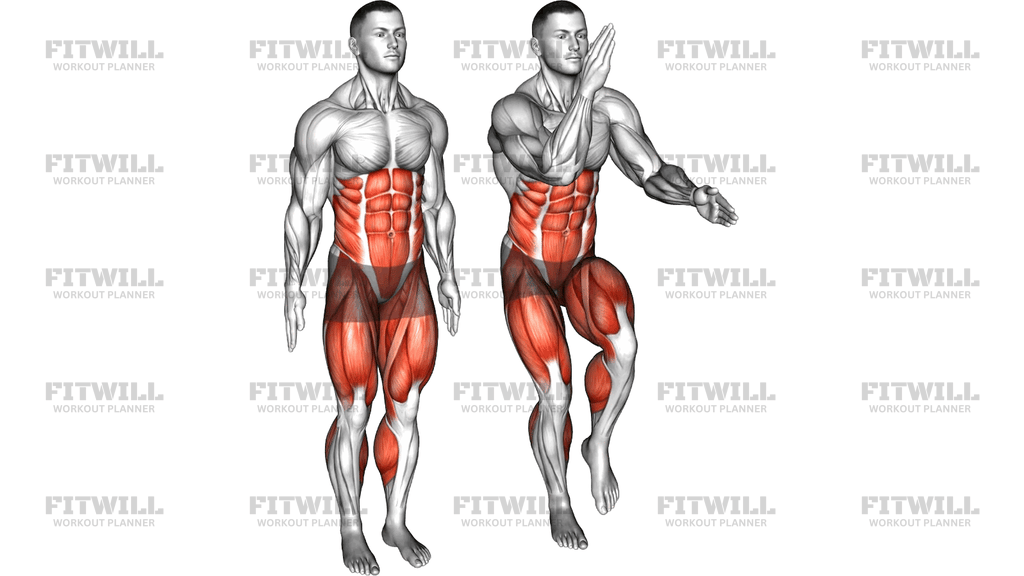
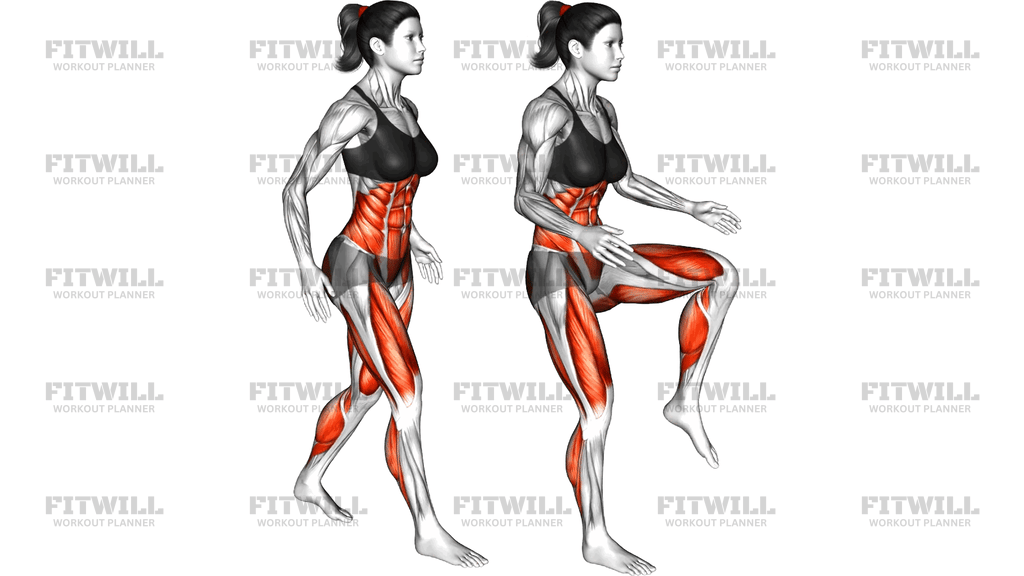
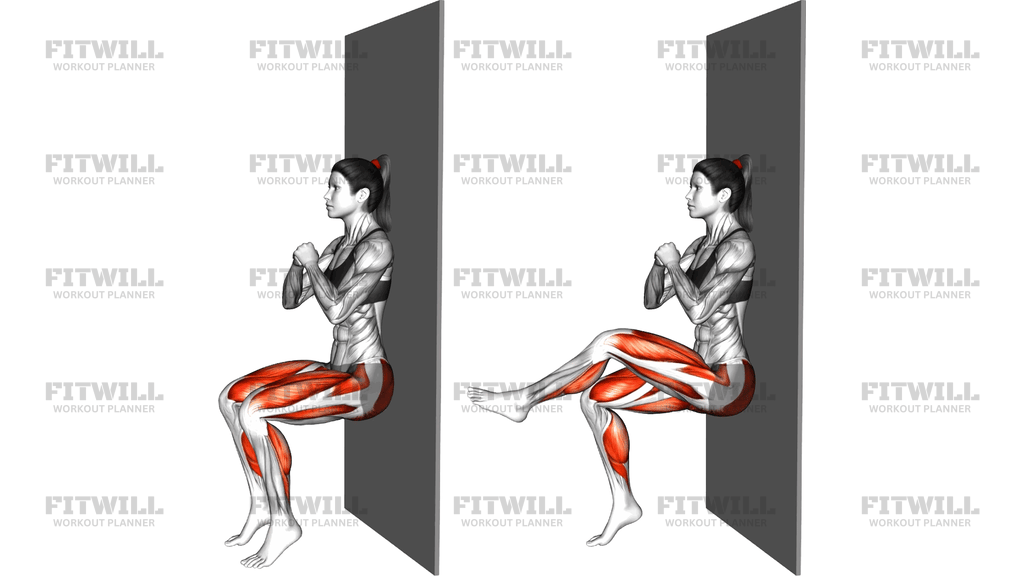
The Alternate Knee Cross Over Sit Against Wall is an isometric leg exercise with a rotational twist. You hold a classic wall sit position with your back flat against a wall and thighs parallel to the floor, then alternately lift one foot off the ground and draw that knee across your body toward the opposite side before setting it back down. The wall takes care of your torso, which means all the challenge lands on your legs, hips, and trunk control instead of your balance.
This movement suits lifters and general trainees who want to make a plain wall sit more demanding without adding weight. It is also a smart choice for people returning from lower-body injuries or beginners who struggle to hold a full wall sit, since shifting the load to one leg at a time teaches you exactly where you are weak. Because one leg must support your entire body weight in a deep knee bend, the working quadriceps are taxed far more than in a standard two-legged wall sit.
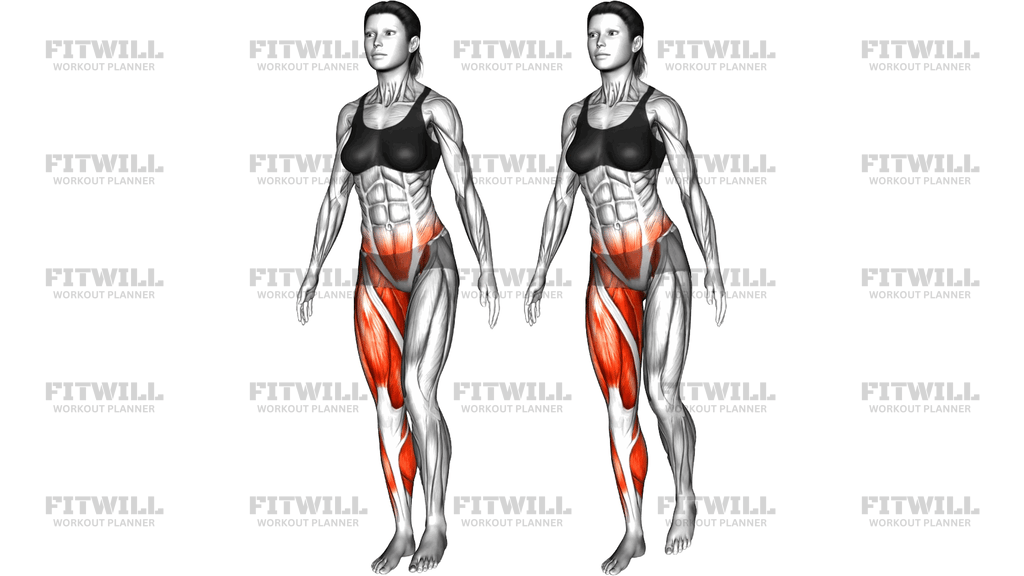
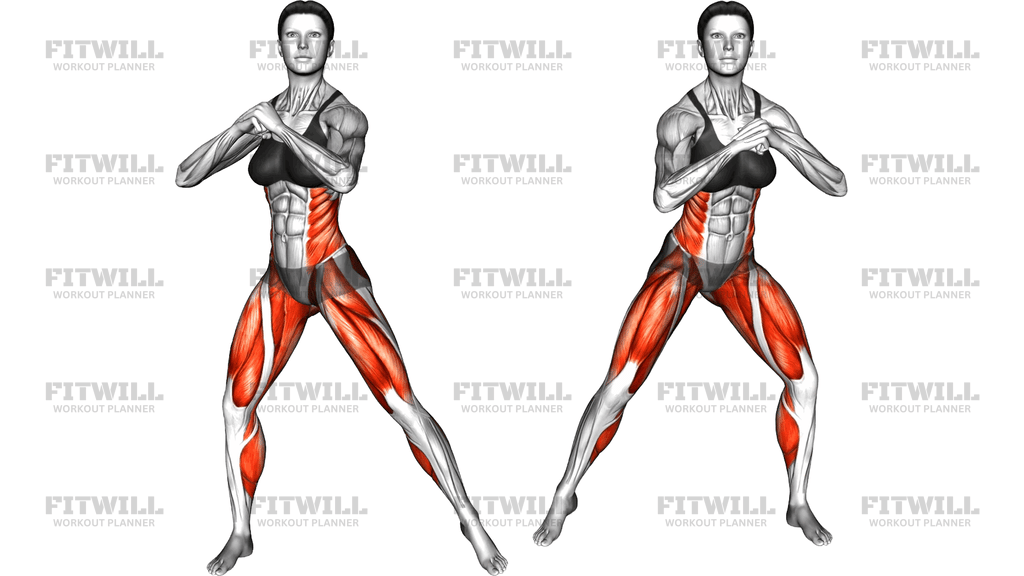
The primary work comes from the quadriceps of the stance leg, which hold the knee at ninety degrees the whole time. The glutes and hamstrings of that same leg keep the hips locked at knee height, while the calf maintains contact with the floor. Lifting and crossing the free leg brings the hip flexors and inner thigh muscles into play, and your deep core works continuously to stop your pelvis and lower back from twisting as the knee travels across the midline.
The wall setup is what makes this drill work. Sliding your back down the wall until your hips and knees both form right angles fixes your torso in an upright, neutral position, so you cannot cheat by leaning away from the working leg or collapsing forward. Without that anchor, single-leg wall variations usually turn into messy, half-depth squats. Take the time to set your foot position first: feet about hip-width apart and far enough from the wall that your knees stack over your ankles, not past your toes.
Execution quality comes down to keeping the wall sit height constant. The most common breakdown is letting the hips rise or drift toward the standing leg every time the other foot lifts. Treat your hips like they are bolted to an invisible chair at knee height for the entire set. Move the free knee deliberately across your body, pause briefly, return it to the floor with control, and only then switch sides. Breathe steadily throughout rather than holding your breath during the hardest portion.
Program this exercise near the end of a leg session as a finisher, or on its own when you want a short, equipment-free challenge. Timed intervals of twenty to forty seconds or sets of eight to twelve crossings per side both work well. Stop the set when you cannot keep your back, hips, and shoulders flat against the wall, because that is the point where form, not just endurance, starts to fail.
[ Workout Log & Planner ]
Put your next workout in Fitwill
Keep your plan and training log ready when you are.


Instructions
- Stand with your back flat against a smooth wall and walk your feet forward until they are roughly hip-width apart and about two feet from the base of the wall.
- Slide down until your hips and knees are both bent at about ninety degrees, with your knees stacked directly over your ankles and your shoulders and head resting against the wall.
- Clasp your hands together in front of your chest and brace your abdomen so your entire back, from shoulders to tailbone, stays in contact with the wall.
- Shift your body weight fully onto your right leg and feel the right foot press evenly through the floor.
- Lift your left foot off the floor and draw your left knee up and across your body toward the right side, keeping your torso and hips square to the front.
- Pause for a moment with the knee crossed toward the opposite side, then lower your left foot back to its starting spot without letting your hips rise or sway.
- Repeat the cross with the right knee while your left leg takes over as the support, and continue alternating sides for the desired number of reps or time.
- Exhale as you lift and cross the knee, inhale as you return the foot to the floor, and avoid holding your breath during the hold.
- Keep your back glued to the wall for the whole set; if it peels away or your hips creep upward, end the set, stand up, shake out your legs, and reset at the same depth.
Tips & Tricks
- Check your knee depth before the first rep. If your knees drift past your toes or your heels lift, scoot your feet a little farther from the wall and reset, otherwise the stance leg will fight for balance every time you lift the other foot.
- The classic mistake is popping the hips up an inch or two the moment the free foot leaves the floor. Film yourself from the side once, because the rise feels invisible from the inside but turns a wall sit into an easy partial hold.
- Cross the knee with intent but without twisting. If your shoulders or upper back rotate off the wall as the knee travels across, slow the movement down and shrink the range until your torso stays square.
- Press the big toe, little toe, and heel of the stance leg into the floor equally. Collapsing onto the inner edge of that foot is a common failure point once you are on one leg and can irritate the knee over time.
- If ninety degrees is too deep to hold with the single-leg crossings, start at a higher slide, around forty-five to sixty degrees, and work deeper over a few weeks as your quads adapt.
- Keep your hands clasped at your chest rather than bracing them on your thighs. Pressing on the working leg with your hands silently removes half the load and defeats the purpose of the drill.
- Use a wall with enough friction that your back does not slide. Smooth painted walls can be slippery, especially in slick workout tops, and a slight downward slide ruins the fixed torso position.
- Time your sets honestly. Because the crossing motion adds distraction, people often creep to a shallower hold mid-set; pick a hip height at the start and match it on every rep.
- If you feel the work only in the front of the knee rather than through the thigh, you are likely too deep or too far forward; reduce the depth slightly and make sure the knee stays stacked over the ankle.
Frequently Asked Questions
What muscles does the Alternate Knee Cross Over Sit Against Wall work?
The quadriceps of the stance leg do most of the work by holding the deep knee bend, supported by the glutes and hamstrings of the same leg. Lifting and crossing the free knee also recruits the hip flexors and inner thigh muscles, while the core stabilizes against the rotation.
How is this different from a regular wall sit?
In a regular wall sit both legs share the load evenly, but here one leg carries your full body weight while the other crosses the body, which makes it much harder on the working thigh and adds a hip and core stability demand.
Is the Alternate Knee Cross Over Sit Against Wall suitable for beginners?
Yes, but beginners should start with a shallower slide, somewhere between forty-five and sixty degrees, and shorter sets of ten to fifteen seconds. Once you can hold the position with a flat back and steady hips, progress toward the full ninety-degree depth.
Why do my hips rise every time I lift one knee?
That is the most common fault in this exercise: the body shortens the lever by straightening the stance leg to reduce the load. Cue yourself to keep the hip crease at knee height for the entire set, and if you cannot, end the set and rest rather than grinding through sloppy reps.
Should my back stay touching the wall the whole time?
Yes. Contact from your shoulders down to your tailbone is what fixes your torso and makes the drill effective. If your back peels away or slides down the wall, reset your depth and continue with a smaller crossing range.
Can I do the Alternate Knee Cross Over Sit Against Wall every day?
Because it is a demanding isometric hold for the thighs, two to four sessions per week with rest days between is a better plan. Daily use is possible at low intensity, but you will progress faster if the thighs get recovery time.
What can I use instead if I do not have a clear wall?
A sturdy door, a squat rack upright, or any solid vertical surface works as long as your back can slide on it without catching. If nothing is available, a static single-leg squat hold on the floor trains a similar pattern but demands more balance.
How long should I hold each set?
Aim for twenty to forty seconds per set, or eight to twelve crossings per side, and stop as soon as your back loses contact with the wall or your hips rise. Quality of position matters more than the clock.
Is it safe for my knees?
For healthy knees, keeping the shin vertical and the knee stacked over the ankle makes this a well-tolerated isometric drill. If you have a current knee issue or feel sharp pain rather than muscular effort, check with a qualified professional before adding it to your routine.
Where should I feel the burn during this exercise?
You should feel the working thigh, mainly the front of the stance leg, plus a deep ache in the glute as the set drags on. A mild pull at the front of the hip of the crossing leg is normal, but burning in the knee joint itself means you should adjust your depth.