Knees And Toes Point Out Squat Slide Wall
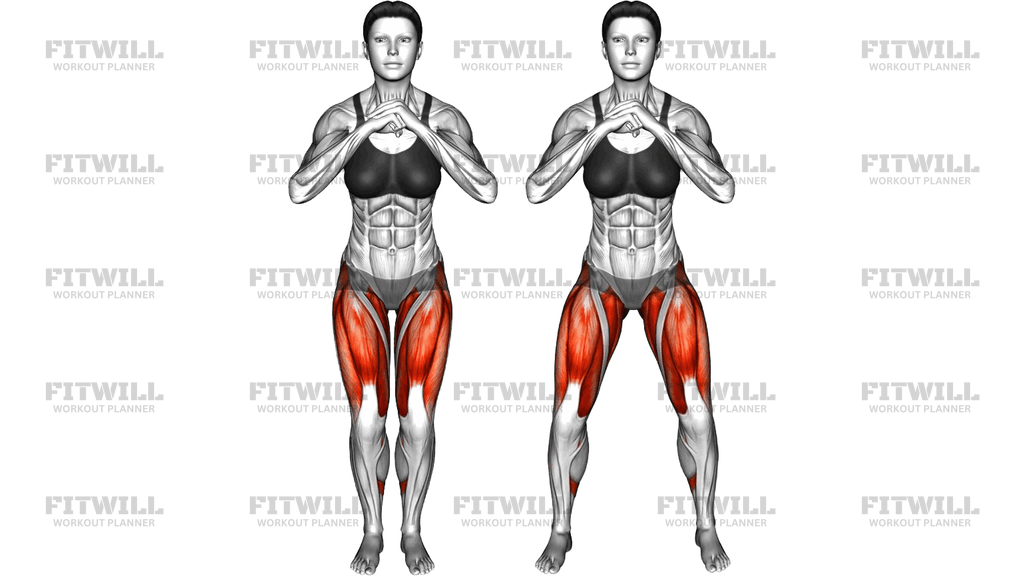
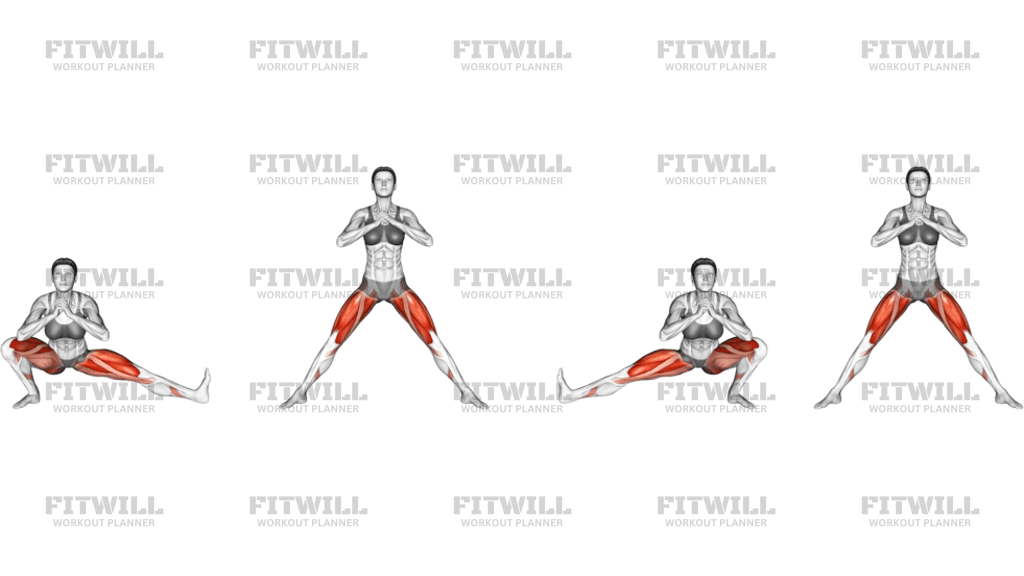
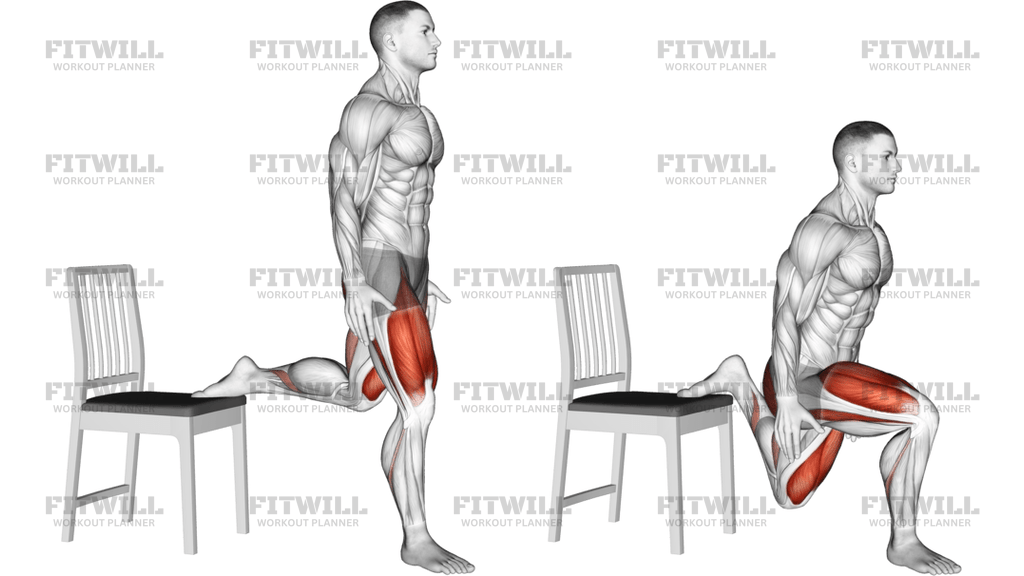
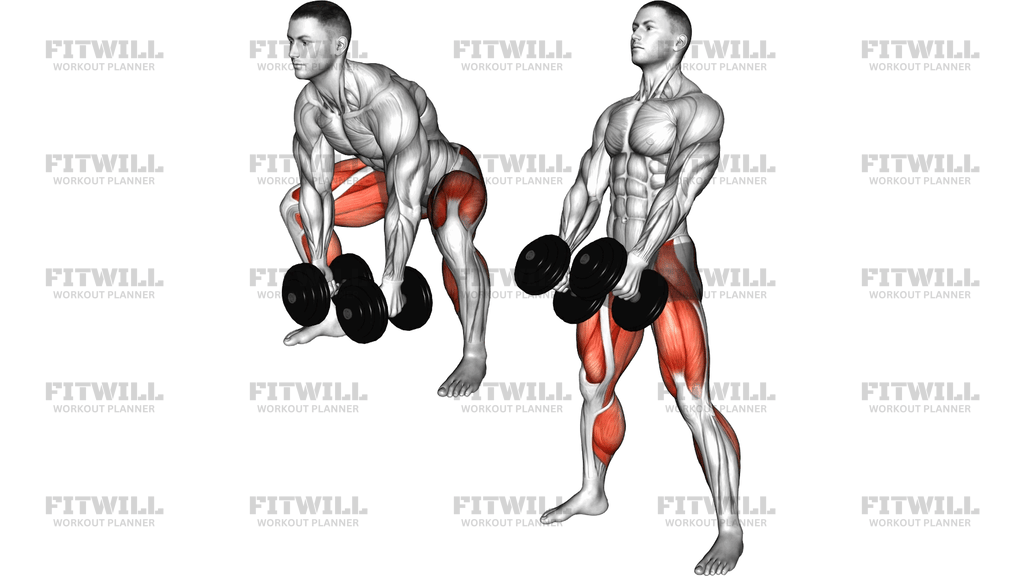
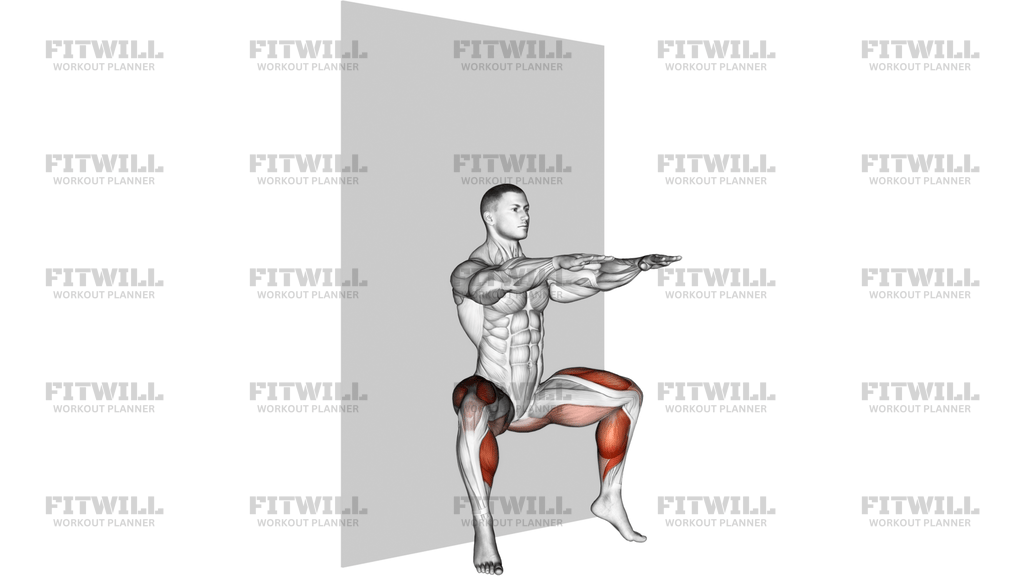
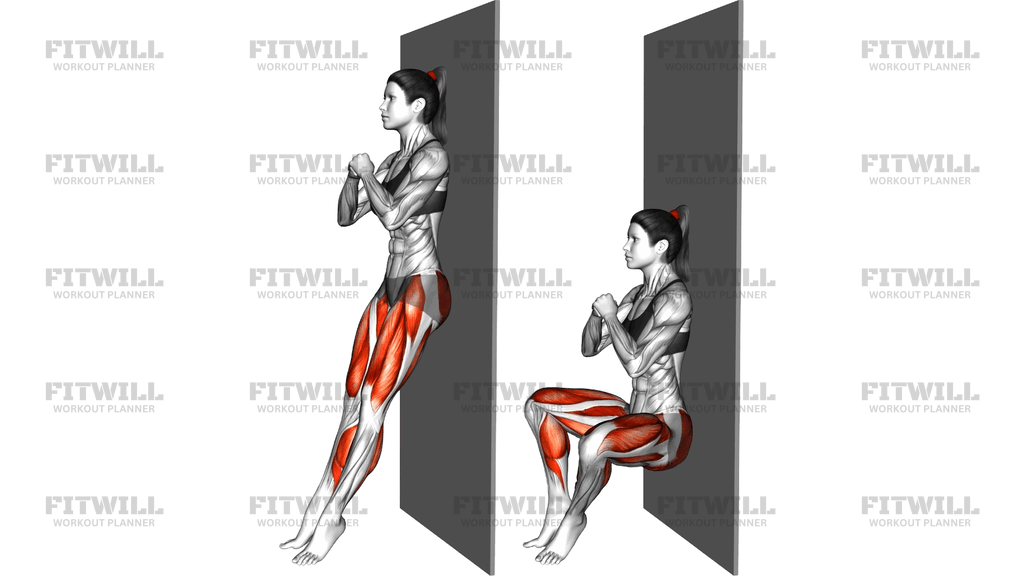
The Knees And Toes Point Out Squat Slide Wall is a body-weight squat variation performed with your back flat against a wall and your feet pulled in close together, toes and knees turned outward. Instead of squatting freely, you slide your back down the wall until your knees bend fully and your thighs fold toward your chest, then press back up along the same path. Because the wall controls your torso angle, the movement emphasizes deep knee and hip flexion while keeping constant tension on the thigh muscles.
This version is notably different from a standard wall sit or wall squat. With heels close together and the knees and toes rotated out, the inner thighs and hip external rotators are drawn into the work alongside the quadriceps, and the deep bottom position challenges hip mobility in a way most squat variations never reach. The highlighted muscles in the movement are concentrated in the thighs, glutes, and inner hip region, with stabilizing demand running through the calves and ankles as you hold the turned-out foot position.
It is especially useful for people who want to build deep-knee strength without loading a barbell, for lifters working on comfort in a deep squat position, and for anyone rehabilitating or greasing the squat pattern with immediate feedback from the wall. The wall gives you a clear reference: if your back peels away or your hips shoot up early, you know instantly and can correct it on the next rep.
Setup matters more than it looks. Stand far enough from the wall that your feet land comfortably ahead of your hips when you slide down, but close enough that your back stays in full contact throughout. Because the stance is narrow and turned out, your balance point sits between the balls of your feet and your heels, so a smooth, even slide is what keeps you from rolling onto the edges of your feet.
To execute well, slide down slowly rather than dropping into the bottom. Let your knees track out over your toes the entire way, keep your hands clasped in front of your chest for balance, and only descend as far as you can control without your heels lifting or your back arching off the wall. Pause briefly at the bottom, then drive through your whole foot to slide back up, finishing tall with your hips and shoulders stacked.
Treat this as a strength and mobility hybrid rather than a conditioning drill. Slow, controlled sets of moderate repetitions with a brief hold at the bottom give most people far better results than rushing through reps, and the exercise pairs naturally with goblet squats or sumo stance work when you want extra volume on the inner thighs and deep hip positions.
[ Workout Log & Planner ]
Put your next workout in Fitwill
Keep your plan and training log ready when you are.


Instructions
- Stand with your back flat against a wall and walk your feet in until they sit directly under or slightly behind your knees, heels close together.
- Rotate your legs from the hips so your knees and toes point outward at roughly 45 degrees, keeping the feet nearly touching.
- Clasp your hands together in front of your chest and press your head, shoulders, and lower back gently into the wall.
- Brace your core and set your weight evenly across both feet before you begin to move.
- Slide your back down the wall by bending your knees out over your toes, keeping your torso in contact with the wall the whole way.
- Descend until your knees are fully bent and your thighs are drawn close to your chest, stopping earlier if your heels start to lift.
- Pause for one to two seconds at the bottom, keeping your knees pressed outward and your weight centered over your feet.
- Press through your heels and the balls of your feet to slide back up the wall until your legs are nearly straight.
- Exhale on the way up and inhale as you lower, keeping your breathing steady through the set.
- At the end of the set, step your feet away from the wall one at a time and stand up out of the lean.
Tips & Tricks
- The most common mistake is letting the knees cave inward at the bottom. Actively push your knees out over your little toes, especially during the last few inches of the descent.
- If your heels lift as you get deep, you have walked your feet too close to the wall. Reset with your feet a few inches farther out so your shins can angle back.
- Keep your lower back in contact with the wall instead of arching off it as you slide down. If your back peels away, reduce your depth before anything else.
- Do not rush the return. Sliding up too fast usually makes the hips shoot up first and steals tension from the quads, so drive the whole body up as one piece.
- Since the stance is narrow and turned out, watch for weight rolling onto the outer edges of your feet. Spread the floor slightly with your toes to keep the whole foot loaded.
- A brief pause at the bottom turns this from a momentum drill into a genuine strength and mobility stimulus, so own the deep position rather than bouncing out of it.
- Wear shoes with a flat, grippy sole or go barefoot. Slick soles make the turned-out foot position unstable on hard floors.
- If deep flexion feels pinching at the front of the hip, try a slightly shallower depth for a week or two before pushing range; the wall makes it easy to standardize depth by marking where your hips reach.
- Keep your hands clasped at chest height rather than bracing on your thighs, which lets your legs do the work instead of your arms.
Frequently Asked Questions
What muscles does the Knees And Toes Point Out Squat Slide Wall work?
The quadriceps do most of the work since they control the deep knee bend against the wall. The glutes, inner thighs, and calves stabilize the turned-out stance, especially in the bottom position.
Why do the knees and toes point outward in this exercise instead of staying straight ahead?
The outward rotation comes from the hips and shifts more work to the inner thighs and hip external rotators while letting most people reach a deeper, more comfortable bottom position. It also mimics the foot position used in sumo and plié-style squatting.
Is the Knees And Toes Point Out Squat Slide Wall good for beginners?
Yes, because the wall guides the torso and removes the balance demands of a free squat. Beginners should start with a partial depth and gradually slide lower as their knees, hips, and heels allow.
How close should my feet be to the wall?
Close enough that your knees can bend deeply without your feet sliding forward, but far enough that your heels stay flat at the bottom. If your heels lift, move your feet a few inches away from the wall and try again.
What is the most common mistake with this movement?
Letting the knees collapse inward at the bottom of the slide. Keep pushing your knees outward over your toes throughout the descent, and keep your back flat against the wall rather than arching off it.
How deep should I slide down the wall?
Aim for a bottom position where your knees are fully bent and your thighs are near your chest, but only go as deep as you can while keeping your heels down, your knees tracking out, and your back on the wall. Depth can progress over weeks.
What can I use if I do not have a clear wall space?
Any sturdy, flat vertical surface works, such as a door or a stable pillar. Avoid sliding against anything with trim, handles, or a textured surface that could catch your clothing or back.
How does this differ from a regular wall sit?
A wall sit holds a static 90-degree angle, while this exercise slides through a full range from standing to a deep flexed position and back. The narrow, turned-out stance also loads the inner thighs far more than a conventional wall sit.
Is it safe if I have knee discomfort in the deep position?
Deep knee flexion can feel intense, so if you notice sharp pain rather than working muscles, reduce your depth and keep your knees actively tracking outward. If discomfort persists, check with a qualified professional before continuing.
How many reps and sets should I do?
Two to four sets of 8 to 12 slow slides with a one-second pause at the bottom is a solid starting point. Because the movement is body weight, prioritize control and depth over rep count.