Stepback Row
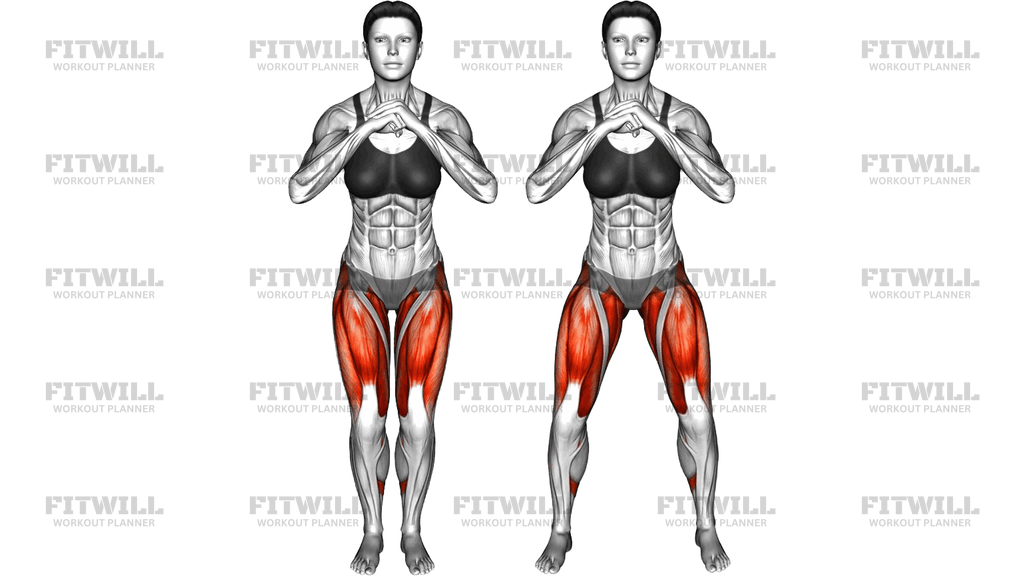
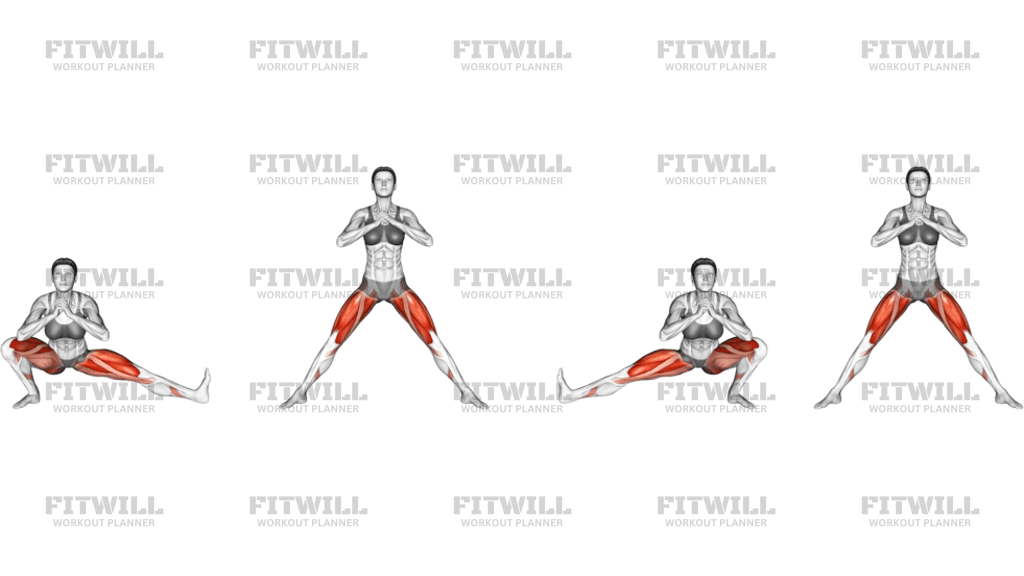
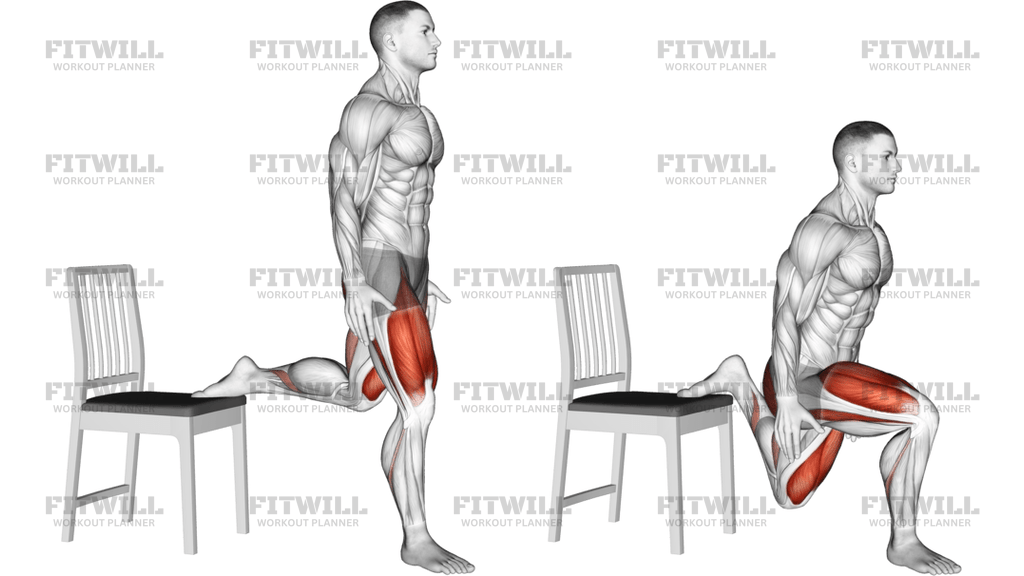
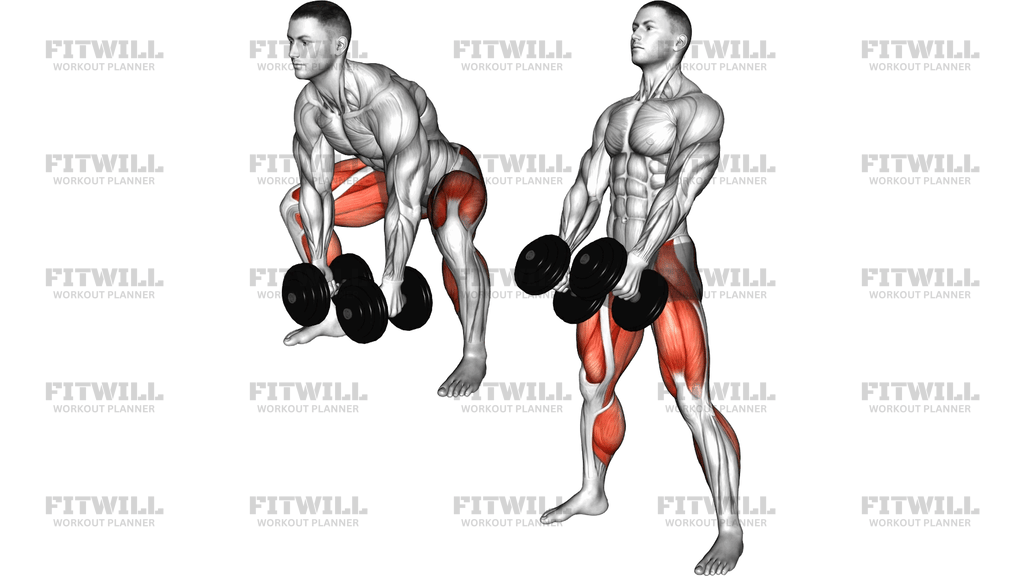
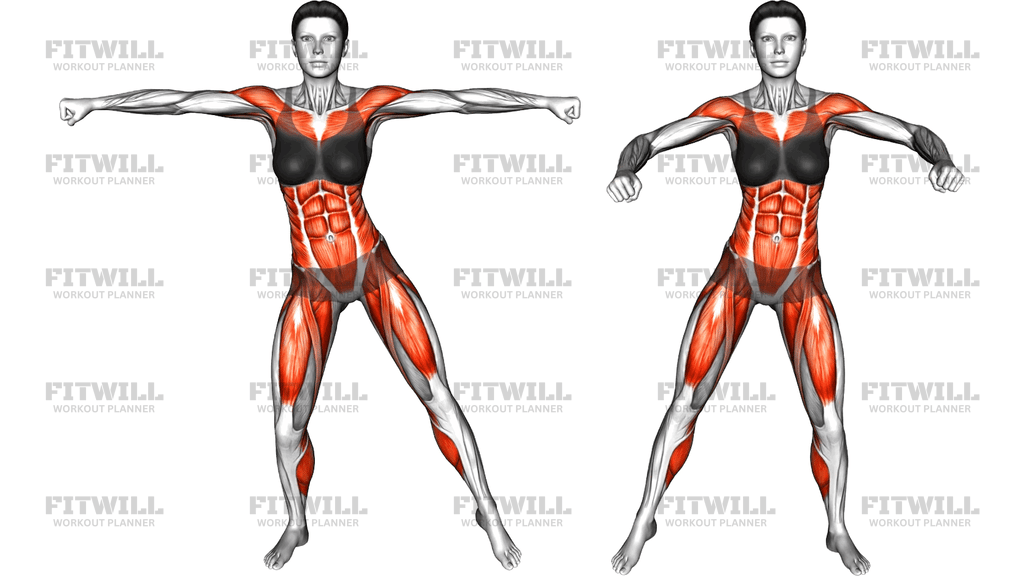
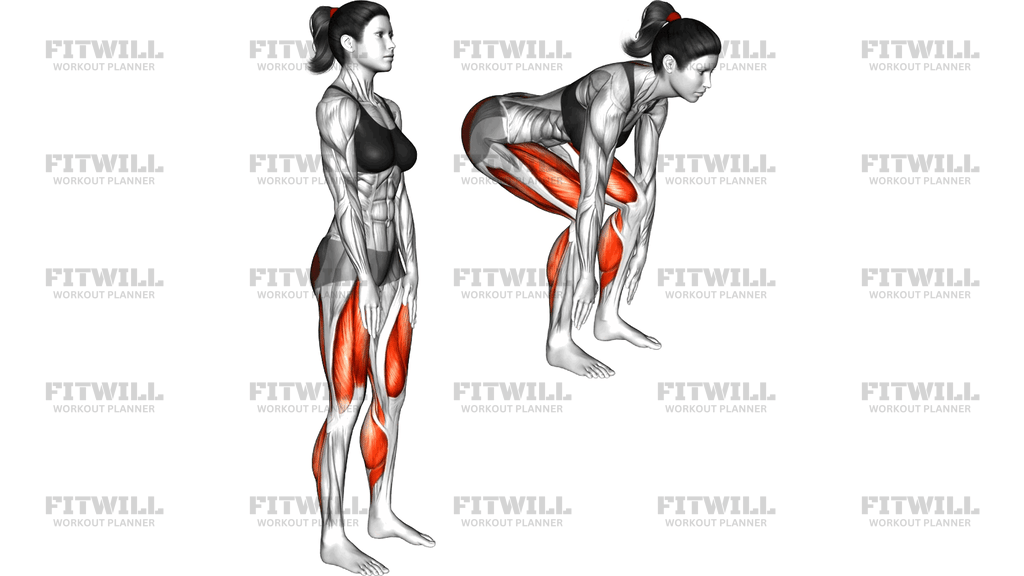
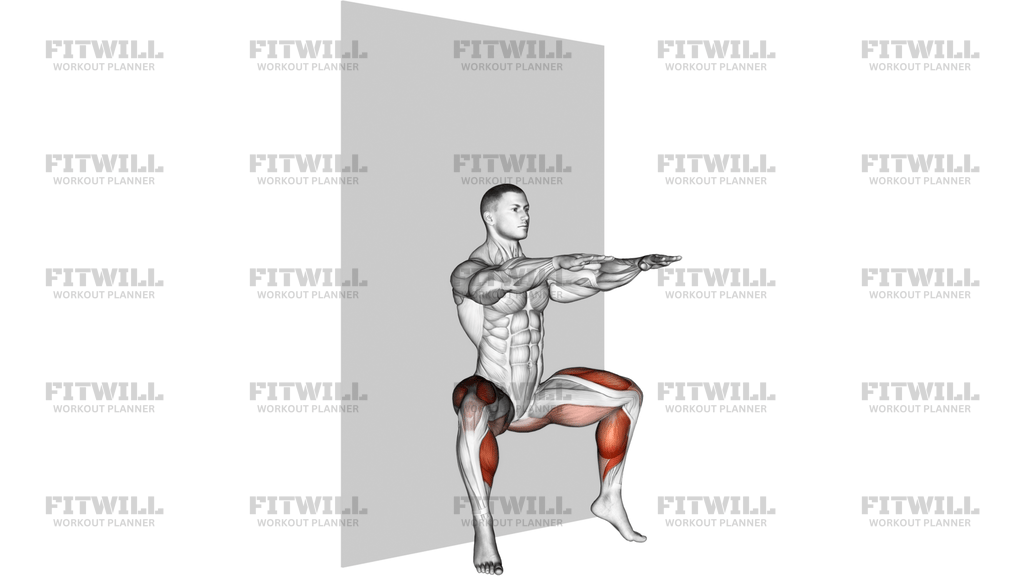
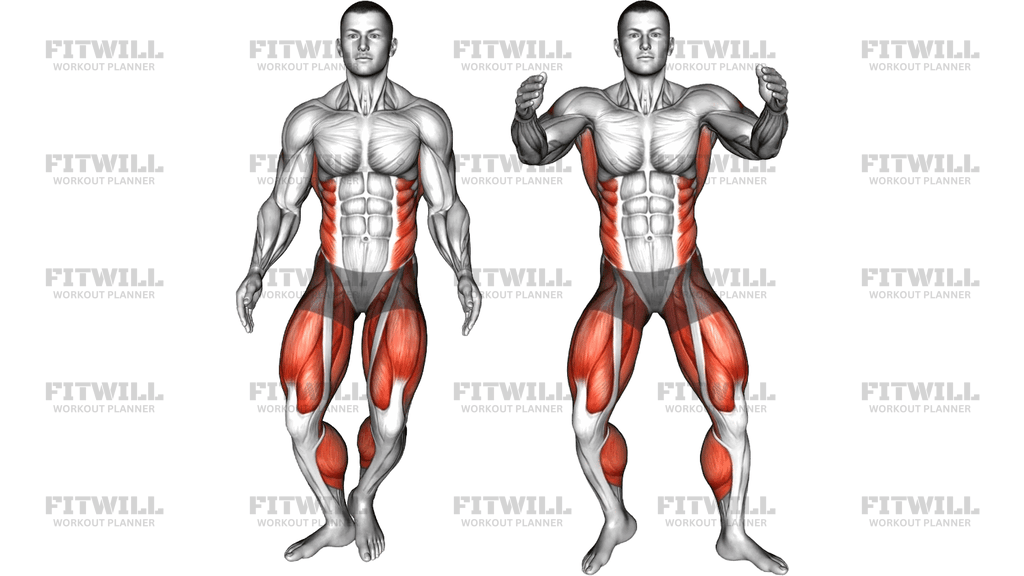
The Stepback Row is a standing bodyweight drill that combines a staggered-stance step with the arms held straight out in front of the body. From a tall standing position, you extend both arms forward to shoulder height, brace your trunk, and step one foot back into a controlled split stance while keeping your torso upright and your arms level. The front leg carries most of your weight, which loads the quadriceps and glutes, while the outstretched arms force the core and shoulder muscles to work continuously to hold the position.
This movement is especially useful for people who want to build single-leg stability without equipment. Because the arms reach forward, your center of gravity shifts slightly ahead of your hips, which makes the stepback genuinely challenging for balance. The front quadriceps work to control the descent as you lower into the stance, the glutes and hamstrings of the front leg steady the hip, and the rear leg's calf and hip stabilizers manage the trailing position. Holding the arms up also keeps the front shoulders and upper back lightly engaged for the entire set.
Setup matters more here than it looks. If your arms drift or your torso leans back, you lose the forward weight shift that makes the front leg work, and the drill turns into a lazy lunge. Stand with feet hip-width apart, raise the arms to shoulder height with elbows straight but not locked, and only then begin the step. A slower, shorter stepback with a tall spine beats a long, rushed stride every time.
To execute well, step one foot straight back and land on the ball of that foot, then bend the front knee just enough to feel the thigh and glute take load. Keep your hips square to the front, squeeze the glute of the trailing leg, and hold the finished position for a beat before stepping back to standing. Alternate legs or complete all reps on one side first, depending on your balance.
The Stepback Row fits well into warm-ups, balance circuits, lower-body activation blocks, and rehab-style programs where loaded lunges are too aggressive. It is also a practical teaching tool for the split stance itself, since it rehearses the hip position and upright torso you need for lunges, split squats, and single-leg work later on.
Keep the workload honest: this is not a maximum-effort lift, it is a control drill. If you wobble badly or your front knee collapses inward, shorten the step or hold onto a sturdy surface with one hand until your stability improves. Stop if you feel sharp knee pain, and progress by lengthening the hold or adding reps rather than rushing the tempo.
[ Workout Log & Planner ]
Put your next workout in Fitwill
Keep your plan and training log ready when you are.


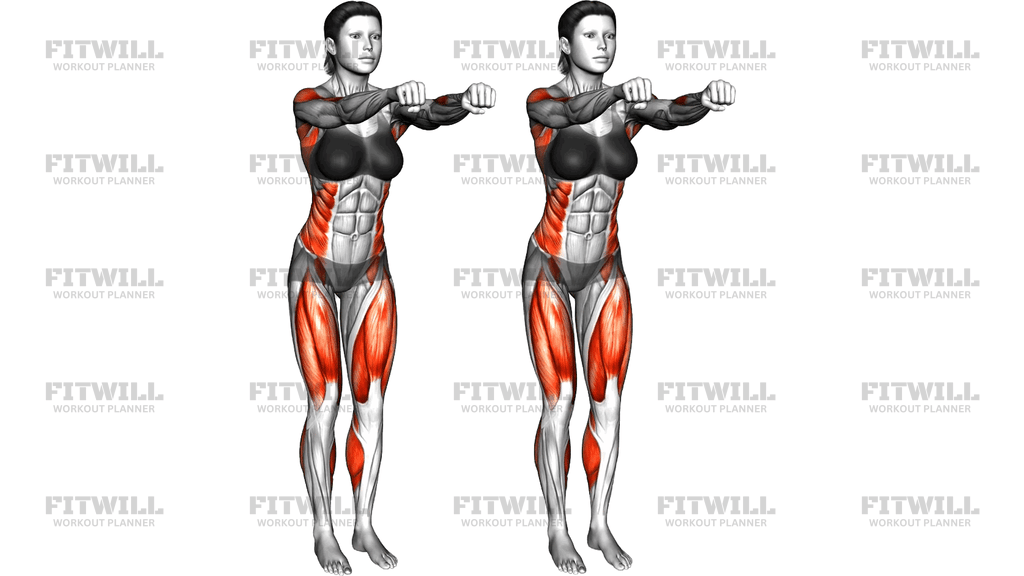
Instructions
- Stand tall with your feet hip-width apart and your weight evenly distributed through both feet.
- Raise both arms straight out in front of you to shoulder height, elbows extended but not locked, hands relaxed.
- Draw your belly button in slightly and squeeze your glutes to brace your trunk before moving.
- Shift your weight onto one leg, then step the other foot straight back, landing on the ball of that foot.
- Lower into a shallow split stance by bending the front knee, keeping your torso upright and hips facing forward.
- Hold the bottom position for one to two seconds, feeling the front thigh and glute support your weight while your arms stay level with the floor.
- Push through the front foot to stand back up and bring the rear leg forward to the starting stance.
- Exhale as you step back and lower, and inhale as you return to standing.
- Repeat on the same leg for your planned reps or alternate legs each rep, resetting your brace and arm height before every step.
Tips & Tricks
- If your arms drop as you fatigue, that is usually the first sign the step is getting sloppy—lower them deliberately back to shoulder height or end the set.
- A common mistake is stepping back too far, which turns the drill into a deep lunge and rounds the lower back; shorten the stride until you can keep your ribs stacked over your hips.
- Keep the trailing heel lifted and that glute squeezed—if the rear foot rolls outward or goes flat, your hip is rotating instead of staying square.
- Watch that the front knee tracks over the middle of the foot; a knee that dives inward shifts stress to the joint instead of the quadriceps.
- Resist the urge to lean your chest back to counterbalance the forward-reaching arms; a slight forward shift of the torso is normal, a backward lean means you have lost the front-leg load.
- Move your gaze to a fixed point at eye level rather than looking down at your feet—this noticeably steadies the balance component.
- If balance is the limiting factor, lightly touch a wall or railing with your fingertips rather than gripping it, so the legs still do the stabilizing work.
- Progress by pausing two to three seconds at the bottom of each rep or slowing the stepback to a three-count before adding volume.
Frequently Asked Questions
What muscles does the Stepback Row work?
The front leg's quadriceps and glutes do the main support work, while the hamstrings and calves of both legs stabilize the split stance. Holding the arms straight out also keeps the front shoulders and core, especially the obliques, under continuous tension.
Is the Stepback Row suitable for beginners?
Yes, as long as the stepback stays shallow and controlled. Beginners can hold a wall or chair lightly with one hand until the balance demand feels manageable.
Why are the arms held straight forward during the Stepback Row?
The forward arm position shifts your center of gravity slightly ahead of your hips, which loads the front leg and forces the core and shoulders to hold an isometric position. It also makes it obvious when your torso starts to lean or drift.
Should I alternate legs or do all reps on one side?
Either works. Alternating keeps the effort even, but doing one side first exposes and helps correct left-right strength or balance differences.
How deep should the stepback go?
Only as deep as you can keep your torso upright, hips square, and front knee tracking over the foot. A shallow split stance with a one- to two-second hold is enough to train the position.
What is the most common mistake in this exercise?
Rushing the step and letting the arms sink. Both usually happen together and turn a controlled stability drill into an unsteady, momentum-driven lunge.
Can I use the Stepback Row as a warm-up?
It works well as one. A set of slow stepbacks wakes up the quads, glutes, and balance system before lunges, squats, or any single-leg training.
What can I substitute if my balance is poor?
Try a static split stance hold with both hands on a sturdy support, or a reverse lunge where the rear foot touches down fully each rep. Progress to the unsupported Stepback Row as control improves.
Is it safe for my knees?
For most people, yes, when the front knee stays aligned over the foot and the depth stays moderate. If you have a knee injury or feel sharp pain during the stepback, check with a qualified professional before continuing.