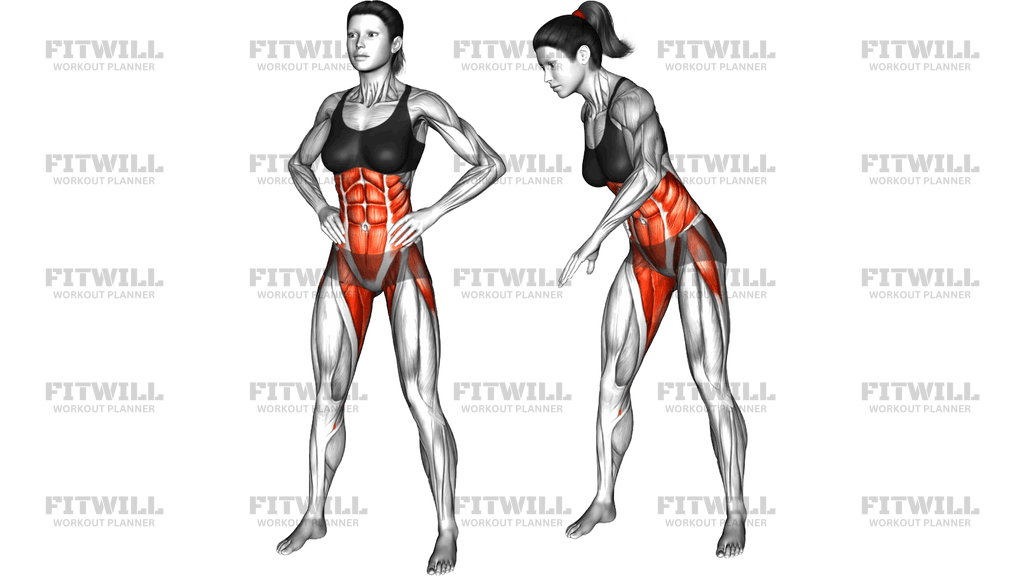
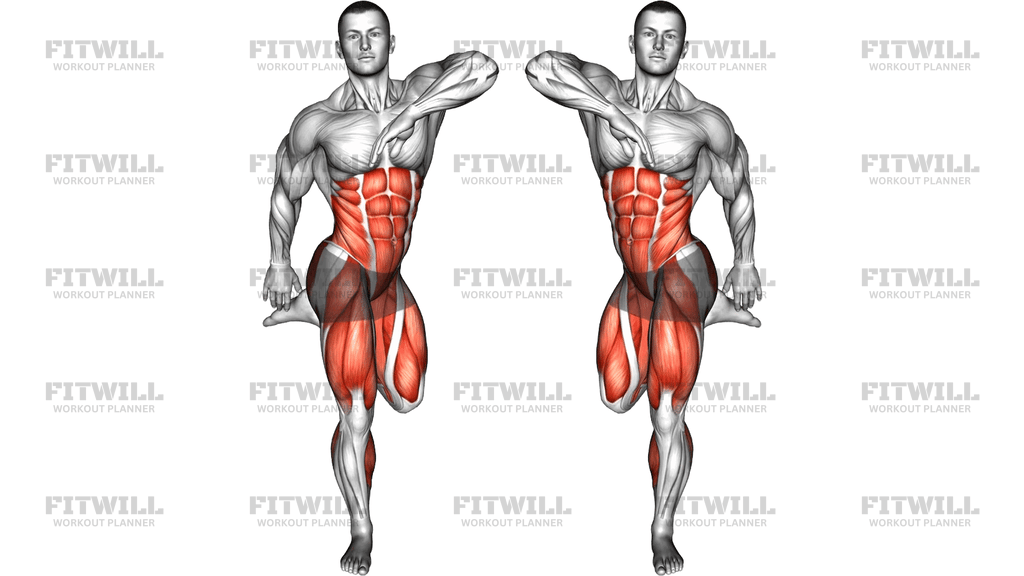
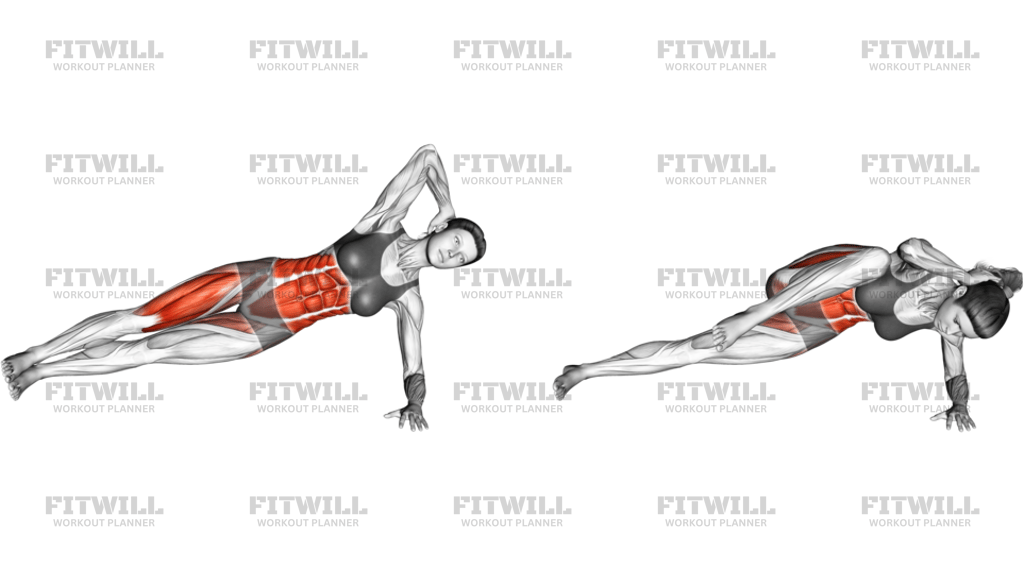
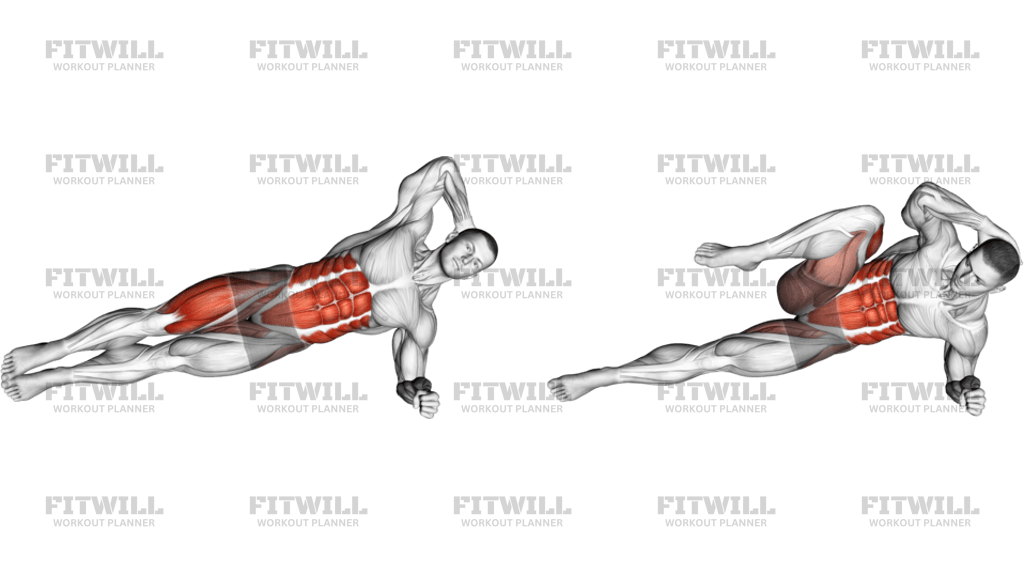
Spine (Lumbar) Flexion
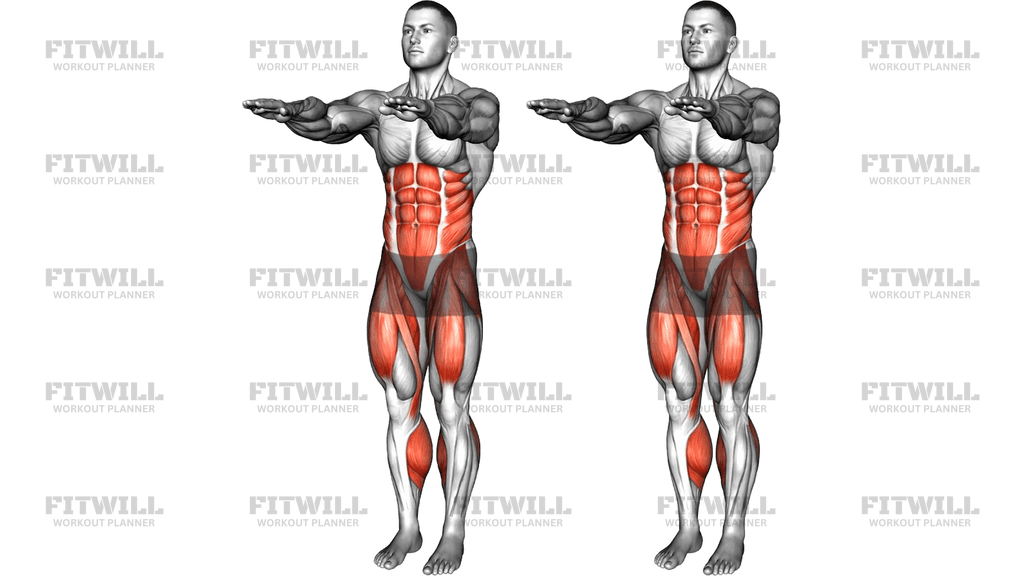
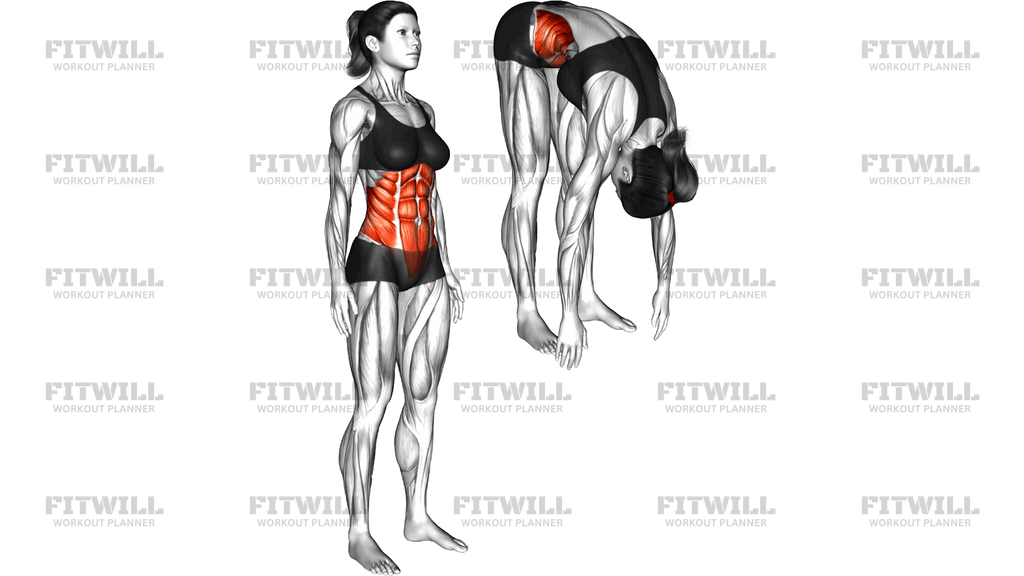
Spine (Lumbar) Flexion is a standing bodyweight movement in which you roll your torso forward from the top down, curling the lower back into a rounded position and letting the head and arms hang toward the floor before unrolling back to tall standing. Unlike a stiff-legged hip hinge, the emphasis here is on the spine itself bending segment by segment, which is what gives the abdominal wall its work and gives the lower back a gentle, controlled stretch.
This movement trains the rectus abdominis and the deeper trunk muscles as they actively pull the ribcage toward the pelvis, and it also takes the erector spinae through a lengthened range that most people rarely visit outside of forward folds. Because you are standing and working against only your own bodyweight, it is an accessible way to teach the difference between bending from the spine and hinging from the hips - a distinction many beginners never learn.
It fits well into warm-ups before squatting or hinging patterns, cooldowns after heavy lifting days, and general mobility routines for people who sit for long hours and feel stiff through the mid and lower back. Office workers, older trainees, and anyone rebuilding basic trunk control after a long layoff tend to benefit the most from practicing it slowly and deliberately.
Setup is simple but matters. Stand with feet about hip-width apart, knees soft rather than locked, and weight balanced across the whole foot. A soft knee allows the pelvis to move freely; locked knees pull on the hamstrings and limit how far the spine can round. Keep the neck relaxed and let the arms stay heavy throughout.
Execution quality comes from pacing. Tuck the chin, then curl down through the chest, ribs, and finally the lower back, exhaling as you descend so the abdominals can shorten fully. At the bottom your torso hangs with the head toward the floor and arms dangling loose. Return by stacking the pelvis first, then peeling the spine back up one section at a time until the head is last.
Move within a comfortable range and avoid forcing the fold deeper by pulling with the hands or bouncing. The goal is smooth, segment-by-segment control, not touching the toes. If you feel sharp pain, dizziness, or nerve-type sensations down the leg, stop and reduce the range or seek guidance from a qualified professional before continuing.
[ Workout Log & Planner ]
Put your next workout in Fitwill
Keep your plan and training log ready when you are.


Instructions
- Stand tall with your feet hip-width apart, knees soft, and your weight spread evenly across both feet.
- Let your arms hang naturally at your sides with the shoulders relaxed and no tension in the hands.
- Take a breath in, then exhale as you tuck your chin gently toward your chest.
- Continue curling down by drawing the ribs toward the pelvis, letting the upper back round forward.
- Keep going until your lower back rounds and your torso hangs over your legs with the head and arms relaxed toward the floor.
- Hold the folded position for a brief moment, breathing steadily, letting the lower back lengthen.
- Reverse the movement by rolling the pelvis under and stacking the lower back first, then the mid back, ribs, and chest.
- Bring your head up last, finishing in the same tall standing position you started from.
- Inhale as you return to standing, then reset your posture and repeat for the desired number of repetitions.
Tips & Tricks
- The most common mistake is hinging at the hips with a flat back instead of rounding the spine - you should feel your abdominals doing the curling, not your hamstrings doing all the work.
- Do not reach for your toes; pulling with the hands turns this into a hamstring stretch and takes tension away from the spinal flexion you are trying to train.
- If your hamstrings limit how far you fold, bend the knees more rather than straining to go deeper - the knees can stay as bent as needed the entire time.
- Exhale on the way down; holding your breath keeps the ribcage flared and makes it harder for the abdominals to shorten fully.
- Keep the neck completely passive. Tilting the head up mid-movement strains the neck and breaks the smooth curve of the spine.
- Avoid dropping into the fold quickly and letting gravity snap you over - the descent should take several seconds so each part of the spine contributes.
- If you feel lightheaded coming back up, rise in stages and pause halfway; standing up too fast from a folded position is the usual culprit.
- One slow, complete roll-down is worth more than several quick bobbing repetitions - keep the tempo consistent from top to bottom and back.
Frequently Asked Questions
Which muscles does Spine (Lumbar) Flexion work?
The primary muscles are the abs, especially the rectus abdominis, which pulls the ribs toward the pelvis as you curl down. The lower back muscles and hip flexors assist and are taken through a lengthened range at the bottom of the fold.
Is Spine (Lumbar) Flexion suitable for beginners?
Yes, it is one of the most approachable trunk exercises because it uses only bodyweight and requires no equipment. Beginners should focus on moving slowly and staying within a range where the fold feels comfortable rather than forced.
How is Spine (Lumbar) Flexion different from a standing forward fold stretch?
A forward fold is usually a passive hang driven by tipping from the hips, while this movement asks you to actively round the spine segment by segment using the abdominals. The emphasis is on controlled spinal curling, not on reaching the floor.
Why do my hamstrings tighten before my back rounds?
Tight hamstrings tug on the pelvis and stop it from rotating, which limits the spinal curl. Bend your knees more so the pelvis is free to tuck, and the rounding will improve without any forcing.
How many repetitions of Spine (Lumbar) Flexion should I do?
Five to eight slow, controlled repetitions work well as a warm-up or mobility drill. Quality matters far more than volume here, so stop once the curling motion becomes rushed or shallow.
Should my knees be straight or bent?
Keep them soft or slightly bent. Locking the knees pulls tension into the hamstrings and the back of the knee, which restricts the pelvic tuck that the lower back needs in order to round.
Can I do this exercise every day?
Yes, its low load makes it a reasonable daily mobility practice. If you notice lingering soreness through the lower back, reduce the range or frequency and let the area settle before resuming.
Who should be careful with Spine (Lumbar) Flexion?
Anyone with a history of disc-related lower back issues or osteoporosis should check with a healthcare professional before adding repeated flexion under load or at end range. Stop immediately if you feel sharp pain or symptoms radiating down a leg.
What can I use instead if standing is uncomfortable?
Lying spinal flexion variations, such as knees-to-chest draws or small pelvic curls on the floor, train the same abdominal-driven rounding with the back fully supported. Seated cat-cow is another gentle substitute for stiff days.