Walking Side Step Row
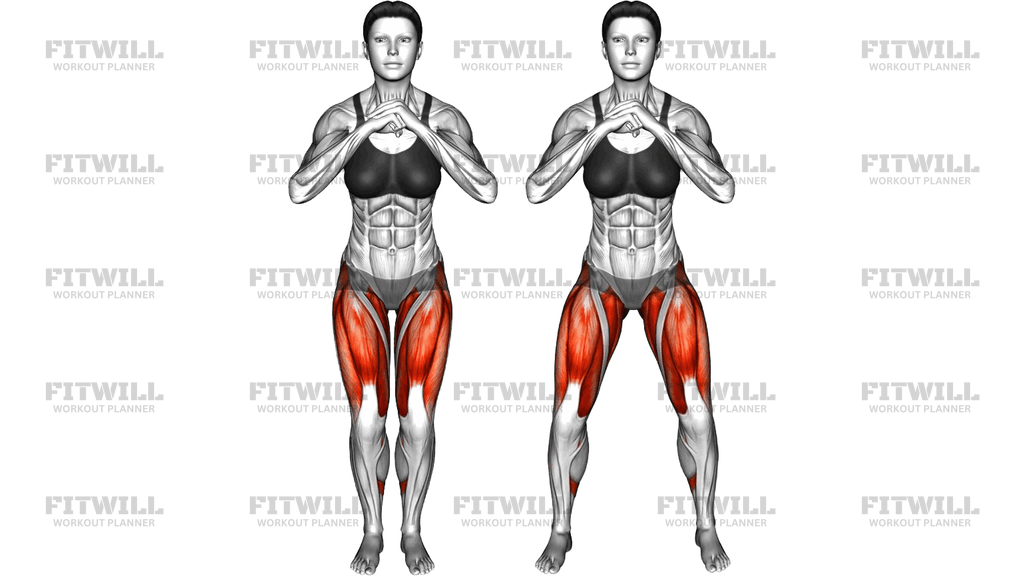
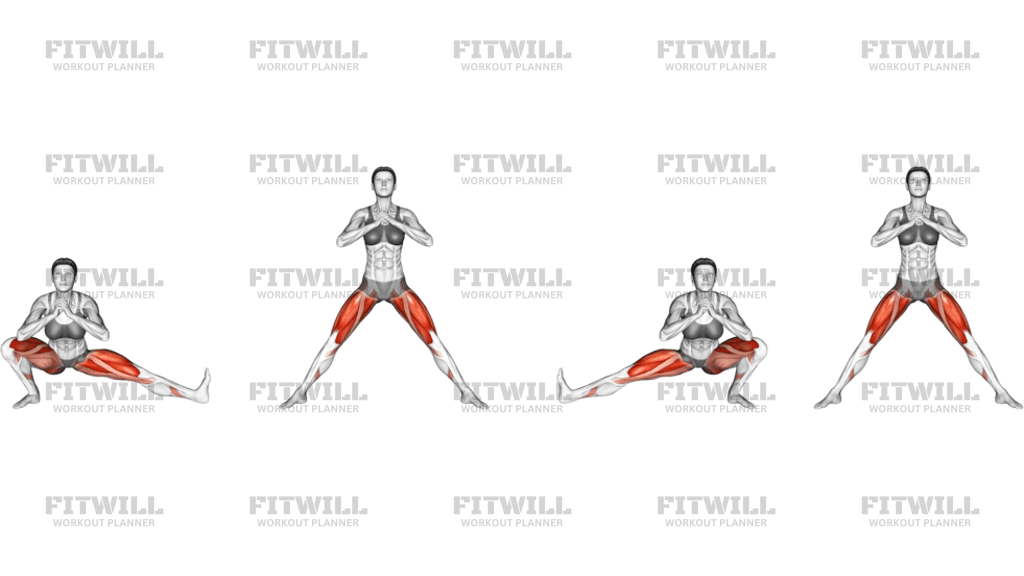
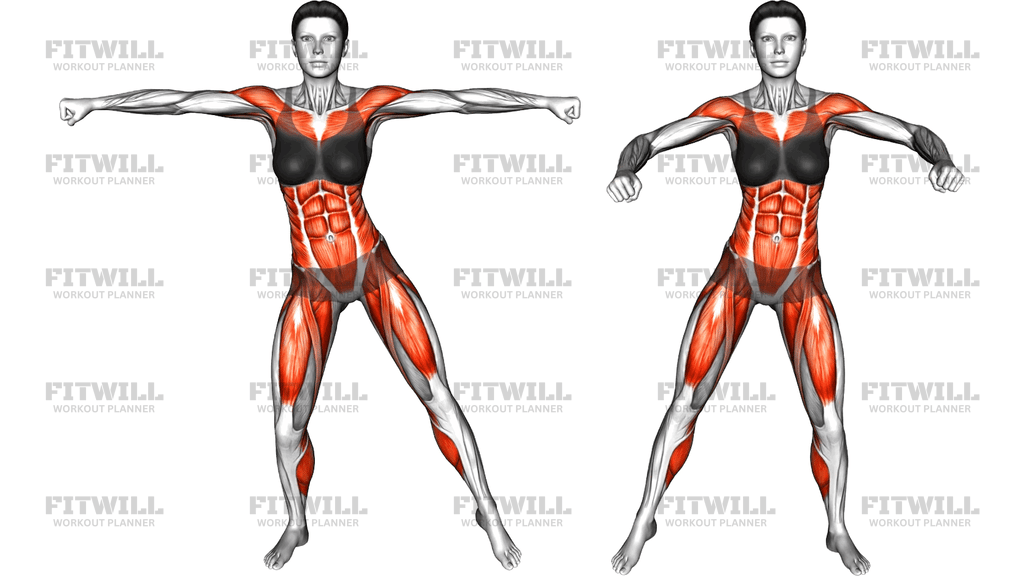
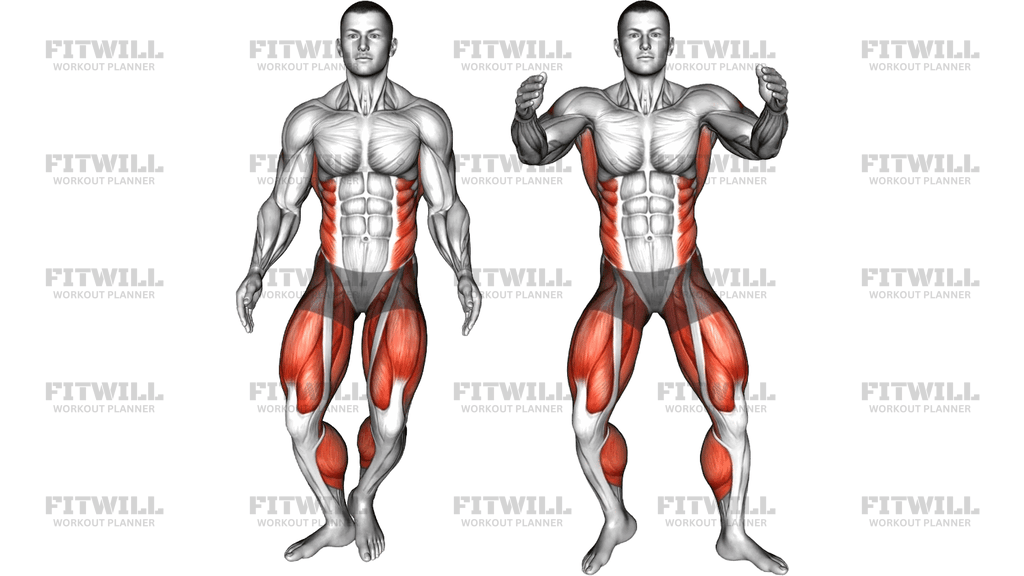
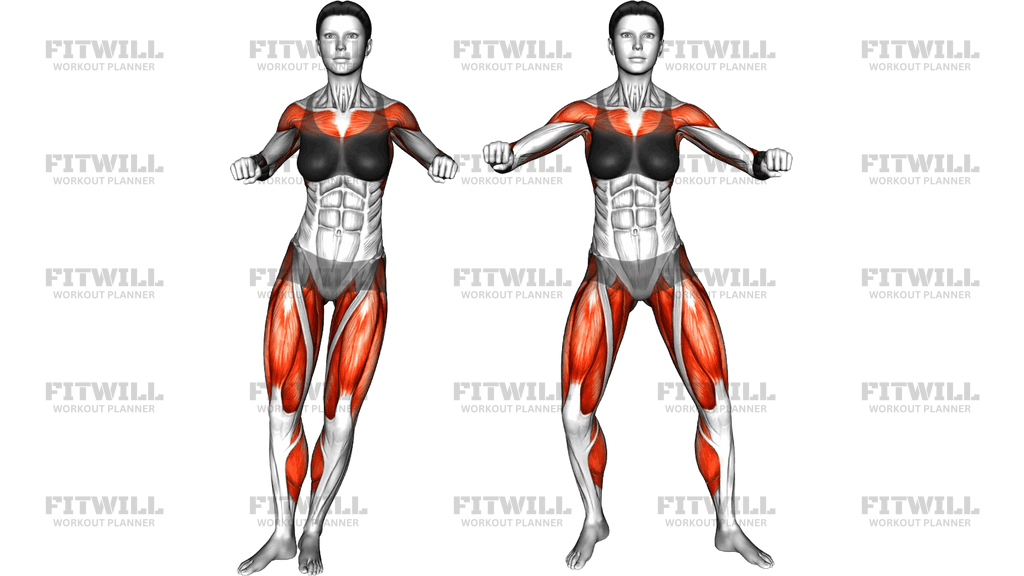
The Walking Side Step Row is a standing bodyweight movement that combines lateral stepping with a rhythmic rowing motion of the arms. From an upright stance, you step out to one side, sit slightly into that hip, and sweep your arms out and back at shoulder height as if pulling something toward you, then bring your feet together and repeat on the other side. Because you keep traveling sideways with each repetition, the drill doubles as a low-impact conditioning move that raises your breathing rate while your legs do the work.
This exercise is a good fit for warm-ups, home workouts, and general strength and mobility sessions where no equipment is available. The side-to-side stepping pattern trains the quadriceps, glutes, and inner thighs in the frontal plane, which most people's training neglects since so many exercises move only forward and back. The sweeping arm action brings the mid-back and shoulders into play, particularly the area between the shoulder blades, while the trunk has to stay braced and controlled as your weight shifts from leg to leg.
Setup matters more than it looks. Your torso should stay tall, your knees should track over your toes as you sit into each step, and your arms should move from the shoulders rather than from a swinging torso. If you let the chest collapse or the knees cave inward on each side step, you lose most of the hip and upper back benefit and put unnecessary stress on the knees.
To execute it well, think of two coordinated actions: the lower body side-steps and settles with control, while the upper body rows the arms out and back with intent, elbows slightly soft and fists relaxed. The rhythm should feel smooth rather than rushed — one complete row per step. Keep your weight in the mid-foot and heel of the stepping leg so the glutes, not just the knees, absorb the load.
Common use cases include dynamic warm-ups before leg training, active recovery circuits, cardio intervals at home, and rehab-style return-to-training work where low-impact lateral movement is needed. Because the intensity scales with step width, tempo, and how deep you sit into each step, it works for beginners and advanced trainees alike without any equipment changes.
From a safety standpoint, the main things to watch are knee alignment and pace. Step only as wide as you can control without the knees collapsing in, and keep the movement quiet — landing softly with each step is a simple check that you are absorbing force through the muscles rather than dumping it into the joints.
[ Workout Log & Planner ]
Put your next workout in Fitwill
Keep your plan and training log ready when you are.


Instructions
- Stand tall with your feet together, arms hanging at your sides, and your gaze forward.
- Brace your core lightly and lift your chest so your torso stays upright throughout the set.
- Take a controlled step out to the right, roughly shoulder-width to slightly wider, and shift your weight into the right foot.
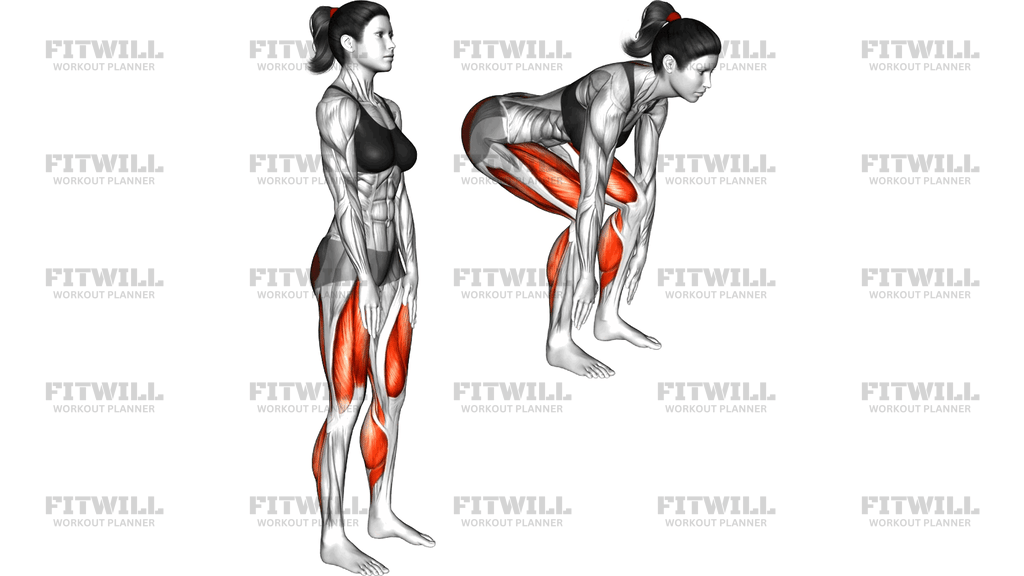
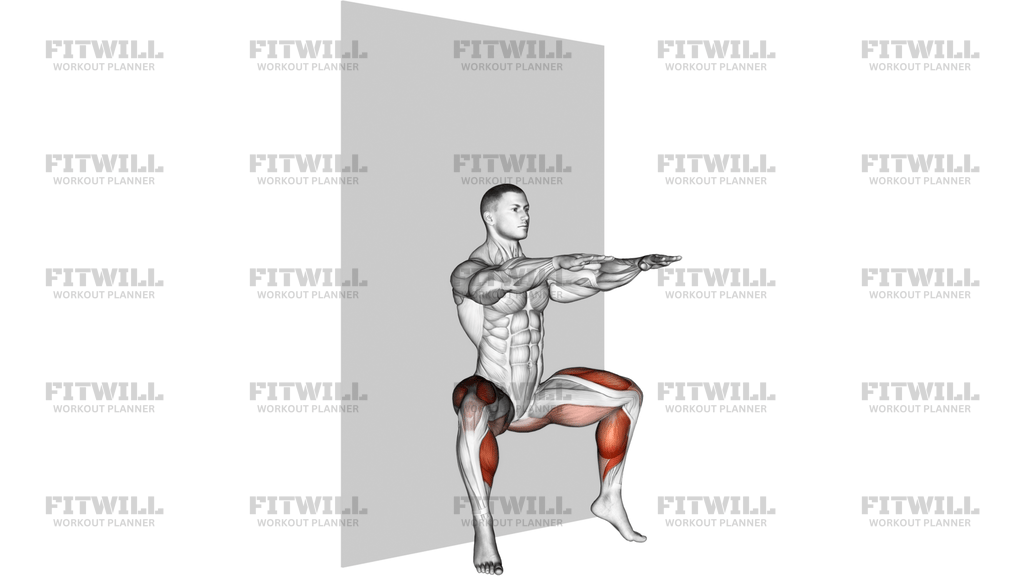
- As you plant the foot, bend the right knee and sit your hip back slightly, keeping the knee stacked over the toes.
- Simultaneously raise both arms out to your sides at shoulder height and pull your elbows back in a rowing motion, squeezing your shoulder blades together.
- Press through the right foot to straighten the leg and bring your left foot in to meet it, letting your arms lower back to your sides.
- Repeat the same step-and-row sequence to the left, continuing to alternate sides for the desired distance or repetitions.
- Exhale as you step and row, and inhale as the feet come together and the arms lower.
- Reset your posture between reps if you notice your chest dropping or your knees drifting inward.
Tips & Tricks
- A common mistake is turning this into a shallow bounce — actually load the stepping hip each rep so the glutes and quads do the work instead of the knees.
- If your knees cave inward on the side step, think about spreading the floor with the stepping foot and steering the knee over the second and third toes.
- Keep the rowing action deliberate: squeeze the shoulder blades at the end of the pull rather than flinging the arms out with momentum.
- Avoid shrugging toward your ears as the arms lift; relax the shoulders down so the mid-back, not the neck, does the pulling.
- Widen the step gradually. Start narrow and only increase the width as long as you can keep the torso tall and the knee tracking clean.
- If you feel it only in your knees, you are likely stepping too fast and too wide — slow the tempo down and sit back into the hip more.
- Stay light on your feet. Soft, quiet landings with each step are a sign you are controlling the movement rather than crashing side to side.
- For a conditioning version, speed up the rhythm slightly but keep the row crisp; for a strength and mobility version, hold the row position for a beat on each step.
- Keep your head level and eyes forward. Looking down at your feet tends to round the upper back right when you need it open for the row.
Frequently Asked Questions
What muscles does the Walking Side Step Row work?
The main work comes from the quadriceps, glutes, and inner thighs during the side step, while the rowing arm action targets the mid-back and shoulder area. The core stays engaged throughout to keep your torso upright as your weight shifts side to side.
Do I need any equipment for the Walking Side Step Row?
No, it is a bodyweight movement that only requires a few feet of clear space to walk sideways. You can add a light resistance band around the wrists or a weight in each hand later to increase the challenge.
How wide should my side step be?
Start at about shoulder width and only go wider if you can keep your knee stacked over your toes and your torso tall. A wider step loads the hips and inner thighs more, but only take the range you can control with clean knee tracking.
Should the arms lift straight out to the sides or pull back like a row?
The arms rise to shoulder height out to the sides and then pull back in a rowing motion, as if drawing something toward your chest. The key is that the pull comes from the shoulder blades, not from swinging the torso.
Is the Walking Side Step Row good for beginners?
Yes, it is low impact and easy to scale by adjusting step width, depth, and tempo. Beginners should start with narrow steps and a slow rhythm before adding speed or a deeper sit into each hip.
Can I use this exercise as cardio?
Yes. Because you keep traveling sideways with continuous steps, your breathing and heart rate climb steadily. Faster continuous stepping for a set time makes it an effective low-impact cardio interval.
Why do my knees feel stressed when I step to the side?
This usually means the knee is collapsing inward or you are stepping wider than your hips can control. Slow down, sit back into the hip of the stepping leg, and steer the knee over the toes rather than letting it drift inward.
How can I make the Walking Side Step Row harder?
Hold the row position for a two-count on each step, deepen the sit into each hip, or add a light resistance band around the wrists so the arm pull has to work against tension. Increasing speed also raises the conditioning demand.
Where should my weight be on each side step?
Keep your weight over the mid-foot and heel of the stepping leg, not rolled onto the toes or the inside edge of the foot. This lets the glutes absorb the load and keeps the knee in a stable position.
What can I substitute if sideways space is limited?
Perform the movement stepping in place, stepping out and back to center on each side instead of traveling. You keep the same hip-loading and rowing pattern without needing a long hallway.