Standing Single Air Bike
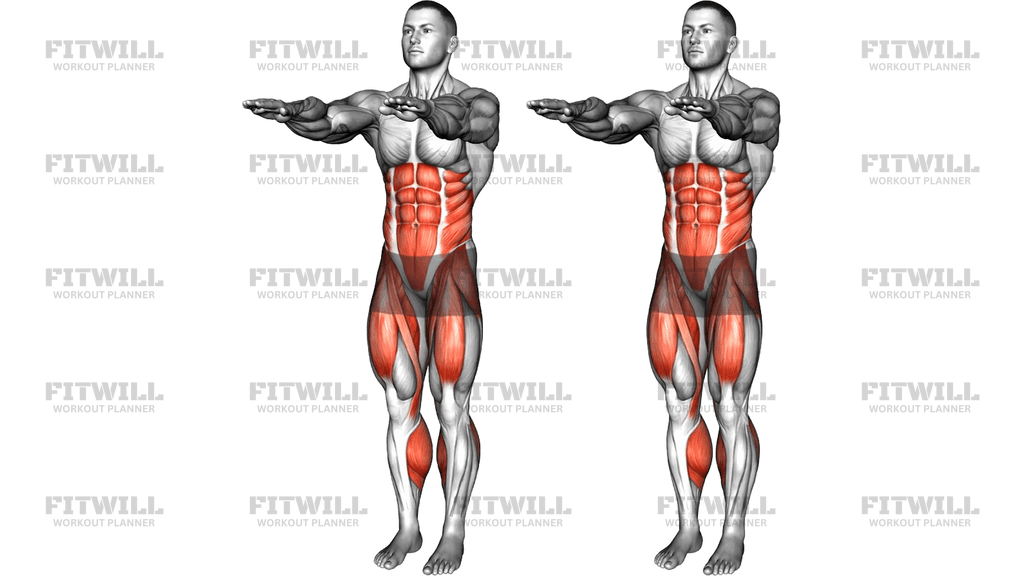
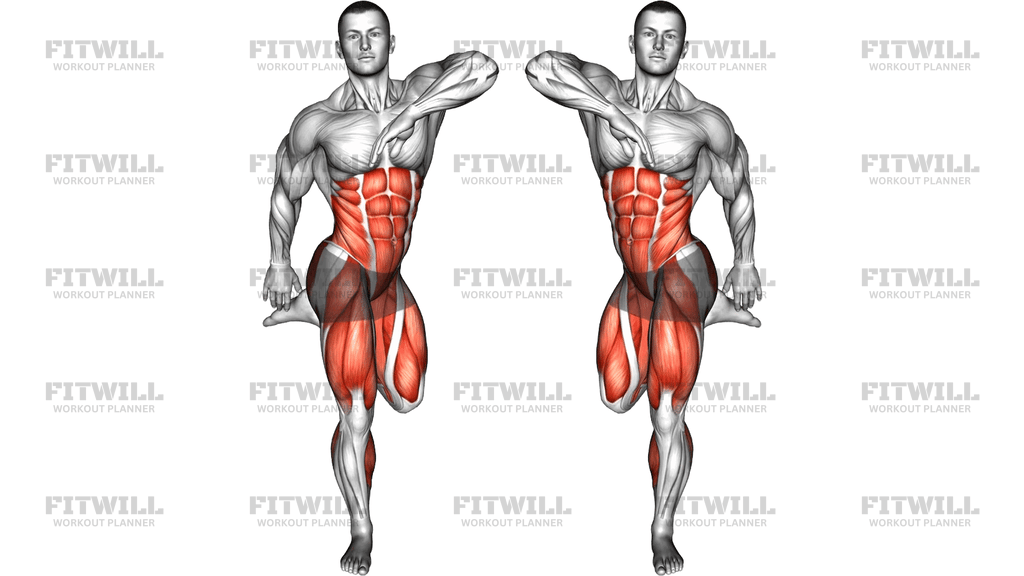
The Standing Single Air Bike is a body weight core exercise that takes the familiar bicycle crunch off the floor and puts you on your feet. Standing tall with your hands placed lightly behind your head, you lift one knee up across your body while rotating your opposite elbow down toward it, then switch sides. Because you are upright and balancing on one leg at a time, your abs have to work while your hips, glutes, and stabilizing muscles keep you from tipping over.
This movement is useful for anyone who wants strong trunk rotation without getting down on the floor. It fits well into warm-ups, circuit training, and home workouts where floor space or comfort is a concern. People who find traditional crunches hard on the neck or lower back often do better with the standing version, since gravity loads the spine differently and the head stays in a more neutral position when you keep your hands light.
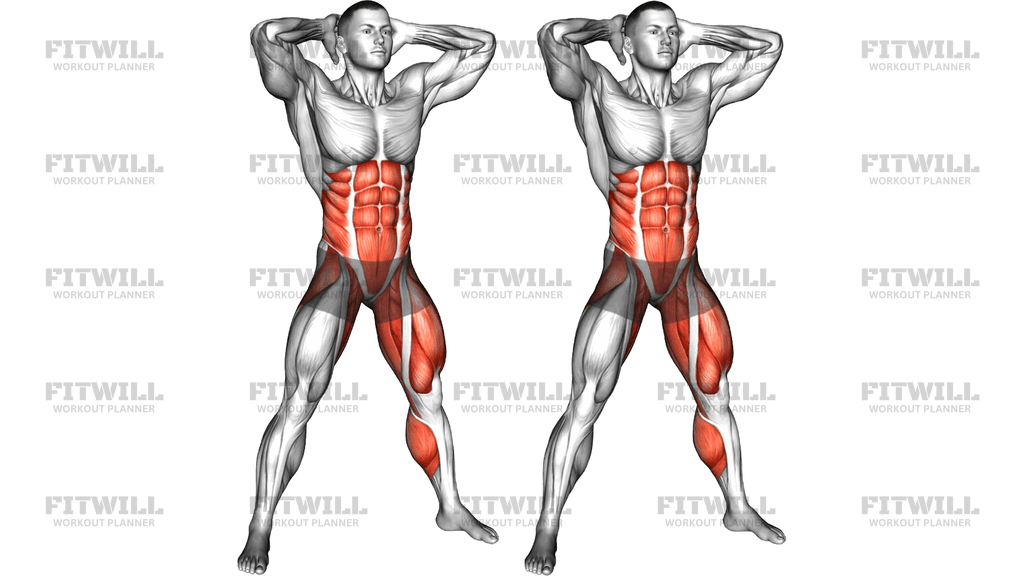
The main work comes from the rectus abdominis as your ribs and pelvis move toward each other, with the obliques driving the cross-body rotation. Lifting the knee recruits the hip flexors, and the standing leg's quads, glutes, and calves work isometrically to hold your balance. It is a genuinely integrated movement, not just an isolated ab crunch.
Setup matters more than it looks. A stance about hip-width to shoulder-width gives you a stable base, and where your ribs sit relative to your pelvis determines whether your abs actually shorten or whether you just swing your elbows around. Keep the hands behind the ears rather than pulling on the neck, and let the rotation come from the ribcage, not the arms.
To execute it well, brace your midsection before each rep, drive the knee up with intent, and rotate until the elbow and knee genuinely meet or come close, then lower under control rather than letting the leg drop. Quality of the crunch and rotation beats speed every time; fast, sloppy reps mostly train momentum.
Common use cases include ab finishers, fat-loss circuits, sport conditioning for rotation-heavy athletes like tennis or baseball players, and low-equipment travel workouts. Start with moderate reps, stay controlled, and progress by slowing the tempo or adding a pause at the top before moving on to harder variations.
[ Workout Log & Planner ]
Put your next workout in Fitwill
Keep your plan and training log ready when you are.


Instructions
- Stand with your feet roughly hip-width apart, weight distributed evenly, and place your fingertips lightly behind your ears with elbows flared out wide.
- Engage your core and set your ribs down over your pelvis so your lower back is not arched before you begin.
- Shift your weight slightly onto one leg and lift the opposite knee up and across your body toward waist-to-chest height.
- As the knee rises, rotate your torso and bring the elbow on the same side as your standing leg down and across until it moves toward the lifted knee.
- Squeeze your abs at the top point where elbow and knee come closest, holding for a brief beat.
- Lower the knee back to the floor under control, keeping your torso tall rather than slumping forward.
- Repeat on the other side, bringing the opposite elbow toward the newly lifted knee, or complete all reps on one side before switching depending on your set plan.
- Exhale as you crunch the elbow toward the knee and inhale as you lower the leg back down.
- Reset your stance and brace between reps if you feel your balance or posture drifting.
Tips & Tricks
- Do not pull on your head with your hands; if your fingertips are pressing into your skull, your neck will take over and fatigue before your abs do.
- The most common mistake is swinging the elbow sideways instead of rotating the ribcage. Think about twisting your torso, not just poking your elbow forward.
- If you lean your whole body toward the standing leg to cheat, narrow your stance slightly or hold onto a wall lightly with one hand until your balance improves.
- Aim the knee toward the opposite hip rather than straight up; this keeps the obliques involved and prevents the rep from becoming a plain knee raise.
- Slow the lowering phase to a two-count. Dropping the leg quickly removes half the work from the abs and hip flexors.
- Keep the standing knee soft, not locked. A slightly bent knee helps you absorb the rotation and stay balanced.
- If your lower back arches when the knee comes down, tighten your brace and shorten the range instead of letting your ribs flare up toward the ceiling.
- Round of reps should end when your rotation gets sloppy, not when your legs get tired; once the elbow stops meeting the knee, the set is over.
Frequently Asked Questions
What muscles does the Standing Single Air Bike work?
The rectus abdominis and obliques do the crunching and rotation, while the hip flexors lift the knee. The standing leg's quads, glutes, and calves work to keep you balanced throughout the set.
Is the Standing Single Air Bike good for beginners?
Yes, it is one of the more approachable standing core exercises. Beginners can use a slower tempo and a slightly smaller knee lift, or rest a hand on a wall for balance until coordination improves.
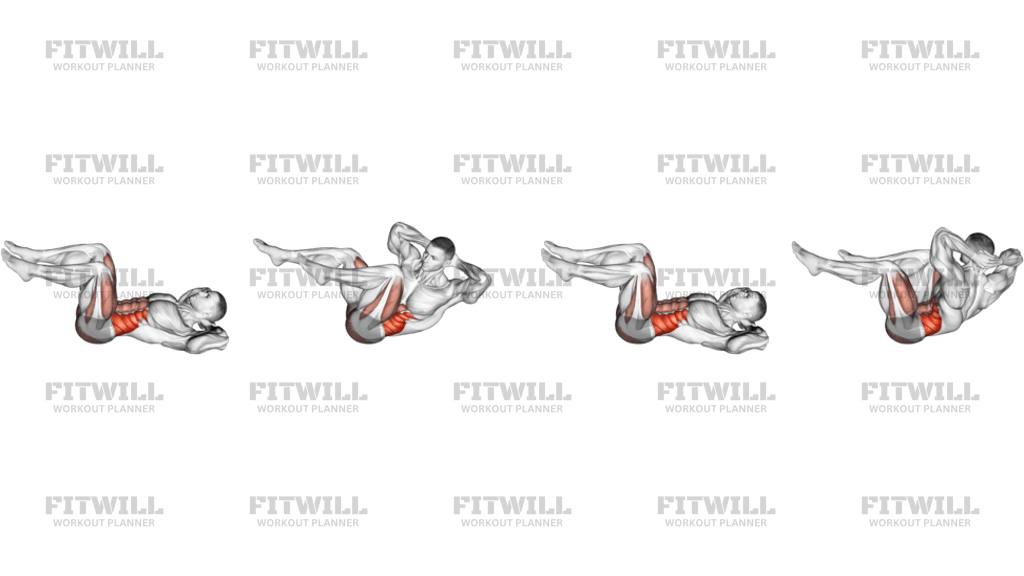
How is the Standing Single Air Bike different from a floor bicycle crunch?
The standing version removes the pressure on your lower back and tailbone that floor crunches can create, and adds a balance demand because one leg supports you at all times. Rotation mechanics are similar, but the upright position makes neck strain much less likely.
Why can't I get my elbow to touch my knee?
Usually the elbow is moving without the torso rotating, or the knee lift is too low. Focus on rotating your ribcage toward the knee and lifting the knee to at least hip height, and contact will get closer without forcing it.
How many reps should I do of the Standing Single Air Bike?
Ten to twenty controlled reps per side works well for most sets. Since it is a body weight movement, prioritize smooth rotation and a controlled lowering phase over chasing a high number.
Can I do this exercise every day?
For most people, yes, since the load is light, but the abs still need recovery like any muscle. Two to four focused sessions per week is plenty if you are also training your core with other exercises.
What can I use as a substitute for the Standing Single Air Bike?
The floor bicycle crunch is the closest substitute, and standing cross-body knee raises without the elbow rotation also train the same hip flexor and oblique pattern. Both require no equipment.
Should my hands be locked behind my head?
No, keep your fingertips resting lightly behind your ears with elbows wide. Locking or interlacing the fingers encourages pulling on the neck, which shifts effort away from the abs and can strain the cervical area.
Will the Standing Single Air Bike help reduce belly fat?
It strengthens and builds endurance in the abdominal muscles, but spot reduction of fat in one area is not something exercise can do. Pair it with overall training and nutrition habits if body composition is your goal.