Deep Frog Squat
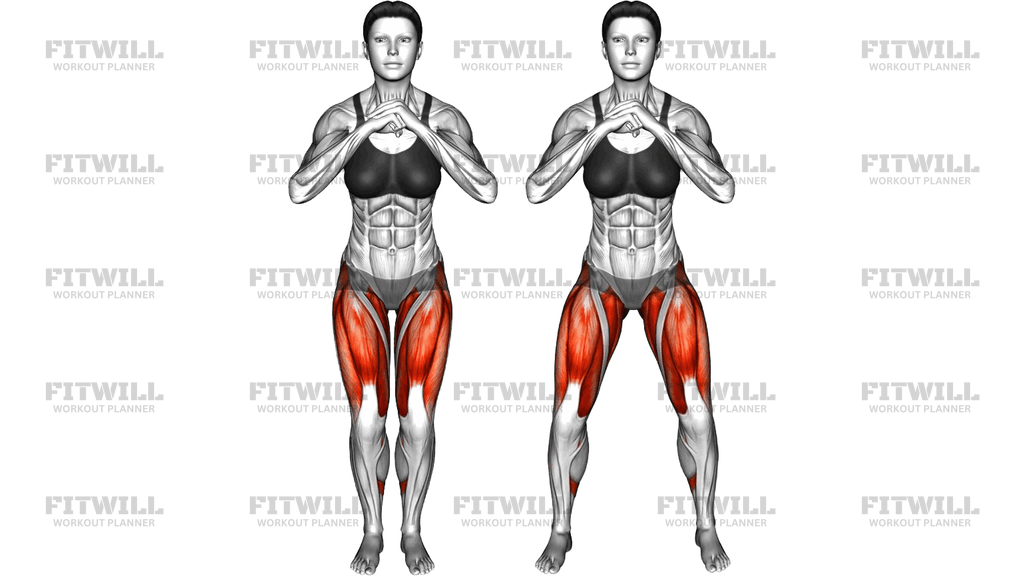
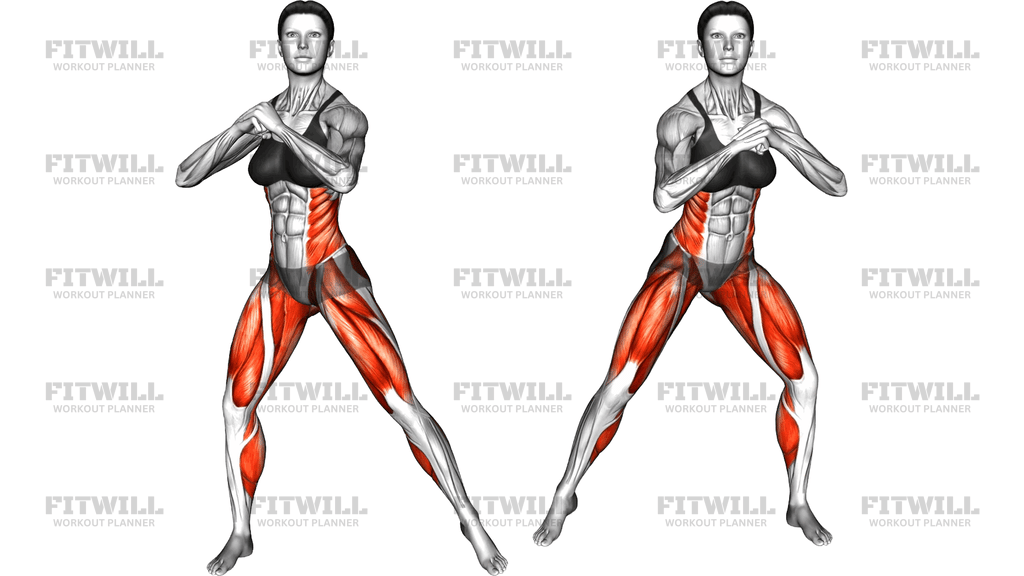
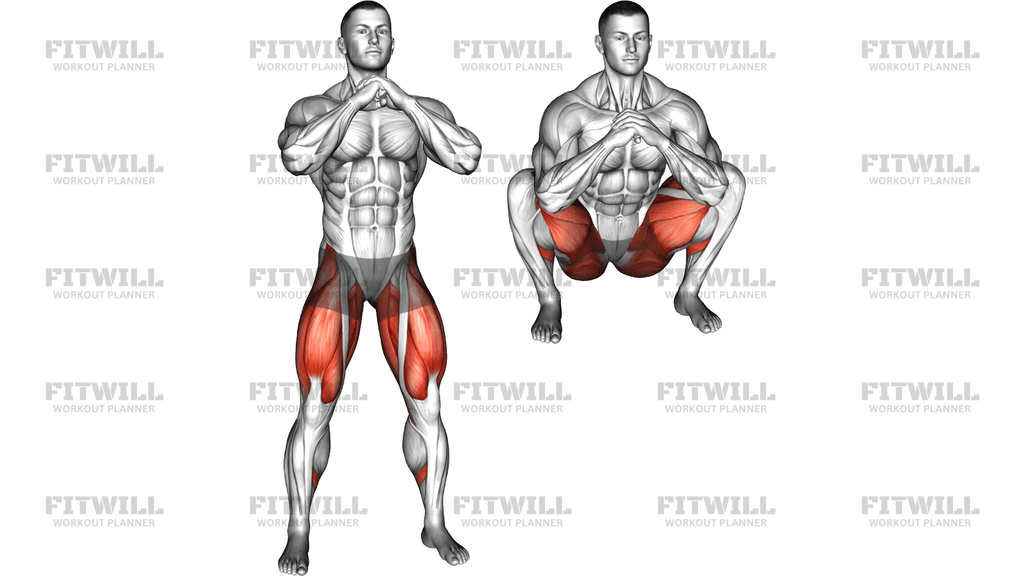
The Deep Frog Squat is a bodyweight squat variation performed with a very wide stance, toes turned out, and the hips dropped far below knee level so the knees track outward like a frog's legs. The hands are clasped together in front of the chest, which helps counterbalance the torso and keeps the chest lifted as you sink deep. Because there is no external load, the exercise is all about range of motion, joint positioning, and controlling your own body through a demanding bottom position.
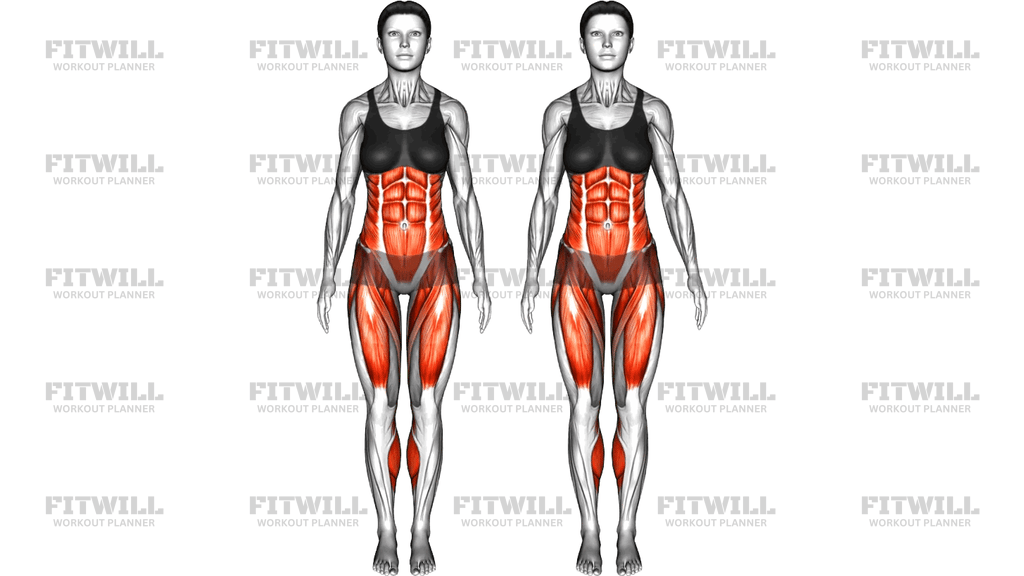
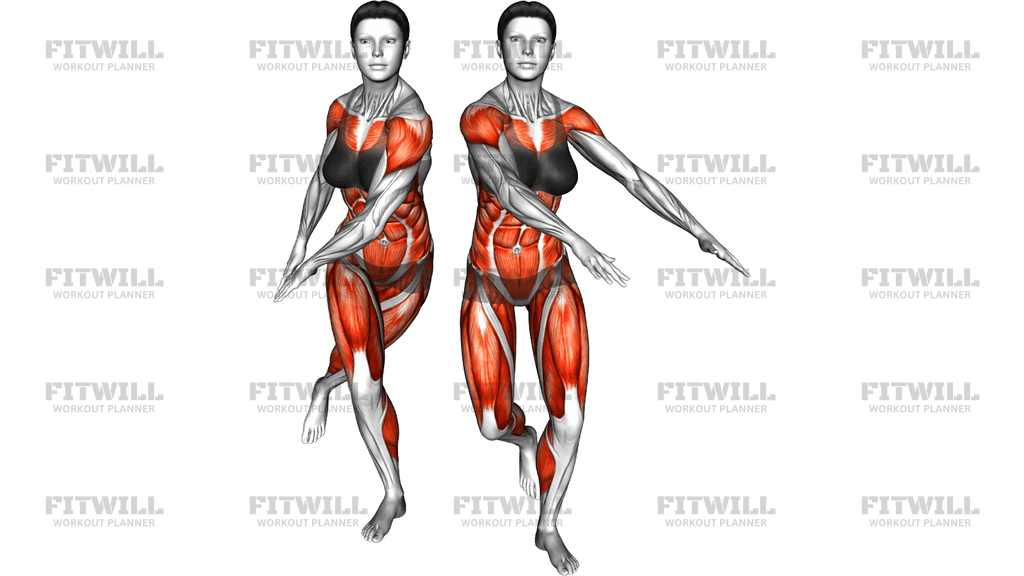
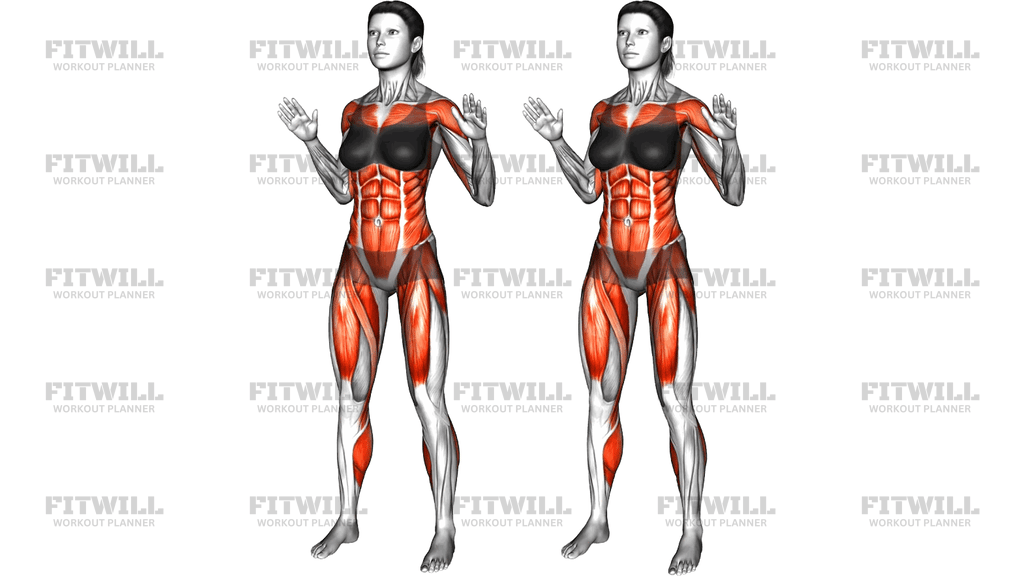
This movement trains the quadriceps heavily, especially around the deepest portion of the squat where the knees are fully flexed. The adductors on the inner thigh work to control the wide-leg descent, the glutes drive you back up, and the calves and ankle stabilizers are challenged because the deep position requires noticeable dorsiflexion. Holding the hands at chest height also keeps the core engaged to stop the torso from collapsing forward.
The Deep Frog Squat is useful for lifters who want to build comfort and strength in deep squat positions, for people working on hip and ankle mobility, and for anyone who trains at home with no equipment. It carries over well to barbell squatting, Olympic lifting catching positions, and everyday tasks like getting up off the floor. Martial artists and athletes in sports that demand deep hip positions often use it as a staple.
Setup matters more than it looks. A stance that is too narrow turns this into a knee-straining struggle, while a stance matched to your hip structure lets you sink straight down between your feet with the kneestracking over the toes. Heels should stay in contact with the floor, and the toes should point out far enough that the knees can flare without twisting.
To execute it well, descend slowly under control, let the knees travel outward in line with the feet, and sit down between your legs rather than folding over them. At the bottom, the hips sit low near the heels while the spine stays long and the chest stays proud. Drive the floor away through the whole foot to stand back up, keeping the knees pushed out the entire time. Rushing the rep or bouncing out of the bottom is where most people lose the benefit.
As a safety point, respect your current ankle and hip mobility. If your heels lift or your lower back rounds heavily at the bottom, reduce the depth for a few weeks and let the range improve gradually. A brief warm-up of hip circles and ankle rocks before a set makes the position far easier to reach cleanly.
[ Workout Log & Planner ]
Put your next workout in Fitwill
Keep your plan and training log ready when you are.


Instructions
- Stand with your feet much wider than shoulder width, toes turned out at roughly 30 to 45 degrees.
- Clasp your hands together in front of your chest with elbows pointing down, and lift your chest to set a tall, upright torso.
- Brace your core as if bracing for a light push to the stomach, and shift your weight so it is spread across the whole foot.
- Begin the descent by pushing your hips back and down while letting your knees bend outward, tracking in the same direction as your toes.
- Keep lowering until your hips are below your knees and sit close to or between your heels, maintaining contact between heels and floor.
- Pause briefly at the bottom, keeping the chest up and the knees flared wide so they do not cave inward.
- Drive through the floor with your whole foot and push the knees out as you rise, extending the hips and knees together.
- Exhale as you stand up and inhale on the way down, keeping the breath steady through the set.
- Stand fully tall at the top, reset your stance and brace, then start the next repetition.
Tips & Tricks
- If your heels lift off the floor at the bottom, widen your toes-out angle slightly or place a thin book or small wedge under the heels while you build ankle mobility.
- Knees collapsing inward is the most common fault in this stance; cue yourself to spread the floor with your feet on every rep.
- Do not bounce out of the deep position. The pause at the bottom is where the quads and adductors do their most demanding work.
- If your torso tips forward and your hands drop toward the floor, raise the chest and lift the clasped hands slightly higher as a counterweight.
- A stance that feels pinching at the front of the hips usually means the feet are not turned out enough for your hip structure; rotate the toes out a little more before giving up on depth.
- Warm up the ankles and hips first with bodyweight ankle rocks and standing hip circles, since cold joints make this depth feel far harder than it is.
- Start with 2 to 3 sets of 8 to 12 slow reps, and only add a bottom-position hold once you can reach depth without your heels lifting.
- If deep knee flexion bothers you, cut the depth to a comfortable parallel first and progress down over several weeks rather than forcing the bottom position.
Frequently Asked Questions
What muscles does the Deep Frog Squat work?
The quadriceps are the primary movers, especially near full knee flexion at the bottom. The glutes drive you up, the inner thighs control the wide stance, and the calves and core stabilize throughout.
Is the Deep Frog Squat good for beginners?
Yes, as long as depth is scaled to current mobility. Beginners can squat to a comfortable depth first and work toward the full bottom position over a few weeks as hips and ankles loosen up.
Why are the hands clasped in front of the chest during the Deep Frog Squat?
The clasped hands act as a counterweight that helps you sit back and down while keeping the chest upright. They also discourage the torso from folding forward at the bottom.
Why do my heels lift when I try the Deep Frog Squat?
Limited ankle dorsiflexion is the usual cause. Temporarily elevate the heels slightly, reduce your depth, and add ankle mobility work until you can keep the heels planted at full depth.
How is the Deep Frog Squat different from a normal bodyweight squat?
The stance is much wider with the toes turned out, the knees flare strongly to the sides, and the hips descend below knee level. This shifts more work to the inner thighs and the deepest range of the quads.
Can I use the Deep Frog Squat to improve my barbell squat depth?
It is a common choice for that purpose because it builds strength and comfort in the exact deep position many lifters struggle to reach. Regular practice with controlled pauses at the bottom transfers well.
How many reps and sets of the Deep Frog Squat should I do?
Two to three sets of 8 to 12 controlled reps works well for strength and mobility. If using it as a mobility drill, hold the bottom for 5 to 10 seconds for fewer reps.
Is it safe for the knees to squat this deep with a wide stance?
For healthy knees, controlled deep squatting with the knees tracking over the toes is generally well tolerated. If you have a knee injury or pain in the position, reduce depth and consult a professional before continuing.
Can I add weight to the Deep Frog Squat?
Yes, once bodyweight reps are smooth and pain-free, a light kettlebell or dumbbell held at the chest works naturally with the clasped-hand position and adds load to the quads and glutes.