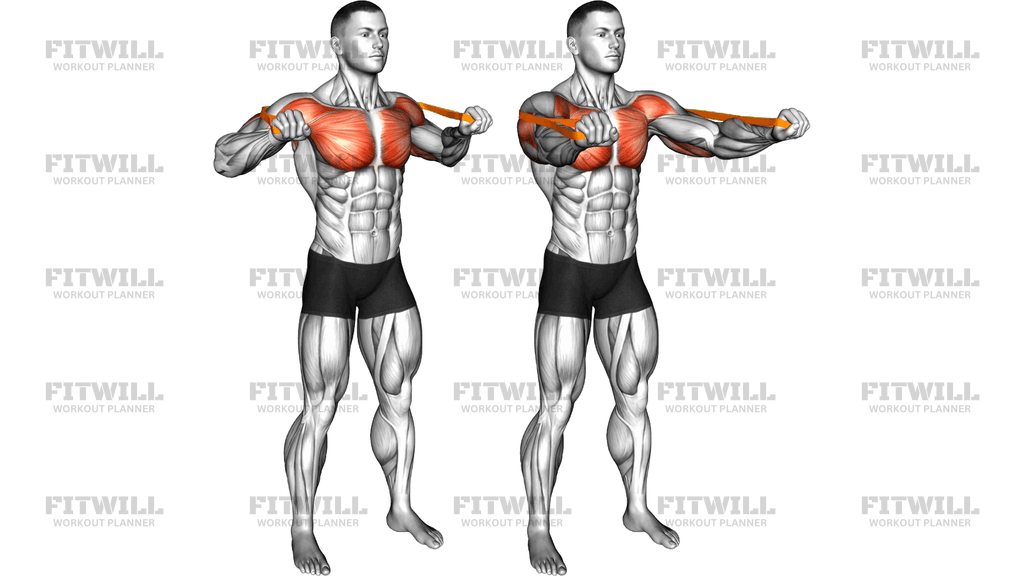
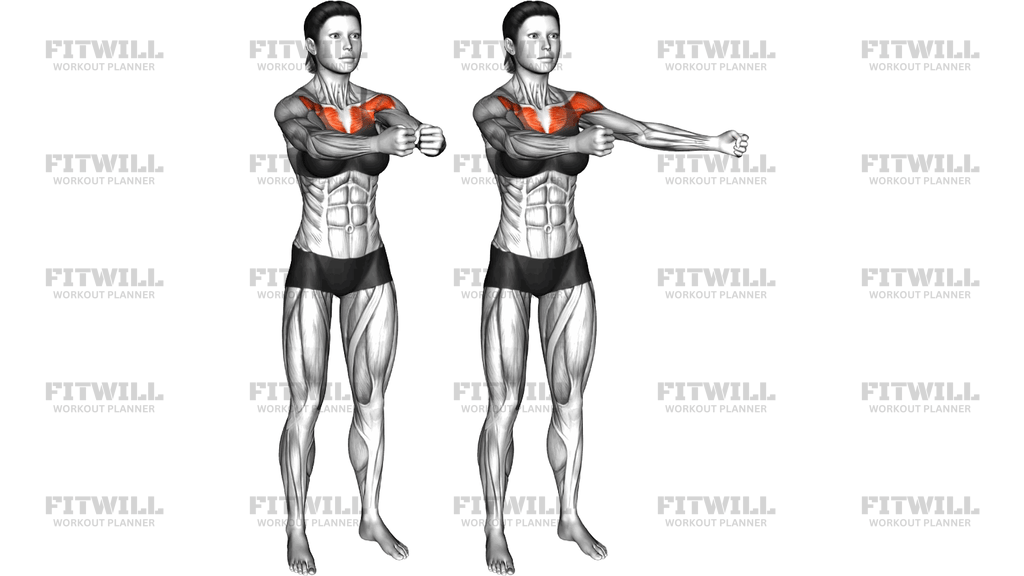
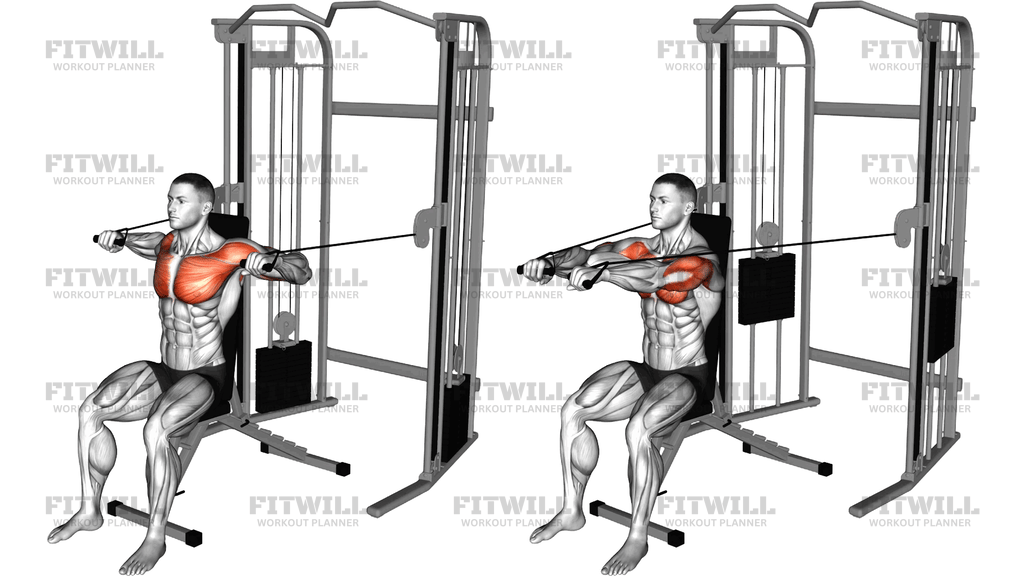
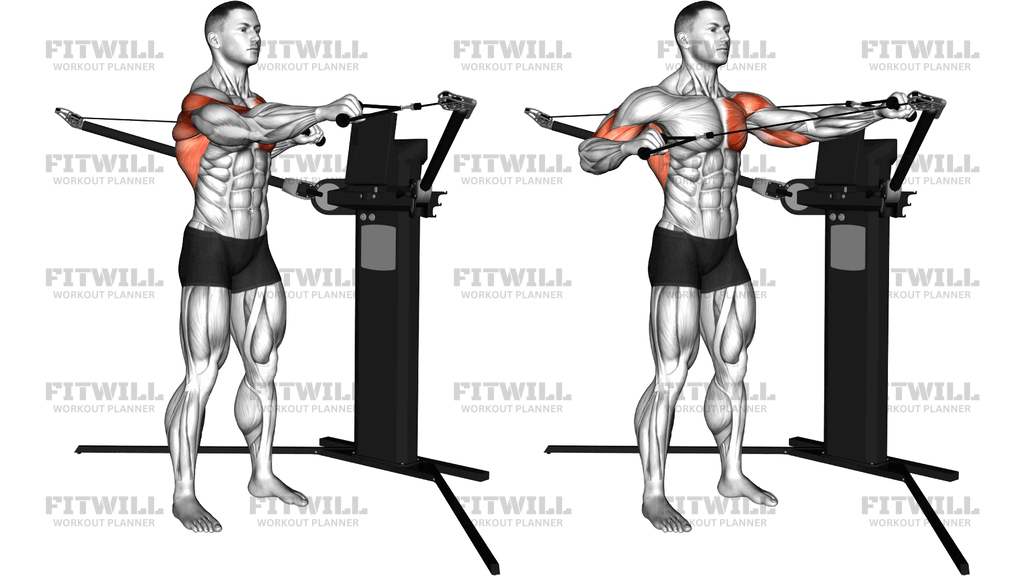
Cable Alternative Fly
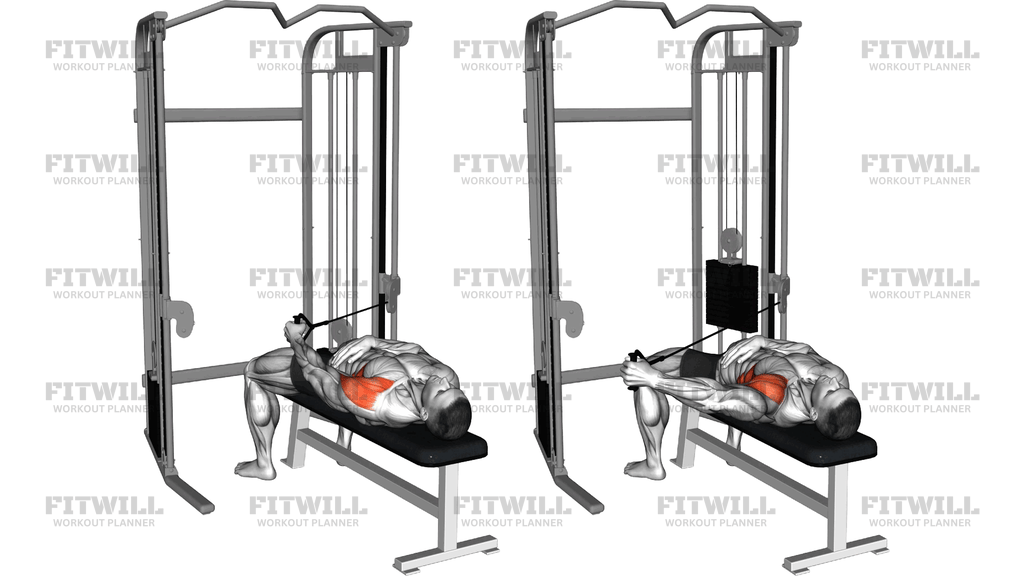
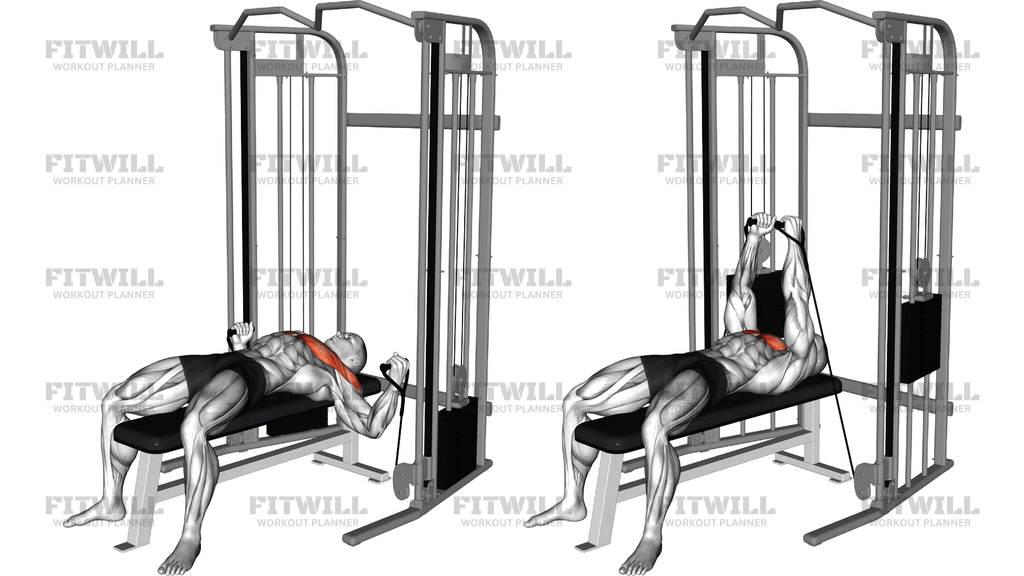
The Cable Alternative Fly is a lying chest fly performed on a dual-pulley cable crossover station with a flat bench placed between the towers. You lie back on the bench, grip a handle attached to each low pulley, and sweep your arms up and together in a wide arc until your hands meet above your chest. Because the cables provide resistance from the floor up, the tension on the chest stays constant through the entire range of motion, which is something a dumbbell fly cannot offer at this angle.
This movement is a strong substitute for a traditional dumbbell fly or bench press fly variation. At the top of a dumbbell fly, gravity stops pulling the weights apart and the chest loses tension exactly where the fibers are shortest. With cables, the resistance keeps pulling outward even when your arms are extended overhead, so the pecs stay loaded through the full arc. That makes it useful for anyone who wants a more complete chest stimulus without heavier pressing, or for lifters whose shoulders complain during dumbbell flyes.
The primary muscles worked are the pectorals, especially the sternal portion of the chest across the mid and lower fibers. The front delts assist the adduction, and the biceps and forearms work isometrically to hold the handles and keep the elbow joint stable while the arms stay slightly bent. Because you are lying down, your torso is fully supported, which removes the core bracing demand of standing cable flyes and lets you focus purely on moving the arms.
Setup matters more here than in most chest exercises. The bench must sit centered between the two pulleys so both arms travel the same path, and the pulleys should stay at or near the lowest setting so the cables pull from below your shoulder line. If the bench is off-center, one side will take more load and the arc will twist across your body. Feet planted flat on the floor and shoulder blades pinned back against the bench give you a stable base to press from.
To execute well, keep a soft, fixed bend in the elbows and think of the movement as a wide hug rather than a press. The arms sweep from out at your sides up over the chest, hands coming close together at the top, then travel back down along the same arc under control. Common use cases include finishing a chest day with constant-tension work, training around shoulder discomfort from pressing, and adding a stretch-position fly that dumbbells cannot load safely at this angle.
From a safety standpoint, respect the stretch. The bottom position, with arms back behind the torso line, puts the shoulder in a vulnerable spot if you load it heavily or bounce out of the range. Choose a weight you can stop and reverse smoothly, keep the elbows slightly bent the whole time, and never let the handles yank your arms backward faster than you can control.
[ Workout Log & Planner ]
Put your next workout in Fitwill
Keep your plan and training log ready when you are.


Instructions
- Place a flat bench lengthwise between the two towers of a cable crossover station and set both pulleys to their lowest positions.
- Clip a stirrup handle to each low pulley, then sit on the bench and grip one handle in each hand with a neutral palm-up grip before lying back.
- Lie flat with your head and upper back supported, feet planted on the floor, and hold the handles out to your sides with a slight, fixed bend in each elbow.
- Draw your shoulder blades back and down against the bench and brace your trunk so your torso does not twist during the movement.
- Exhale and sweep both arms up and inward in a wide arc until your hands come together above your lower to mid chest.
- Squeeze the chest briefly at the top with the handles nearly touching, keeping the elbow bend unchanged.
- Inhale and lower your arms slowly back out to the sides along the same arc, stopping when you feel a comfortable stretch across the chest.
- Keep the cables taut at all times; do not let the weight stacks slam down between reps.
- Complete all repetitions, then sit up carefully and release one handle at a time back to the weight stack.
Tips & Tricks
- The most common mistake is turning the fly into a press by bending the elbows more as the arms fatigue. Lock in one small elbow angle at the start and hold it for every rep.
- If the handles drift behind your torso at the bottom, the weight is too heavy. Stop the descent at the point where you can reverse smoothly without the cables pulling your shoulders forward off the bench.
- Letting the shoulder blades slide forward as you press up shortens the arc and steals work from the pecs. Keep your upper back pinned to the bench from the first rep to the last.
- Because the cables pull from below, the resistance is actually hardest near the top of the arc. Use a lighter load than you would for dumbbell flyes and prioritize a clean, even path with both arms.
- If one side feels stronger, check that the bench is centered between the pulleys before assuming an imbalance; an off-center setup changes the cable angle on each arm.
- Do not let your wrists fold backward under the pull. Grip the handles firmly with the wrists in line with the forearms so the load stays on the chest rather than straining the elbow side of the joint.
- A brief pause with the hands together at the top does more for chest contraction here than extra weight, since the cables remain fully loaded in that position.
- Breathe in a steady rhythm: exhale on the sweep up, inhale on the way down. Holding your breath while lying under cable tension raises unnecessary strain.
Frequently Asked Questions
What muscles does the Cable Alternative Fly work?
The pectorals are the prime movers, with the front delts assisting the inward sweep of the arms. The biceps and forearms work statically to hold the handles and protect the elbow joint throughout the arc.
How is the Cable Alternative Fly different from a dumbbell fly?
With dumbbells, resistance fades as your arms rise because gravity no longer pulls the weights apart. The cables keep pulling outward through the entire arc, so the chest stays loaded even with the arms extended overhead.
What pulley height should I use for the Cable Alternative Fly?
Set both pulleys at or near the lowest position so the cables pull from below your shoulder line while you lie on the bench. This creates the upward hugging arc that targets the mid and lower chest fibers.
Is the Cable Alternative Fly suitable for beginners?
Yes, and the supported position on the bench actually makes it easier to learn than standing cable flyes. Start with a light weight and focus on keeping the elbow bend constant before adding load.
Why do my shoulders feel this more than my chest?
This usually means your elbows are straightening or your arms are dropping too far below the bench line at the bottom. Keep a fixed slight elbow bend and end the descent at a comfortable stretch so the pecs, not the shoulder capsule, control the load.
How heavy should I go on the Cable Alternative Fly?
Use a noticeably lighter load than you would for pressing or dumbbell flyes, since the cable tension peaks where the arms come together. A weight you can lower smoothly for 10 to 15 controlled reps is a good starting point.
Can I substitute the Cable Alternative Fly if my gym has no crossover station?
A dumbbell fly on a flat bench or a resistance band fly anchored behind the bench covers a similar arc, though neither keeps tension at the top as well as the cables do.
Should my hands touch at the top of the Cable Alternative Fly?
Bringing the handles close together or lightly touching above your lower chest is fine and gives a strong contraction. Just avoid clanging them together or driving the movement with the triceps to force them to meet.
Is the Cable Alternative Fly safe for the shoulder joint?
It is generally shoulder-friendly because the bench supports the torso and the cable path is smooth, but the deep stretch at the bottom demands control. Stay within a range where you can reverse the motion without the cables yanking your arms backward.