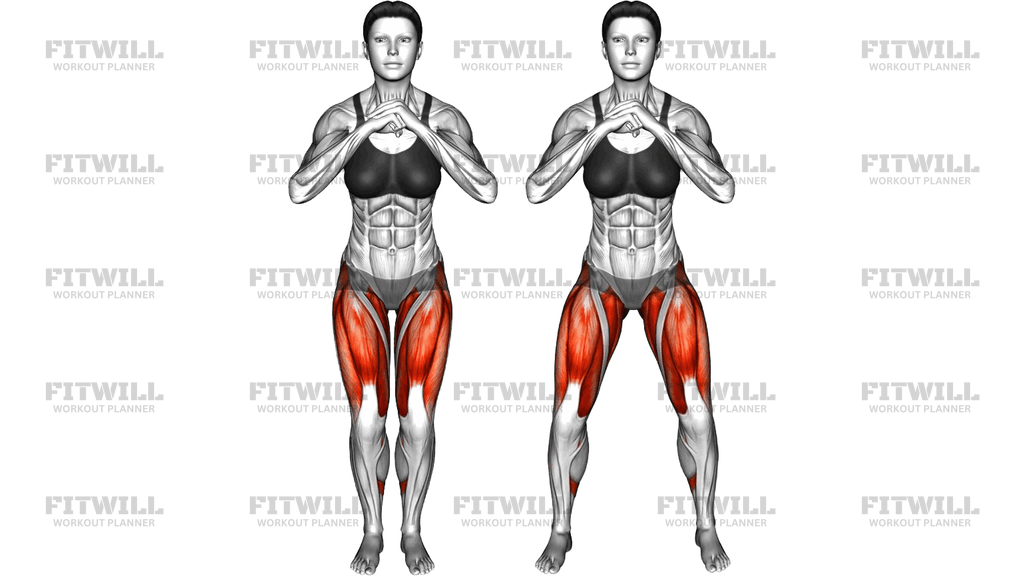
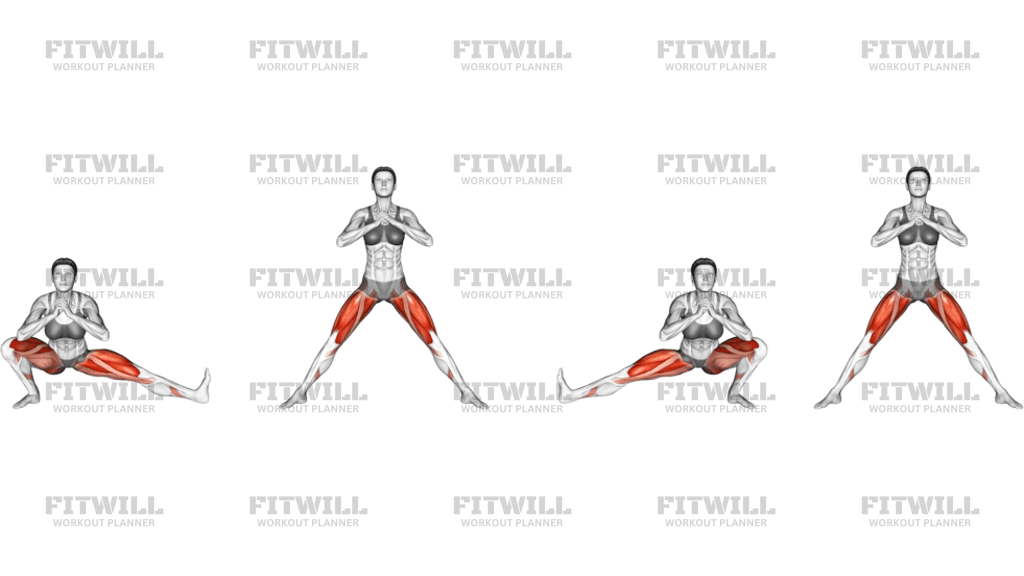
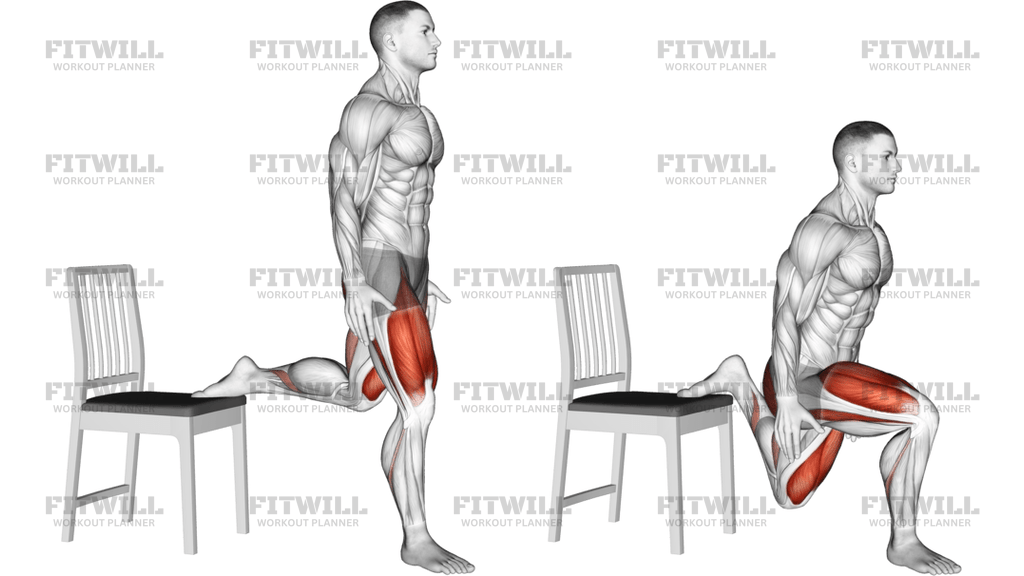
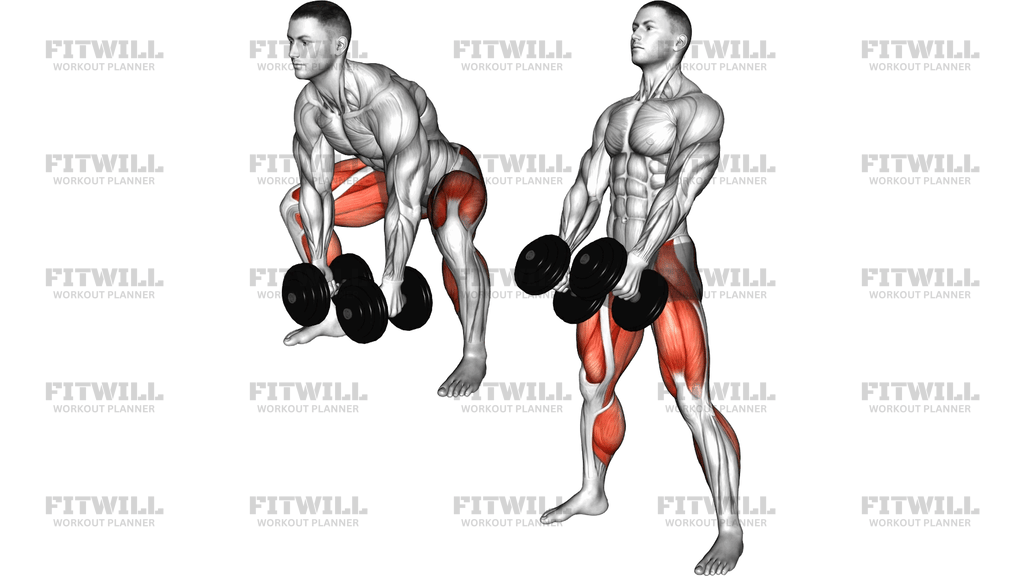
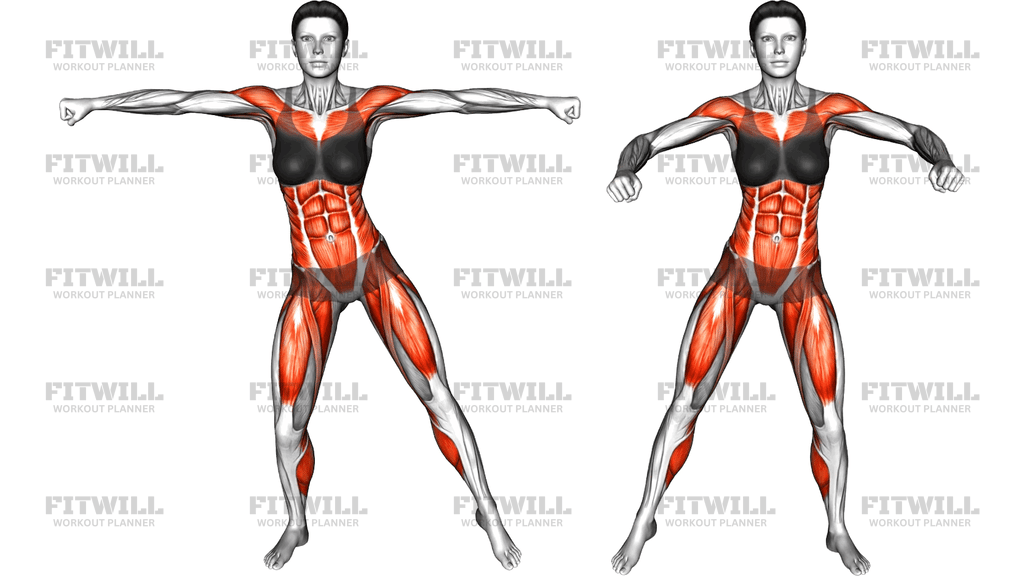
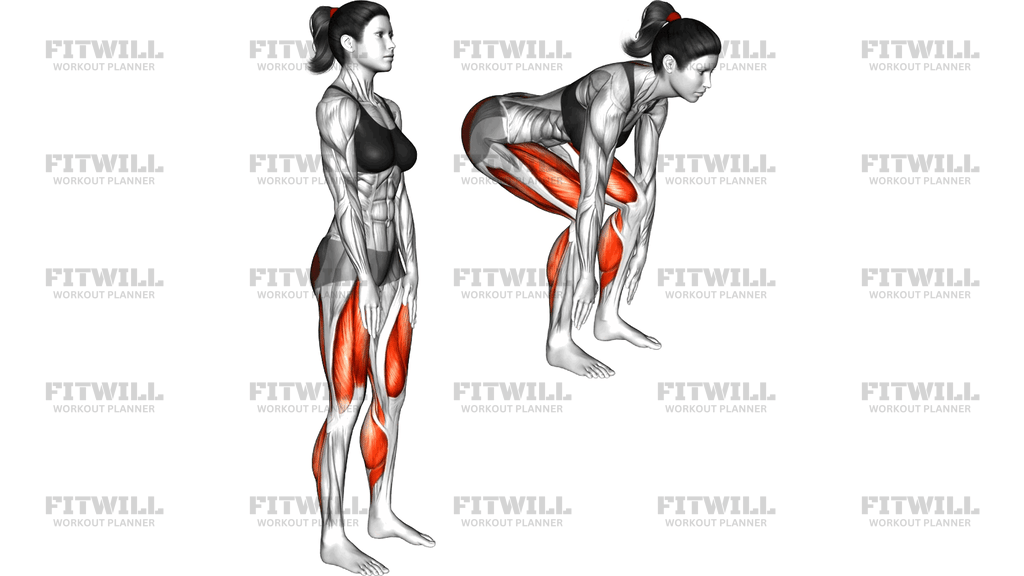
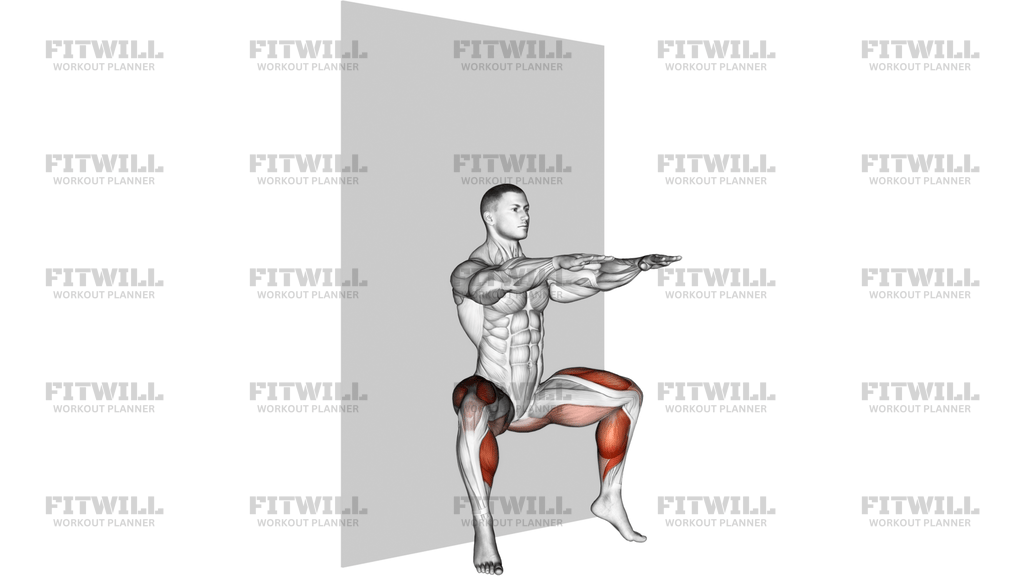
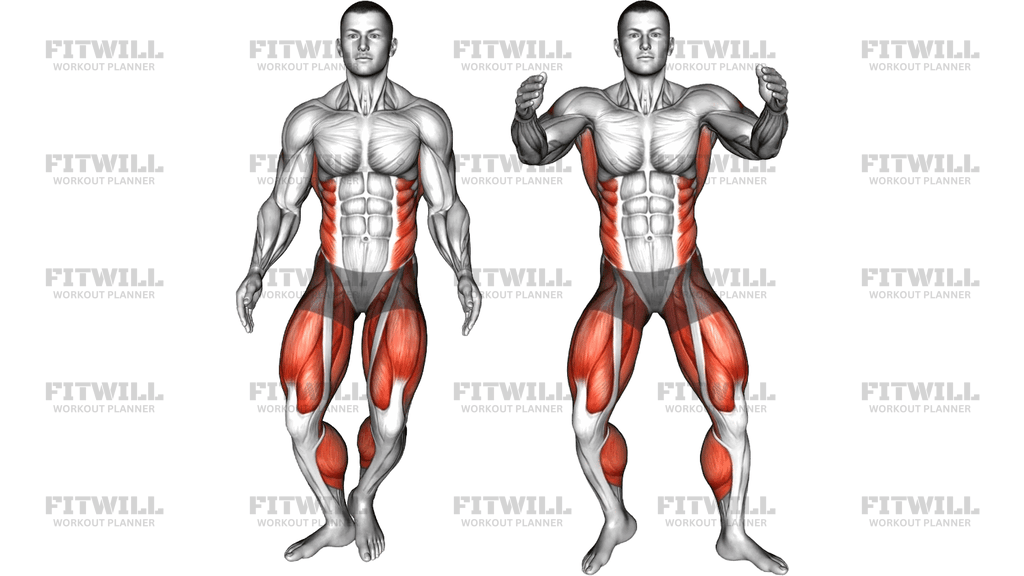
Bodyweight Arms Out Double Squat To Single Squat
The Bodyweight Arms Out Double Squat To Single Squat is a two-part squat pattern performed with no equipment at all. You start in a standing position with your feet about hip-width apart, extend both arms straight out in front of you at shoulder height, and squat down with both legs. Without pausing at the top, you shift your weight onto one leg and perform a single-leg squat on that side, then return to standing. The arms-out position is not cosmetic — reaching the arms forward moves your center of mass over your midfoot, which lets you sit back into your hips and stay balanced, especially during the single-leg portion.
This combination is particularly useful because it moves you from a stable, two-leg squat straight into an unstable, one-leg squat while the legs are already pre-fatigued. The double squat loads the quads and glutes symmetrically, and the single squat then demands that each leg handle the full job on its own, exposing side-to-side strength differences that a regular squat hides. The standing leg works through the quads, glutes, and hamstrings, while the hips, ankles, and deep core do constant work just to keep you from tipping sideways.
Because it requires no setup, this movement fits well into home workouts, warm-ups, hotel-room sessions, or circuit training where you want a demanding lower-body stimulus without weights. It also works as a progression tool: if you can do double squats easily but struggle with single-leg squats, the pre-loaded arms-out position and the rhythm of the combo make the single-leg portion more approachable than an isolated pistol squat attempt.
Setup matters more than it looks. Stand tall with feet roughly hip-width apart, weight spread across the whole foot, and raise both arms to shoulder height with elbows straight before you descend. Keep the chest lifted and the spine neutral as you push the hips back and bend the knees, letting the knees track over the toes rather than collapsing inward. Descend to a depth where your thighs are at least parallel to the floor while your heels stay planted.
Execution hinges on control during the transitions. Rise from the double squat smoothly, keep the arms extended the whole time, then shift your weight fully onto one foot before starting the single-leg descent. Lift the free foot slightly off the floor and keep it close to the standing leg so your balance does not swing wildly. Lower on one leg with the same hip-back pattern, drive through the whole foot to stand, and either alternate legs each round or complete all reps on one side before switching.
The most common failure points are rushing the single-leg portion, letting the standing knee cave inward, and dropping the arms mid-rep, which immediately throws off balance. Move deliberately, and if the single-leg squat is too deep to control, limit the depth on that portion rather than rounding your back or bouncing out of the bottom. Stop the set when your balance degrades, not just when your legs burn — sloppy single-leg reps teach poor patterns.
[ Workout Log & Planner ]
Put your next workout in Fitwill
Keep your plan and training log ready when you are.


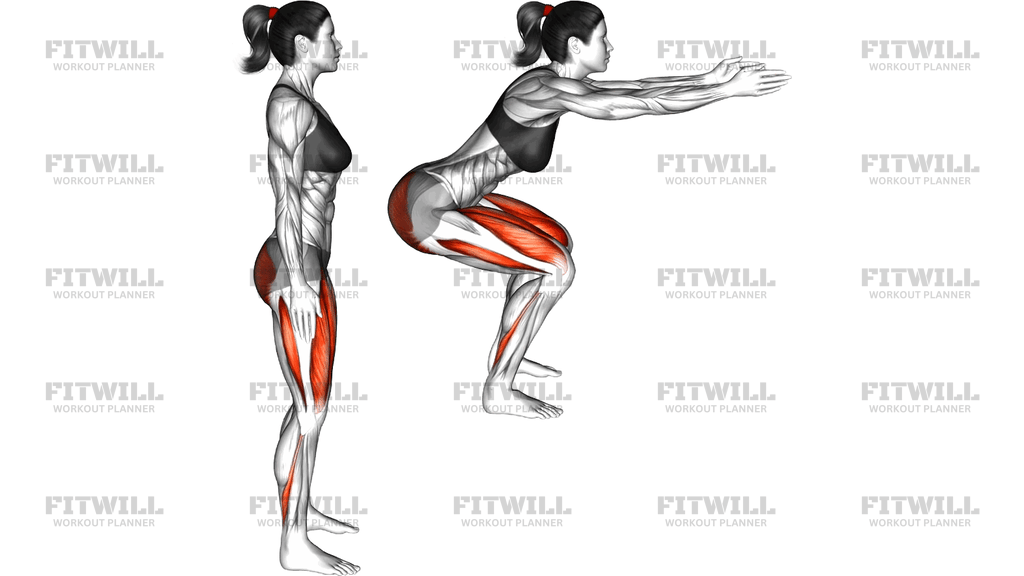
Instructions
- Stand with your feet about hip-width apart, toes pointing forward or slightly turned out, and your weight spread evenly across both feet.
- Raise both arms straight out in front of you to shoulder height, elbows fully extended, and keep them there for the entire set.
- Brace your midsection as if bracing for a light push, lift your chest, and pull your shoulders back so your spine stays neutral.
- Inhale, push your hips back, and bend both knees to lower into a double squat, keeping your heels down and your knees tracking over your toes.
- Descend until your thighs are at least parallel to the floor, then drive through your whole foot to return to standing while exhaling.
- Shift your weight completely onto one leg, lift the opposite foot a few centimeters off the floor, and hold your arms extended for counterbalance.
- Lower into a single-leg squat on the standing leg, pushing the hips back and keeping the standing knee aligned over the second and third toes.
- Drive through the standing foot to return to a full stand, keeping the free foot off the floor until you are upright.
- Either switch legs for the next repetition or complete all reps on one side before switching, resetting your stance and brace between reps.
Tips & Tricks
- If you wobble sideways on the single-leg squat, widen your base slightly on the double squat portion and keep the lifted foot close to the standing ankle instead of swinging it forward.
- Fix knee cave on the single-leg descent by deliberately driving the standing knee out over the little-toe side of the foot as you lower.
- Do not drop your arms when the single-leg squat gets hard — the forward reach is what keeps your weight over the midfoot, so bend your torso slightly forward instead if you need counterbalance.
- If you cannot control a full-depth single-leg squat, squat to a low box or step with the standing leg and reduce depth gradually over weeks.
- Alternate legs every repetition rather than doing all reps on one side if you notice one leg fatiguing or drifting in form before the other.
- Keep the double squat brisk and the single squat slow; spending two to three seconds on the single-leg descent builds control without needing extra load.
- Check your heel on the standing leg — if it lifts as you descend, your stance is too narrow or you are shifting weight to the toes instead of sitting back into the hip.
- Rest briefly between sides when doing all reps on one leg, since balance fades faster than leg strength and tired reps reinforce a lean.
- Warm up the ankles with a few slow bodyweight squats and calf raises first, because limited ankle mobility is the most common limiter on the single-leg portion.
Frequently Asked Questions
Which muscles does the Bodyweight Arms Out Double Squat To Single Squat work?
The quads and glutes do the primary work on both the double and single squat portions, with the hamstrings and calves assisting. The hips and deep core work continuously to keep you balanced on one leg.
Why are the arms extended out in front during this exercise?
Reaching the arms forward at shoulder height shifts your center of mass over your midfoot, which helps you sit back into the hips and stay balanced. This is especially valuable during the single-leg squat, where your base of support is narrow.
Is the Bodyweight Arms Out Double Squat To Single Squat suitable for beginners?
Beginners can perform it, but they may need to reduce the single-leg squat depth or hold onto a doorframe or wall with one hand for light support. Start by mastering the double squat with good depth before stressing the single-leg portion.
Should I alternate legs every rep or do all single squats on one side first?
Alternating every rep keeps the workload even and gives each leg a short recovery, which helps balance. Doing all reps on one side first is better if you want to focus on a weaker leg, but switch sides while your form is still clean.
What is the most common mistake in this movement?
The most common mistakes are letting the standing knee collapse inward, dropping the arms mid-rep, and rushing the single-leg descent until balance breaks down. Slow the single squat down and keep the knee tracking over the toes.
How deep should I squat on the single-leg portion?
Go as deep as you can while keeping the heel down, the knee aligned, and your back neutral. If depth causes your heel to lift or your torso to collapse, squat to a box or bench and build depth gradually.
Can I use the Bodyweight Arms Out Double Squat To Single Squat in a warm-up?
Yes, and it works well as a warm-up or activation drill because it raises the heart rate while screening each leg individually. Use a few easy repetitions at controlled speed before heavier lower-body training.
What can I substitute if the single-leg squat is too difficult?
Use split squats, step-ups, or box squats on one leg to build single-leg strength with more stability. You can also keep the toes of the free foot lightly touching the floor for balance while progressing toward the full version.
Is this exercise safe for the knees?
When performed with the knee tracking over the toes, heels planted, and a controlled tempo, it is a standard lower-body strengthening movement. If you have a current knee injury or pain during the single-leg portion, reduce depth or consult a qualified professional before continuing.
How many repetitions should I aim for?
Start with 5 to 8 rounds of the double squat plus one single squat per side, and build toward 10 to 12 as your balance and single-leg strength improve. Stop the set when your balance or knee alignment starts to slip.