Bent Over Foot Tilt
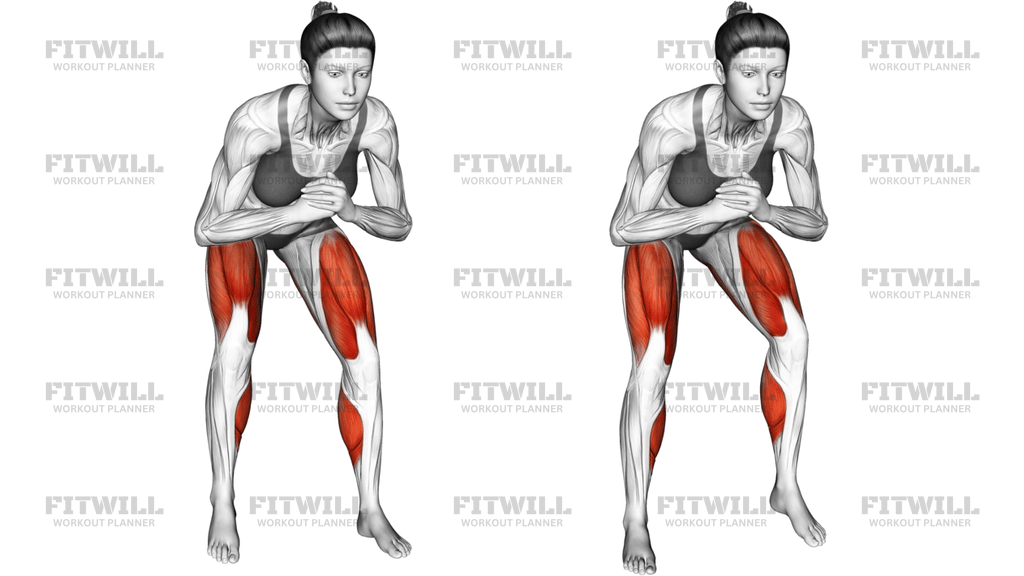
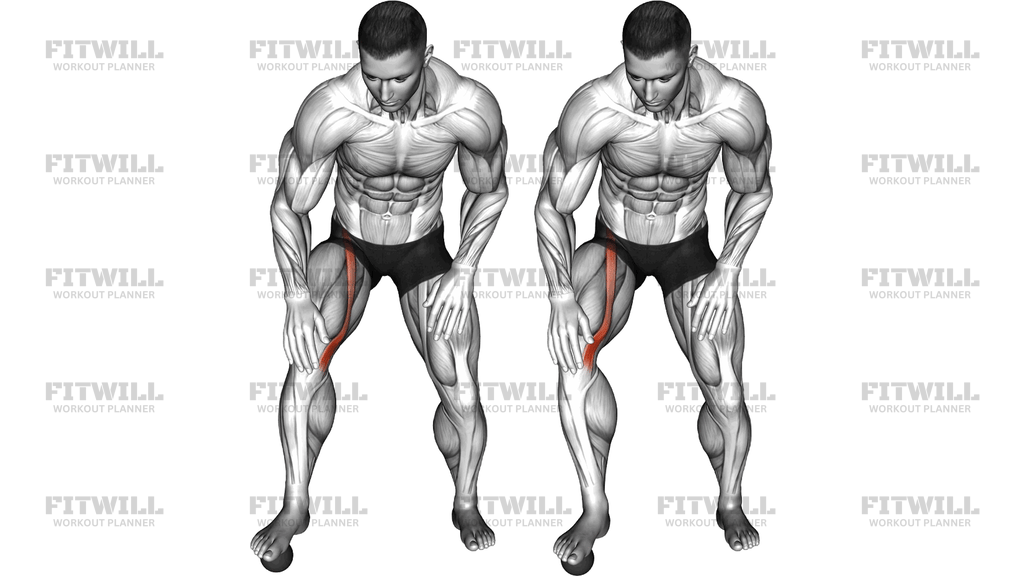
Bent Over Foot Tilt is a simple body-weight drill performed from a wide, bent-over stance with both hands braced on your knees. From that position you deliberately roll or tilt one foot at a time onto its inner or outer edge, lifting the opposite side of the foot off the floor while keeping the leg and torso still. The work happens at the ankle and foot, but because the legs stay wide and loaded, the inner-thigh muscles and hip stabilizers are also under constant tension throughout the set.
This movement is popular in warm-up routines and lower-body prehab work because it wakes up the small muscles that control foot and ankle alignment before squats, lunges, or running. Anyone who spends long hours in stiff shoes, plays court sports with quick direction changes, or feels their arches collapse inward under load can benefit from spending a few minutes on it. It requires no equipment and almost no space, so it travels well to hotel rooms, field warm-ups, or the corner of a gym.
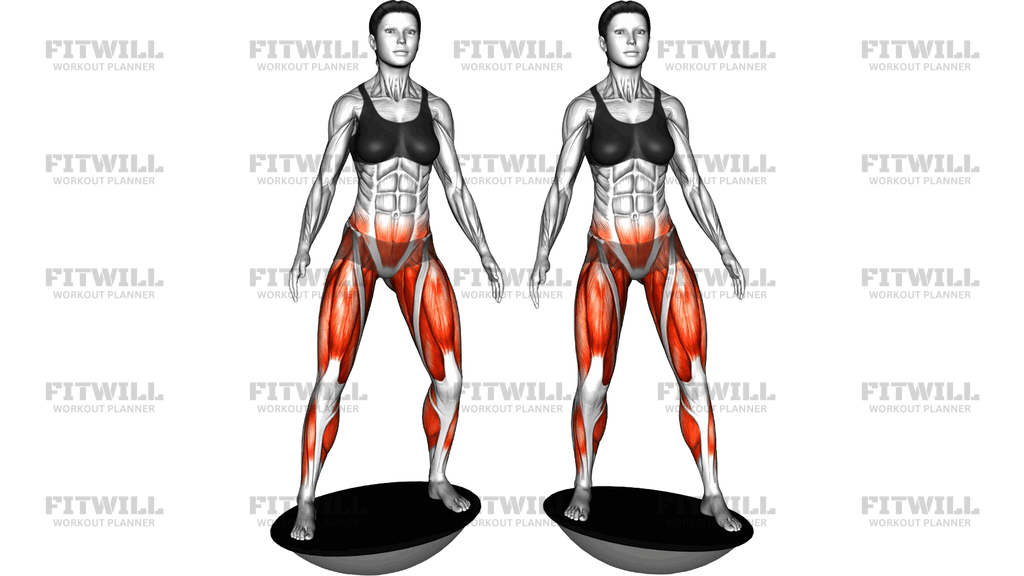
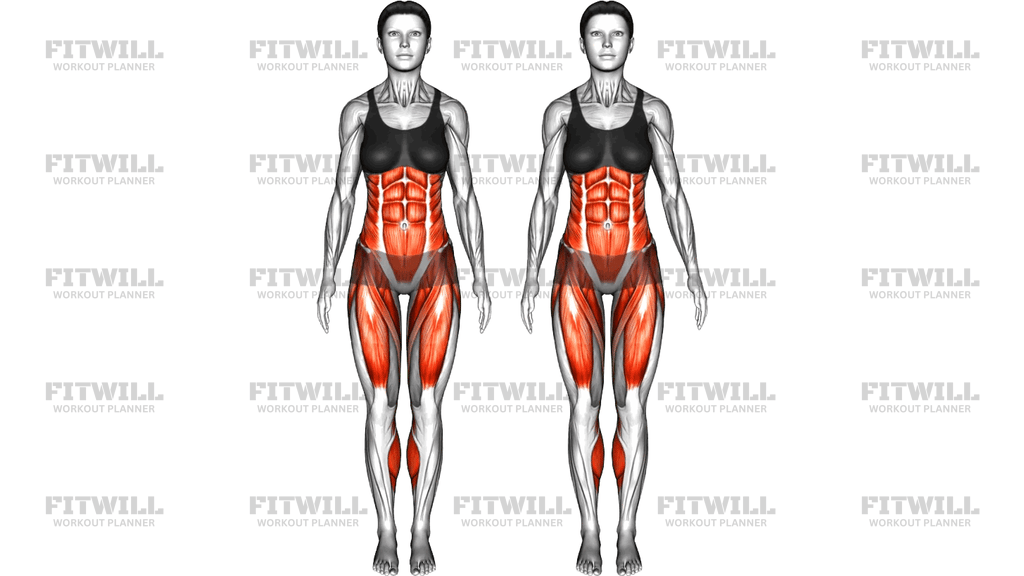
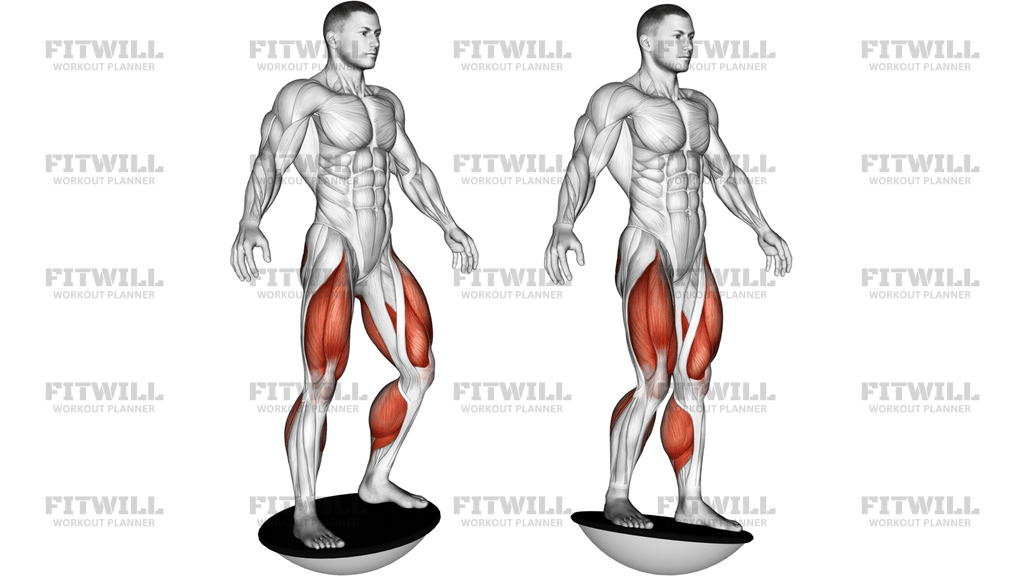
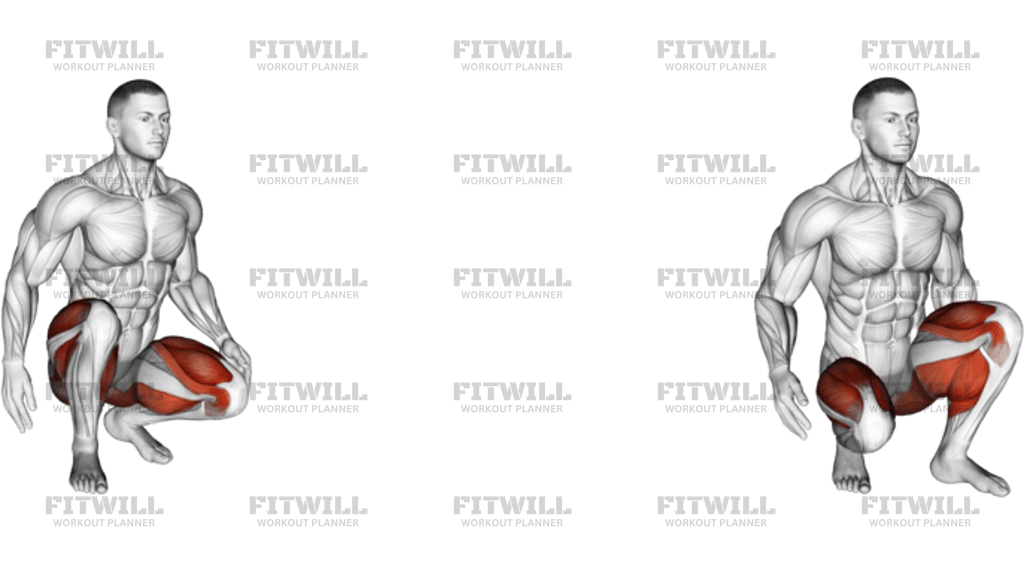
The primary demand lands on the ankle stabilizers, including the tibialis posterior and the peroneus longus along the outer lower leg, which control the tilting foot through its full roll. The adductors on the insides of the thighs work isometrically to hold the wide stance steady while one foot moves, and the glutes help keep the hips square. Because the torso is bent over with hands on the knees, the lower back and core also contribute to holding a stable hinge position.
Setup matters more than it looks. A stance that is too narrow removes the inner-thigh involvement, while a hinge that is too rounded puts strain on the lower back. Aim for feet roughly one and a half shoulder-widths apart, soft knees, and hands planted firmly on the kneecaps so the torso weight is supported. From there, the tilt itself should come from the ankle joint, not from twisting the whole leg or dropping a hip.
To execute well, tilt one foot slowly by lifting the inner edge or the outer edge off the floor, pause briefly at the top of the roll, then lower the edge back down under control before switching sides. Keep the knee of the moving leg tracking over the middle of that foot rather than caving inward. Small, deliberate reps beat fast, bouncy ones here, since the goal is precise ankle control rather than range or speed.
Use Bent Over Foot Tilt as a warm-up primer, as active rest between heavier lower-body sets, or as a standalone stability drill on recovery days. If you feel pinching in the ankle, sharp pain along the shin, or strain in the inner thigh, reduce the tilt angle and shorten the range rather than forcing the edges of the feet flat to the floor.
[ Workout Log & Planner ]
Put your next workout in Fitwill
Keep your plan and training log ready when you are.


Instructions
- Stand with your feet roughly one and a half shoulder-widths apart and your toes pointing slightly outward.
- Hinge forward from the hips with a flat back and place both palms firmly on your knees, letting your arms support part of your torso weight.
- Bend your knees softly so the legs are loaded but not locked, and shift your weight evenly across both feet.
- Brace your core lightly to hold the bent-over position steady before any foot movement begins.
- Slowly tilt one foot by lifting its inner edge off the floor and rolling onto the outer edge, keeping the ball of the foot and heel in contact with the ground.
- Pause for one to two seconds at the top of the tilt, feeling the ankle and lower leg control the position.
- Lower the lifted edge back down under control until the whole foot is flat again.
- Repeat the tilt on the same foot for your planned reps, then switch to the other foot and complete the same number.
- Exhale as you tilt the foot and inhale as you return it flat, keeping the breath steady throughout.
- When the set is done, walk your feet in, stand up slowly, and reset your stance before the next set.
Tips & Tricks
- Keep the tilt isolated to the ankle. If your knee twists or your hip drops toward the moving side, the leg is compensating for a range the ankle does not have yet.
- Do not let the working knee cave inward when you roll onto the outer edge of the foot. Push the knee gently outward so it stays stacked over the foot.
- If your lower back rounds in the bent-over position, rest your hands slightly higher on your thighs or soften the knee bend until you can hold a flatter hinge.
- Start with a shallow tilt, maybe an inch of lift on the inner edge, and increase the roll only when you can control it without wobbling.
- Keep your big toe joint and heel glued to the floor during the tilt. Losing contact with either point usually means the ankle is rolling too far, too fast.
- Slow reps of five seconds down and two seconds up expose weak spots in the ankle far better than fast reps, so resist rushing the set.
- If the inner thighs cramp in the wide stance, narrow your feet slightly. A cramped adductor means the stance is wider than your current control.
- Do the drill barefoot or in flat, flexible shoes. Thick, cushioned soles hide the feedback your feet need to learn the tilt.
- Balance your work by training both tilting directions, inner edge up and outer edge up, rather than only the direction that feels easier.
Frequently Asked Questions
What muscles does the Bent Over Foot Tilt work?
The main work comes from the ankle stabilizers, especially the tibialis posterior and peroneus longus, which control the roll of the foot. The adductors hold the wide stance isometrically, and the glutes and core keep the hips and torso steady.
Is the Bent Over Foot Tilt suitable for beginners?
Yes. It is a low-load, body-weight drill that beginners can learn quickly. Start with a shallow tilt and fewer reps until the balance feels secure.
Why are my hands placed on my knees during the Bent Over Foot Tilt?
The hands on the knees support your torso in the bent-over position, which takes strain off the lower back and lets you focus entirely on ankle control. It also helps you feel if your knee starts drifting as the foot tilts.
Should I feel this in my inner thighs?
A mild, steady tension in the adductors is normal because the wide stance keeps them loaded the whole time. Sharp pain or cramping means the stance is too wide or the hold is too long, so narrow your feet or shorten the set.
How many reps of the Bent Over Foot Tilt should I do?
Eight to twelve controlled tilts per foot works well as a warm-up or stability drill. The quality of the tilt matters far more than the rep count.
Can I do this exercise with shoes on?
You can, but flat, flexible shoes are best. Thick cushioned soles dampen the feedback from your feet and make the tilt harder to control precisely.
What is the most common mistake in the Bent Over Foot Tilt?
Letting the knee collapse inward while rolling onto the outer edge of the foot. Keep the knee tracking over the middle of the working foot so the ankle, not the knee joint, absorbs the movement.
What can I substitute if the bent-over position bothers my back?
Sit on a bench with your feet wide and flat and perform the same foot tilts, or perform them standing while holding a sturdy support in front of you. The ankle work stays the same in both versions.
When is the best time to use the Bent Over Foot Tilt in a workout?
It fits well at the start of a lower-body session as a warm-up, or between heavy sets as active rest. It also works as a standalone foot and ankle drill on recovery days.