Sitting Head To Knee
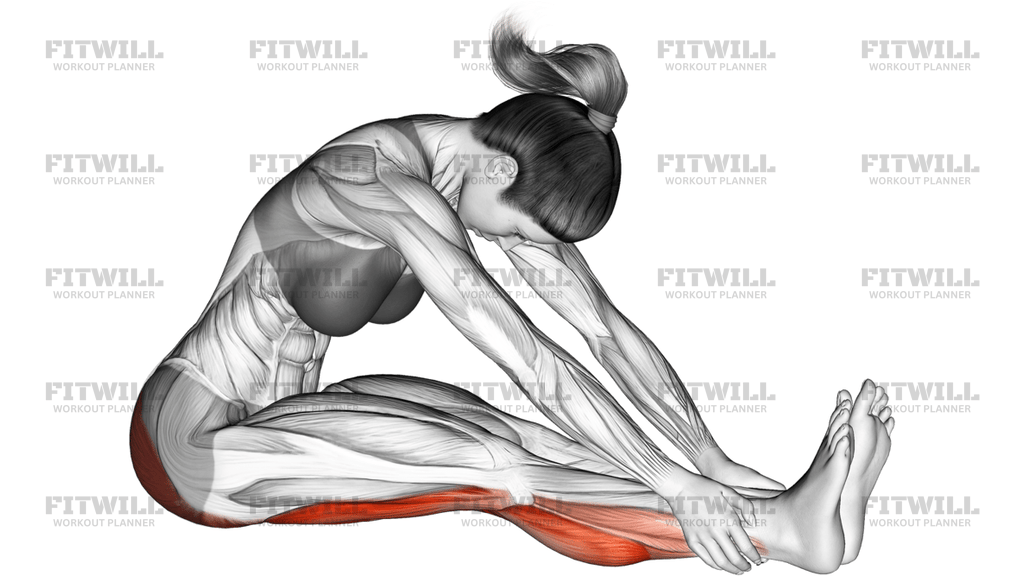
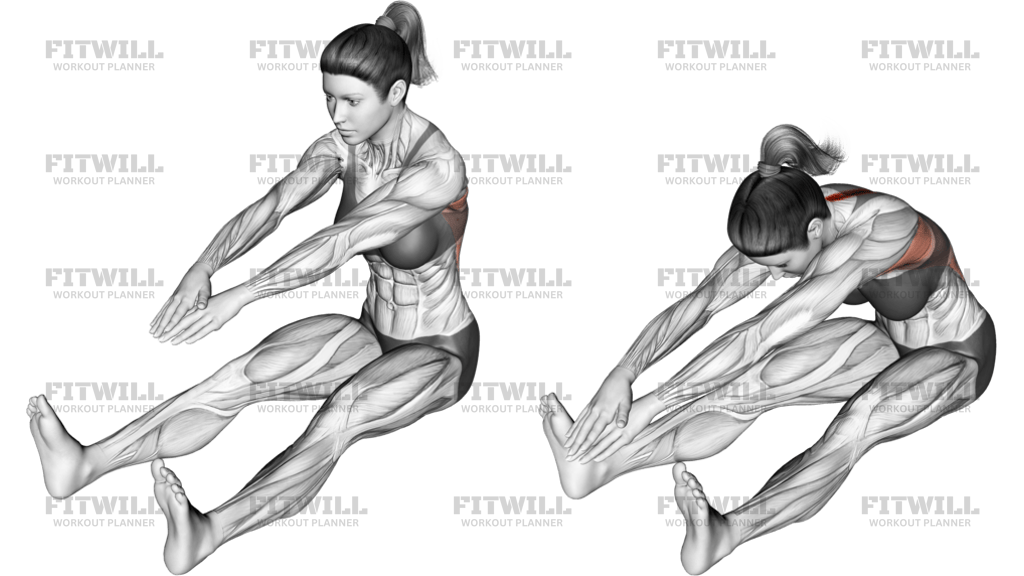
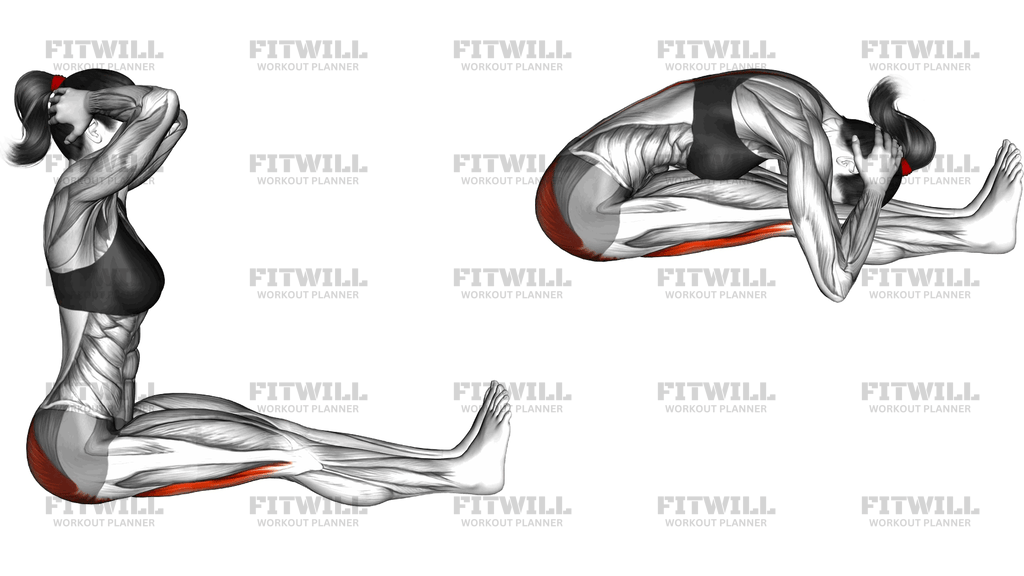
The Sitting Head To Knee stretch is a seated forward fold performed with one leg extended straight and the other leg bent so the sole of that foot rests against the inner thigh of the straight leg. From there, you hinge forward over the extended leg and reach for your foot, drawing your chest down toward the thigh and your head toward the knee. It is a classic unilateral stretch, meaning you work one side at a time, which makes it easy to notice and address differences in flexibility between your left and right hamstrings.
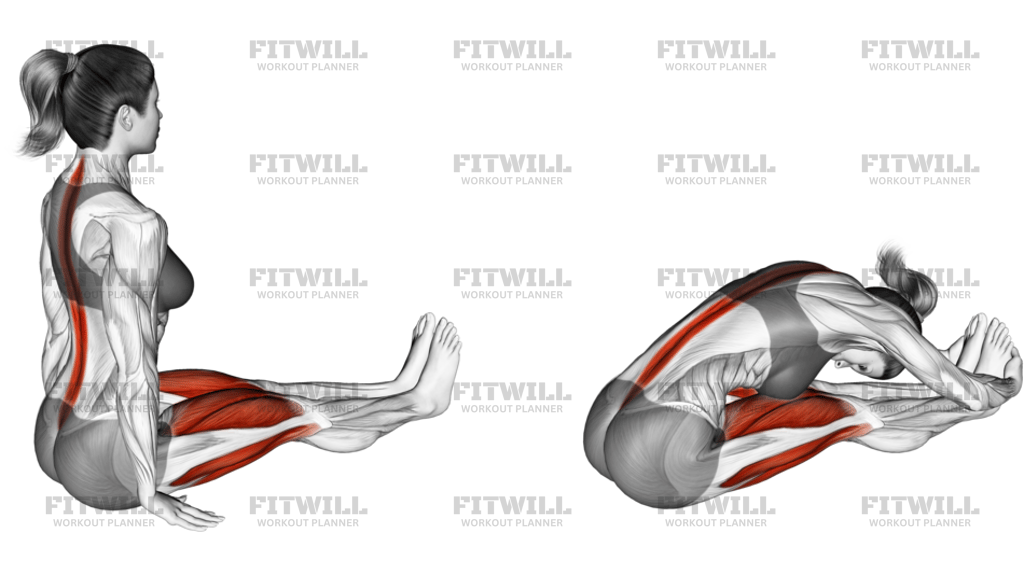
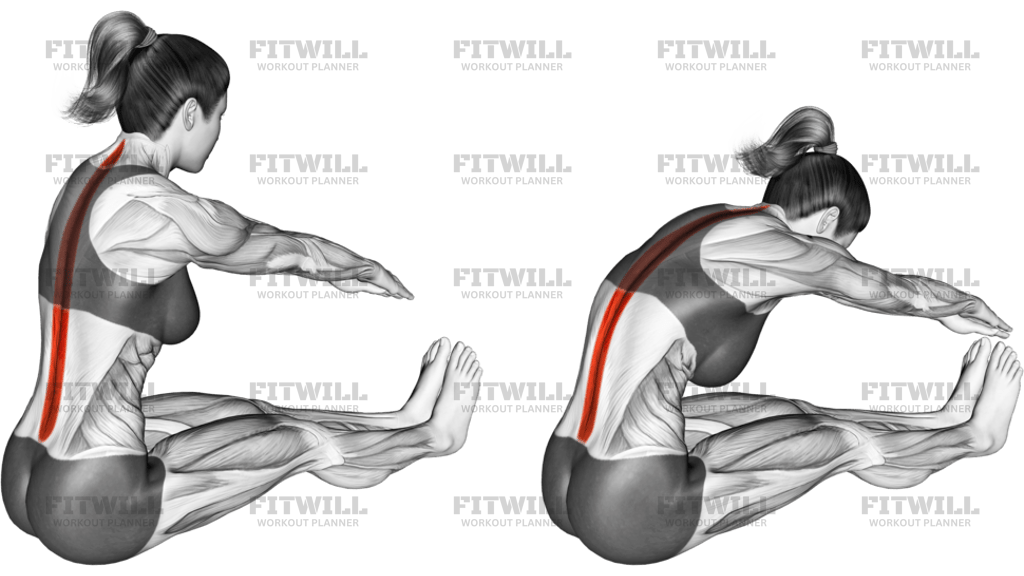
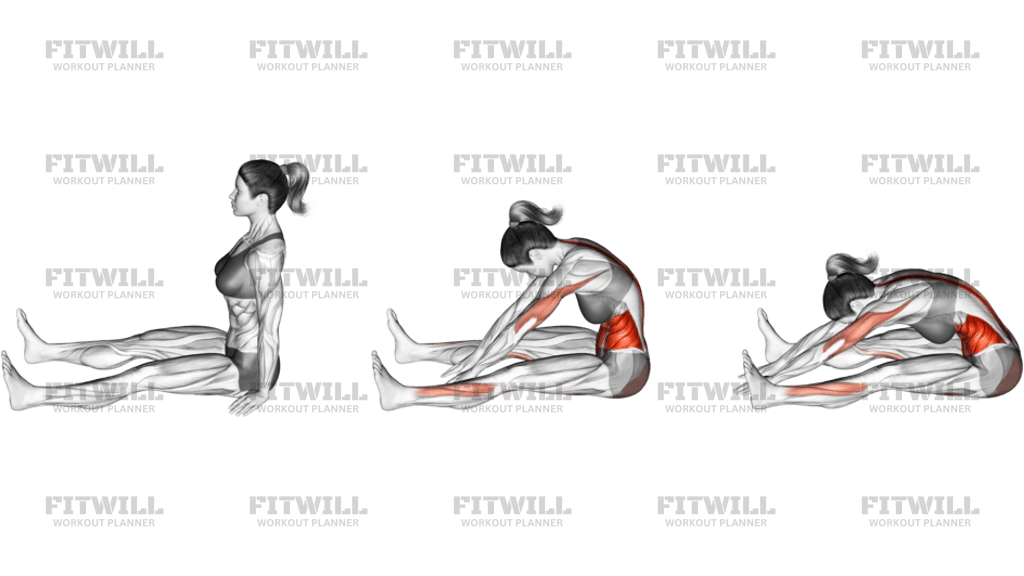
This movement primarily targets the hamstrings of the extended leg, along with the calves and the muscles of the lower back as they lengthen through the fold. The bent-leg position also places a gentle stretch on the inner thigh and hip of the folded leg, particularly the adductors and the hip rotators. Because the stretch is isolated to one side, many people find they can achieve a deeper, more controlled fold than in a two-legged seated forward bend.
This stretch is useful for almost anyone who spends long hours sitting, since shortened hamstrings and a stiff lower back are among the most common consequences of desk work. It is also a staple for runners, cyclists, and lifters who need regular hamstring maintenance, and it appears frequently in yoga practice, where it is known as Janu Sirsasana. It works well as part of a cool-down after lower-body training or as a standalone mobility session on rest days.
Setup matters more than most people realize. Sit tall on your sit bones, and if your hamstrings are tight, elevate your hips on a folded towel or cushion so your lower back can stay long rather than rounding immediately. The bent leg should fold comfortably outward with the knee relaxed toward the floor; never force it down. Keep the foot of the extended leg upright with the toes pointing toward the ceiling, since letting it flop outward changes where the stretch is felt.
To execute the fold well, think of hinging at the hips rather than rounding through the spine. Initiate the movement by tipping the pelvis forward and leading with the chest, reaching for the foot, ankle, or shin depending on your flexibility. Your head eventually moves toward the knee, but it is a consequence of the fold, not something you should chase by craning the neck. Hold the end position with steady, relaxed breathing, and let the stretch deepen gradually over time rather than forcing range in a single session.
A few practical points keep this stretch safe and effective. Move into the fold slowly and never bounce, since ballistic stretching at the end range can strain the hamstrings or lower back. Expect one side to feel different from the other, and give the tighter side a little extra attention without overworking it. A mild pulling sensation is appropriate; sharp pain, tingling, or numbness behind the knee or in the back means you should ease off immediately.
[ Workout Log & Planner ]
Put your next workout in Fitwill
Keep your plan and training log ready when you are.


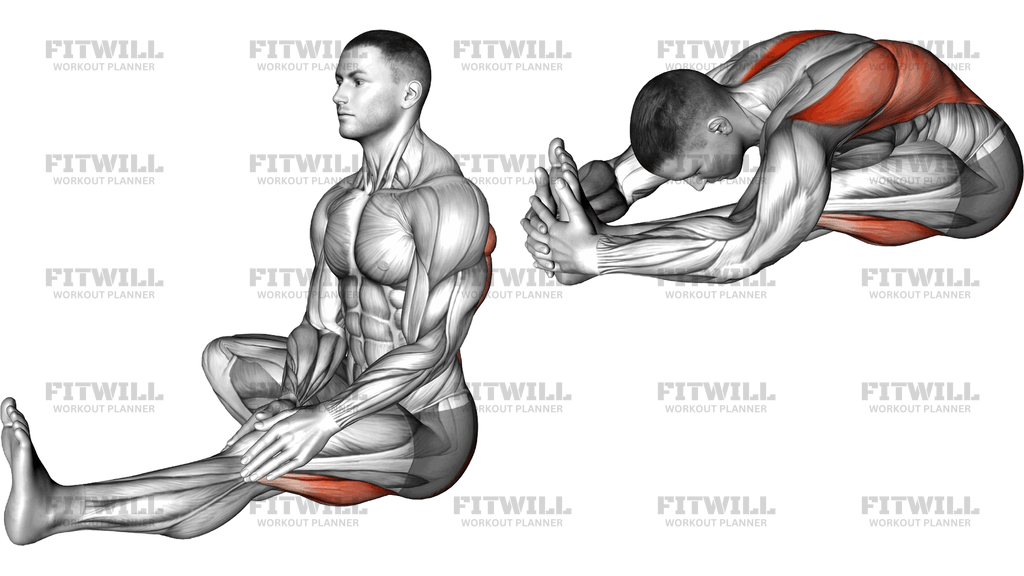
Instructions
- Sit on an exercise mat with both legs extended in front of you and your spine tall.
- Bend your right knee and place the sole of your right foot against the inner thigh of your left leg, letting the right knee relax out to the side.
- Flex your left foot so the toes point toward the ceiling and press the back of the left knee gently toward the floor.
- Rest your hands on either side of the extended leg and take a breath in to lengthen the spine.
- Exhale and hinge forward from the hips, leading with your chest and sliding your hands down the extended leg toward the foot.
- Hold the foot, ankle, or shin, whichever you can reach without rounding forcefully, and draw your chest toward the left thigh so your head moves toward the knee.
- Hold the position for 20 to 45 seconds, breathing slowly and letting the hamstrings release with each exhale.
- Release your grip and slowly roll the spine back up to the tall seated position, lifting the chest last.
- Straighten the right leg, switch sides, and repeat the same sequence with the left leg bent.
Tips & Tricks
- If your lower back rounds immediately, sit on a folded towel or yoga block to raise the hips and give the pelvis room to tip forward.
- A common mistake is pulling with the arms to force the head to the knee; use the hands only as an anchor and let gravity and your exhales create the stretch.
- Keep the knee of the extended leg pointing at the ceiling; if the thigh rolls outward, the stretch drifts away from the hamstrings and into the hip.
- Think about folding from the hip crease, not the waist, and imagine pressing the belly toward the thigh rather than the nose toward the shin.
- Do not force the bent knee toward the floor; the outer hip will open with time, and pushing it usually just twists the lower back.
- If grabbing the foot is out of reach, loop a towel or strap around the sole of the extended foot and hold the ends instead.
- Keep the shoulders relaxed and away from the ears as you hold the foot; shrugged shoulders turn a hamstring stretch into neck tension.
- Ease off immediately if you feel a sharp or electric sensation behind the knee or down the back of the leg, and stay at a range where only the hamstrings pull.
- Slight softening of the extended knee is acceptable at first; straighten it gradually over weeks rather than locking it hard from day one.
Frequently Asked Questions
What muscles does the Sitting Head To Knee stretch target?
It primarily stretches the hamstrings of the extended leg, with supporting lengthening through the calves, glutes, lower back, and the inner thigh of the bent leg.
Why does one leg stay bent in the Sitting Head To Knee stretch?
The bent-leg position isolates one hamstring at a time and adds a mild stretch to the inner thigh and hip of the folded leg. It also lets you compare and work on flexibility differences between sides.
Is the Sitting Head To Knee stretch suitable for beginners?
Yes. Beginners should elevate the hips on a cushion, reach for the shin or ankle instead of the foot, and accept a smaller fold. Depth will improve with consistent practice.
My head never reaches my knee. Am I doing it wrong?
No. The head moving toward the knee is the result of a good hip hinge over time, not the goal itself. Focus on lengthening the spine and drawing the chest toward the thigh, and the head position will follow as flexibility improves.
How long should I hold the Sitting Head To Knee stretch?
Hold for 20 to 45 seconds per side and repeat two to three times if it is the focus of your session. Breathe steadily throughout the hold rather than holding your breath.
Should I do this stretch before or after a workout?
It works best after training or on its own, when the muscles are warm. Before a workout, favor shorter, more dynamic leg swings and hip movements instead of long static holds.
What should I do if I feel the stretch more in my lower back than my hamstrings?
That usually means the pelvis is not tipping forward enough and the spine is rounding instead. Sit higher on a cushion, reduce the fold depth, and deliberately lead with the chest until you feel the pull move to the back of the thigh.
Can I use a strap if I cannot reach my foot?
Yes. Loop a strap or towel around the sole of the extended foot and hold the ends with both hands. This keeps the fold honest without rounding the back to chase the foot.
Is it safe if I have a history of lower back or hamstring issues?
If you have a recent injury or ongoing pain, check with a qualified professional before adding this stretch. When you do practice it, stay well short of end range, avoid any bouncing, and stop if you feel sharp pain, tingling, or numbness.