Seated Hamstring Stretch On A Chair
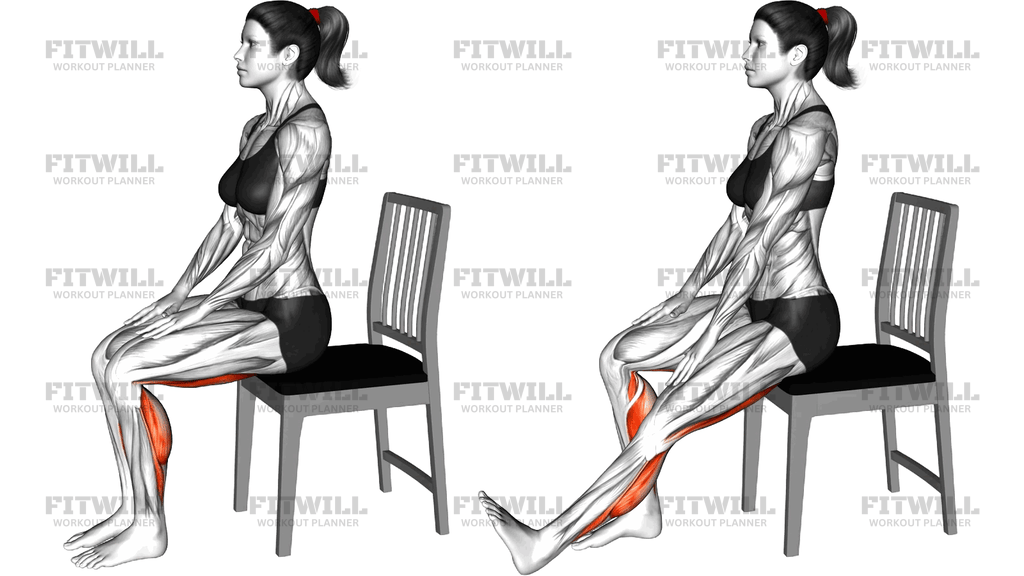
The Seated Hamstring Stretch On A Chair is a simple, low-strain flexibility drill that targets the hamstrings along the back of the thigh while you stay fully supported on a stable chair. You sit tall, extend one leg straight out in front of you with the heel resting on the floor, and then hinge forward from the hips with a long, flat spine until you feel a steady stretch along the back of the extended leg. Because the chair takes care of balance, all of your attention can go into the position of your hips and back.
This version of the hamstring stretch is a great fit for people who find floor stretching awkward or uncomfortable: office workers stuck at a desk, older adults who prefer a supported setup, beginners building baseline flexibility, or anyone recovering general mobility after long periods of sitting. Tight hamstrings are one of the most common outcomes of prolonged sitting, and they often contribute to that stiff, restricted feeling when you bend forward or lift something off the ground.
The primary work happens in the hamstring group, with the calf of the extended leg and the muscles of the lower back and hips playing a supporting role. The key detail is the hip hinge: you want the stretch to come from tilting your pelvis forward over the straight leg, not from rounding your spine to reach further. A straighter back with a modest forward lean will stretch the hamstrings more effectively than a heavily rounded one, and it keeps the load off the lumbar area.
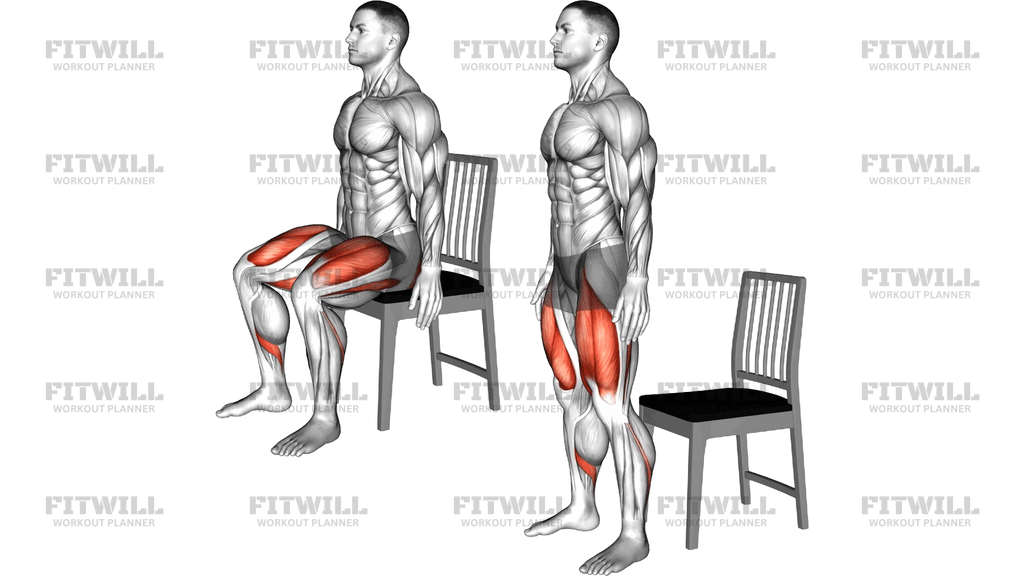
Setup matters more than most people expect. Sit near the front edge of the chair with both feet flat to start, then slide one foot forward until that knee is nearly straight and the heel is grounded. Keep your weight evenly spread through both hips on the seat, and let your hands slide down the thigh of the extended leg as your torso travels forward. Reaching with a rounded back just to touch your toes defeats the purpose; the goal is the sensation along the back of the thigh, not distance.
Hold the stretched position for twenty to thirty seconds while breathing slowly, then sit back up by pushing through the seated hips rather than yanking yourself upright. Repeat on the other side for two to three rounds per leg. Because it requires nothing more than a sturdy chair, this stretch slots easily into a workday break, a pre-workout warm-up on leg days, or a wind-down routine in the evening.
Keep the intensity honest: a mild to moderate stretch that you could hold comfortably for a full minute is the right level. If you feel sharp pain behind the knee, tingling down the leg, or strain in the lower back, back off the range, soften the knee slightly, or reduce how far you lean forward.
[ Workout Log & Planner ]
Put your next workout in Fitwill
Keep your plan and training log ready when you are.


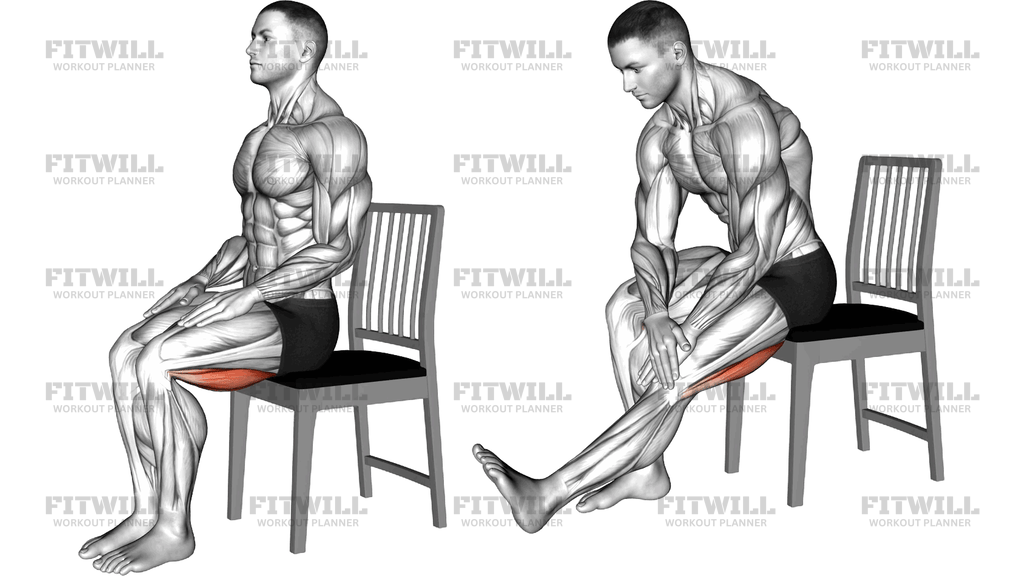
Instructions
- Sit on the front half of a sturdy chair with your feet flat on the floor and your spine tall, shoulders relaxed.
- Extend your right leg straight out in front of you so the heel rests on the floor and the knee is nearly locked out, keeping your left foot planted beside the chair leg for support.
- Place both hands on the thigh of the extended leg and sit up tall, stacking your shoulders over your hips.
- Brace your core lightly and tip your pelvis forward so your chest leads the movement as you hinge at the hips.
- Slide your hands down the thigh toward the knee as your torso lowers, keeping the back long rather than rounded.
- Stop when you feel a firm but comfortable stretch along the back of the extended thigh, and hold that position.
- Breathe slowly and steadily through the hold, letting the stretch ease slightly with each exhale.
- After twenty to thirty seconds, push your torso back upright by rotating the pelvis under you, staying controlled rather than springing up.
- Bend the extended knee, bring the foot back under you, and reset your seated posture before switching to the left leg.
- Complete two to three holds per side, resting briefly between rounds.
Tips & Tricks
- The most common mistake is rounding the upper back to reach farther down the leg. Fix it by imagining your chest is traveling toward your shoelaces, not your nose toward your knees.
- If you feel the stretch mostly behind the knee instead of the middle of the thigh, bend the extended knee a few degrees and re-hinge from the hips.
- Keep your back foot planted. Letting it drift or lift as you lean forward rotates your hips and steals tension from the hamstring.
- A slight forward pelvic tilt at the start does more for the hamstrings than any amount of extra forward reach, so spend a moment setting it before you lean.
- Do not lock the extended knee hard if the area behind the joint feels pinchy; a soft knee with a tall spine is a better stretch.
- Avoid bouncing at the end range. A static hold with slow breathing gives the muscle time to release, while pulsing usually just makes it tighten back up.
- If your lower back complains, reduce how far you lean and place a hand on the planted thigh for extra trunk support.
- A chair without wheels is essential. A rolling office chair can slide out from under you mid-stretch, so brace the seat against a wall if needed.
- Warm the legs up first with a minute or two of walking or marching in place, especially in the morning when hamstrings feel tightest.
Frequently Asked Questions
Which muscles does the Seated Hamstring Stretch On A Chair target?
The primary target is the hamstring group on the back of the extended thigh. You will also feel the calf of the straight leg and some lengthening through the lower back and glutes as you hinge forward.
Why stretch hamstrings on a chair instead of on the floor?
The chair supports your weight, so you do not need the hip or back mobility a floor stretch demands. It is easier to set up at a desk, easier on the knees, and simpler to keep the spine long.
Should the extended knee be completely straight during the Seated Hamstring Stretch On A Chair?
Nearly straight is ideal, but a soft knee is fine if the area behind the joint feels uncomfortable. The stretch should live in the belly of the thigh, not in the knee itself.
How long should I hold each stretch?
Twenty to thirty seconds per side works well, repeated two to three times. If you are doing it as a wind-down routine in the evening, longer holds of forty to sixty seconds are also reasonable.
I only feel this in my lower back. What am I doing wrong?
You are most likely rounding your spine instead of hinging at the hips. Sit taller, tip your pelvis forward first, and lean only as far as you can while keeping the back flat; the hamstring sensation should follow.
Can beginners do the Seated Hamstring Stretch On A Chair safely?
Yes, it is one of the most beginner-friendly hamstring stretches because the chair provides balance and you control the range completely. Start with a small forward lean and only progress as the stretch sensation fades.
Can I do this stretch at my desk during the workday?
Absolutely, as long as your chair is stable and does not roll. It is a discreet way to break up long sitting periods, and even one hold per leg mid-afternoon can ease that stiff-backed feeling.
What can I use if I do not have a suitable chair?
Any stable seat at a similar height works, such as a sturdy bench or the edge of a bed. Avoid soft couches and anything with wheels, since you need a firm, fixed surface under your hips.
Is it normal to feel the stretch more on one leg than the other?
Yes, side-to-side differences are common, especially if you favor one leg when sitting or standing. Work each side to its own comfortable range rather than forcing the tighter side to match the looser one.
When should I avoid the Seated Hamstring Stretch On A Chair?
Skip it if you have an acute hamstring strain, recent knee surgery, or sharp, radiating symptoms down the leg during the stretch. Gentle movement that stays pain-free is the priority in those situations, and a professional can guide the return to stretching.