Seated Alternate Hamstrings Stretch On A Chair
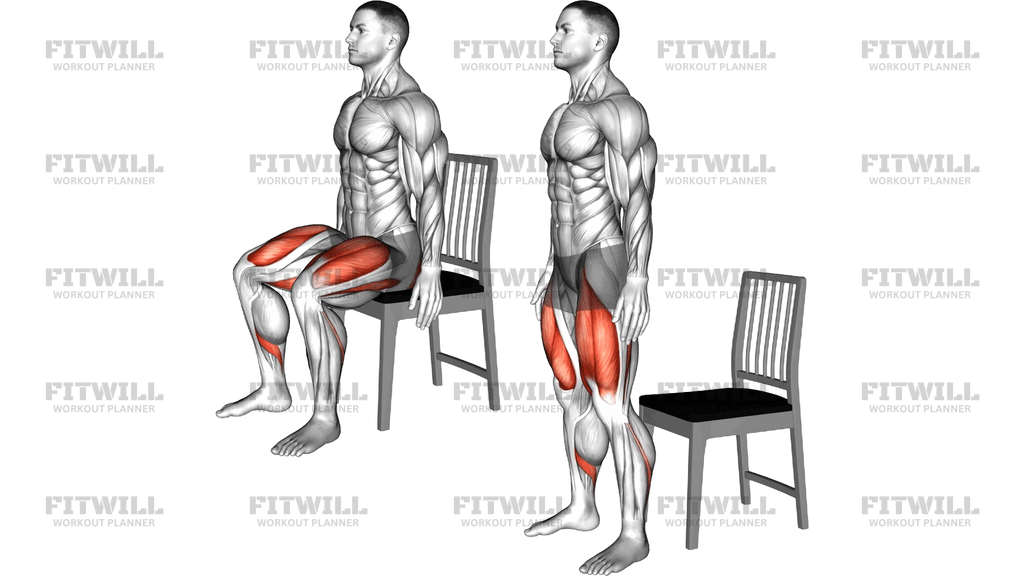
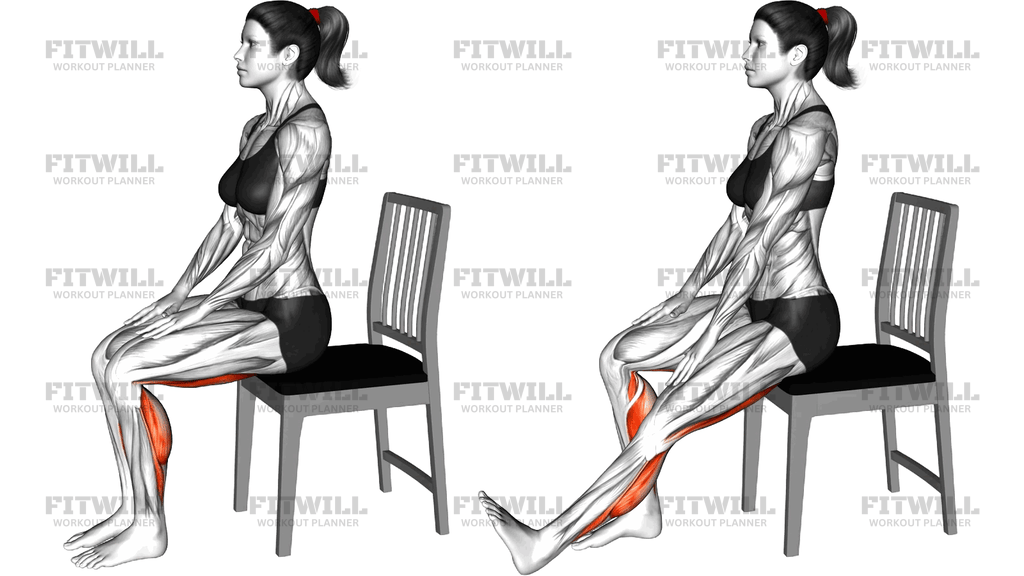
The Seated Alternate Hamstrings Stretch On A Chair is a simple, low-strain stretch that targets the back of one leg at a time while you stay fully supported in a seated position. You sit upright on a sturdy chair, extend one leg straight out in front of you with the heel resting on the floor, and gently pull the toes back toward the shin. The added ankle position deepens the stretch along the hamstring group and also lengthens the calf, which is why both areas light up during the hold.
This is one of the most accessible hamstring stretches available because the chair does the work of supporting your body weight. Office workers who sit for long hours, older adults who want to maintain leg flexibility without getting down on the floor, and people recovering general mobility after long periods of inactivity all benefit from it. It is also a convenient warm-up or cool-down option for walkers, runners, and cyclists who want to loosen the back of the legs without needing a mat.
The key to the setup is sitting tall on the front half of the chair with both feet flat before you begin. Extending one leg with a straight knee and drawing the toes upward places a controlled lengthening demand on the hamstrings, while a slight forward hinge from the hips increases the intensity. Keeping the spine neutral as you lean matters far more than how far you reach; rounding the lower back simply transfers tension away from the hamstring and into the spine.
Working one leg at a time has a real advantage: you can compare sides, spend extra time on the tighter leg, and keep the other foot planted for balance and support. The stretch should feel like a mild to moderate pull along the back of the thigh and possibly the calf, never a sharp or pinching sensation behind the knee. Because the position is seated and stable, you can hold the stretch longer and breathe normally, which helps the muscle release.
Alternate legs for the same amount of time on each side, and repeat two to three rounds if the legs feel particularly tight. If you want a deeper version, straighten the extended knee fully and hinge slightly more from the hips; if you want it gentler, soften the knee slightly and stay upright. The whole movement takes less than two minutes, which makes it easy to fit into a workday, a warm-up, or an evening wind-down routine.
[ Workout Log & Planner ]
Put your next workout in Fitwill
Keep your plan and training log ready when you are.


Instructions
- Sit tall on the front half of a sturdy chair with your back upright, both feet flat on the floor, and your hands resting on your thighs.
- Extend your right leg straight out in front of you so the heel stays in contact with the floor and the knee is as straight as is comfortable.
- Pull your right toes up toward your shin so the foot flexes and only the heel touches the ground.
- Keep your torso tall, then hinge forward slightly from the hips with a flat back until you feel a stretch along the back of the right thigh and calf.
- Rest your hands lightly on the extended thigh or the bent knee of the supporting leg for balance, without pressing down hard.
- Hold the position for 20 to 30 seconds while breathing steadily and keeping your shoulders relaxed.
- Ease back to an upright seated position, bend the right knee, and return the foot flat to the floor.
- Switch to the left leg, extend it with the heel down and toes pulled back, and hold for the same duration.
- Alternate sides for two to three rounds per leg, increasing the forward hinge gradually if the stretch feels too mild.
Tips & Tricks
- The most common mistake is rounding the lower back to reach farther forward. Keep your chest lifted and hinge from the hips instead, because a flat back puts the stretch on the hamstring where it belongs.
- Do not let the extended foot flop outward or turn in. Point the toes straight up toward the ceiling to keep the calf and hamstring length consistent.
- If you feel a sharp pull behind the knee rather than through the thigh, back off the toe flex or soften the knee slightly.
- Avoid locking the extended knee forcefully. A straight but relaxed knee stretches the tissue safely without straining the joint.
- Keep your sitting bones planted on the chair. Lifting or shifting the hips toward the extended leg shortens the stretch and defeats the purpose.
- Breathe slowly through the hold. Holding your breath tenses the hamstrings and makes the stretch less effective.
- If the chair has wheels or is light, place it against a wall so it cannot slide when you lean forward.
- Stay in the stretch rather than bouncing. Repetitive pulsing at the end range can trigger a protective contraction in the muscle instead of releasing it.
- Expect one side to be tighter than the other. Give the tighter leg an extra round rather than forcing a deeper hold on it.
Frequently Asked Questions
Which muscles does the Seated Alternate Hamstrings Stretch On A Chair target?
It primarily stretches the hamstrings along the back of the thigh, and pulling the toes back also lengthens the calf muscles. The lower back works lightly to keep you upright but should not feel strained.
Can I do this stretch if I cannot get down on the floor?
Yes, that is one of its main advantages. The chair supports your full weight, so you only need enough mobility to sit down and extend one leg forward.
How long should I hold the Seated Alternate Hamstrings Stretch On A Chair?
Hold each side for 20 to 30 seconds and repeat two to three rounds per leg. Longer, steady holds work better than quick, repeated dips in and out of the position.
Why does my calf feel the stretch and not my hamstring?
Flexing the toes toward the shin increases tension in the calf first. If your calf dominates, relax the foot slightly so less pull goes to the ankle and more reaches the back of the thigh.
Is it okay to do this stretch at my desk during the workday?
Absolutely. It requires only a stable chair and a small amount of floor space in front of you, so it is one of the easiest ways to break up long sitting periods and loosen tight hamstrings.
Should the extended knee be completely straight?
Straighten it as much as feels comfortable, but do not force or hyperextend the joint. A soft but mostly straight knee still gives an effective hamstring stretch.
How far forward should I lean during the stretch?
Only far enough to feel a mild to moderate pull along the back of the leg while keeping your back flat. Depth varies between people, and pushing into a rounded spine gains nothing.
What can I use if no chair is available?
Any stable seat such as a bench, sturdy stool, or the edge of a couch works, as long as it will not tip or slide and lets you sit with your knees bent at roughly right angles.
Is it safe if I have had a hamstring injury?
Work well within a gentle range, avoid any sharp pain behind the thigh or knee, and check with a healthcare professional or physical therapist before resuming stretching after a significant injury.
Should I stretch before or after exercise?
Use shorter, gentler holds before activity to prepare the legs, and longer holds of 30 seconds or more after training or a walk when the muscles are warm and respond better to stretching.