Pilates Machine Russian Squat
The Pilates Machine Russian Squat is performed standing on the moving carriage of a Pilates reformer, facing the front of the machine while holding the straps in both hands. From a tall standing position on the carriage, you slide back into a deep squat by letting the carriage travel away from the footbar, keeping the straps taut and your arms reaching forward for balance. You then press the carriage back in by driving through your feet to return to standing. Because the carriage rolls on wheels, the resistance comes from the reformer springs rather than gravity, which gives the squat a smooth, gliding feel that is distinct from a barbell or bodyweight squat.
This movement is especially useful for people who want to load the squat pattern without placing a bar on the spine or holding weights in the hands. The straps act as a counterbalance, making it easier to sit the hips back and keep the chest lifted, so it suits beginners learning to squat deeply and experienced practitioners looking for controlled, spring-loaded leg work. It is a common fixture in reformer classes as a lower-body strength block and as preparation for more advanced jumping or lunging work on the carriage.
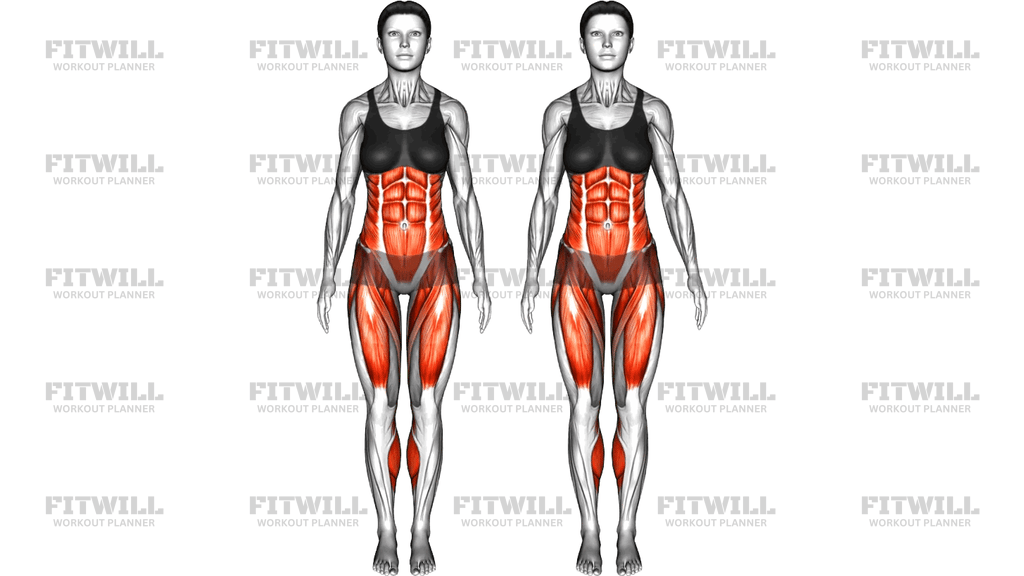
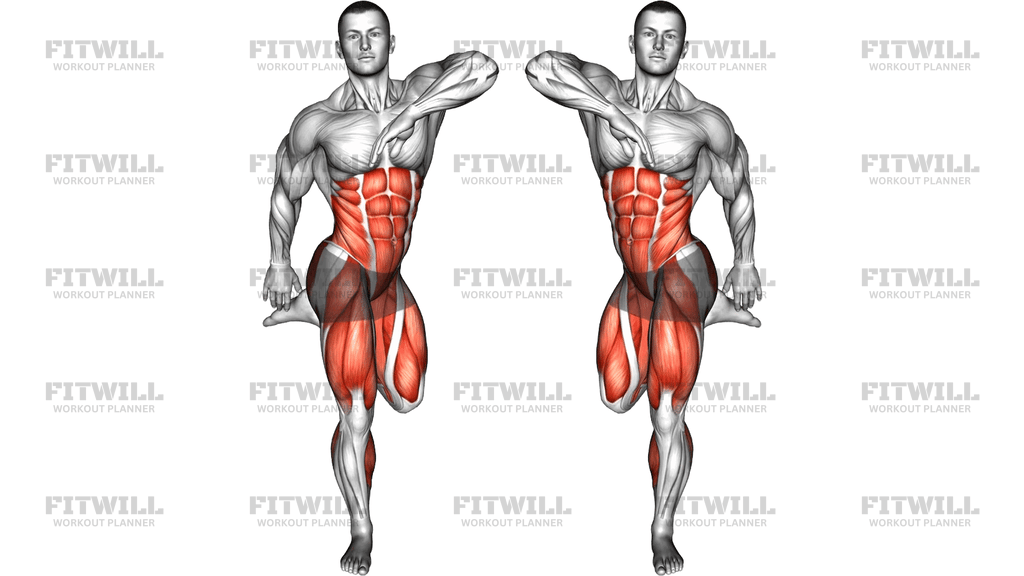
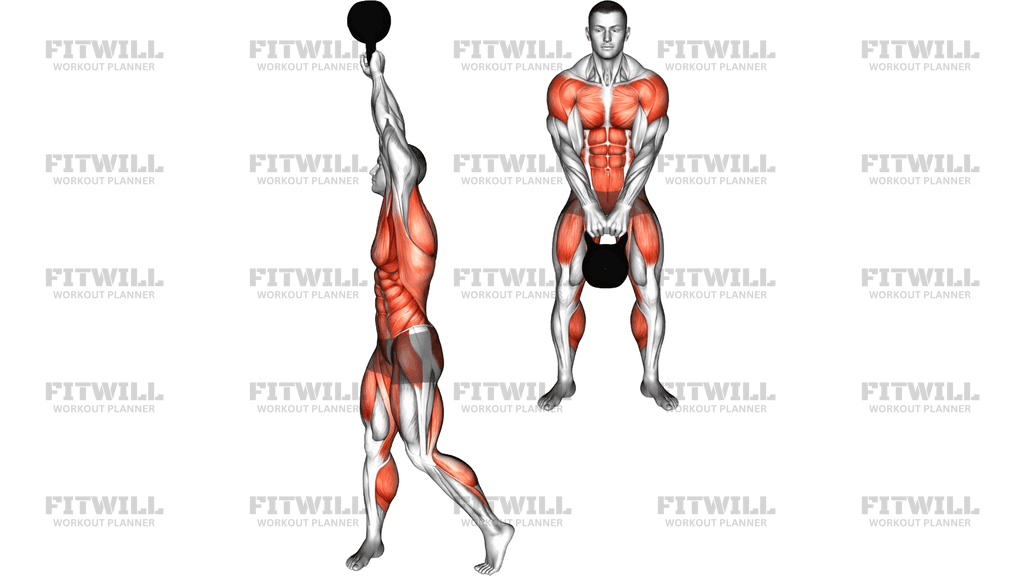
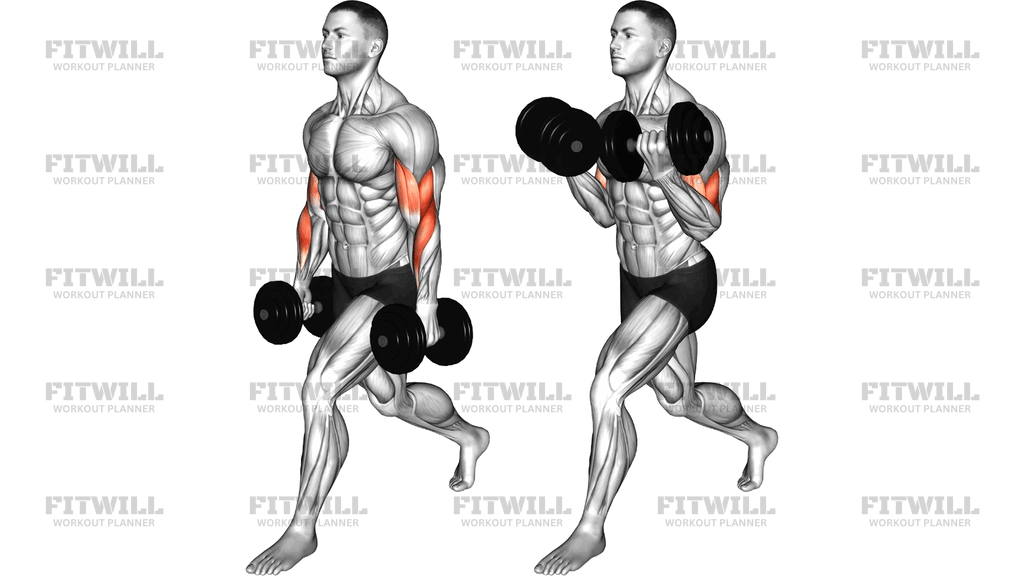
The main work is done by the quadriceps and glutes, which extend the knees and hips as you press the carriage back in. The hamstrings and calves stabilize the knees and ankles throughout the slide, and the deep core works continuously to keep your torso upright on an unstable, moving surface. The grip on the straps is light; it is there for balance and alignment, not for pulling yourself through the movement.
Setup matters more here than in most squats. Your foot placement on the carriage determines how far the carriage can travel and how deep the squat becomes, and an unstable or narrow stance will show up immediately as wobbling knees. Choose a spring load that lets you control both ends of the travel — too light and the carriage runs away from you at the bottom, too heavy and you will struggle to return smoothly. Bare feet or grippy socks on the carriage give the best contact.
Executed well, the squat should look like one continuous line: hips and knees fold together as the carriage glides back, arms extend toward the front of the machine, then everything reverses in the same rhythm. Move slowly enough that the carriage never slams into the stop at either end, and keep your weight evenly spread across both feet. If your heels lift or your knees collapse inward, reduce the range or the spring load before adding repetitions.
[ Workout Log & Planner ]
Put your next workout in Fitwill
Keep your plan and training log ready when you are.


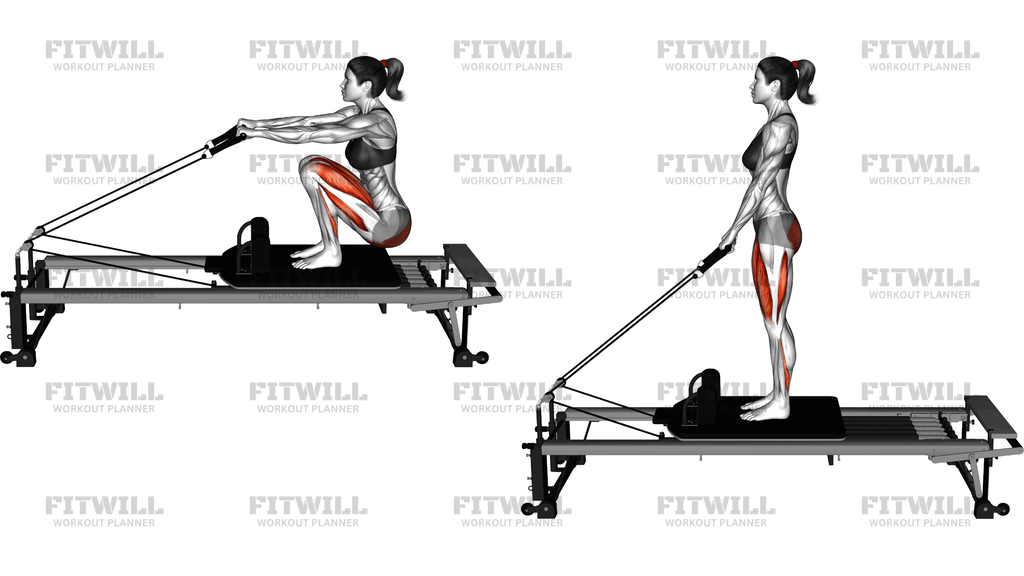
Instructions
- Stand facing the front of the reformer with both feet flat on the middle of the carriage, about hip-width apart, toes turned out slightly.
- Take one strap in each hand with a light grip, arms hanging at your sides, and check that the springs are engaged so the straps stay taut.
- Brace your abdominal muscles, lengthen through the crown of your head, and shift your weight evenly across both feet.
- Inhale, then bend your hips and knees together to let the carriage slide back into a deep squat, keeping your chest lifted and your heels down.
- As you descend, let your arms extend forward toward the front of the machine so the straps stay taut and act as a counterbalance.
- At the bottom, check that your knees track over your toes and your weight stays centered on the whole foot, not the toes.
- Exhale and press through your feet to straighten your hips and knees, gliding the carriage back in until you are fully standing with the straps back at your thighs.
- Pause briefly at the top to reset your posture before starting the next repetition.
- Keep the descent and the return equally slow so the carriage never bumps the stops, and complete all repetitions on one spring setting before adjusting the load.
Tips & Tricks
- If the carriage drifts back faster than you can control at the bottom, you are letting gravity and spring tension lead — slow the descent by actively resisting with your legs instead of relaxing into the squat.
- Heels lifting off the carriage usually means the stance is too narrow or the squat is too deep for your current ankle mobility; widen the feet slightly or shorten the range until both heels stay flat.
- Do not pull on the straps to lift yourself up — the arms only stay taut for balance, and pulling turns the squat into a strap-assisted drag that removes leg work.
- Watch for knees caving inward as you press back to standing; cue yourself to spread the floor with your feet so the knees track over the second toes.
- Keep the torso relatively vertical rather than hinging far forward — the counterbalance of the straps makes an upright chest possible, and folding over reduces glute involvement.
- Choose the spring load for control, not for challenge: a setting that lets the carriage slam home means you are overpowering the movement at the top.
- Because you are standing on a rolling surface, take a moment between reps to feel both feet before descending — starting a squat off-balance is the most common cause of a stumble on the reformer.
- Breathe in on the way down and out on the way up; holding your breath on a moving carriage makes the core stiffen unevenly and throws off balance.
- Turn the toes out only slightly — an exaggerated ballet stance on the carriage makes it harder to keep the hips square and the knees tracking properly.
Frequently Asked Questions
What muscles does the Pilates Machine Russian Squat work?
The quadriceps and glutes do the main work of lowering you into the squat and pressing the carriage back in. The hamstrings, calves, and deep core muscles stabilize your knees, ankles, and torso on the moving surface.
Is the Pilates Machine Russian Squat good for beginners?
Yes, and it is often easier for beginners than a barbell squat because the straps act as a counterbalance and help you keep your chest up. Start with a light-to-moderate spring setting and a shallower range until the carriage feels steady under your feet.
How deep should I squat on the reformer carriage?
Go as deep as you can while keeping both heels flat on the carriage, your chest lifted, and your knees tracking over your toes. If any of those break down at the bottom, shorten the depth rather than pushing through it.
Why do my arms reach forward during the Pilates Machine Russian Squat?
The straps held taut in front of you act as a counterweight that helps you sit your hips back without leaning far forward. Keep the grip light — the arms are for balance, not for pulling yourself up.
How much spring tension should I use for this squat?
Use the least amount of spring that still lets you control the carriage at the bottom and return smoothly without jerking. Most people find a medium setting works once they are comfortable balancing on the moving carriage.
What is the most common mistake in the Pilates Machine Russian Squat?
Letting the carriage run back at the bottom and then slamming into the end stop, which usually comes from descending too fast. Control the slide with your legs the entire way so the movement stays smooth at both ends.
Can I do this exercise if I cannot balance on the moving carriage?
Spend a few sessions just standing on the carriage with the straps held taut, shifting your weight gently side to side before adding the squat. Once that feels stable, try a partial-depth squat and build depth gradually.
How is the Pilates Machine Russian Squat different from a regular squat?
The resistance comes from reformer springs pulling the carriage, not from gravity loading your spine, and your feet travel backward as you descend. This gives a gliding, joint-friendly squat with strong balance and core demands.
How many repetitions should I do?
Ten to fifteen slow, controlled repetitions per set works well, keeping the carriage from bumping the stops on every rep. Two to three sets is a solid amount within a reformer class or standalone session.
Is it safe to squat on a reformer carriage if my knees are sensitive?
The spring-loaded, non-gravity resistance is often comfortable for sensitive knees, but the moving surface adds a balance element. Use a shallow range, a firmer spring setting for stability, and stop if you feel sharp pain rather than muscle effort.