Inline Skating
Inline Skating is a continuous, low-impact locomotion exercise performed on inline skates, where you propel yourself forward by pushing each leg out to the side and back at an angle, then gliding on the rolling wheels before the next push. The rhythm of push-glide-push makes it one of the few outdoor activities that blends steady aerobic work with genuine lower-body strength demands, since every stride requires you to control your body weight over a narrow, moving base.
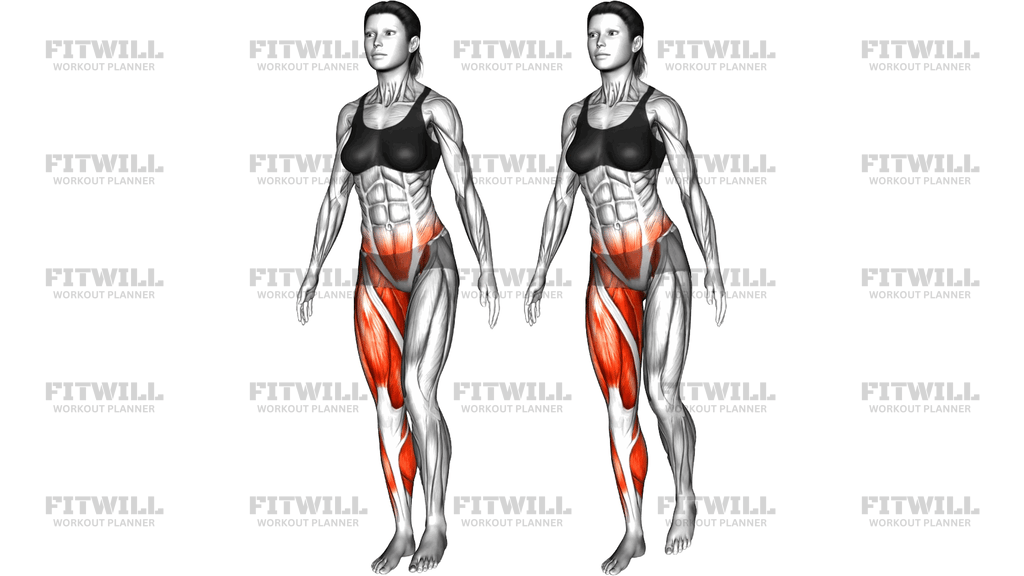
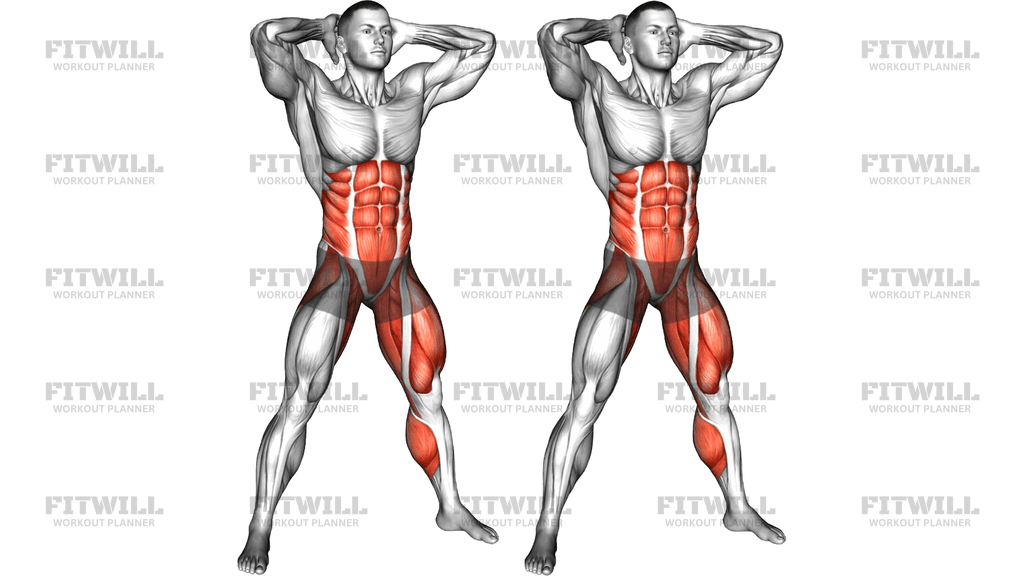
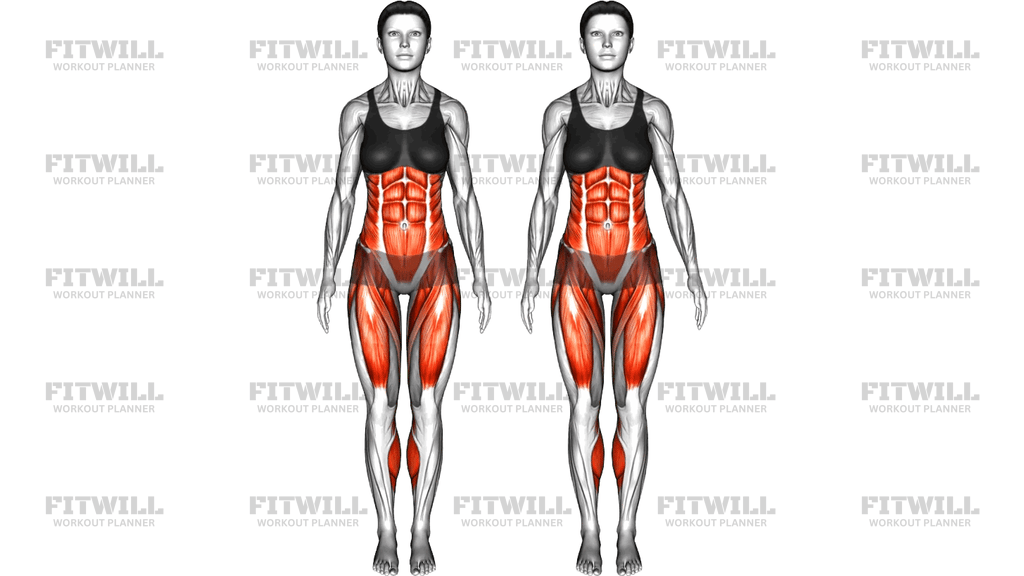
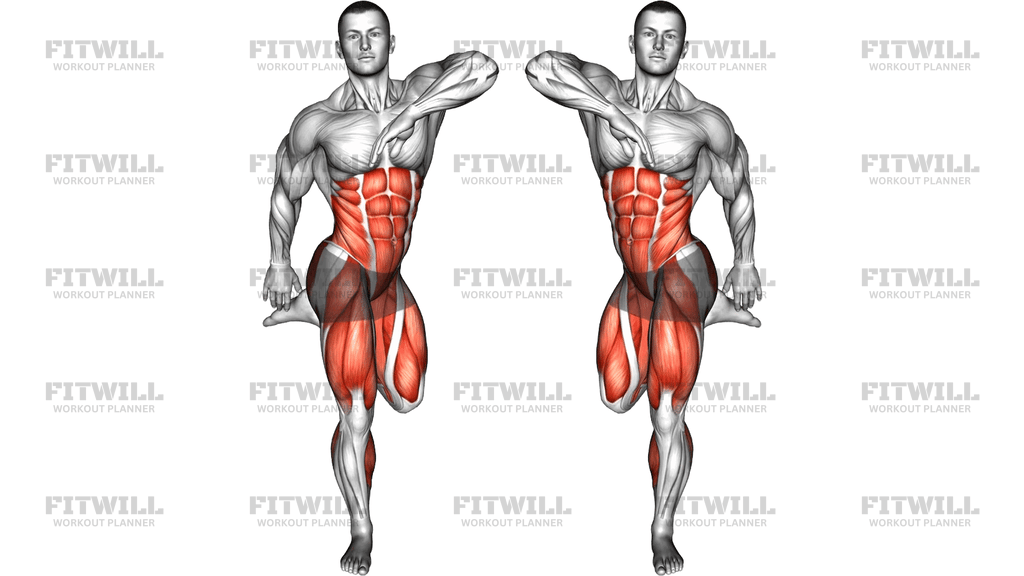
The movement pattern is essentially a repeated lateral push, similar to a slow-motion side lunge. As one leg drives out and extends behind you, the quadriceps and glutes produce the force, while the adductors and hip muscles on the gliding leg stabilize your pelvis. The calves and ankle stabilizers work constantly to keep you balanced over the wheels, and your core stays engaged to hold an upright, slightly forward-leaning torso as you travel.
Inline Skating suits a wide range of people because it delivers a solid cardiovascular stimulus without the repeated heel-strike impact of running. Recreational skaters use it for general conditioning and leg endurance, athletes use it as cross-training for sports with lateral movement like hockey or skiing, and people managing joint stress often find it a comfortable way to raise their heart rate for longer sessions.
Good execution starts with your setup before you even roll. Wear a properly fitted helmet, wrist guards, and knee pads, and check that the wheels spin freely and the boot is laced snugly so your ankle does not wobble inside the shell. Begin on flat, smooth pavement away from traffic, with your feet parallel and about hip-width apart, knees softly bent and weight centered over the middle of your feet.
To move well, learn the stride before you chase speed. Push one skate out to the side at roughly a 45-degree angle, press through the whole foot, and let the other leg carry your weight as you glide. Bring the pushing leg back under your hips, switch sides, and let the cadence grow naturally. Keep your arms relaxed and swinging for balance, your eyes looking ahead rather than down at your wheels, and your torso leaning slightly forward from the hips without rounding your back.
The practical concern with Inline Skating is not muscle fatigue but stopping and falling. Practice a basic heel brake or T-stop on flat ground at low speed until it feels automatic, and learn to fall forward onto your pads rather than backward. Avoid hills, wet surfaces, gravel, and crowded paths until your balance and braking are reliable, and treat every session as a skill practice first and a workout second.
[ Workout Log & Planner ]
Put your next workout in Fitwill
Keep your plan and training log ready when you are.


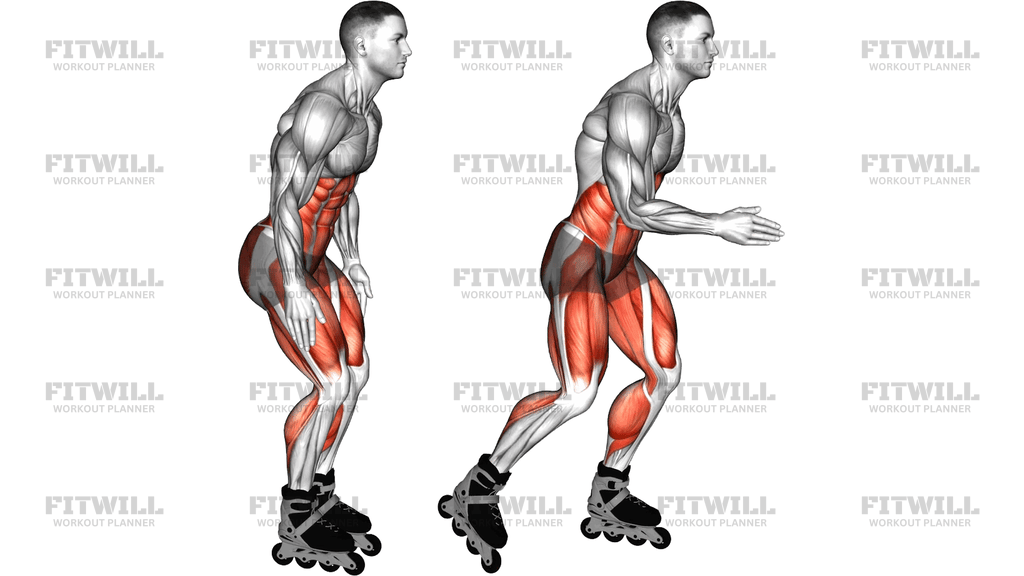
Instructions
- Put on a helmet, wrist guards, and knee pads, then lace your inline skates snugly so your heels are locked in and your ankles cannot shift inside the boots.
- Stand on flat, smooth pavement with your feet parallel and hip-width apart, knees bent about 20 to 30 degrees, and your weight balanced over the middle of each foot.
- Hinge slightly forward from the hips with your back straight and your core braced, arms relaxed at your sides or swinging loosely.
- Shift your weight onto one skate, then push the other leg out to the side at roughly a 45-degree angle, extending the hip and knee to drive yourself forward.
- Glide on the supporting leg as the pushing leg finishes its extension, keeping the gliding knee bent and your hips level.
- Return the pushing leg under your hips, transfer your weight smoothly, and repeat the same lateral push with the opposite leg.
- Continue alternating pushes in a steady rhythm, letting your arms counterbalance each stride and your eyes stay fixed on the path ahead.
- Exhale as you push and inhale during the glide, keeping your breathing steady enough that you could still hold a conversation at a recreational pace.
- To slow down, rise slightly taller, bring your braking foot forward or behind into a T-position, and apply gradual pressure rather than a sudden stop.
- Finish by rolling to a complete stop on flat ground, standing upright with both skates parallel, and stepping off the path before removing your gear.
Tips & Tricks
- The most common mistake is standing tall with straight legs, which turns every push into a wobbly shuffle; keep a permanent soft bend in your knees so your wheels stay under your center of mass.
- If your skates drift inward or outward as you glide, your ankles are collapsing inside the boots; tighten the laces and cuffs and consciously press your knees slightly outward over your toes.
- Push sideways, not straight back. New skaters tend to kick behind them like running, which gives no glide; think of pressing the road away from your body at an angle instead.
- Let each push end with a real glide. If your feet return to the ground too quickly, you are running on wheels; extend the single-leg support phase to build balance and efficiency.
- Keep your hips square and level. A common fault is dropping the hip on the pushing side, which leaks power and strains the lower back; imagine a cup of water balanced on each hip bone.
- Practice your heel brake or T-stop at walking speed for a few minutes at the start of every session, because braking is a skill that fades if you only ever skate forward.
- Look several meters ahead instead of down at your front wheels; dropping your head rounds your upper back and makes balance worse precisely when you need it most.
- Sweep rough pavement, small pebbles, and painted lines with your eyes early; a wheel caught on debris at speed is the main cause of sudden falls in Inline Skating.
- Start on a dead-flat surface such as an empty parking lot. Gentle slopes that feel harmless on foot accelerate quickly under wheels and will test your stopping skills before you are ready.
Frequently Asked Questions
Which muscles does Inline Skating work the most?
The primary work comes from the quadriceps and glutes, which drive each sideways push, while the calves, hamstrings, and hip muscles stabilize every glide. Your core stays active the whole time to keep your torso upright over a moving base.
Is Inline Skating a good cardio workout for beginners?
Yes, because the pace is self-controlled and the impact on your knees and hips is far lower than running. Beginners should start with short sessions on flat ground and prioritize learning to stop before extending the duration.
How is the Inline Skating stride different from running?
Instead of pushing straight back under your body, you push out to the side at an angle and then glide on one leg, which resembles a repeated controlled side lunge. That lateral push is what loads the glutes and outer hip muscles so heavily.
Why do my ankles and shins ache when I skate?
Usually the boots are too loose, letting your ankles wobble, or your ankle stabilizers are simply untrained for the constant balance work. Tighten the laces and cuff buckle, shorten your sessions at first, and the shin and ankle discomfort typically settles as those muscles adapt.
What is the most common Inline Skating mistake?
Skating upright with straight legs and taking quick, choppy steps instead of angled pushes with a glide. Keeping your knees bent and finishing each push with a glide fixes most balance and speed problems at once.
How do I stop safely on inline skates?
Most recreational skates have a heel brake: scissor one foot forward, lift the toes of that skate, and press the brake down smoothly while shifting weight onto it. A T-stop, where you drag one skate perpendicular behind you, is the common alternative but takes more practice.
What safety gear should I wear for Inline Skating?
A helmet is essential, and wrist guards, knee pads, and elbow pads are strongly recommended because forward falls onto outstretched hands are the most frequent injury pattern. Check your wheels and brake pad for wear before every ride.
Can Inline Skating replace running for conditioning?
It can, particularly if you want to keep training with less joint impact, and steady skating can raise your heart rate comparably to an easy run. Just make sure your routes are flat and smooth and that your braking is dependable before skating near traffic or crowds.
How long should a beginner Inline Skating session last?
Twenty to thirty minutes of actual skating is plenty at first, since your legs, ankles, and balance system fatigue quickly on wheels. End the session while your form is still crisp rather than skating into sloppy, tired strides.
Can I lose weight with Inline Skating?
Regular skating burns a meaningful amount of energy over a session because it uses the large muscles of the legs continuously, and it is easy to sustain for long durations. Pair it with a sensible diet and consistent weekly schedule for best results.