Suspension Sit-Up
Suspension Sit-Up is a floor-based core exercise that uses the suspension straps to anchor the legs while the torso curls from lying down to a tall seated finish. The setup changes the feel of a basic sit-up by removing the need to brace the feet against a bench or partner, so the abs and hip flexors have to control the whole trunk without extra help from leg drive.
This movement mainly trains the rectus abdominis, with the obliques and deep abdominal wall helping to keep the rib cage stacked over the pelvis as you come up and lower down. Because the feet stay in the straps, the line from shoulders to hips to heels is easier to watch, and that makes the exercise useful when you want clear feedback on control, tempo, and trunk position instead of just chasing repetitions.
A good Suspension Sit-Up starts with the straps adjusted so both heels sit evenly and the legs can extend without the hips twisting. Lie flat with the straps under the feet, reach the arms overhead, and keep the ribs down before the first rep. That starting position matters because if the low back is already arched or the straps are uneven, the rep usually turns into a tug-of-war between the hips and the trunk.
As you sit up, think about curling the sternum toward the pelvis and reaching the hands forward to help the torso come off the floor in one smooth line. The finish should be a tall seated position with control, not a violent yank to upright. Lower back to the floor slowly, one segment at a time, so the abs keep tension through the eccentric phase and the straps stay quiet instead of swinging around.
Suspension Sit-Up works well as an accessory core drill, a warmup for trunk control, or a higher-rep abdominal exercise when you want more challenge than a standard sit-up. It is also a useful teaching tool for athletes and lifters who need to resist lumbar extension while the hips flex and the trunk stays organized. Keep the range honest, stop before the straps start to whip, and reduce the difficulty by shortening the lever or bending the knees slightly if the low back or hip flexors take over.
Fitwill
Log Workouts, Track Progress & Build Strength.
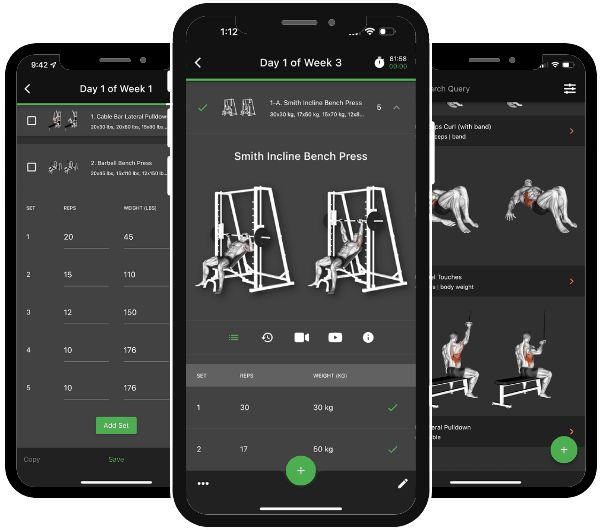
Achieve more with Fitwill: explore over 5000 exercises with images and videos, access built-in and custom workouts, perfect for both gym and home sessions, and see real results.
Start your journey. Download today!


Instructions
- Lie on your back on the floor with your heels secured in the suspension straps and your legs extended in front of you.
- Square both straps so the feet sit evenly, then reach your arms overhead with your palms facing each other.
- Press your low back gently toward the floor, bring your ribs down, and brace before you start the first rep.
- Exhale and curl your head, shoulders, and upper back off the floor while keeping the heels anchored in the straps.
- Keep reaching your hands forward as you sit up so the torso rises smoothly instead of jerking from the hips.
- Finish in a tall seated position with the chest over the pelvis and the legs still controlled by the straps.
- Pause briefly at the top without pulling on the straps or swinging the legs.
- Lower yourself back to the floor slowly until your shoulder blades touch down and your arms return overhead.
- Reset your rib position and breathing before the next repetition.
Tips & Tricks
- Keep both heels centered in the straps; if one foot drifts higher, the pelvis usually twists on the way up.
- Use a slight knee bend if tight hamstrings pull your pelvis out of position at the bottom.
- Reach the hands forward as you rise instead of throwing the arms overhead, which usually adds momentum.
- If the hip flexors dominate, slow the top half of the rep and think about curling the ribs toward the pelvis.
- Lower for a count of two or three so the straps stay quiet and the abs keep working on the way down.
- Stop the set when you can no longer keep the low back from arching off the floor.
- Keep the chin gently tucked so the neck follows the torso instead of leading the rep.
- A small pause at the top helps clean up the finish and removes bouncing from the straps.
Frequently Asked Questions
What muscle does Suspension Sit-Up target most?
It mainly targets the rectus abdominis, with the obliques and deeper core muscles helping to keep the trunk organized.
How do I set my feet in the straps for Suspension Sit-Up?
Place both heels evenly in the suspension straps so the legs stay symmetrical and the straps can support the feet without twisting.
Should my legs stay straight during the rep?
Yes, keep them long if your hamstrings allow it, or allow a small bend only if it helps you keep the pelvis and low back in position.
Why do I feel Suspension Sit-Up in my hip flexors?
The hip flexors assist the sit-up, but if they take over, shorten the range slightly and focus on curling the ribs toward the pelvis rather than yanking the legs.
Can I do Suspension Sit-Up if I am a beginner?
Yes, but start with a short range and slow tempo so you can control the straps and avoid using momentum to get upright.
How can I keep the straps from swinging?
Set the straps evenly before each rep, lift smoothly, and lower slowly so the legs do not whip upward or downward.
What is the safest way to lower back down?
Reverse the sit-up slowly until your shoulder blades touch the floor, then reset your rib position before starting the next rep.
What makes Suspension Sit-Up harder than a regular sit-up?
The suspended feet remove a lot of fixed support, so the trunk has to control the rep while the straps and hips stay balanced.