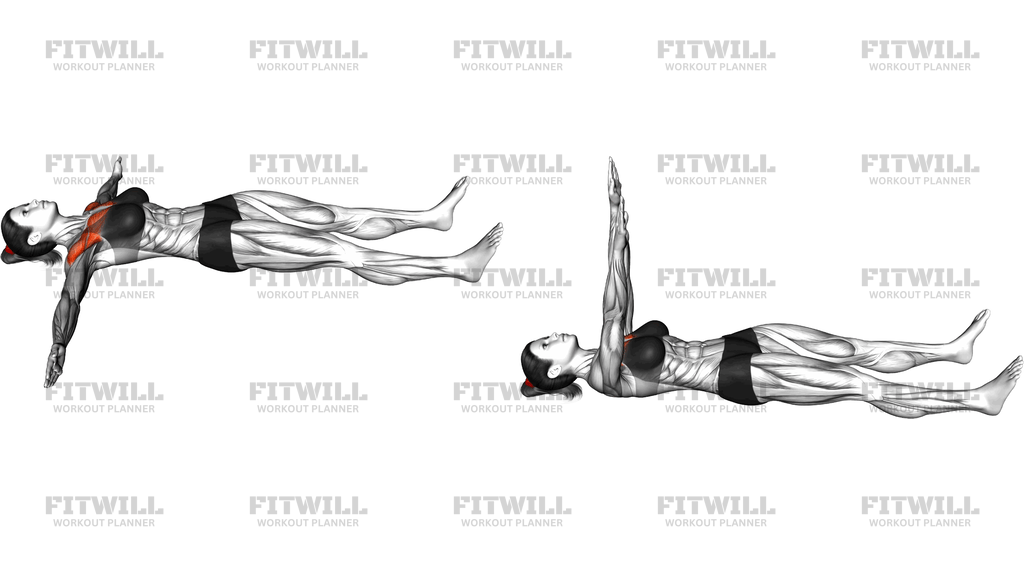
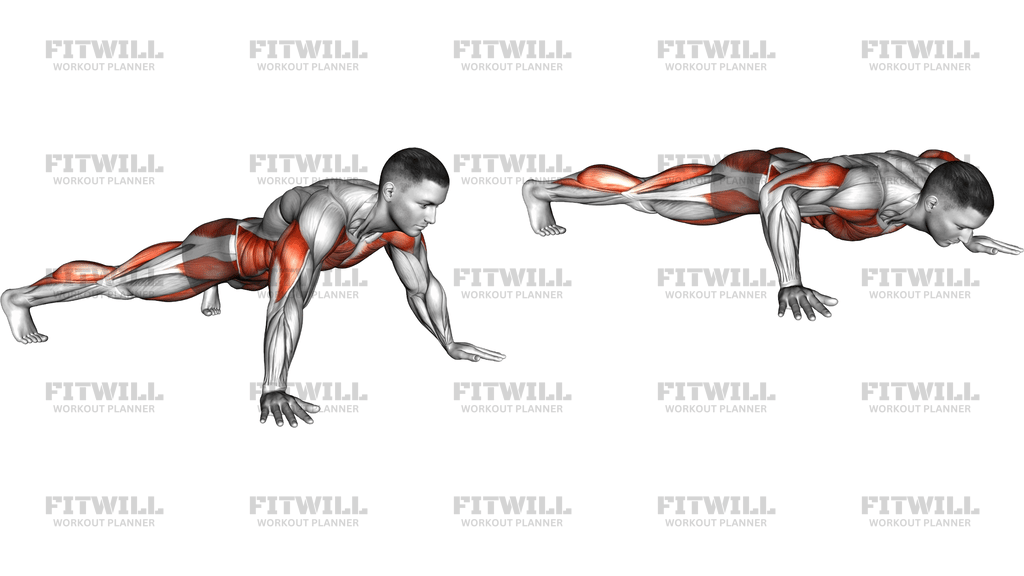
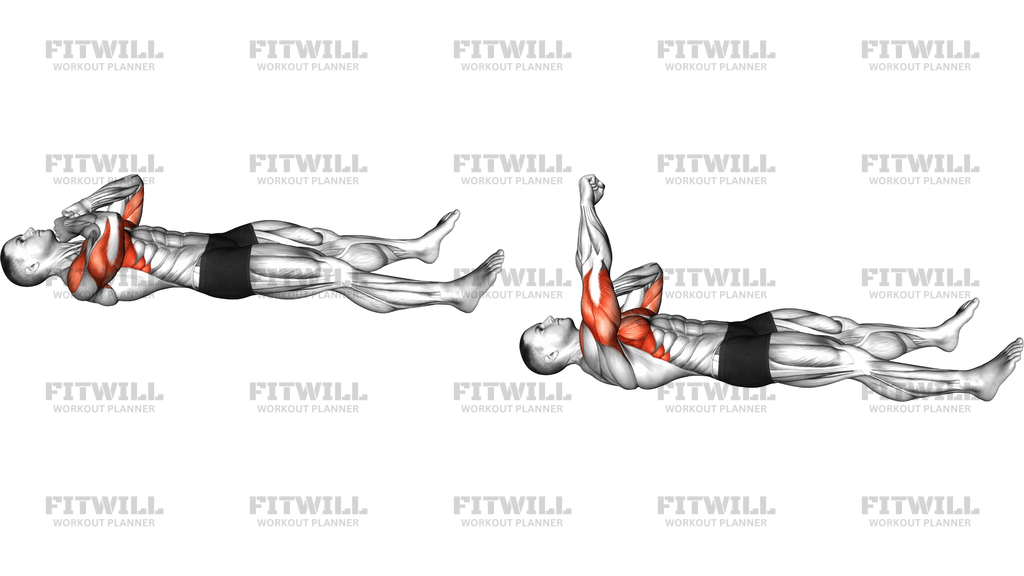
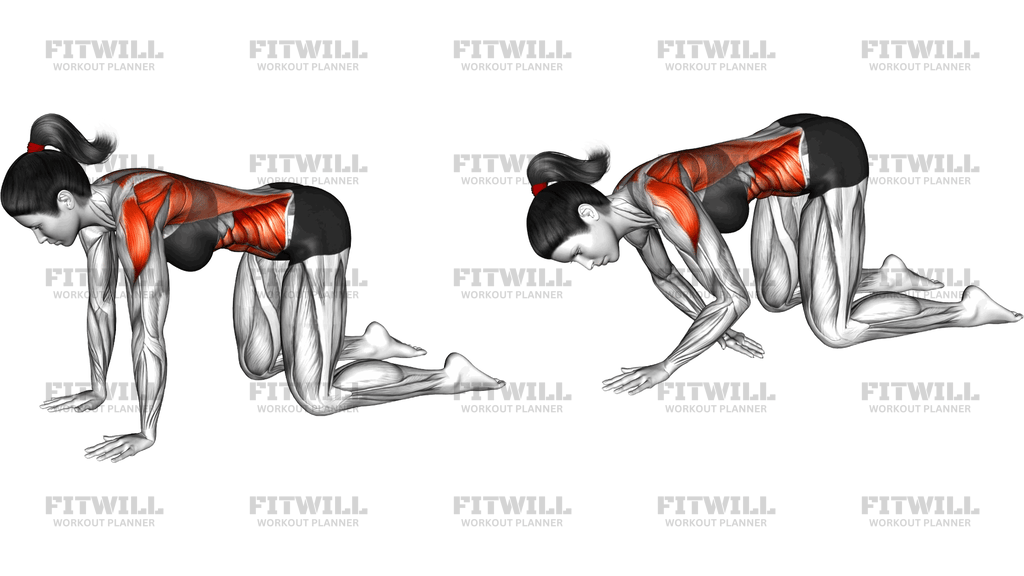
Standing Upright Shoulders Stretch
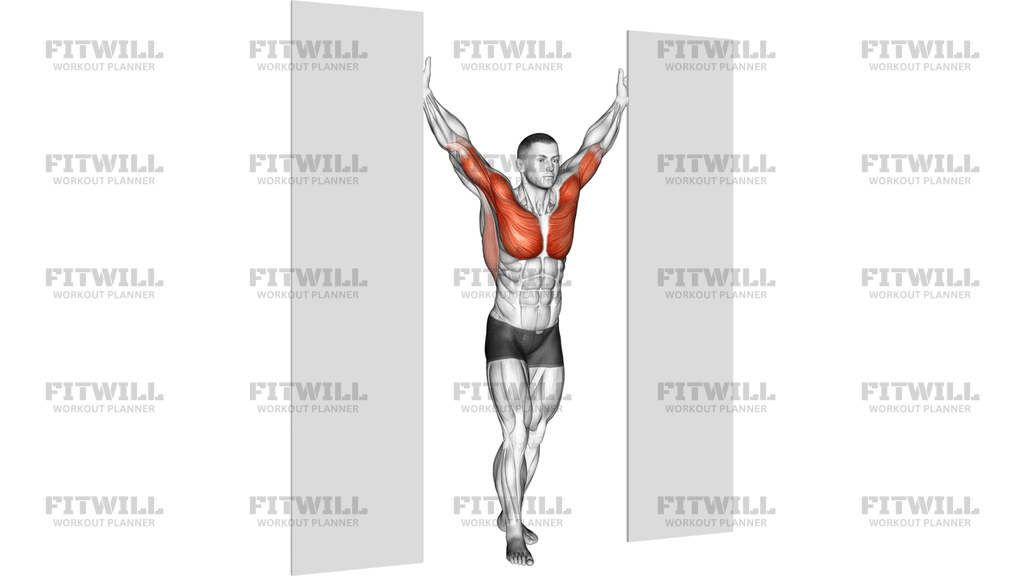
Standing Upright Shoulders Stretch is a standing overhead opening drill that uses two stable vertical supports, such as doorway sides or wall edges, to create a controlled stretch through the shoulders, chest, and upper arms. It is most useful when your shoulders feel tight from pressing, desk work, or overhead training and you want a simple position that lets you open the front of the body without lying down or loading the joints.
The setup matters more than the range. When your hands are placed high and your chest stays tall, the stretch lands across the front of the shoulders and upper chest instead of dumping into the lower back. That makes Standing Upright Shoulders Stretch a practical warmup or cooldown option for lifters, athletes, and anyone who needs better overhead comfort.
The movement itself should be quiet and deliberate. Stand between the supports, place your hands high on each side, and step or lean your chest forward until you feel a smooth stretch across the shoulders and pecs. Keep the neck long, ribs controlled, and elbows positioned so the upper arms stay supported rather than collapsing inward.
Because this is a stretch, the goal is not to force a dramatic range. A clean rep is one where breathing stays calm, the chest opens gradually, and the shoulders do not pinch at the front. If the position feels cramped, narrow or widen your stance slightly and adjust how high your hands rest until the stretch targets the right area.
Standing Upright Shoulders Stretch is especially useful after pressing sessions, pull days with a lot of upper-back tension, or anytime the shoulders feel rounded forward. It is a good reminder that quality position changes the way a stretch feels: small adjustments in hand height, step distance, and torso angle can shift the tension from a jointy, irritated feeling to a steady opening through the upper body.
[ Workout Log & Planner ]
Put your next workout in Fitwill
Keep your plan and training log ready when you are.


Instructions
- Stand between two sturdy vertical supports, such as doorway sides or wall edges, with one foot slightly in front of the other.
- Raise both arms overhead and place your hands high on each support so your forearms and palms can stay anchored.
- Keep your chest lifted, ribs stacked over your hips, and your neck long before you lean.
- Step your weight forward until you feel a mild stretch across the front of the shoulders and upper chest.
- Let the shoulders open while keeping the elbows softly bent instead of locked hard behind you.
- Breathe into the stretch for a few steady breaths without shrugging toward your ears.
- Hold the end position only as long as the stretch stays smooth and free of pinching.
- Ease your weight back to center, lower your arms, and reset your stance before the next hold.
Tips & Tricks
- A higher hand position usually shifts the stretch more toward the shoulders and upper chest; a lower hand position makes it easier on tight shoulders.
- Keep your ribs from flaring as you lean forward, or the stretch will spill into the low back instead of the front of the shoulders.
- If one shoulder feels tighter, step that foot slightly farther back so you can square the torso instead of twisting into the support.
- Do not force the elbows straight; a small bend keeps tension spread through the shoulder rather than jammed into the joint.
- A smooth exhale often lets the chest settle forward a little more without pushing harder with the arms.
- If the front of the shoulder pinches, reduce how far you step in and keep the arms slightly lower on the supports.
- Keep the neck relaxed and look straight ahead instead of craning your chin up to chase more range.
- Use this as a short opening drill after pressing or bench work, not as a max-effort stretch held through pain.
Frequently Asked Questions
What muscle does Standing Upright Shoulders Stretch target most?
It primarily targets the front of the shoulders, with the chest and upper arms helping create the stretch.
Can beginners perform this exercise?
Yes. Beginners can usually do it safely if they keep the lean small and avoid forcing the shoulders into a painful range.
Do my hands need to stay very high on the doorway or wall?
High hand placement usually gives the clearest shoulder stretch, but moving the hands lower can make the position more comfortable if you feel pinching.
Should I feel this more in the shoulders or the chest?
Most people feel it across both, but the exact emphasis depends on how high the arms are and how far the chest moves forward.
Why do my lower back and ribs want to arch?
That usually means you are leaning too far forward. Keep the ribs stacked and bring the chest forward from the shoulders instead of arching hard through the spine.
Can I use this after bench pressing or shoulder work?
Yes, it is a useful cooldown stretch after pressing, overhead work, or any session that leaves the front of the shoulders tight.
What should I change if one shoulder feels tighter than the other?
Adjust the lean and hand height first. Small position changes usually matter more than trying to push harder through the tighter side.
Is it normal to feel this in the upper arms too?
Yes. The triceps and surrounding upper-arm tissues often help transmit the stretch when the arms are overhead.