Across Chest Shoulder Stretch
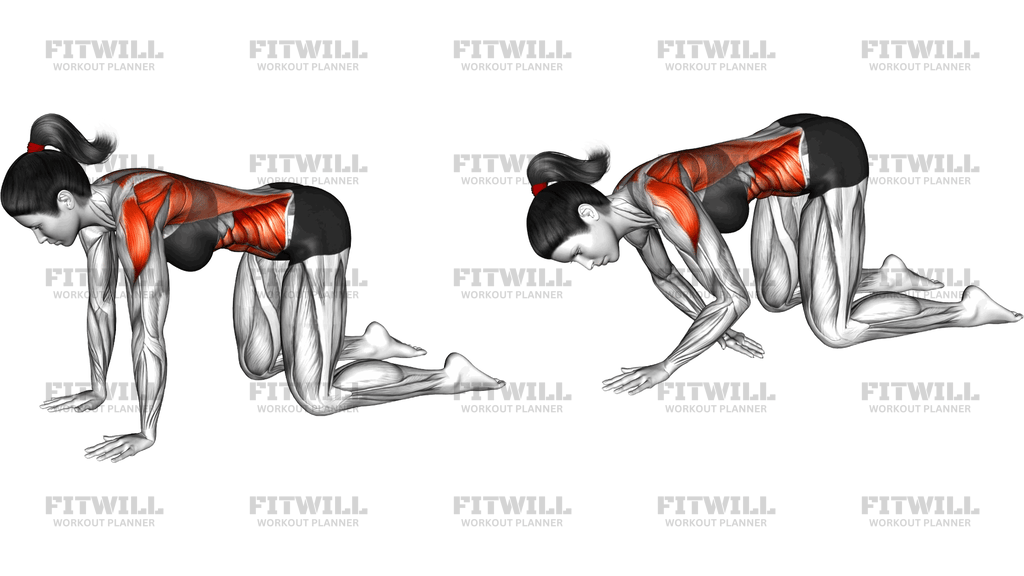
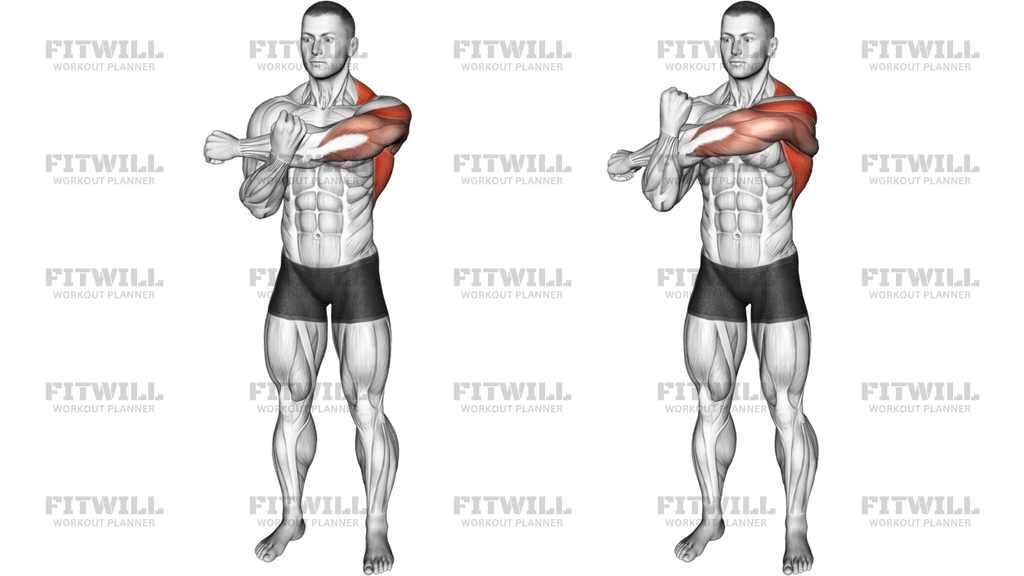
Across Chest Shoulder Stretch is a standing or seated cross-body mobility drill for the shoulder girdle. One arm is drawn across the chest while the other arm helps guide it closer to the body, creating a controlled stretch through the rear shoulder, posterior deltoid, upper back, and the tissues around the back of the shoulder joint. It is not a strength exercise; the value comes from finding a clean, repeatable position that lets the shoulder open without strain.
The setup matters because the line of pull changes what you feel. When the stretching arm stays near shoulder height and the torso stays tall, the stretch stays focused across the back of the shoulder instead of collapsing into a shrug or a twist through the spine. That makes this a useful drill before pressing, overhead work, pulling sessions, or any routine that needs better shoulder motion and less stiffness.
The goal is to bring the arm across the body until you feel a strong but comfortable stretch, then hold that position without bouncing or forcing the joint farther. The assisting hand should guide the arm, not wrench it. A steady exhale usually helps the shoulder settle, and a relaxed neck keeps the upper traps from taking over the movement. If you have to lean, twist, or crank on the arm to feel anything, the stretch is too aggressive.
This stretch is especially useful after upper-body training or during warm-ups when the shoulders feel bound up from pressing, rows, desk posture, or overhead positions. It can also be helpful between hard sets when the front of the shoulder feels tight and the back of the shoulder needs a little length. For most people, it works best as a short hold on each side with even pressure and no pain.
Keep the sensation in the shoulder and upper back rather than the neck or elbow. If the front of the shoulder pinches, reduce the range, lower the stretch angle slightly, or use a gentler grip higher on the arm. The best version of this movement leaves you looser, not irritated, and should feel easy to repeat on both sides with the same setup.
[ Workout Log & Planner ]
Put your next workout in Fitwill
Keep your plan and training log ready when you are.


Instructions
- Stand tall or sit upright with your chest open, feet planted, and your shoulders relaxed.
- Bring one arm across the front of your chest at about shoulder height.
- Use the opposite hand to hold the upper arm just above the elbow and guide it inward.
- Keep the stretching shoulder down instead of shrugging toward your ear.
- Pull the arm only until you feel a firm stretch across the back of the shoulder.
- Hold the position and breathe out slowly so the shoulder can relax into the stretch.
- Keep your torso facing forward and avoid twisting through the ribs or lower back.
- Release the arm with control, then repeat on the other side with the same setup.
Tips & Tricks
- Hold the arm higher on the upper arm if the elbow feels stressed; the stretch should live in the shoulder, not the joint crease.
- Keep the stretched arm near shoulder level so the pull stays in the rear deltoid and not down into the side body.
- Let the opposite shoulder stay soft and low instead of lifting as you pull the arm across.
- A long exhale usually lets the back of the shoulder give a little more without forcing it.
- If your torso rotates toward the pulling side, reset and square your ribs to the front before holding again.
- Do not yank the arm across the chest; a steady guided pull is enough to create the stretch.
- If the front of the shoulder pinches, reduce the angle and bring the arm slightly lower.
- Use this as a brief reset between pressing sets, not a painful end-range contest.
Frequently Asked Questions
What does the Across Chest Shoulder Stretch target most?
It mainly stretches the rear shoulder, especially the posterior deltoid, with help from the upper back.
Should I hold the arm at shoulder height or lower?
Shoulder height is a good starting point. Lower it slightly if the shoulder pinches, or keep it there if that gives the cleanest stretch.
Do I pull on the elbow or the forearm?
Hold the upper arm just above the elbow when possible. That usually gives you more control and less stress on the joint.
Why should I keep my chest facing forward?
Turning the torso can fake extra range and move the stretch away from the shoulder. Keeping the ribs square makes the stretch more useful.
Can I do this stretch seated instead of standing?
Yes. Seated is a good option if standing makes you sway or arch your lower back.
How long should I hold each side?
A short, steady hold is usually enough. Stop once the shoulder feels open and relaxed, not when it starts to strain.
Is this stretch good before bench press or overhead work?
Yes, it can help loosen the back of the shoulder before pressing if you keep the hold gentle and controlled.
What should I do if I feel a pinching sensation in the front of the shoulder?
Back off the range, lower the arm slightly, and use less pull. Sharp or pinchy pain is a sign to stop and adjust.