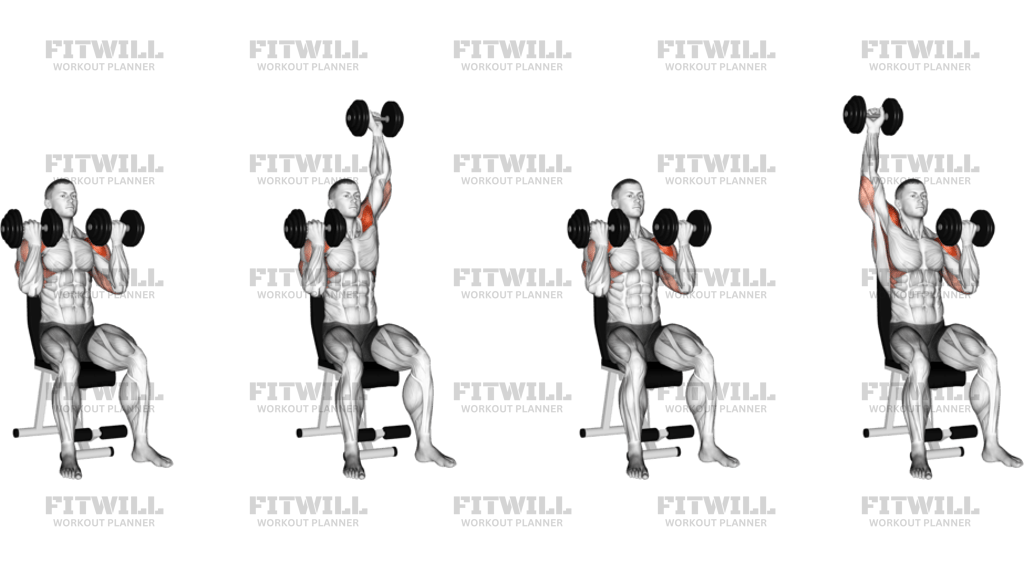
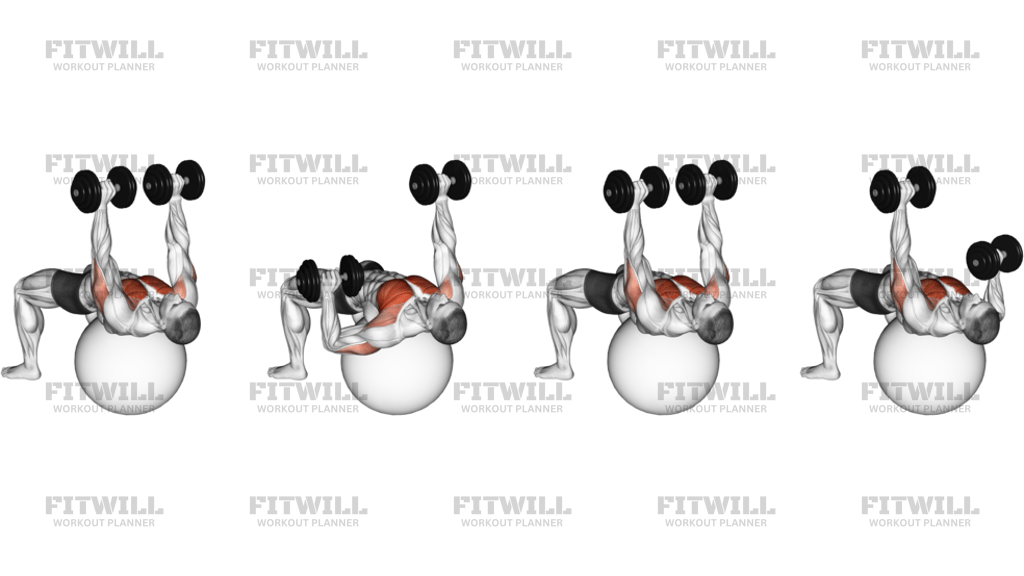
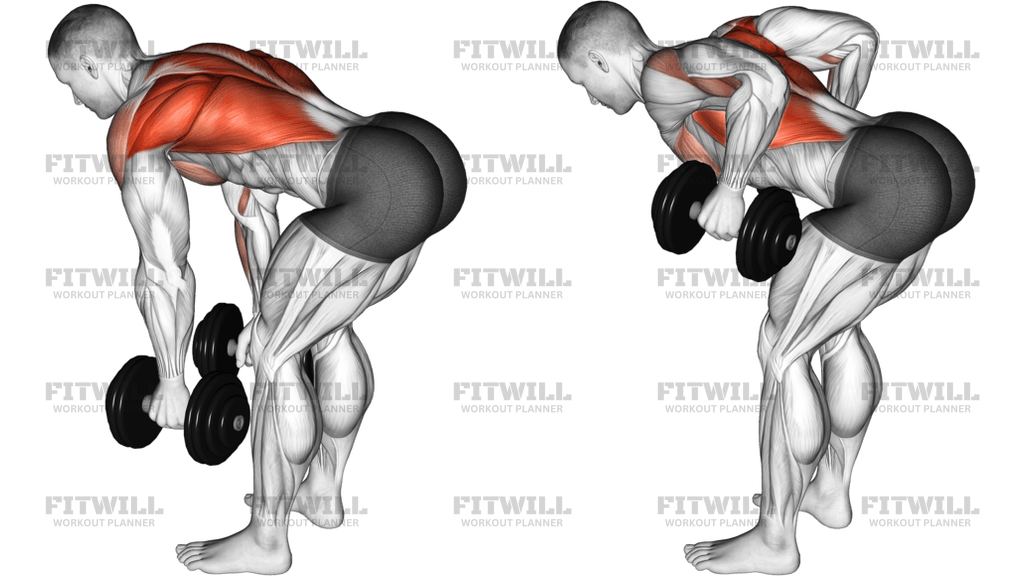
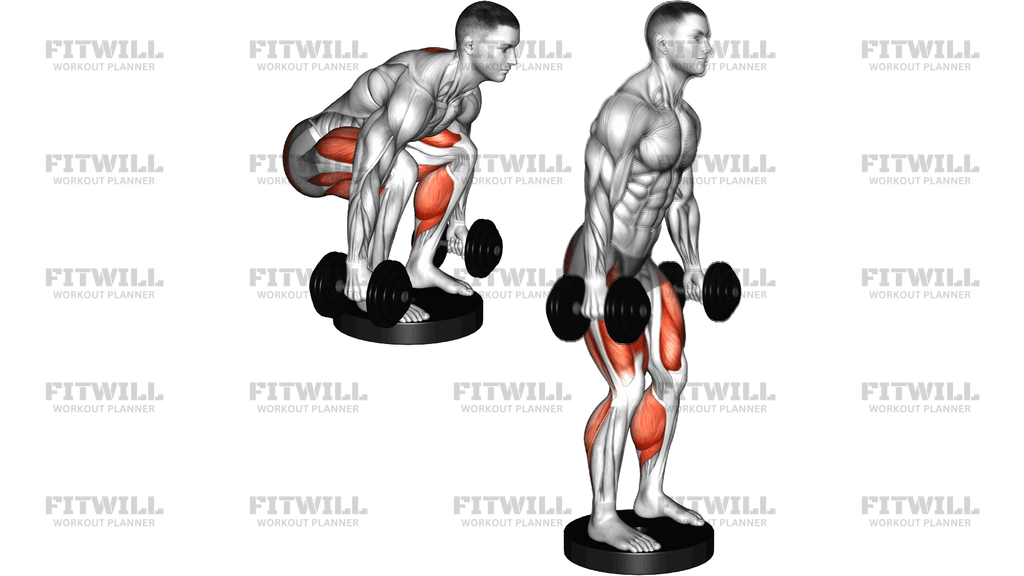
Dumbbell Full Can Lateral Raise
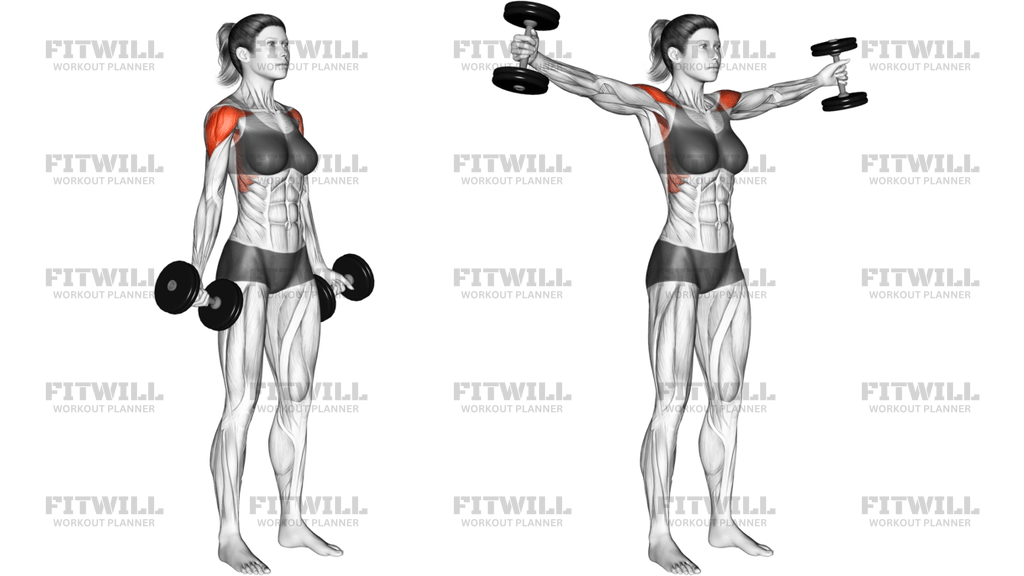
Dumbbell Full Can Lateral Raise is a standing shoulder raise performed with the thumbs turned slightly up, so the arms travel in the scapular plane instead of drifting straight out to the side. That small change matters: it usually feels friendlier on the shoulders than a pure lateral raise and makes the exercise useful for people who want deltoid work with a more controlled, joint-conscious path.
The exercise is mainly about the side delts, with the upper shoulder complex, rotator cuff, and upper back helping to stabilize the arm as it moves. Because the load is carried away from the body, even light dumbbells can create a strong shoulder challenge. The Full Can position also asks you to keep the wrist, elbow, and shoulder organized together so the rep stays smooth rather than turning into a shrug.
Setup is the difference between a clean raise and a sloppy swing. Stand tall with a dumbbell in each hand, palms facing in, and let the weights rest close to the outer thighs. Before you lift, set the ribs over the pelvis, keep the neck long, and turn the thumbs slightly upward so the forearms are not internally rotated as the arms rise.
Each rep should travel in a wide, controlled arc up to roughly shoulder height, with the elbows softly bent and the hands staying a little in front of the torso rather than directly out in line with the ears. At the top, the shoulders should stay down instead of hiking up toward the neck. Lower the dumbbells slowly to the start so the delts stay under tension and the descent does not become a drop.
Dumbbell Full Can Lateral Raise is useful as accessory work on shoulder days, as part of a warmup before pressing, or anywhere you want focused shoulder volume without heavy loading. It works well for beginners when the weight is kept modest, and it is also a good choice for lifters who need stricter shoulder mechanics than a standard lateral raise provides. If the motion causes pinching, shorten the range slightly, reduce load, and keep the thumbs-up path honest.
The most productive versions of Dumbbell Full Can Lateral Raise look calm and repeatable. If the torso leans, the traps take over, or the dumbbells drift too high, the set stops being a shoulder isolation drill and starts becoming a momentum exercise. Treat every rep as a controlled raise, not a swing, and the movement will reward you with cleaner shoulder tension and better technique.
Fitwill
Log Workouts, Track Progress & Build Strength.
Achieve more with Fitwill: explore over 9600 exercises with images and videos, access built-in and custom workouts, perfect for both gym and home sessions, and see real results.
Start your journey. Download today!




Instructions
- Stand tall with a dumbbell in each hand, feet about hip-width apart, palms facing your thighs, and thumbs already angled slightly up.
- Keep the dumbbells close to the outer thighs and position the arms a little in front of your body, not directly out to the sides.
- Stack your ribs over your pelvis, soften the knees, and keep your neck long before the first rep starts.
- Raise both dumbbells in a wide arc until your hands reach about shoulder height.
- Lead with the elbows and keep a small bend in the elbows as the thumbs stay pointed up.
- Stop the lift when the shoulders begin to shrug or the hands rise above shoulder level.
- Hold the top briefly without leaning back or swinging the torso.
- Lower the dumbbells slowly to the starting position with control and reset the shoulders before the next rep.
Tips & Tricks
- Keep the thumbs up through the whole raise; turning the palms down usually makes the shoulder position less comfortable.
- Raise the dumbbells in the scapular plane, slightly in front of the torso, instead of flaring them straight out to the side.
- Stop at shoulder height; going higher usually shifts tension into the upper traps.
- Use lighter dumbbells than you would for a cheating lateral raise, because the thumbs-up position is stricter.
- Think about lifting the elbows out and away while the hands stay relaxed rather than squeezing the handles too hard.
- If you feel the neck taking over, reset with the shoulders set down before the next rep.
- Keep the lowering phase slow enough that the weights do not fall back to your thighs.
- If the front of the shoulder pinches, shorten the range slightly and keep the arms a touch farther in front of the body.
Frequently Asked Questions
What muscles does Dumbbell Full Can Lateral Raise train?
It mainly trains the side delts, with the rotator cuff and upper shoulder stabilizers helping control the arms.
What makes Dumbbell Full Can Lateral Raise different from a standard lateral raise?
The thumbs-up position keeps the arm slightly more open and usually makes the raise feel smoother on the shoulder than turning the palms down.
How high should I lift the dumbbells?
Lift to about shoulder height and stop there. Going higher often turns the rep into a trap-dominant shrug.
Should my thumbs stay up during Dumbbell Full Can Lateral Raise?
Yes. Keep the thumbs slightly up so the shoulders stay in the full can position from start to finish.
Can beginners do Dumbbell Full Can Lateral Raise?
Yes, as long as they use light dumbbells and keep the range strict. It is often easier to learn than a heavier, swinging lateral raise.
Why do I feel Dumbbell Full Can Lateral Raise in my neck?
That usually means the shoulders are shrugging. Lower the load and keep the shoulder blades settled down as the arms rise.
Can I do Dumbbell Full Can Lateral Raise seated instead of standing?
Yes. A seated version can reduce body sway if you have trouble keeping the torso still.
What weight should I use for Dumbbell Full Can Lateral Raise?
Use a load that lets you raise both dumbbells without leaning back, shrugging, or losing the thumbs-up arm path.