Dumbbell Alternate Side Press
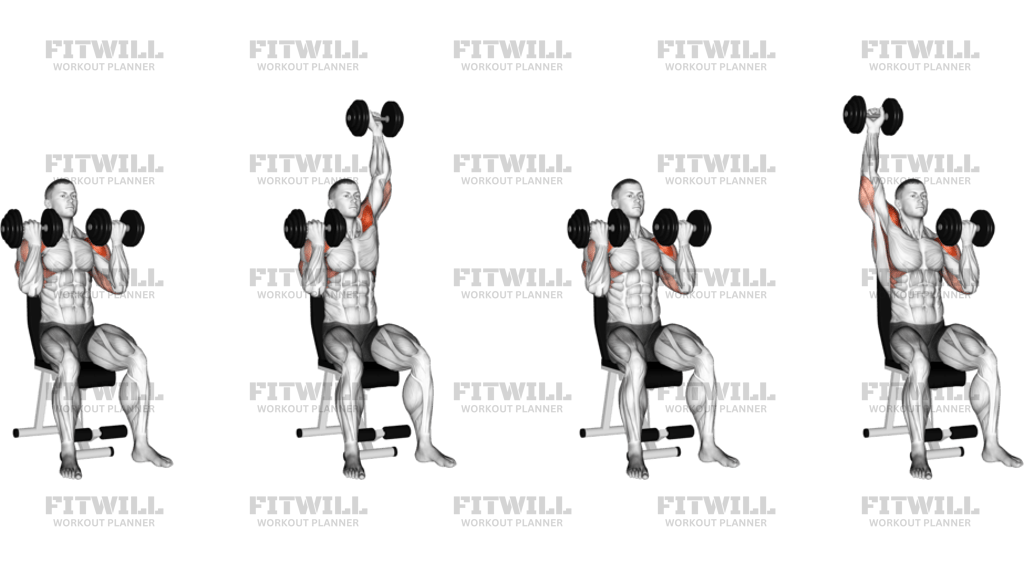
Dumbbell Alternate Side Press is a standing overhead press variation where one dumbbell works overhead while the other stays at shoulder height. The alternating pattern trains shoulder strength, triceps, upper-back stability, and trunk control at the same time, so each rep asks the body to press and resist rotation instead of simply moving weight straight up and down. It is a useful choice when you want more coordination and core demand than a basic two-arm press.
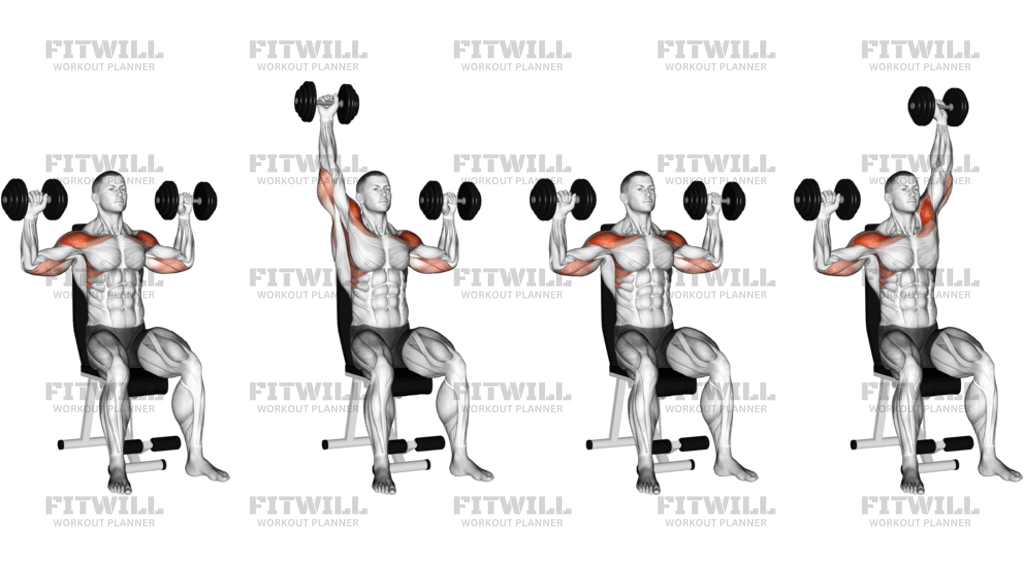
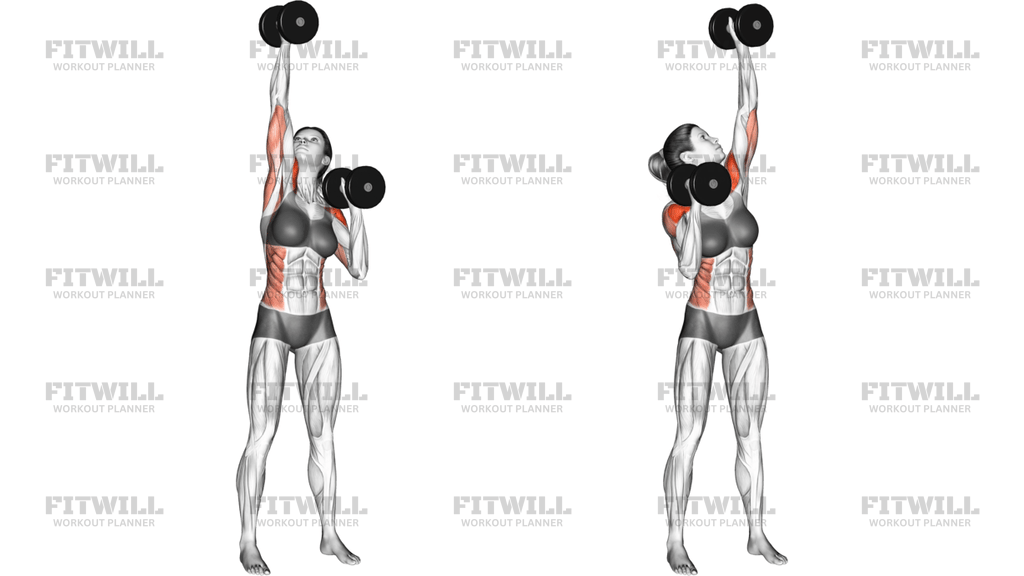
The setup matters because the body has to manage an uneven load from the first rep. Stand with your feet about hip-width apart, stack your ribs over your pelvis, and keep both dumbbells under control in the rack position at the shoulders. In the position shown, one arm may already be locked out overhead while the other stays parked beside the shoulder. That asymmetry is intentional, but it should still look organized: wrist over elbow, elbow under the weight, and no drifting through the lower back.
As you alternate sides, press one dumbbell to a strong overhead finish while the opposite arm lowers only as far as it needs to stay stable at the shoulder. The path should stay close to the body, with a controlled transition instead of a swing or a bounce. Keep the head neutral, avoid shrugging toward the ears, and let the shoulder blade move naturally as the arm reaches overhead. The goal is a smooth switch, not a race to the top.
This exercise fits well in shoulder-focused accessory work, upper-body warm-ups, and coordination blocks where you want moderate load and clean mechanics. It can be a good option for lifters who need extra anti-rotation work without leaving the overhead press pattern. Keep the range pain-free and reduce the load if the torso twists, the lower back arches, or one shoulder cannot finish overhead without compensation.
[ Workout Log & Planner ]
Put your next workout in Fitwill
Keep your plan and training log ready when you are.


Instructions
- Stand tall with your feet about hip-width apart and hold one dumbbell locked out overhead while the other dumbbell rests at shoulder height.
- Stack your ribs over your pelvis, squeeze your glutes lightly, and keep your chin neutral before starting the first rep.
- Keep the wrist straight and the elbow under the dumbbell on both sides so the rack position feels stable.
- Lower the overhead dumbbell under control toward the shoulder as the opposite arm prepares to press.
- Press the lower dumbbell straight up until the arm finishes overhead without leaning or twisting the torso.
- Let the nonworking arm stay quiet at the shoulder instead of drifting forward or flaring away from the body.
- Finish each rep with the working arm fully extended overhead and the other dumbbell controlled at shoulder height.
- Pause briefly at the top, then switch sides smoothly on the next rep without bouncing through the lower back.
- Exhale as you press and inhale as you lower, keeping the breathing steady and deliberate through the set.
Tips & Tricks
- Use a lighter load than you would for a standard two-arm dumbbell press because the alternating switch adds balance and timing demands.
- Keep both dumbbells close to the same vertical line so the working arm does not sweep out in front of your face.
- If your torso rotates toward the pressing side, slow the transition and reduce the load before adding more reps.
- A neutral or slightly turned grip can feel friendlier on the shoulders than forcing the palms to face straight forward.
- Do not let the shoulder at lockout shrug toward your ear; reach up long without jamming the neck.
- Keep the feet planted and distribute pressure evenly through heel, big toe, and little toe to reduce side-to-side sway.
- Lower the nonworking dumbbell deliberately instead of dropping it into the shoulder rack.
- Stop the set when the lower back starts to arch or one shoulder cannot finish overhead without a visible lean.
- Use the exercise to build clean overhead control, not to chase maximum load or speed.
Frequently Asked Questions
What muscles does Dumbbell Alternate Side Press work?
It mainly trains the shoulders and triceps, with the upper back, obliques, and other core muscles helping you stay stacked while you alternate sides.
What makes this different from a regular dumbbell shoulder press?
One arm is overhead while the other stays at shoulder height, so you have to press and control rotation at the same time instead of simply pressing both weights together.
Should I start with one dumbbell already overhead?
Yes, that matches the alternating pattern shown in the image. One arm can start locked out overhead while the other stays at the shoulder, then you switch sides under control.
Can beginners do this exercise?
Yes, but only with light dumbbells and a slow switch. If the alternating pattern feels unstable, start with a single-arm standing press first.
Why does my lower back arch during the press?
Usually the ribs are flaring or the load is too heavy. Reduce the weight, keep your glutes engaged, and stop the rep before you lose a stacked torso.
How high should the dumbbell go overhead?
Press until the elbow straightens comfortably and the dumbbell finishes over the shoulder line, not drifting far in front of the head.
What if one shoulder feels pinched at the top?
Shorten the range slightly, try a more neutral grip, and lower the load. If the pinch persists, use a different overhead press variation.
Is this better seated or standing?
Standing is the version that matches this exercise because it adds trunk control and balance. Seated pressing is easier to stabilize but removes most of the anti-rotation challenge.