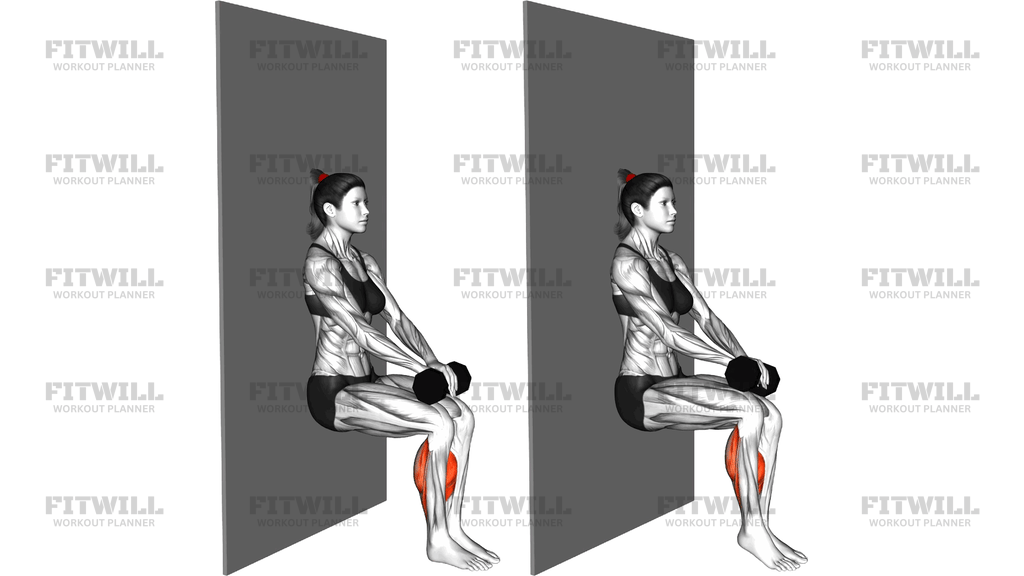
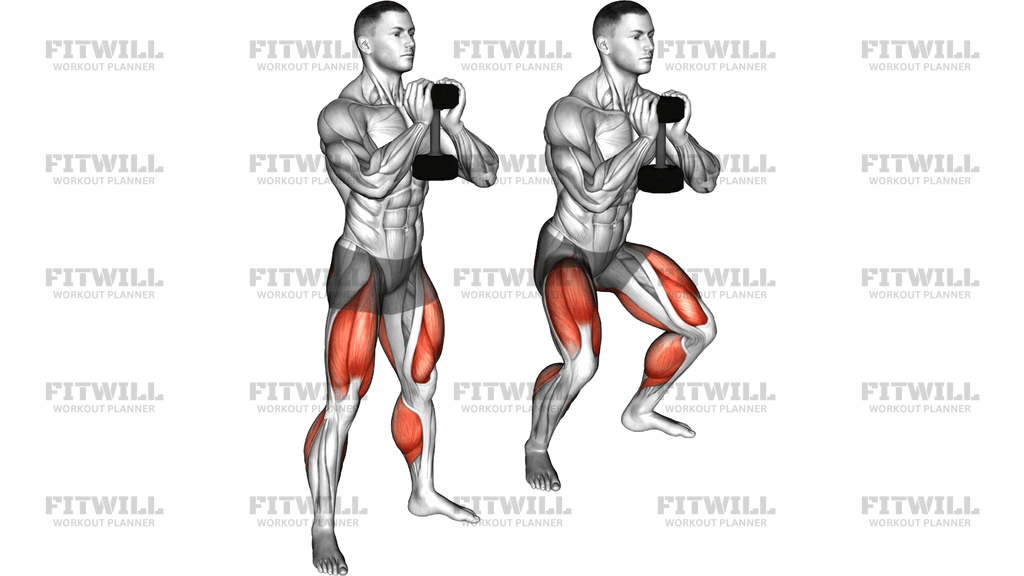
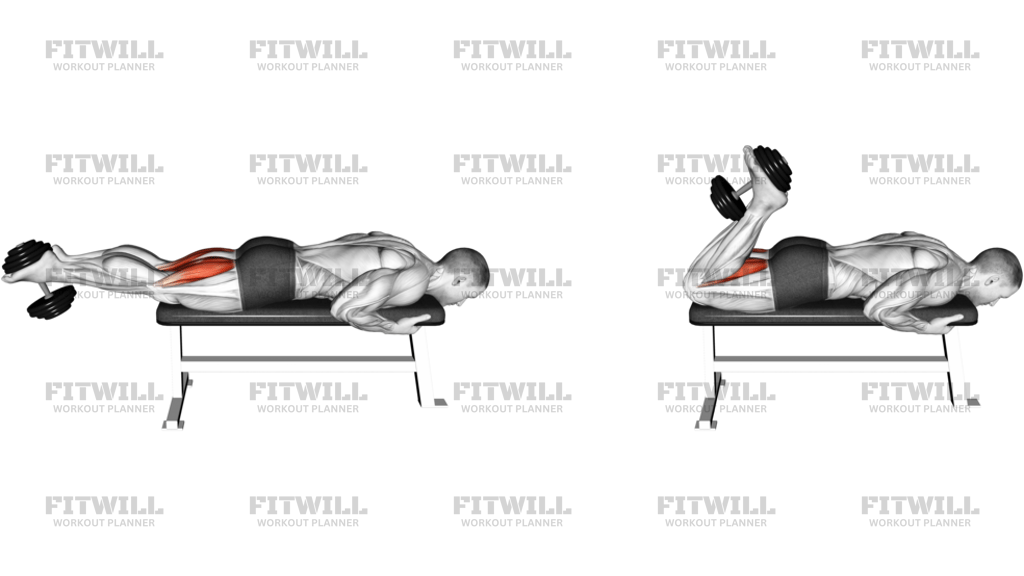
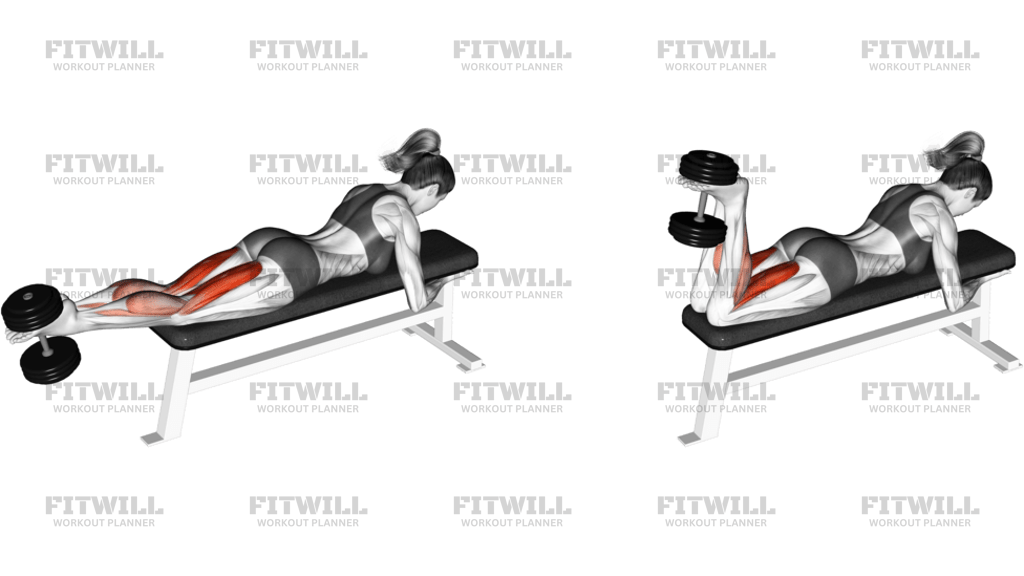
Dumbbell Single Leg Calf Raise
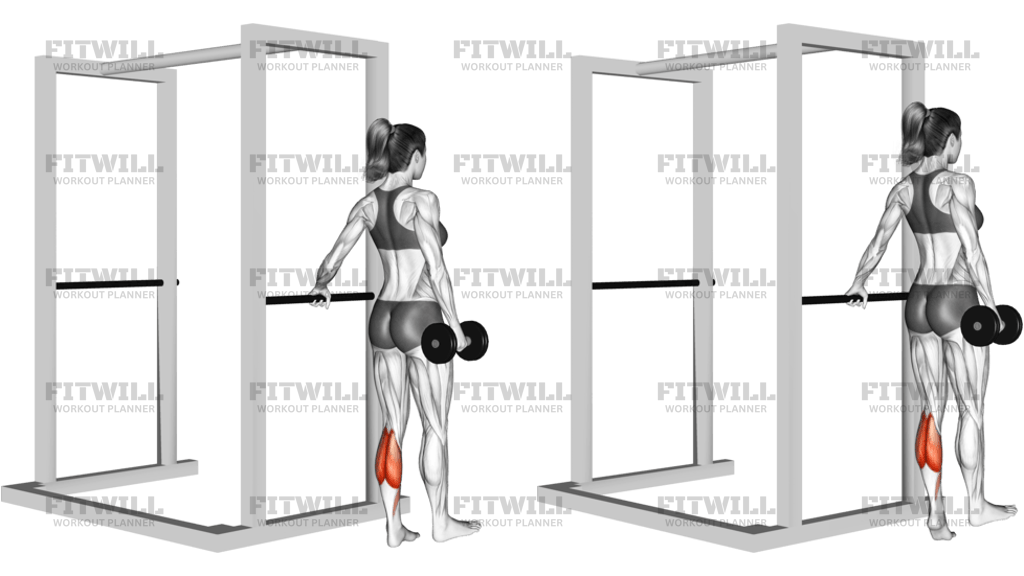
Dumbbell Single Leg Calf Raise is a focused calf-strength exercise that loads one ankle at a time while still giving you the option to lightly steady yourself with the free hand. It is useful for building calf size, ankle control, and side-to-side balance, especially when one leg is weaker or less coordinated than the other. Because the movement is small and the ankle has to do the work, the setup and tempo matter more than chasing a big load.
The exercise mainly trains the calves, especially the gastrocnemius and soleus, with the foot and lower-leg stabilizers helping keep the arch from collapsing and the ankle from wobbling. Holding a dumbbell increases the demand on the standing leg, while the support hand keeps the rep honest without turning it into a bounce. That combination makes Dumbbell Single Leg Calf Raise useful for hypertrophy, accessory strength work, and finishers.
Set up beside a rack, wall, or post so you can touch it with one hand without leaning your torso into it. Stand tall on one foot, keep the working knee softly unlocked, and let the dumbbell hang straight down at your side. The free foot should stay off the floor or stay lightly tucked behind you so the standing calf has to control the entire rep from start to finish.
From the bottom, press through the big toe and second toe, rise as high as you can without rolling the ankle outward, and pause briefly at the top. Lower slowly until the heel reaches its deepest comfortable stretch, keeping the descent controlled instead of dropping into the bottom. Breathe out as you rise and breathe in as you lower, then step down carefully before switching sides.
Dumbbell Single Leg Calf Raise fits well in lower-body, ankle-prep, or accessory sessions where you want direct calf work without heavy spinal loading. It is also a good option after squats, deadlifts, running, or court sports because it adds targeted calf volume while reinforcing unilateral balance. Keep the range pain-free and the reps smooth; the best sets feel precise and deliberate, not bouncy.
[ Workout Log & Planner ]
Put your next workout in Fitwill
Keep your plan and training log ready when you are.


Instructions
- Stand beside a rack, wall, or post and hold it lightly with one hand for balance.
- Hold a dumbbell in the opposite hand and shift all of your weight onto the working foot.
- Keep the working knee softly bent, brace your trunk, and let the free foot hover off the floor without helping.
- Lower the heel until you feel a calf stretch, but keep the arch from collapsing inward.
- Drive through the ball of the foot and rise onto your toes as high as possible without bouncing.
- Pause for a beat at the top and squeeze the calf without leaning harder on the support.
- Lower the heel slowly under control until you reach the bottom stretch again.
- Complete the planned reps, then step down carefully and switch sides.
Tips & Tricks
- Hold the rack lightly; if you pull on it, the calf stops doing the work.
- Keep pressure through the big toe and second toe so the ankle does not roll outward.
- Let the heel travel straight down instead of drifting backward as you lower.
- Use a brief pause at the top if your reps get short and springy.
- A slightly bent knee shifts more work to the soleus; a straighter knee biases the gastrocnemius.
- Choose a dumbbell you can control without tilting the pelvis or twisting the torso.
- Stop the set if the foot starts wobbling or the arch collapses inward.
- Match your left and right side range before you add more weight.
Frequently Asked Questions
What muscles does Dumbbell Single Leg Calf Raise work most?
It mainly targets the calves, especially the gastrocnemius and soleus, with help from the small foot and ankle stabilizers.
Do I need a step for Dumbbell Single Leg Calf Raise?
No. A flat floor works well, and a low step only adds more stretch at the bottom if your ankle tolerates it.
Should my knee stay straight or slightly bent?
A soft bend is the safest default. A straighter knee biases the gastrocnemius more, while a small bend shifts a bit more work toward the soleus.
How do I stop wobbling during Dumbbell Single Leg Calf Raise?
Use the support hand lightly and lower the dumbbell load. Most wobble comes from gripping the support too hard or letting the arch collapse.
Should the free foot touch the floor?
It should stay clear of the floor or stay lightly tucked behind you. If it starts pushing, the working calf is no longer doing all the work.
What is the most common mistake on this exercise?
Bouncing out of the bottom and turning the rep into a quick bounce. Keep the descent slow and pause if needed to make the top squeeze honest.
Is the dumbbell better in the same hand or the opposite hand from the working leg?
Either can work, but the same-side setup is the most straightforward. An opposite-side hold can add extra balance demand if you want more anti-tilt control.
Can Dumbbell Single Leg Calf Raise fit after squats or running?
Yes. It is a useful accessory after heavy lower-body work or running because it adds calf volume without much spinal fatigue.