Exercise Ball On The Wall Calf Raise Tennis Ball Between Ankles
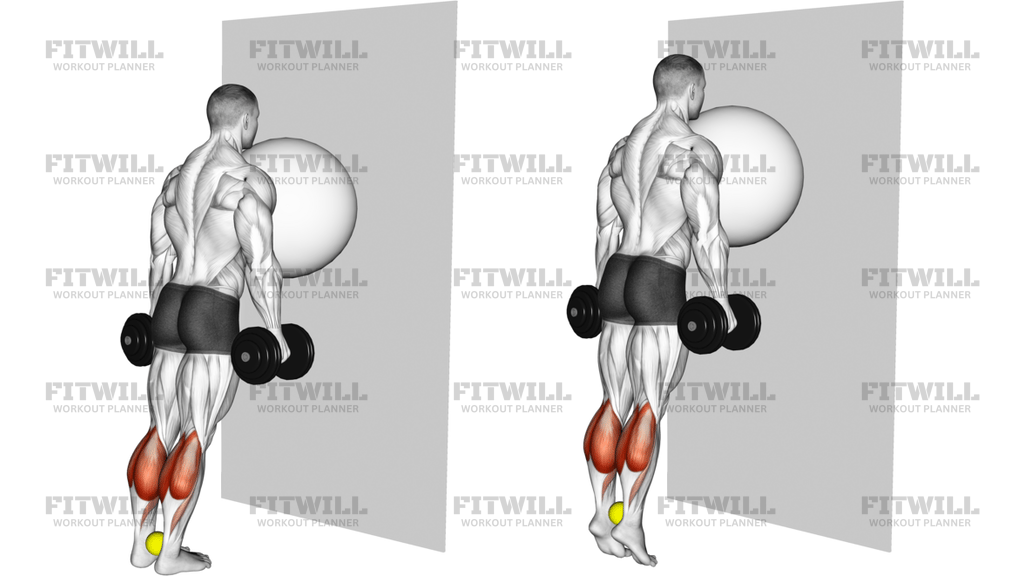
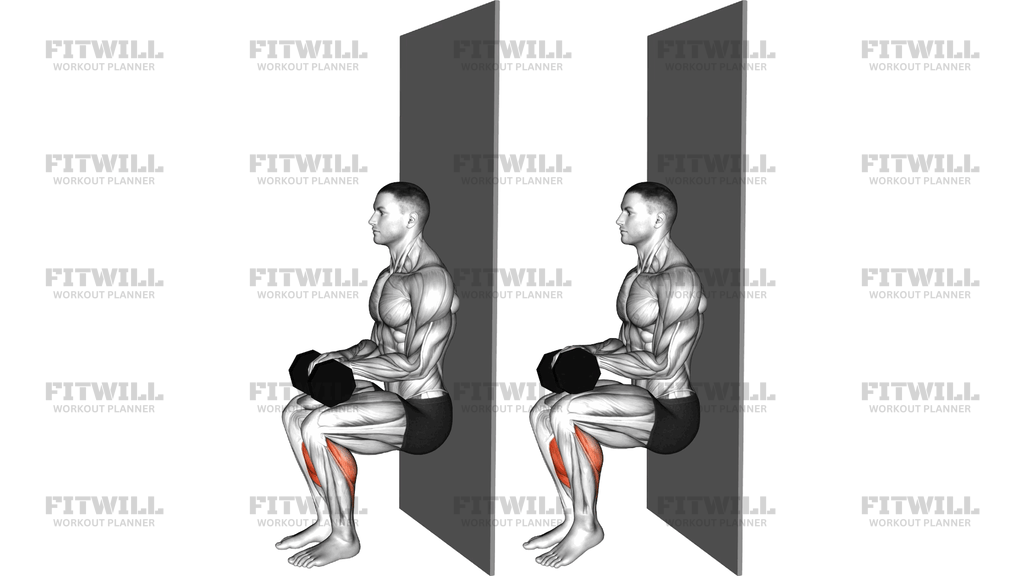
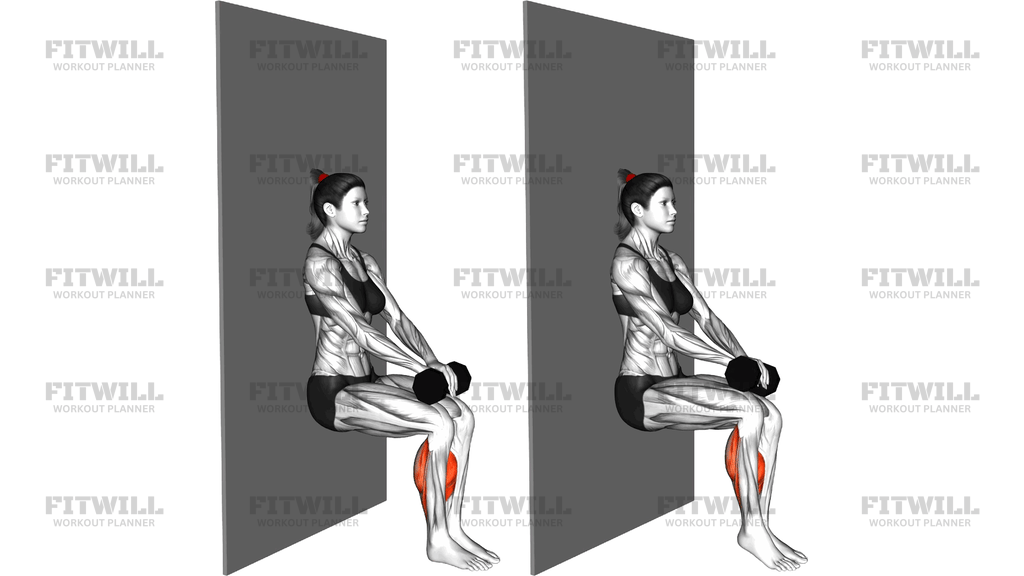
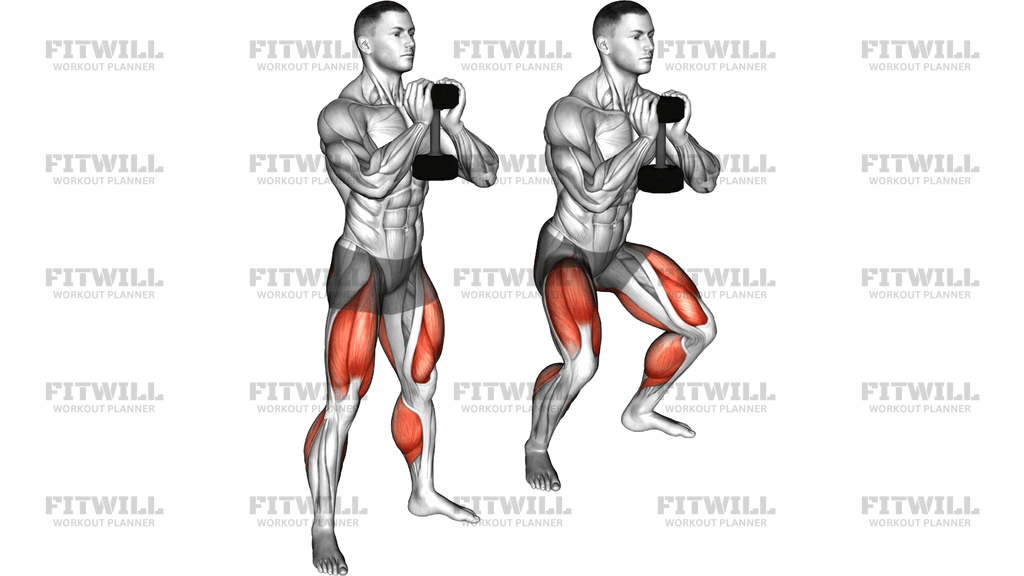
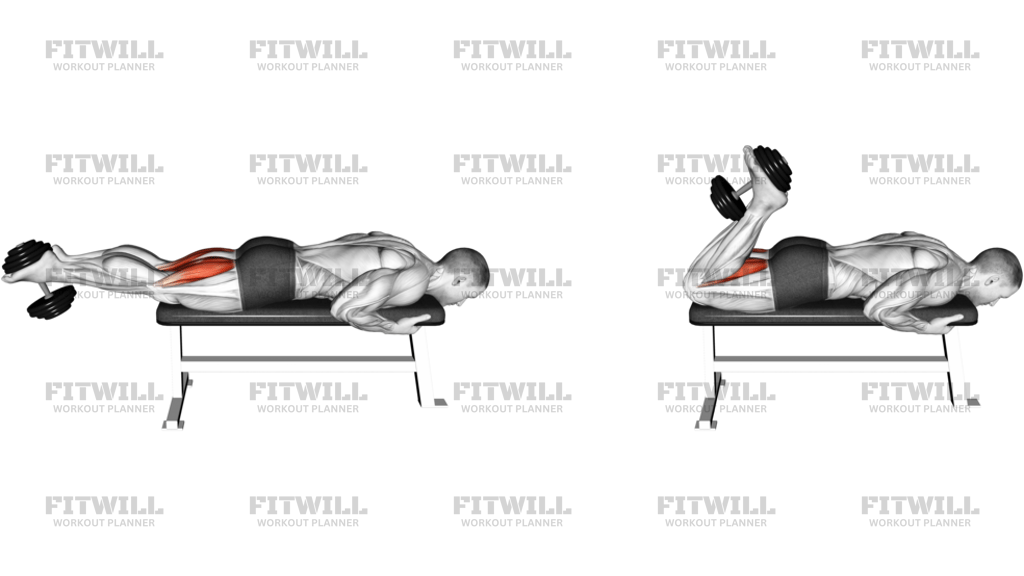
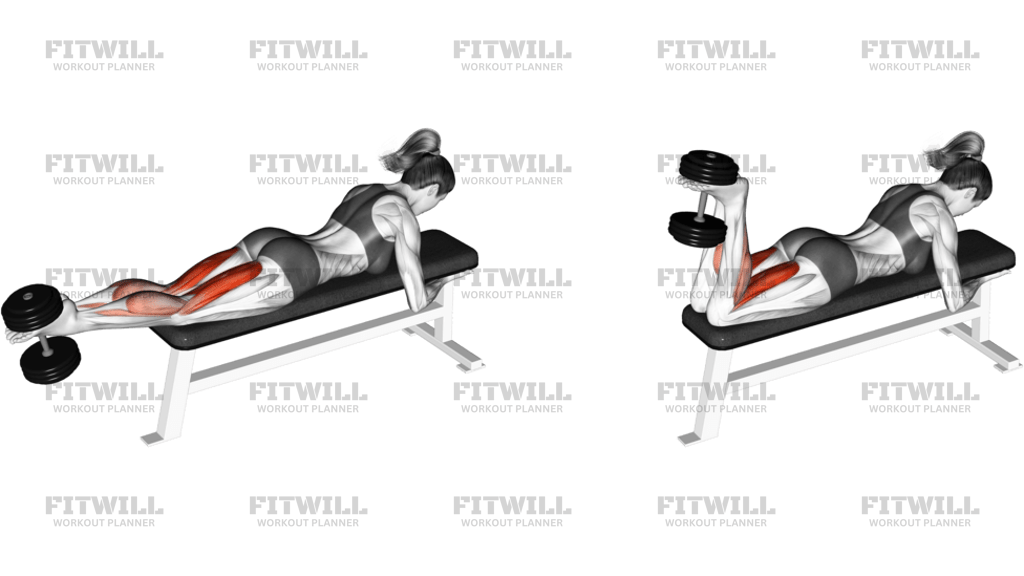
Exercise Ball On The Wall Calf Raise (tennis ball between ankles) is a wall-supported standing calf raise performed with dumbbells and a small ball squeezed between the ankles. The wall gives you a fixed reference point so the set stays strict, while the ball adds an extra squeeze cue that keeps the lower legs organized and prevents the feet from drifting apart.
This movement is built for focused calf work, especially the gastrocnemius and soleus. Because the body is braced against the wall, you do not need to spend as much effort balancing, so more of the work can stay on the calves instead of turning into a full-body sway. That makes the exercise useful when you want cleaner reps, a slower tempo, and a stronger contraction at the top.
The setup matters. Stand with the dumbbells hanging at your sides, feet under your hips, and the upper back or torso lightly supported by the wall. Keep the tennis ball pinned between the ankles so the lower legs stay aligned. If you start with your weight rolled to the outside edges of the feet, the calves lose tension and the ankles start to wobble, which defeats the point of the drill.
Each rep should be smooth and deliberate: rise onto the balls of the feet, hold the top position briefly, then lower under control until the heels come close to the floor. The movement should feel like a strict calf raise, not a bounce. Keep the knees mostly straight but not locked, breathe steadily, and avoid leaning away from the wall or swinging the dumbbells to create momentum.
Use this exercise for accessory calf training, warm-up activation, or higher-rep strength work when you want precise control more than load. It is a good option for lifters who struggle to keep calf raises strict without cheating, but it still demands enough ankle mobility and foot control to move through a clean range of motion. If the calves cramp or the ball forces the ankles into a cramped position, reduce the range and slow the tempo before adding load.
[ Workout Log & Planner ]
Put your next workout in Fitwill
Keep your plan and training log ready when you are.


Instructions
- Stand a few inches from the wall with your upper back and torso lightly braced against it, dumbbells hanging at your sides.
- Place your feet about hip-width apart, keep them parallel, and pinch a tennis ball gently between your ankles just above the heels.
- Set your weight evenly across the base of the big toe, little toe, and heel before you start the rep.
- Keep the knees mostly straight but not locked, and keep the ribs down so you do not arch away from the wall.
- Drive through the balls of the feet to lift the heels as high as you can without letting the ankles roll outward or the ball slip.
- Pause briefly at the top and squeeze the calves hard before starting the descent.
- Lower the heels slowly until you feel a strong calf stretch and the heels are close to the floor.
- Keep the dumbbells still, breathe out on the lift, and breathe in as you lower.
- Repeat for the planned number of reps with the same wall contact and foot pressure on every rep.
Tips & Tricks
- Keep the squeeze on the tennis ball light but constant; if you clamp too hard, the feet usually tense up and the calves lose clean movement.
- Press through the big toe mound as you rise so the ankles stay stacked instead of rolling to the outside edge of the foot.
- Do not bounce off the bottom. A brief stretch is fine, but the heels should lower under control.
- If the calves cramp early, soften the knees a little and shorten the range until you can finish smooth reps.
- Keep the dumbbells quiet at your sides; swinging the arms usually means the calves are no longer doing the work.
- Stay close enough to the wall to feel supported, but not so close that the hips slide forward and the lower back arches.
- Use a slow eccentric because the lowering phase is where the calf muscles usually lose tension first.
- Choose a load that lets you keep the ball in place and the heel path vertical from the first rep to the last.
Frequently Asked Questions
What muscles does the wall calf raise with a tennis ball between the ankles train?
It primarily trains the calves, especially the gastrocnemius and soleus, with the foot and ankle muscles helping stabilize the squeeze.
Why is a tennis ball placed between the ankles?
The ball gives you a simple squeeze cue that helps keep the lower legs aligned and discourages the feet from drifting apart during the set.
Should my knees be straight or bent during this calf raise?
Keep the knees mostly straight with only a soft bend. Locking them hard can feel awkward, while bending them too much shifts work away from the calves.
How much should I lean into the wall?
Use just enough wall contact to stay stable. If you lean back hard, you usually shorten the calf work and start using body momentum.
How high should I rise on each rep?
Rise as high as you can without losing balance or letting the ankles roll outward. The top should feel like a hard calf squeeze, not a jump.
Can I do this exercise with lighter dumbbells or no weight?
Yes. Start light or even bodyweight if needed, then add load only after you can keep the ball pinned and the heels moving smoothly.
What is the most common form mistake?
Most people bounce through the bottom, swing the dumbbells, or let the feet roll outward. All three reduce calf tension and make the set less strict.
Is this a good calf exercise for beginners?
Yes, because the wall removes some balance demand. Keep the load light and focus on slow reps before chasing heavier dumbbells.