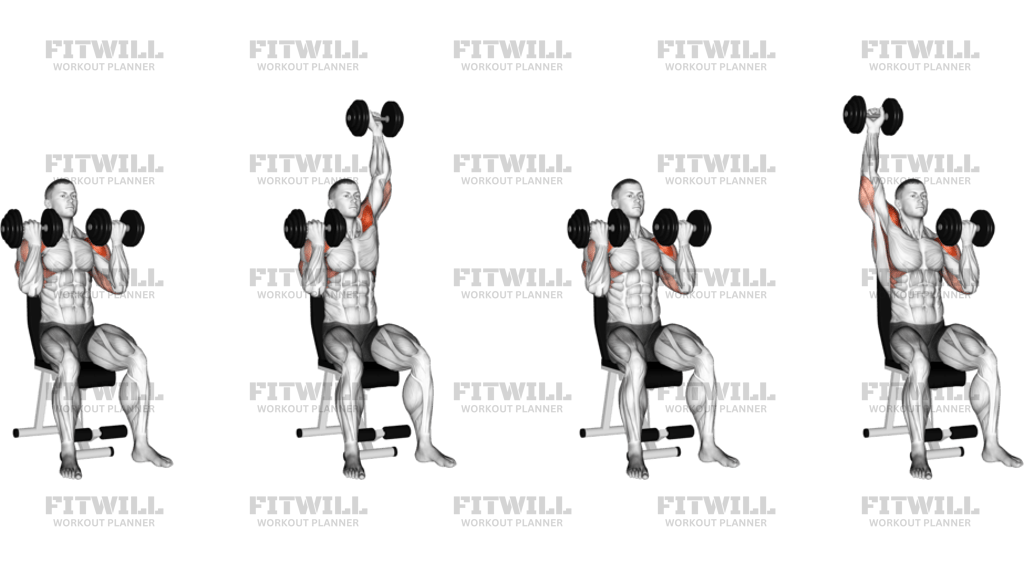
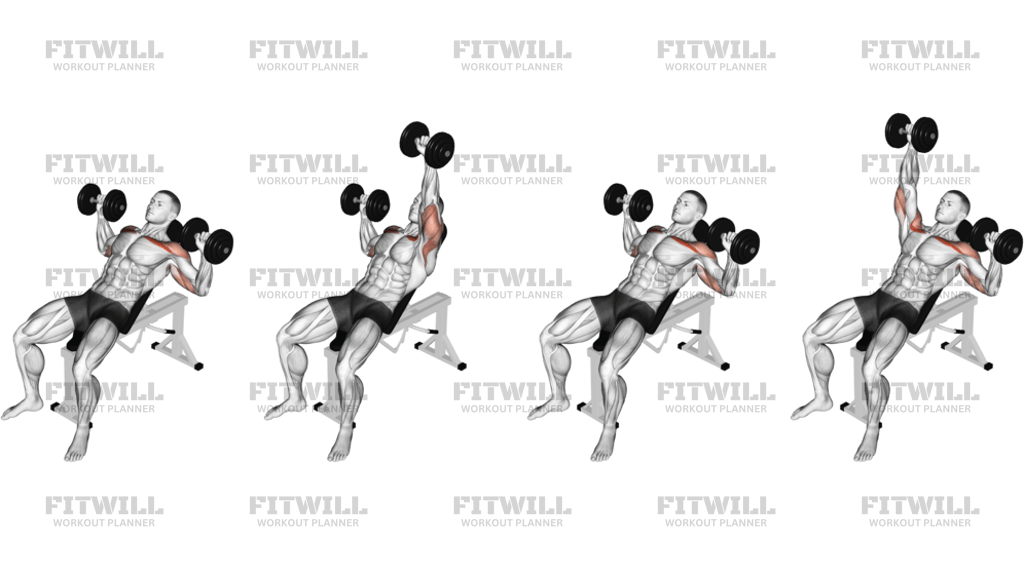
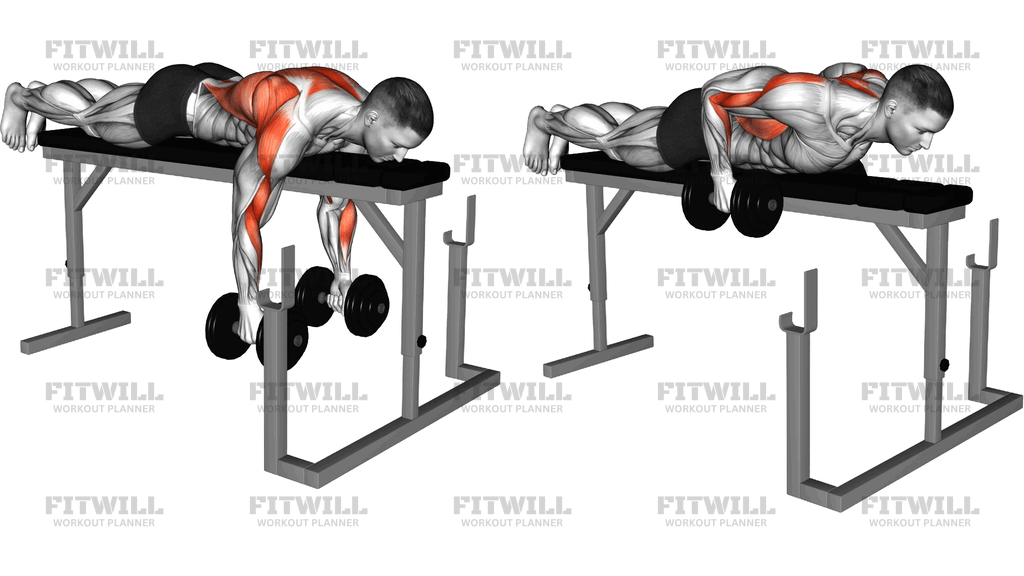
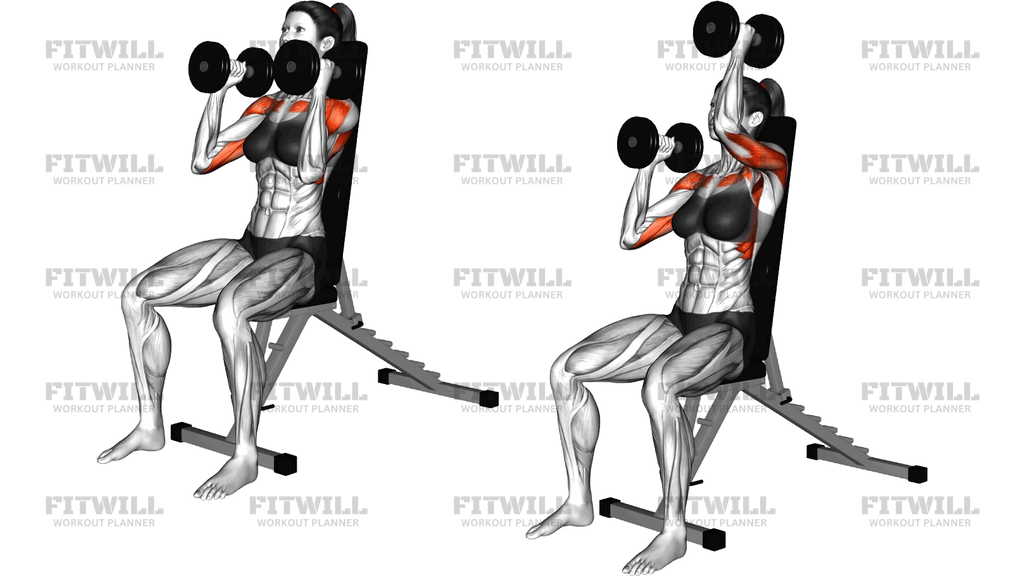
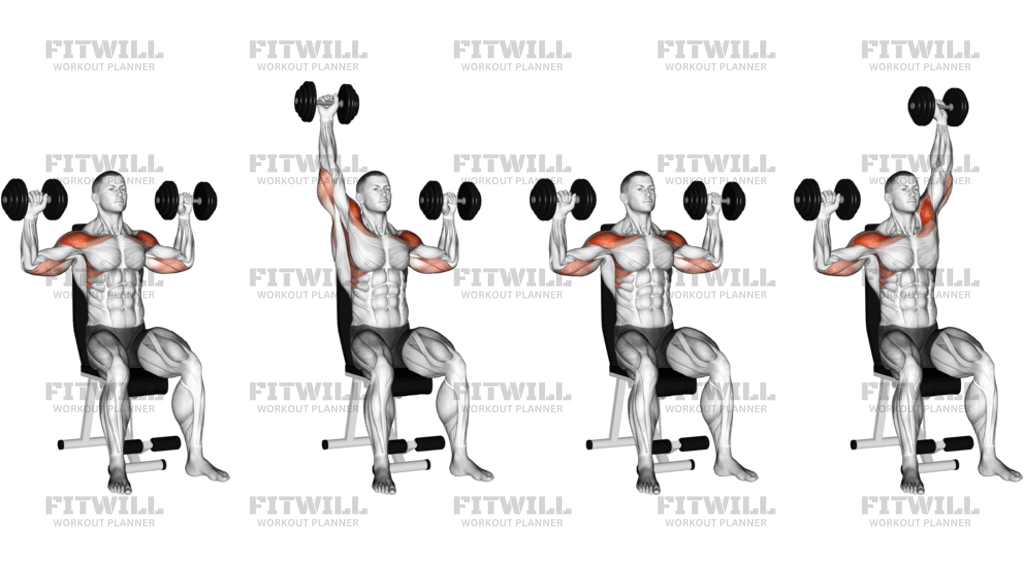
Dumbbell Poliquin Lateral Raise
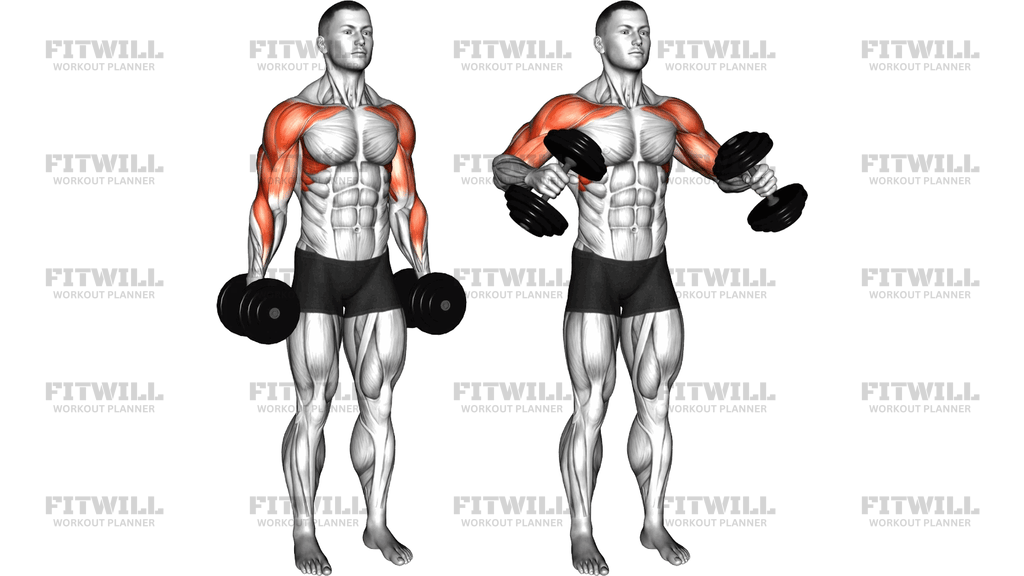
Dumbbell Poliquin Lateral Raise is a strict shoulder-raise variation built to load the side of the shoulder without turning the set into a full-body swing. It is useful when you want a cleaner isolation pattern than a heavy press or a rushed lateral raise can give, especially in shoulder-focused hypertrophy work or as an accessory after compound upper-body lifts. The image shows a standing dumbbell version, so the setup and path should stay simple, controlled, and repeatable.
The exercise puts most of the visible work on the shoulders while the upper back, arms, grip, and core keep the torso quiet. That support matters because the movement gets sloppy fast if the ribcage flares, the shoulders shrug, or the dumbbells drift behind the body. A good rep keeps the body stacked and the arm path smooth, so the delts keep tension through the middle of the lift instead of the momentum taking over.
Set up by standing tall with a dumbbell in each hand, arms hanging by your sides, palms facing in, and a soft bend in the elbows. Keep the weights just in front of the side seams of your thighs rather than behind your hips, and keep your chest relaxed instead of puffed up. From there, raise both dumbbells out and slightly forward in a wide arc until your upper arms reach about shoulder height.
At the top, the elbows should still look slightly higher than the hands, and the shoulders should stay down instead of creeping toward your ears. Lower the dumbbells along the same arc with control, letting the side shoulders do the work instead of dropping the weights and losing tension. The Poliquin style rewards precision more than load, so the best set is usually the one where every rep looks almost identical from the first rep to the last.
Use Dumbbell Poliquin Lateral Raise when you want direct shoulder volume without a lot of setup time or joint stress from heavier pressing. It fits well in higher-rep accessory blocks, shoulder warmups, or finishers, as long as the weight is light enough to keep the torso still and the neck relaxed. If you have to lean back, swing the dumbbells, or shrug to finish the last few inches, the load is too heavy for the variation and the set should stop there.
[ Workout Log & Planner ]
Put your next workout in Fitwill
Keep your plan and training log ready when you are.


Instructions
- Stand tall with your feet about hip-width apart and hold a dumbbell in each hand beside your thighs, palms facing in.
- Keep a soft bend in both elbows and let the dumbbells rest just in front of your thighs, not behind your hips.
- Set your shoulders down away from your ears, brace your midsection, and keep your chest stacked over your pelvis.
- Raise both dumbbells out and slightly forward in a wide arc until your upper arms reach about shoulder height.
- Lead the lift with your elbows and keep your wrists neutral as the dumbbells travel upward.
- Pause briefly at the top without shrugging, leaning back, or swinging the weights.
- Lower the dumbbells along the same arc under control until your arms return to your sides.
- Reset your shoulders, take the next breath, and repeat for the planned number of reps before lowering the weights safely to finish.
Tips & Tricks
- Use lighter dumbbells than you would for pressing work; this raise should challenge the shoulders before the rest of the body helps.
- Keep the dumbbells slightly in front of your hips at the start so the path stays in the shoulder’s side plane instead of drifting behind you.
- Think about driving the elbows outward rather than lifting the hands higher, which helps keep the side shoulders doing the work.
- Stop the ascent around shoulder height; going higher usually turns the finish into a shrug instead of a clean lateral raise.
- Keep the wrists neutral and the handles deep in the palm so the forearms do not take over the set.
- Lower each rep slowly for two to three seconds to keep tension on the shoulders through the descent.
- If one arm rises faster, match the slower side and cut the load before the imbalance turns into torso sway.
- If your neck tightens or your traps start burning first, end the set and restart with a lighter pair of dumbbells.
Frequently Asked Questions
What muscles does Dumbbell Poliquin Lateral Raise train most?
It mainly targets the side shoulders, with the upper traps, upper back, and arms helping to stabilize the dumbbells.
Can beginners do Dumbbell Poliquin Lateral Raise?
Yes, if they start with very light dumbbells and keep the raise controlled to shoulder height instead of chasing heavier loads.
How should I hold the dumbbells during Dumbbell Poliquin Lateral Raise?
Hold the handles with your palms facing in, a soft bend in the elbows, and neutral wrists so the shoulders can guide the lift.
How high should the dumbbells go in Dumbbell Poliquin Lateral Raise?
Raise them to about shoulder height. If you keep going higher, the traps usually take over and the shoulder tension drops off.
What makes Dumbbell Poliquin Lateral Raise different from a regular lateral raise?
This version is usually done with extra control and less body swing, so the shoulders stay under tension instead of the weights being thrown up.
Why do I feel Dumbbell Poliquin Lateral Raise in my neck?
That usually means you are shrugging as the weights rise. Drop the load, keep the shoulders down, and stop the set if the neck starts doing the work.
Can I do Dumbbell Poliquin Lateral Raise seated?
Yes. A seated setup removes some leg drive and can make it easier to keep the torso quiet.
What should I do if the top of the rep feels uncomfortable?
Shorten the range slightly and keep the lift in a pain-free arc. Forcing the last few inches is not worth it on this movement.