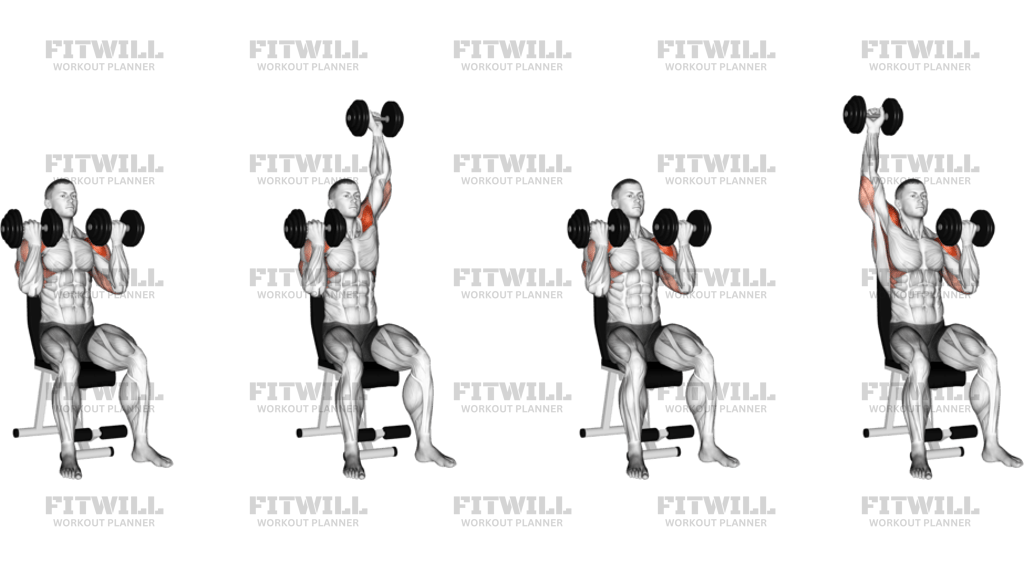
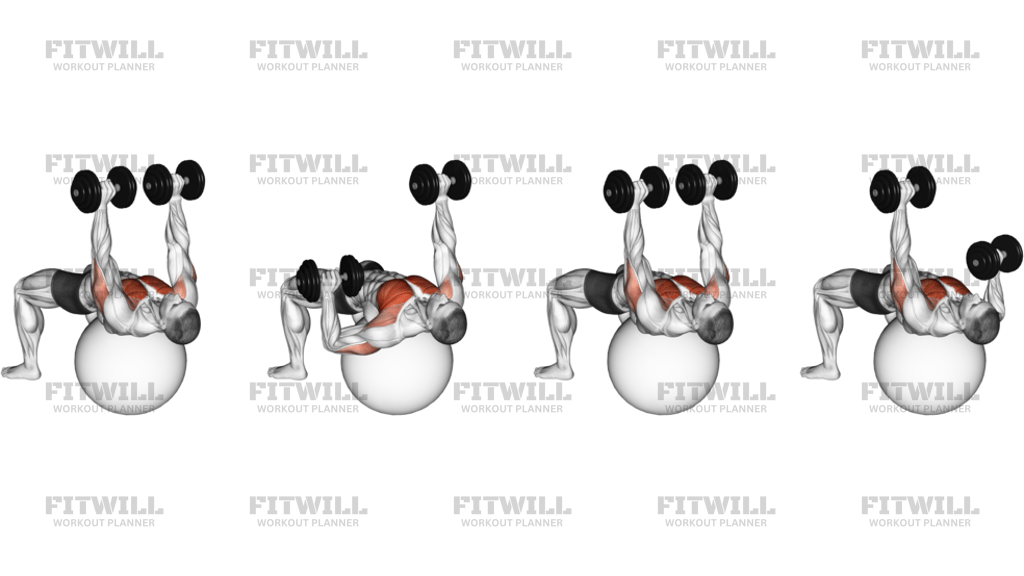
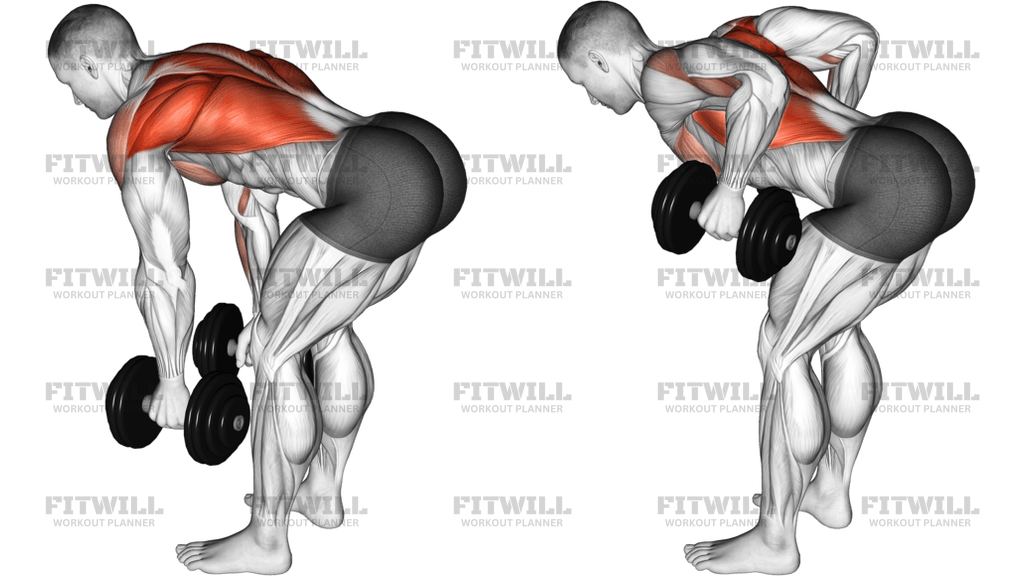
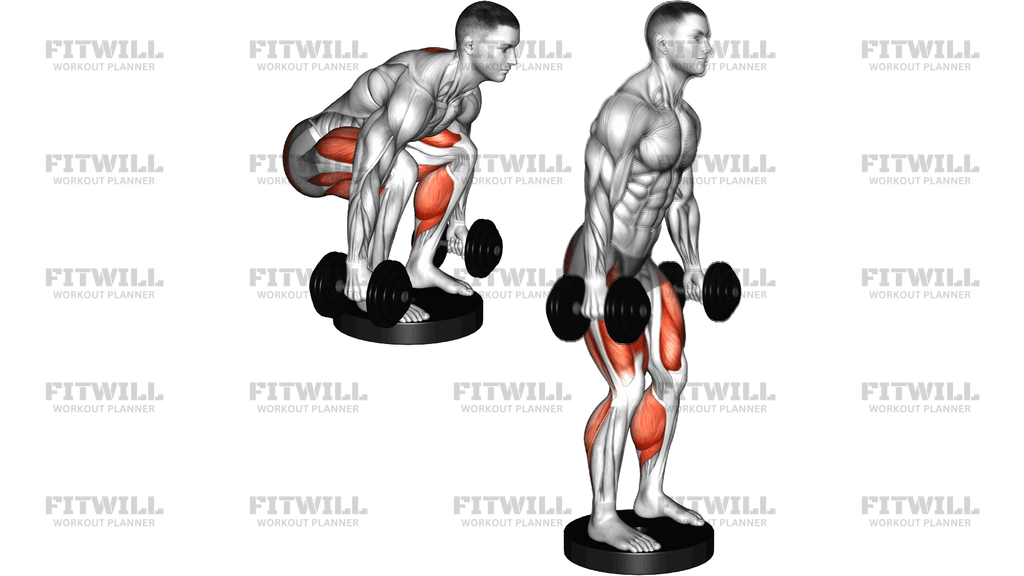
Dumbbell Alternate Front Raise
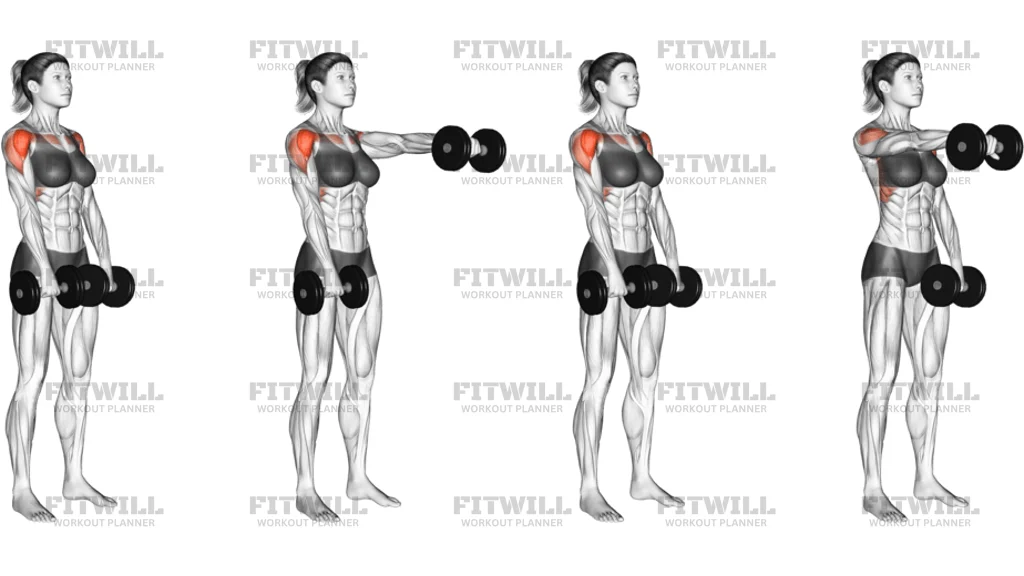
Dumbbell Alternate Front Raise is a standing shoulder isolation exercise performed with one dumbbell moving at a time from the sides of the body to shoulder height. It places the clearest demand on the front of the shoulder, especially the anterior deltoid, while the upper chest, upper traps, serratus, and trunk help keep the torso quiet. The alternating pattern makes it easier to keep the lift strict and to notice when one side is taking over.
The setup matters more than it looks. Stand tall with the dumbbells hanging beside your thighs, feet about hip-width apart, knees soft, ribs stacked over the pelvis, and the neck long. The working arm should travel straight in front of the body with only a small bend in the elbow. If the torso leans back, the shoulder shrugs, or the dumbbell drifts away from the midline, the movement quickly turns into a swing instead of a front raise.
Raise one dumbbell in a smooth arc until it reaches roughly shoulder height, then lower it slowly before or as the other arm takes its turn. Keep the non-working arm relaxed at your side and let the shoulders stay level rather than twisting through the trunk. Breathing should stay simple: exhale on the lift, inhale on the way down, and keep the brace light but present so the lower back does not arch to finish the rep.
This exercise is best used as accessory work, a shoulder warm-up, or a controlled hypertrophy drill when you want to train the front delts without heavy pressing. It is also useful when you want a strict unilateral feel and a clear line of tension through the shoulder. Choose a load that allows every rep to stop at shoulder height without momentum, and reduce the range if the front of the shoulder feels pinched or the neck begins to do the work.
[ Workout Log & Planner ]
Put your next workout in Fitwill
Keep your plan and training log ready when you are.


Instructions
- Stand upright with the dumbbells hanging at your sides, palms facing in, feet about hip-width apart, and a slight bend in both elbows.
- Stack your ribs over your pelvis, soften your knees, and pull your shoulders down away from your ears before the first rep.
- Raise one dumbbell forward in a smooth arc until your hand reaches about shoulder height.
- Keep the wrist neutral and the elbow angle almost fixed so the arm, not the torso, drives the lift.
- Hold the top briefly without shrugging or leaning back.
- Lower the dumbbell under control to your side.
- Once the first arm is back down, repeat on the other side, keeping the alternating rhythm even.
- Continue breathing steadily and stop the set when you can no longer lift without swinging or changing your torso position.
Tips & Tricks
- Use lighter dumbbells than you would for a press; front raises get sloppy fast when loaded too heavy.
- Stop at shoulder height; going higher usually shifts work to the traps and shortens shoulder tension.
- Keep the palm and wrist stacked; bending the wrist back turns the rep into a grip exercise.
- If you feel your upper traps first, lower the load and think about sliding the shoulders down instead of pinching them together.
- Keep the inactive arm quiet at your side so you do not twist through the torso to help the working side.
- A slow lowering phase makes this movement much more useful than a fast drop.
- If the front of the shoulder feels pinchy, shorten the range or use a lighter load and a slightly softer elbow angle.
- Match both sides to the same height and tempo; do not let the stronger side start swinging ahead.
Frequently Asked Questions
What does Dumbbell Alternate Front Raise train most?
The front of the shoulders, especially the anterior deltoids, with help from the upper chest and upper traps.
Is this exercise good for beginners?
Yes, if the dumbbells are light and the torso stays still; the alternating pattern makes it easier to control.
How high should I raise the dumbbell?
To about shoulder height. Higher than that usually adds more trap involvement than shoulder work.
Should my palms face forward or inward?
Start with the palms facing your thighs or inward at your sides, then keep the grip consistent while the dumbbell rises.
Why do I feel this in my neck?
The weight is probably too heavy or your shoulders are shrugging as the arm lifts.
Can I do this seated instead of standing?
Yes, a seated variation can reduce body sway and make it easier to keep the torso quiet.
What is the main mistake to avoid?
Swinging the dumbbell with your back or leaning back to force the lift higher.
Is this different from a simultaneous front raise?
Yes, alternating lets you focus on one shoulder at a time and usually makes cheating easier to spot.