Dumbbell 6 Ways Raise
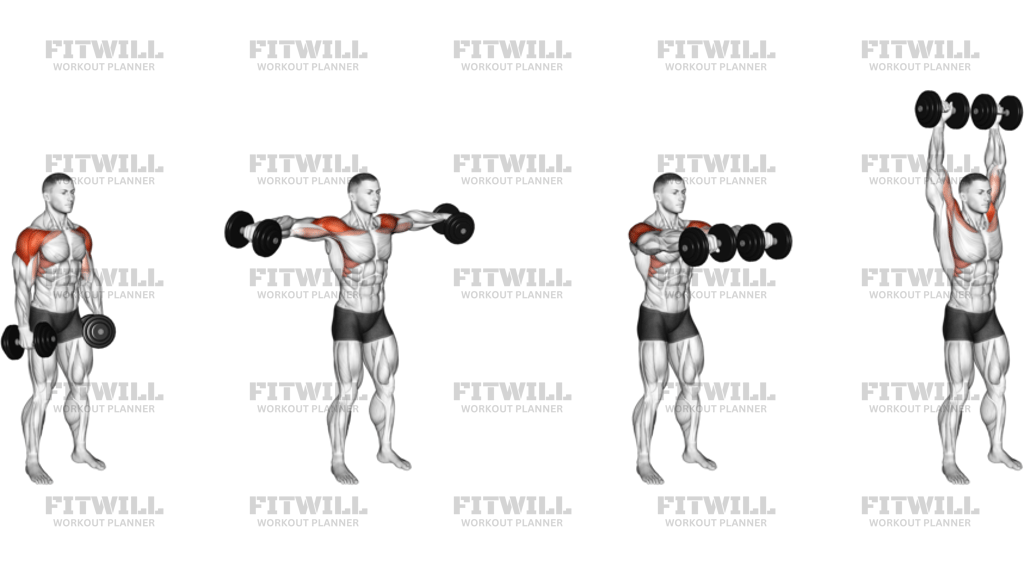
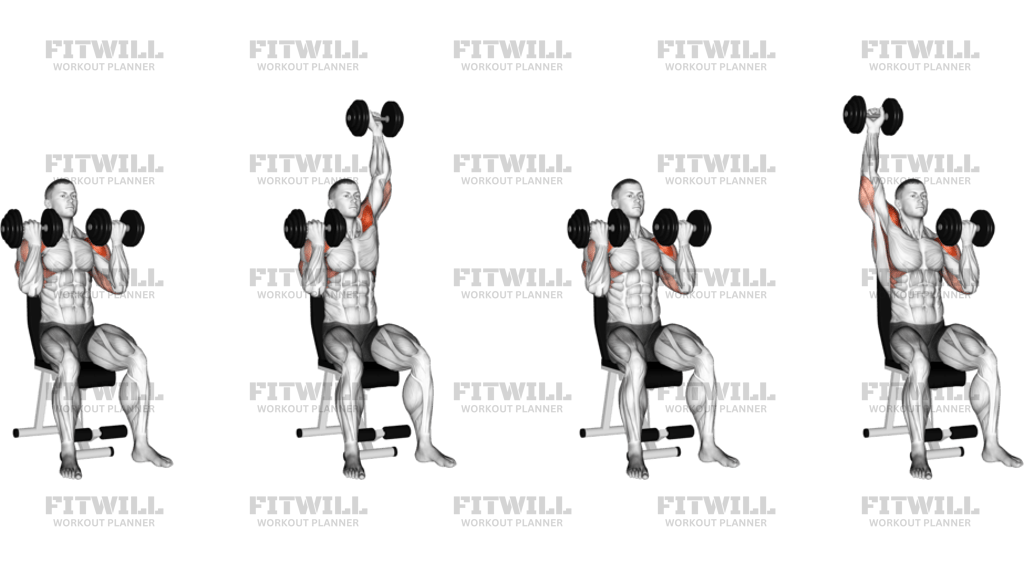
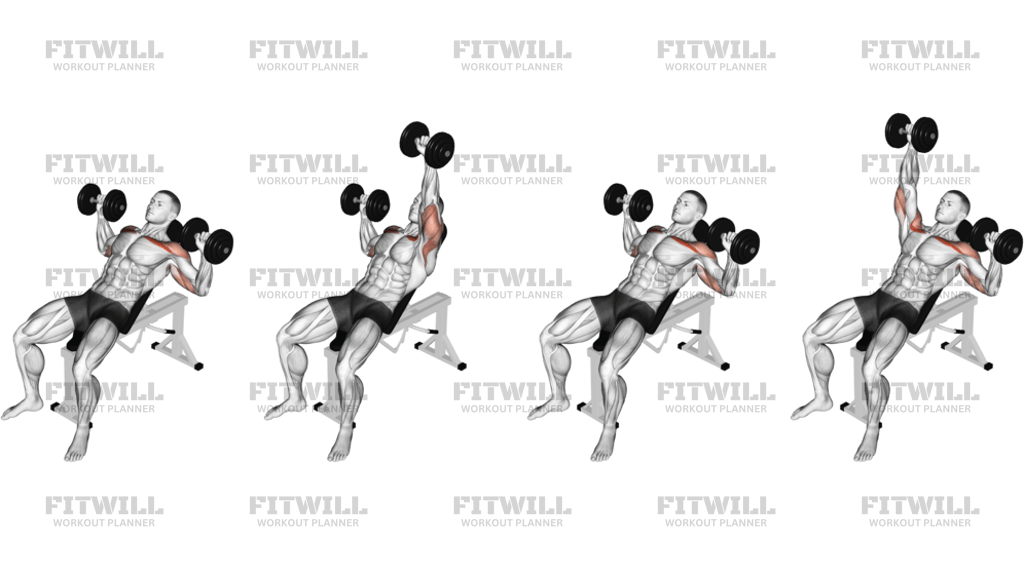
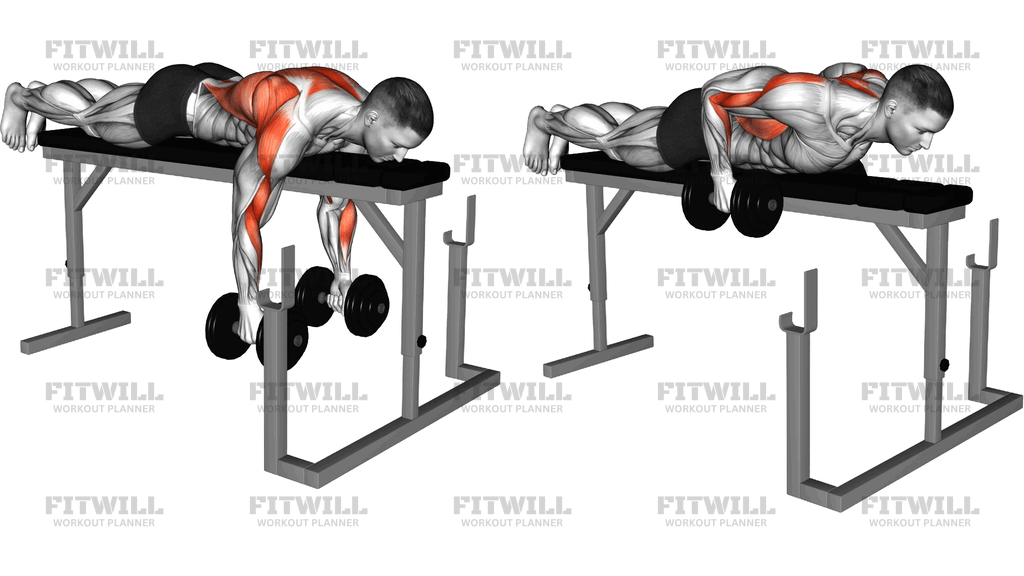
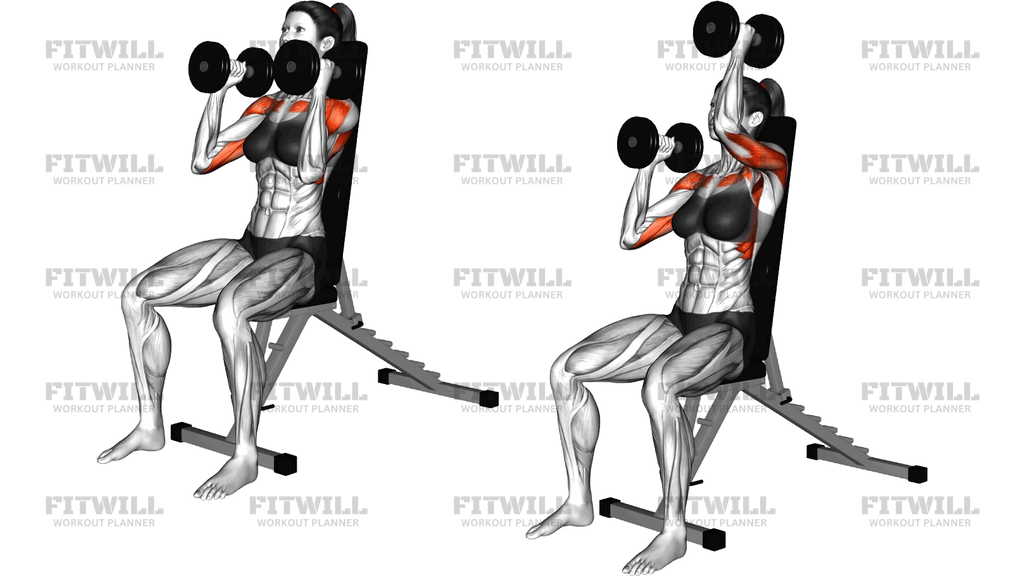
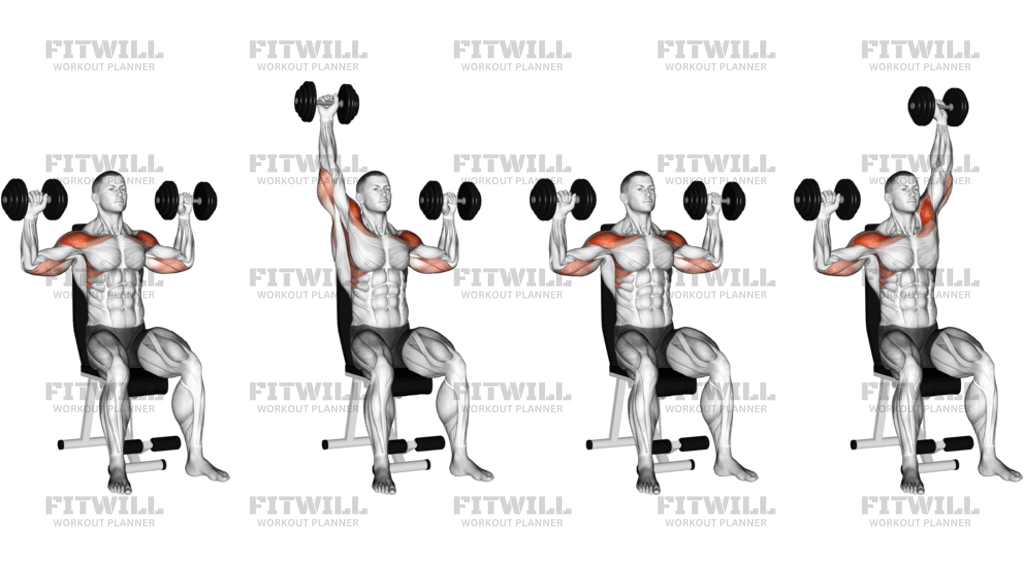
Dumbbell 6 Ways Raise is a standing shoulder-complex exercise that moves the dumbbells through several shoulder positions in one rep. In the image, the arms travel from the sides, then out to a lateral raise, then forward, and finally overhead, which makes this a demanding coordination drill for the deltoids, upper back, arms, and trunk stabilizers.
Because the movement combines multiple raise patterns, the setup matters as much as the lift. A tall stance, quiet torso, and light dumbbells keep the motion on the shoulders instead of turning it into a body-swing exercise. The goal is not to chase speed or load; it is to make every transition clean, controlled, and symmetrical.
Used well, this exercise can serve as a shoulder warmup, accessory finisher, or light conditioning drill for the upper body. It teaches you to control the dumbbells through lateral, front, and overhead positions without shrugging hard, arching the lower back, or letting one side move ahead of the other. That makes it useful for lifters who want shoulder endurance, movement quality, and better control through the full shoulder arc.
The main technical challenge is the transition between positions. Each rep should stay smooth as the dumbbells change direction, especially when moving from the side raise into the front raise and then overhead. If the shoulders pinch, the upper back rounds, or the ribs flare, shorten the range and reduce the load. This exercise should feel precise and stable, not chaotic.
[ Workout Log & Planner ]
Put your next workout in Fitwill
Keep your plan and training log ready when you are.


Instructions
- Stand tall with a dumbbell in each hand, arms hanging by your thighs, palms facing your body or slightly inward.
- Set your feet about hip-width apart, soften your knees, and keep your ribs stacked over your pelvis.
- Brace your midsection and keep your neck long before you start the first rep.
- Raise the dumbbells out to the sides until your arms reach about shoulder height with a slight bend in the elbows.
- Without swinging, guide the dumbbells forward in a smooth arc so they come in front of your shoulders at about shoulder height.
- Continue the path upward into the overhead position until your arms are extended above your head and the dumbbells are stacked over your shoulders.
- Lower the dumbbells back down the same route with control, returning through the front position and then the side position.
- Keep the motion even on both sides and stop each rep if you need to reset your posture or the weights start to drift.
- Breathe out as the dumbbells travel upward and inhale as you lower them back to the start.
Tips & Tricks
- Use very light dumbbells at first; the combined shoulder path is harder than a normal front raise or lateral raise.
- Keep the dumbbells slightly in front of the body on the way up so the shoulders do the work instead of the lower back.
- Do not let the ribs flare when the weights reach overhead; that usually means the load is too heavy.
- Think about leading with the elbows on the side raise so the traps do not take over immediately.
- Move both dumbbells at the same speed so one arm does not finish the arc before the other.
- If the front-to-overhead transition feels sloppy, pause briefly at shoulder height and regain control before continuing.
- Keep your wrists stacked over your elbows instead of letting them bend back at the top.
- Stop the set if you need to shrug hard or bounce through the midpoint of the arc.
- Treat this as a precision drill, not a power lift, and keep the tempo smooth on every rep.
Frequently Asked Questions
What muscles does Dumbbell 6 Ways Raise work?
It primarily trains the shoulders, especially the deltoids, while the upper back, arms, and trunk stabilizers help control the dumbbells through the arc.
Can beginners perform this exercise?
Yes, but only with very light dumbbells and a short, controlled range until the side, front, and overhead transitions feel stable.
Should the dumbbells stay out to the side or in front during a rep?
They should travel through both positions. The image shows a path that starts at the sides, passes forward, and finishes overhead before returning under control.
What is the most common mistake with the dumbbells?
Using too much load and turning the movement into a swing. That usually causes the ribs to flare and the shoulders to shrug.
Where should I feel the hardest part of the raise?
You should feel the shoulders working hardest, with the upper back and arms helping to steady the path, especially around shoulder height.
Can I do Dumbbell 6 Ways Raise seated instead of standing?
Yes, seated can reduce body sway and help you keep the torso quiet, but you still need to keep the dumbbells moving smoothly through the same path.
What should I avoid at the overhead position?
Avoid arching your lower back or letting the dumbbells drift behind your head. Keep them stacked over the shoulders with the ribs controlled.
How do I make this exercise harder without cheating?
Use a slightly slower lowering phase, cleaner pauses at shoulder height, or a small load increase while keeping the same smooth arc.