Lateral Raise Arms WRONG-RIGHT
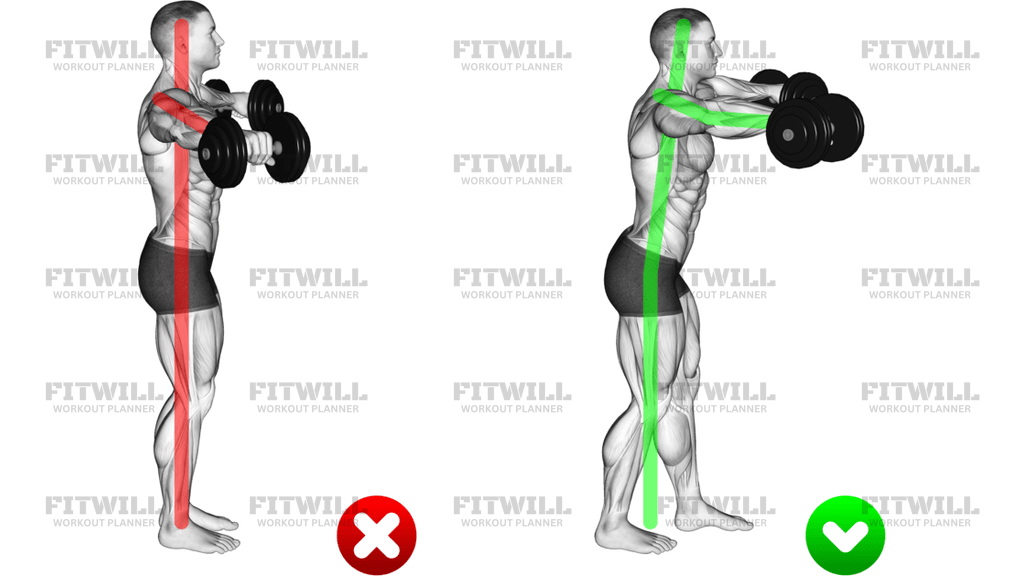
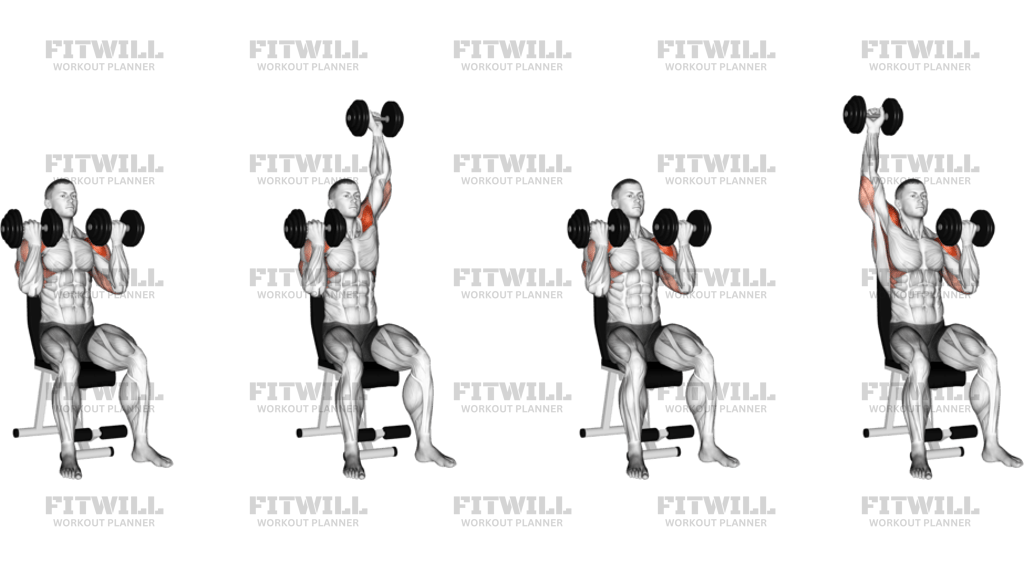
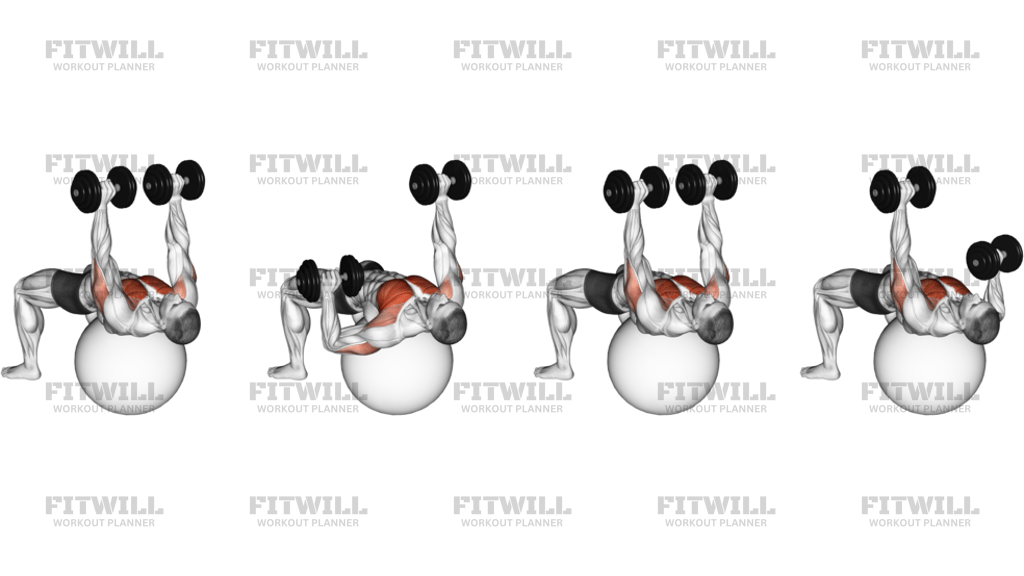
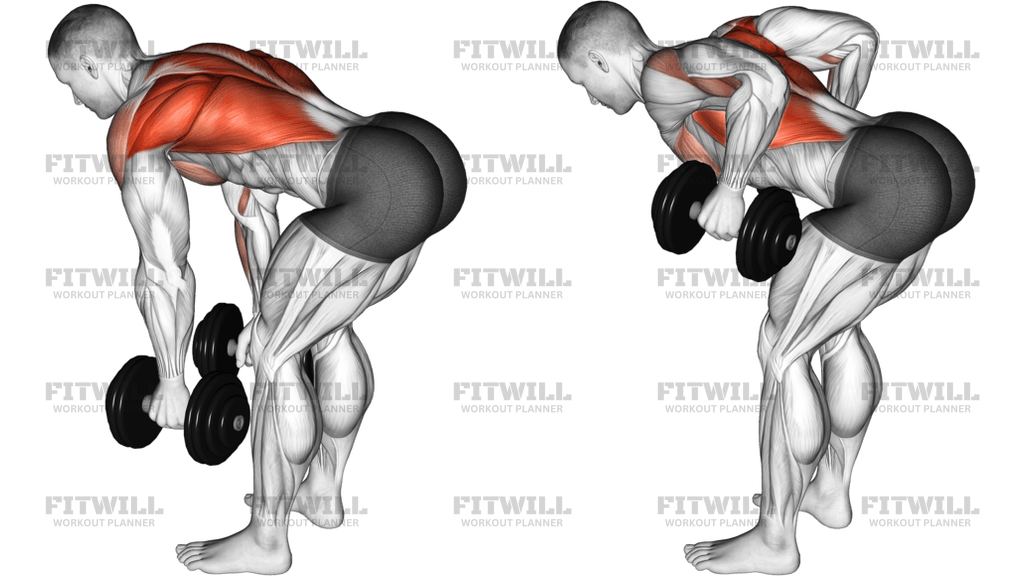
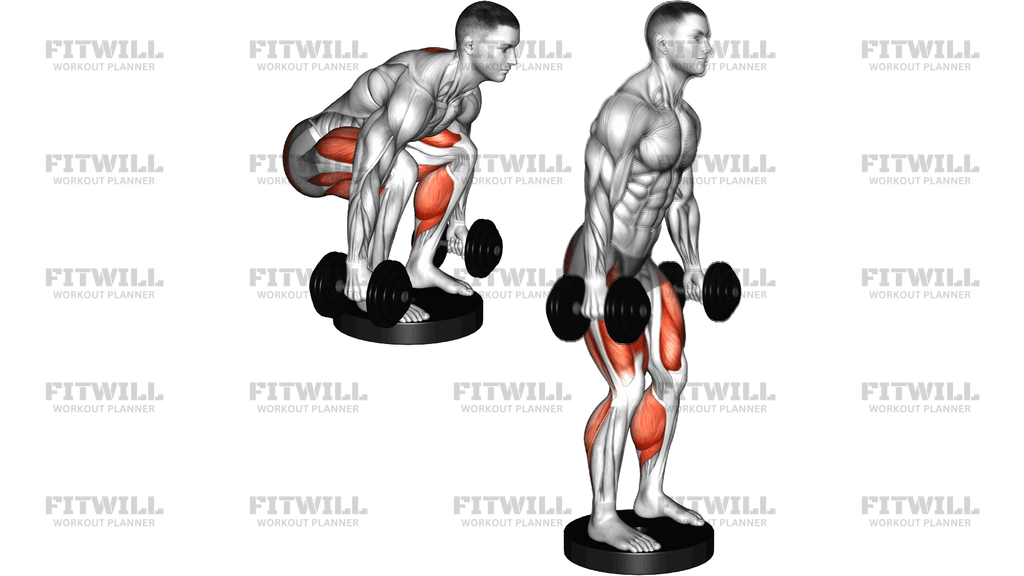
The standing dumbbell front raise is a strict shoulder isolation exercise that lifts both arms straight in front of the body to shoulder height. It is especially useful when you want to build the front delts without turning the movement into a press or a full-body swing. The image shows a bilateral version with both dumbbells moving together, which makes body control and shoulder position even more important.
This movement mainly trains the front shoulders, with the upper chest helping at the bottom and the upper traps and core working to keep the torso steady. Because the arms are lifted away from the body on a long lever, a light load goes a long way. The goal is not to heave the dumbbells upward, but to keep the path smooth and the shoulders quiet.
Set up by standing tall with the dumbbells in front of your thighs, feet about hip-width apart, and a soft bend in the elbows. Keep your ribs stacked over your pelvis and let the shoulders sit down instead of creeping toward your ears. That starting position matters because once you lean back or shrug, the front delts lose tension and the lower back starts helping too much.
On each rep, raise the dumbbells in a controlled arc until your hands reach roughly shoulder height. Stop there, or a little lower if your shoulders start to pinch, then lower the weights slowly until they return to the front of your thighs. Keep the wrists straight, the elbows slightly bent, and the torso still so the movement stays in the shoulder joint rather than turning into momentum.
Use the standing dumbbell front raise as accessory work after heavier pressing, in a shoulder-focused session, or as a lighter control drill when you want to clean up overhead mechanics. It is simple to learn, but it punishes sloppy tempo and overloading quickly. If you can keep the lift quiet, even, and repeatable, you will get much more from the exercise than if you chase height or speed.
Fitwill
Log Workouts, Track Progress & Build Strength.
Achieve more with Fitwill: explore over 9600 exercises with images and videos, access built-in and custom workouts, perfect for both gym and home sessions, and see real results.
Start your journey. Download today!




Instructions
- Stand with your feet about hip-width apart and hold a dumbbell in each hand in front of your thighs, palms facing your legs or each other.
- Keep a soft bend in your elbows, stack your ribs over your pelvis, and let your shoulders sit down away from your ears.
- Set your chest tall without leaning back, and keep the dumbbells close to the front of your thighs before the first rep.
- Exhale and raise both dumbbells together in a smooth arc straight in front of you.
- Lift only until the dumbbells reach shoulder height or just below it if your shoulders feel crowded.
- Hold the top briefly with your wrists straight and your elbows still slightly bent.
- Lower the dumbbells slowly back to the starting position while keeping your torso quiet.
- Reset your shoulders and repeat for the planned number of reps.
Tips & Tricks
- Use a lighter pair than you think you need; front raises get hard fast once the dumbbells leave your thighs.
- If your lower back arches to get the weight up, reduce the load and keep your ribs down.
- Let the elbows stay softly bent instead of locking the arms straight, which makes the lift feel harsher on the shoulder joint.
- Keep the dumbbells a few inches in front of your body so they do not drift into a swing from the hips.
- Stop at shoulder height; going higher usually turns the rep into a shrug and shifts tension away from the front delts.
- A neutral grip is often friendlier on the shoulders than turning the palms fully down.
- Lower the weights under control for two to three seconds to keep the front delts working through the return.
- If both arms pull unevenly, switch to one arm at a time and keep the non-working side still.
Frequently Asked Questions
What muscles does the standing dumbbell front raise work most?
It mainly works the front delts, with the upper chest helping at the bottom and the upper traps and core stabilizing the lift.
Is the standing dumbbell front raise good for beginners?
Yes, as long as the weight is light and the rep stays strict. Beginners usually learn it fastest by stopping the dumbbells at shoulder height and avoiding any lean-back.
Should my arms stay straight during the dumbbell front raise?
Keep a soft bend in the elbows. A tiny bend protects the joint and makes it easier to keep the dumbbells moving as one unit.
How high should I raise the dumbbells?
Raise them to shoulder height or just below it. Higher than that usually adds trap shrugging and reduces the tension you want on the front shoulders.
Why do I feel this in my neck more than my shoulders?
That usually means the shoulders are shrugging on the way up. Lower the weight, keep your shoulders down, and stop the rep before the dumbbells pass shoulder height.
Can I use a neutral grip for the standing dumbbell front raise?
Yes. A neutral grip, with palms facing each other, is often easier on the shoulder and still keeps the front delts working hard.
What is the most common mistake in this exercise?
Using momentum from the hips or leaning back to get the dumbbells higher. The lift should come from the shoulders, not from a body swing.
Can I do the standing dumbbell front raise one arm at a time?
Yes. A single-arm version can help you control the path better and keep the torso from twisting while one shoulder works.