Roll Tibialis Anterior
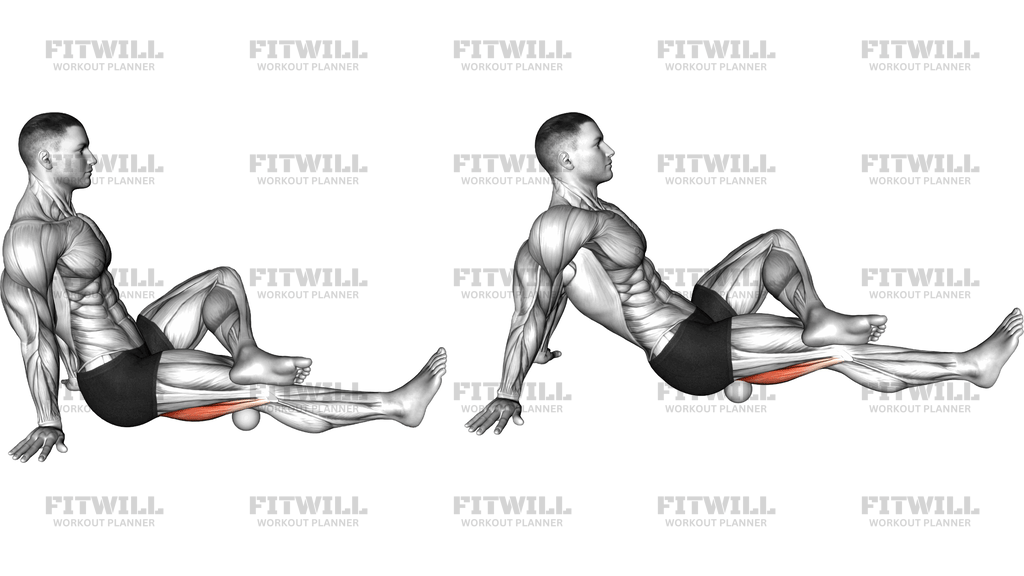
Roll Tibialis Anterior is a self-release exercise for the front of the lower leg, using a roller to apply steady pressure along the tibialis anterior and the tissue beside the shin. It is commonly used to reduce stiffness around the ankle and shin area before training, after running, or on recovery days when the front of the lower leg feels tight.
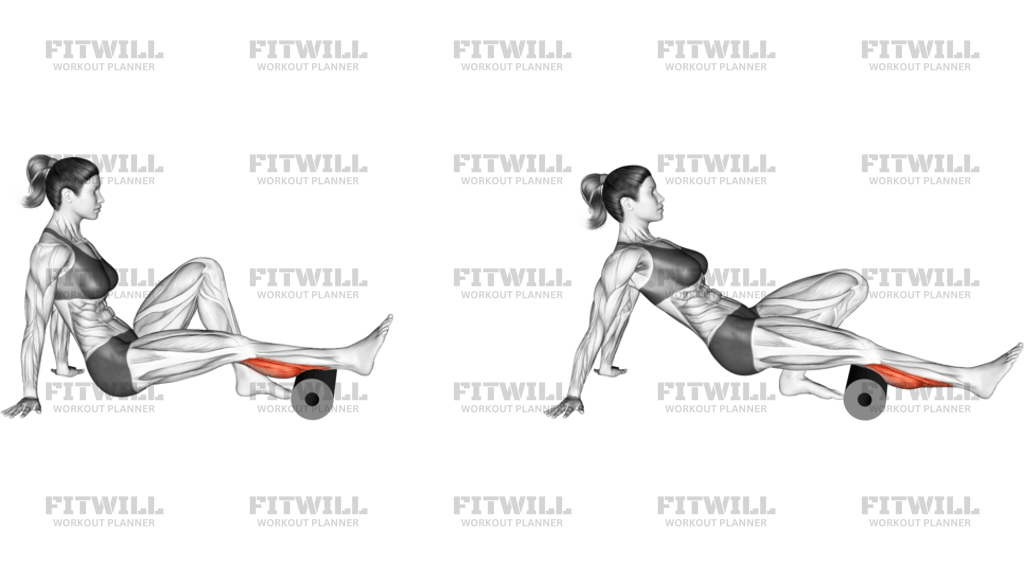
The setup matters because the pressure changes a lot depending on where the roller sits and how much bodyweight you place on it. In the shown position, you support yourself on your hands and the opposite leg while the working shin rests on the roller, then you shift your body to let the roller travel along the muscle belly instead of bouncing over it.
This is not a fast repetition exercise. The goal is to move slowly enough that you can find tender or restricted spots, pause there briefly, and then continue with control. A smoother pass usually works better than forcing hard pressure, especially if the tissue around the ankle or the upper shin is sensitive.
Roll Tibialis Anterior can be a useful warm-up or recovery drill for runners, jumpers, and anyone whose shins feel overworked from repeated dorsiflexion. It also fits well after lower-body training when the front of the lower leg feels stiff from sprinting, hopping, or lots of walking on hard surfaces.
Keep the pressure on muscle tissue rather than directly on the shin bone or the knee joint. If the roller is too painful, shorten the range and reduce bodyweight through the hands and support leg. The best reps feel controlled, deliberate, and specific to the front of the lower leg rather than like a full-body plank with random movement.
[ Workout Log & Planner ]
Put your next workout in Fitwill
Keep your plan and training log ready when you are.


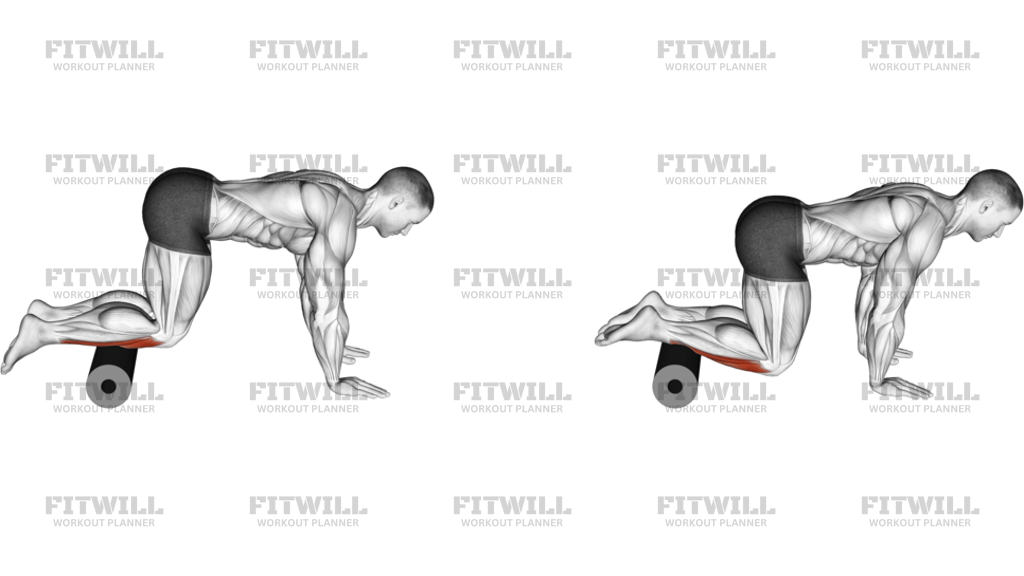
Instructions
- Get on the floor on your hands and knees, then place the roller under the front of one lower leg just below the knee.
- Keep the support knee, hands, and opposite foot grounded so you can control how much weight goes onto the working shin.
- Let the working foot stay relaxed and pointed away from your face so the pressure stays on the tibialis anterior area.
- Shift your body forward a few inches to roll from just below the knee toward the upper shin.
- Slowly glide back toward the mid-shin, keeping the movement smooth instead of bouncing on the roller.
- Pause on any tight or tender spot for a moment and breathe out to let the pressure settle.
- Make another small pass up and down the muscle belly, staying off the sharp edge of the shin bone.
- Reduce the amount of bodyweight through your hands or support leg if the pressure feels too intense.
- Finish by easing off the roller, switching sides if needed, and resetting before the next pass.
Tips & Tricks
- Aim the roller at the soft muscle beside the shin, not the hard front edge of the tibia.
- Small shifts work better than big rocks; this area usually responds to short, controlled passes.
- If the top of the shin near the knee is sensitive, start lower on the muscle belly and work upward later.
- Keep the ankle relaxed so you are not tensing the front of the lower leg against the roller.
- Use your hands more if the pressure feels sharp, and use less hand support only when the tissue has adapted.
- A slow exhale on tender spots helps you stay relaxed instead of bracing against the pressure.
- Do not roll directly over the knee joint or the bony ridge down the front of the shin.
- If the shin feels bruised or irritated, shorten the session and use lighter pressure rather than forcing through it.
- Two or three smooth passes on each side are usually enough before running or lower-body work.
- The movement should feel like targeted soft-tissue work, not a plank exercise with extra range.
Frequently Asked Questions
What does Roll Tibialis Anterior work?
It mainly targets the tibialis anterior muscle along the front of the lower leg, with some pressure spreading into the tissues beside the shin.
Is Roll Tibialis Anterior supposed to hurt?
You may feel firm pressure or mild discomfort on tight tissue, but it should not feel sharp, bruising, or directly painful on the shin bone.
Where should the roller sit on the lower leg?
Place it on the soft muscle just below the knee and along the front-outside of the shin, not on the hard ridge of the tibia or the knee joint.
How much bodyweight should I use on Roll Tibialis Anterior?
Use enough pressure to feel the tissue, but keep some of your weight in your hands and support leg so you can stay relaxed and controlled.
Can beginners do this exercise?
Yes. Beginners usually do best with short passes, light pressure, and a slower pace so the shin can adapt without getting irritated.
Should I move quickly or slowly on the roller?
Slowly. Short, deliberate passes let you find the tender spots along the tibialis anterior instead of sliding past them.
When should I use Roll Tibialis Anterior?
It works well before running, jumping, or leg training as part of a warm-up, and it also fits after training if the front of the lower leg feels tight.
What if the pressure feels too intense?
Shift more weight into your hands, start farther from the knee, and make smaller passes until the pressure feels manageable.