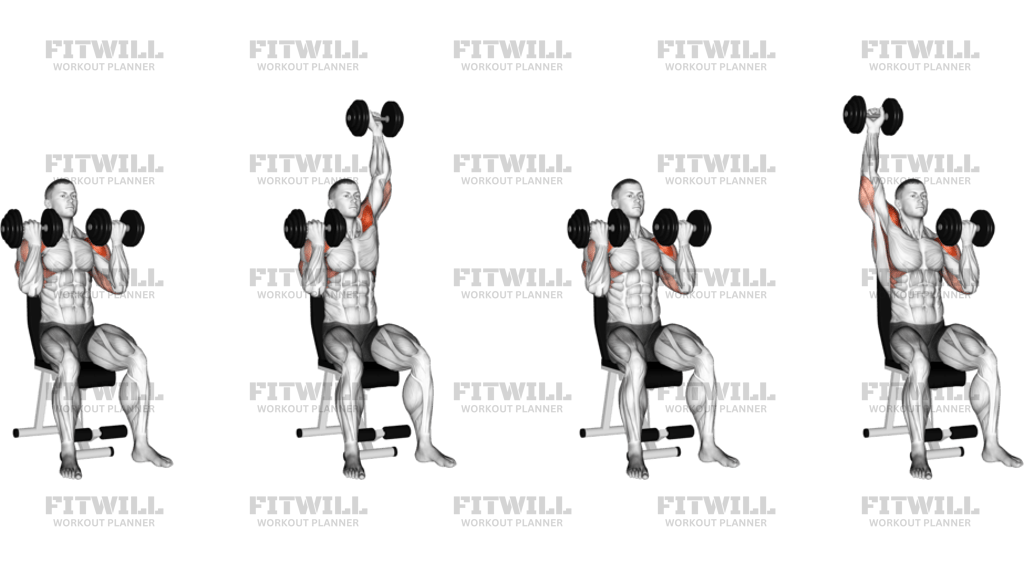
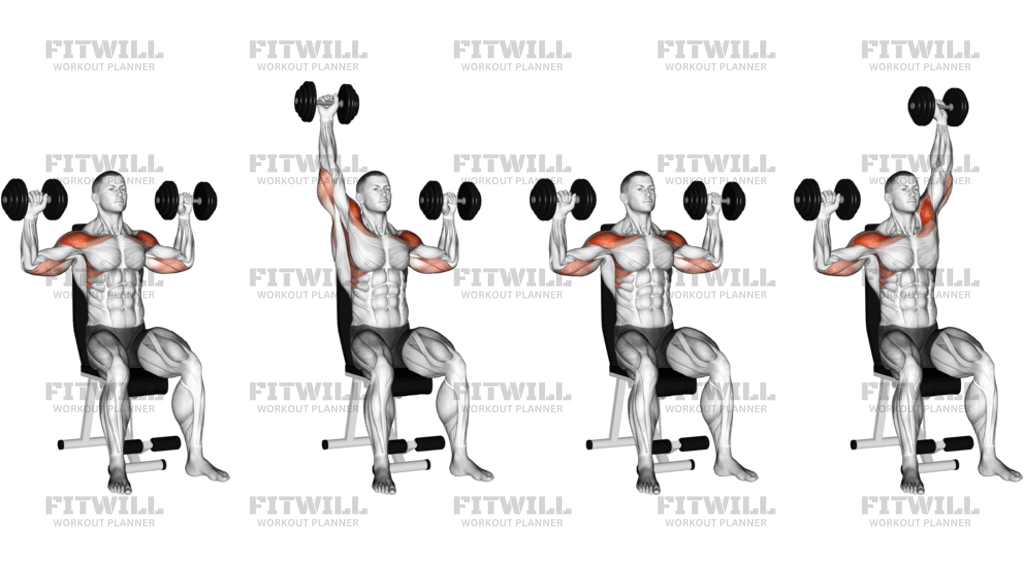
Dumbbell Single-Arm Neutral Grip Front Raise
Dumbbell Single-Arm Neutral Grip Front Raise is a single-joint shoulder exercise performed with one dumbbell held in a neutral grip, meaning the palm faces inward during the lift. The movement is simple, but the setup matters: when the ribcage stays stacked, the shoulder blade stays controlled, and the dumbbell travels in a clean arc, the front of the shoulder does the work instead of the lower back or upper traps.
This variation is usually used to isolate the anterior deltoid while still asking the upper chest, serratus, and stabilizers to keep the arm path smooth. The neutral grip often feels more shoulder-friendly than a fully pronated front raise because it avoids forcing the arm into extra rotation. That makes it useful for lifters who want direct shoulder work without turning the rep into a swing or a shrug.
The goal is not to lift as high as possible. The goal is to raise the dumbbell to about shoulder height with the elbow softly bent, the wrist quiet, and the torso still. A good rep looks controlled from the first inch off the thigh to the last inch on the way down. If the weight drifts away from the midline, the shoulder rolls forward, or the ribs flare to finish the rep, the load is too heavy or the range is too ambitious.
Because this is an isolation move, it works best as an accessory after your main pressing or pulling work, or as a lighter shoulder-builder in a hypertrophy session. It can also be used as a warm-up drill to rehearse shoulder flexion and scapular control before overhead pressing. The exercise should feel precise, not explosive, and each rep should look nearly identical to the one before it.
Choose a load that lets you keep the dumbbell steady, the neck relaxed, and the return path slow. Stop the set if you start leaning back, shrugging, or twisting the torso to get the weight higher. Used well, this front raise builds strong, visible shoulder tension while reinforcing clean arm path and better control through the top half of the raise.
Fitwill
Log Workouts, Track Progress & Build Strength.
Achieve more with Fitwill: explore over 9600 exercises with images and videos, access built-in and custom workouts, perfect for both gym and home sessions, and see real results.
Start your journey. Download today!




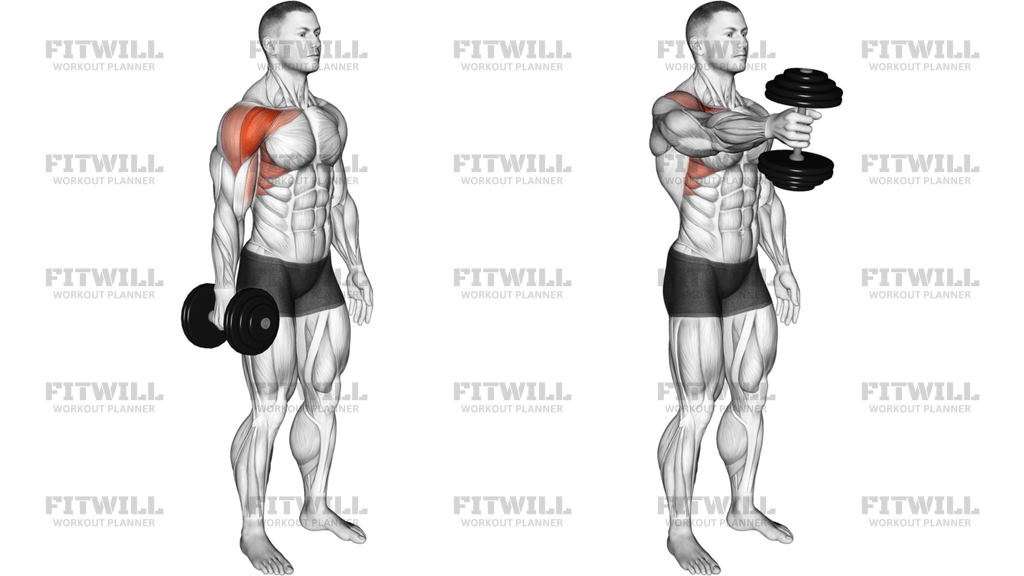
Instructions
- Stand tall with feet about hip-width apart and hold one dumbbell at the front of one thigh in the working hand, palm facing your body.
- Keep the free arm relaxed by your side, set your ribs over your pelvis, and soften the working elbow slightly.
- Set your shoulder down and away from your ear without pinching the shoulder blades together hard.
- Brace lightly through your midsection before the first rep so the torso stays quiet.
- Raise the dumbbell in a smooth arc straight in front of you, leading with the elbow and keeping the wrist neutral.
- Continue lifting until the hand reaches about shoulder height or the upper arm is roughly parallel to the floor.
- Pause briefly at the top without leaning back, shrugging, or letting the shoulder roll forward.
- Lower the dumbbell slowly along the same path until it returns to the front of the thigh.
- Reset your shoulder and breathing before the next rep, then repeat for the planned set.
- Stop the set if you have to swing the dumbbell, twist your torso, or shorten the lowering phase to finish the rep.
Tips & Tricks
- Use a lighter dumbbell than you would for a two-arm raise; the single-arm version exposes cheating fast.
- Keep the palm facing inward the whole time so the shoulder does not have to fight extra rotation.
- A slight elbow bend is enough; do not turn the movement into a curl or lock the arm out rigidly.
- Raise in the scapular plane, a little in front of the body line, if straight-ahead lifting pinches the shoulder.
- Stop around shoulder height unless your shoulder stays completely calm above that point.
- If your upper trap takes over, lower the load and think about reaching forward rather than shrugging up.
- Keep the free hand still at your side so the torso does not start counter-swinging.
- Use a controlled two- to three-second lowering phase to keep tension on the front delt.
- Exhale as the dumbbell rises and inhale as it returns to the thigh.
- If your ribs flare or your lower back arches, shorten the range until the torso can stay stacked.
Frequently Asked Questions
What does the Dumbbell Single-Arm Neutral Grip Front Raise work most?
It primarily targets the front of the shoulder, especially the anterior deltoid, while the upper chest and serratus help stabilize the lift.
Why use a neutral grip instead of turning the palm down?
A neutral grip often feels friendlier on the shoulder because it avoids forcing extra rotation while you lift the arm.
How high should I raise the dumbbell?
For most lifters, shoulder height is the right stopping point. Going higher often turns the rep into a shrug or a back lean.
Should my free arm do anything during the rep?
No. Keep the free arm quiet at your side so you do not create momentum or twist through the torso.
What is the biggest mistake with this front raise?
Using too much weight and swinging the dumbbell with the body instead of lifting it with the shoulder.
Can beginners use this exercise?
Yes. It is beginner-friendly if the load is light and the lift stops before the shoulder starts shrugging or the spine starts leaning back.
Why do I feel this in my upper traps?
Usually the dumbbell is too heavy, the arm is coming up too high, or the shoulder is shrugging instead of staying down.
Can I do both arms at the same time?
You can, but the single-arm version is better for spotting side-to-side differences and keeping the torso from cheating.
What should the dumbbell path look like?
It should travel in a smooth forward arc from the thigh to shoulder height, not drift out to the side or swing away from the body.
When should I use this movement in a workout?
It works well as accessory shoulder work after pressing, or as a lighter warm-up before overhead work if you want to rehearse shoulder flexion control.