Dumbbell Standing Driver
Dumbbell Standing Driver is a standing shoulder-dominant dumbbell movement built around lifting the weight into a steady front-rack style position at shoulder height. The exercise asks you to keep the torso tall, the ribs controlled, and the dumbbells moving on a clean path instead of swinging through the rep. It is a useful option when you want the front of the shoulders to work hard while the upper back, arms, and trunk keep the position organized.
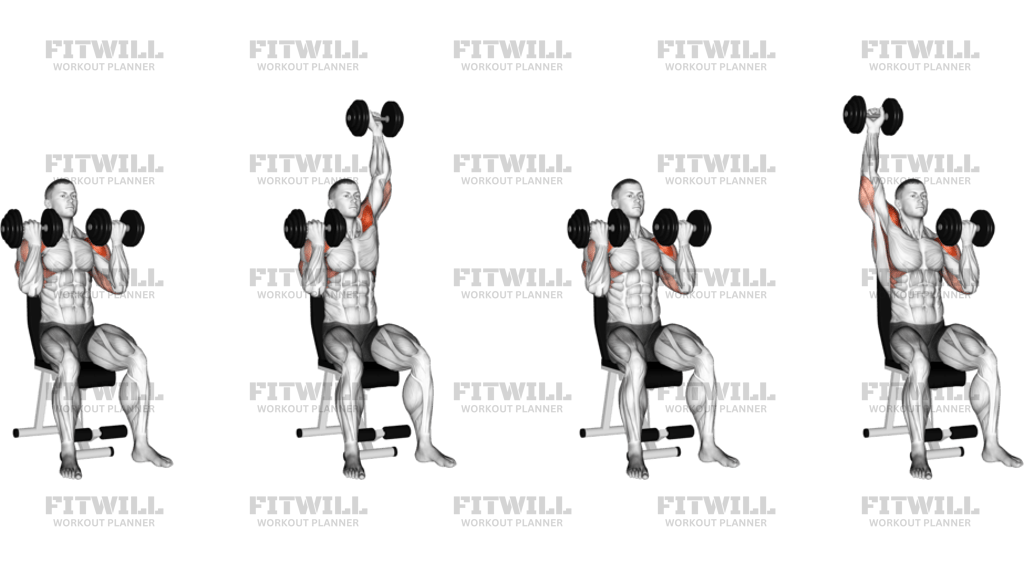
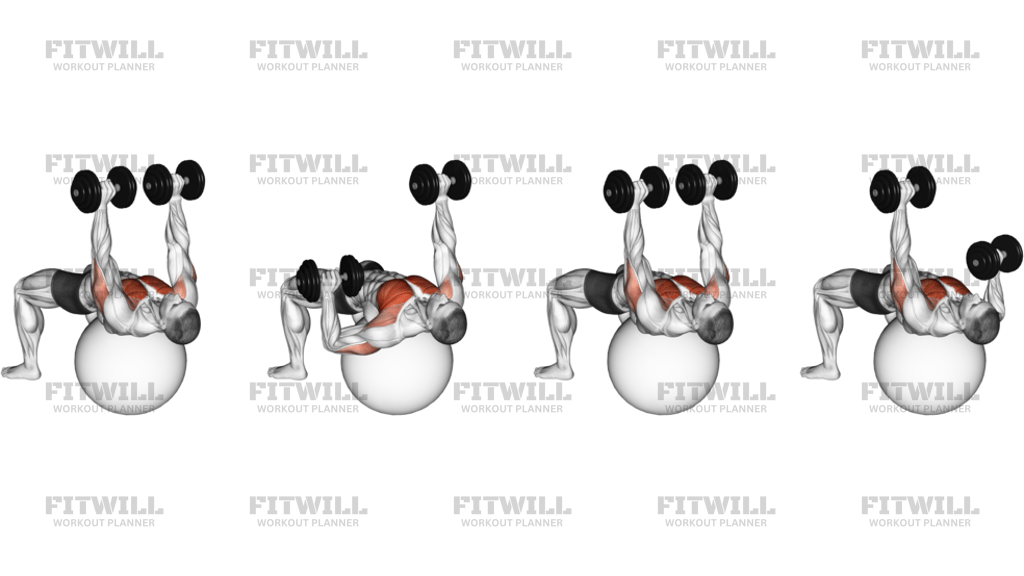
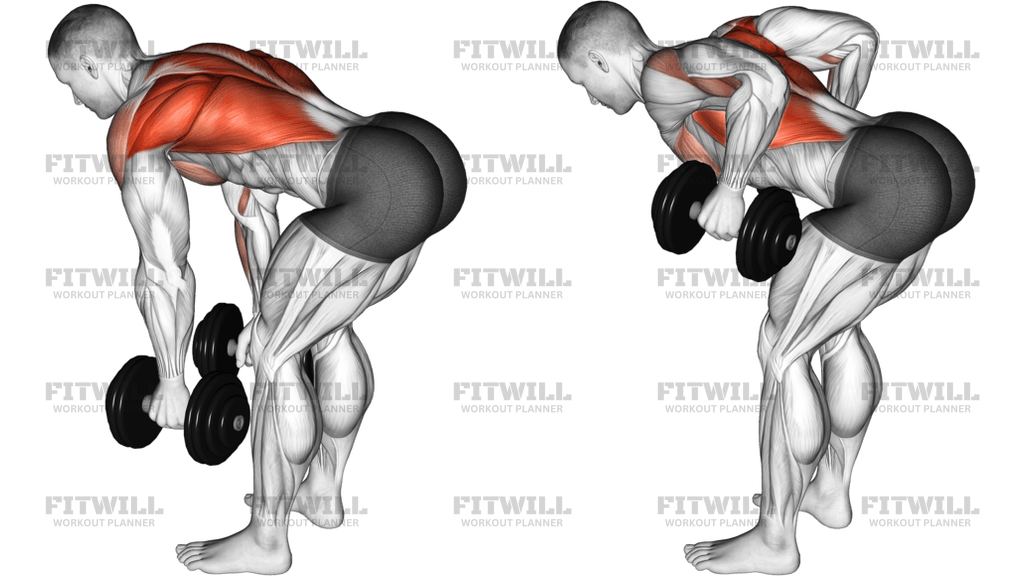
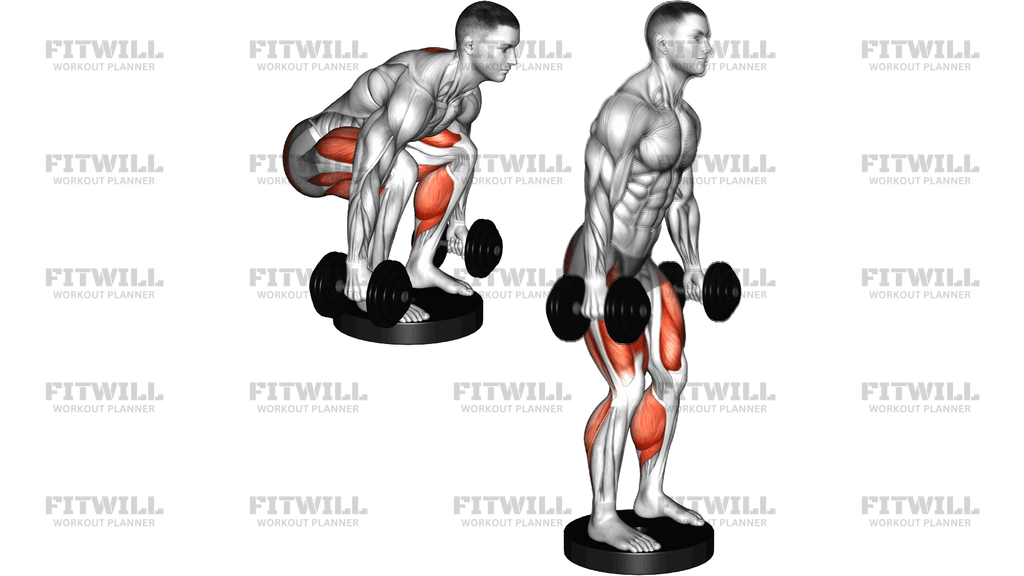
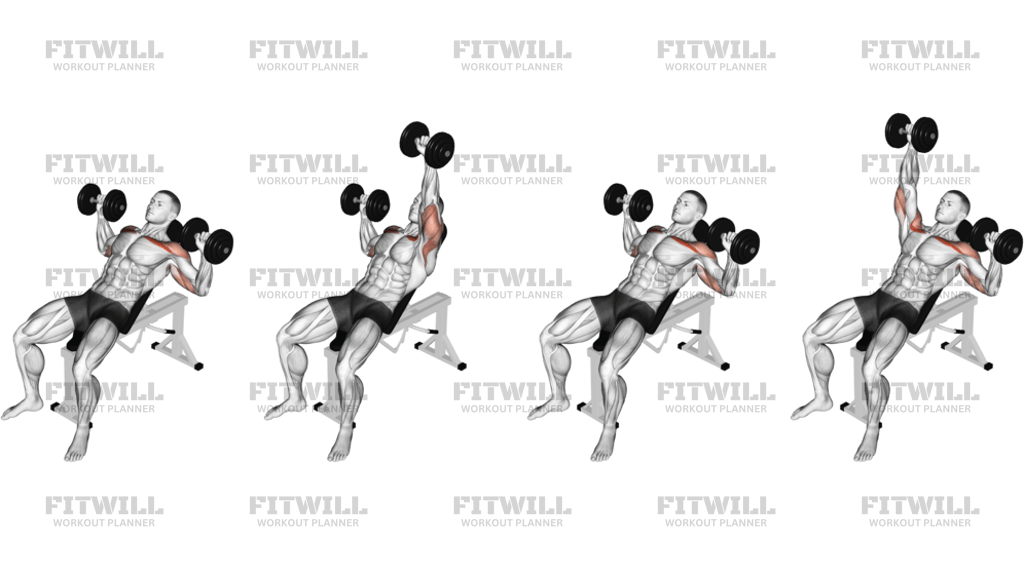
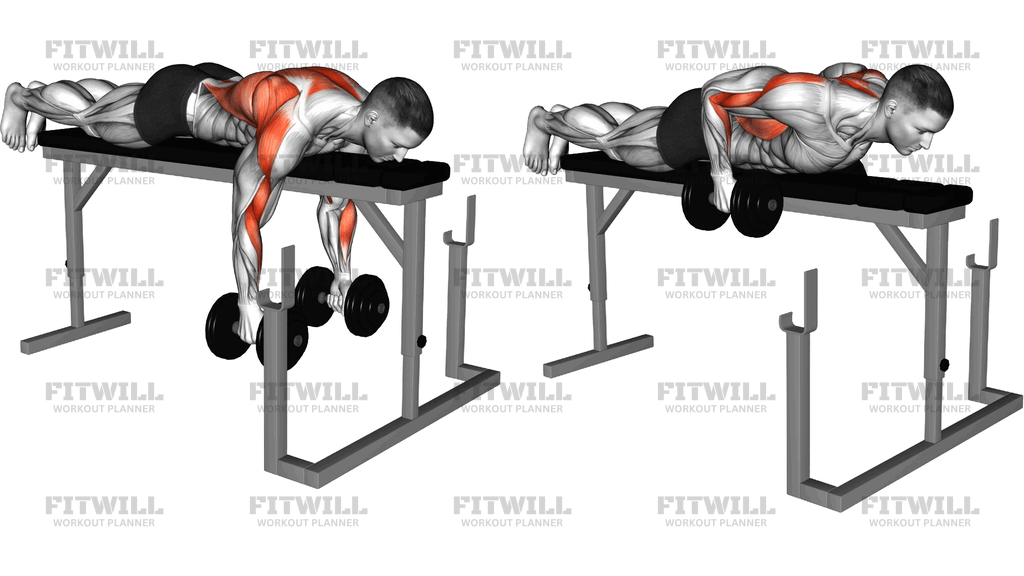
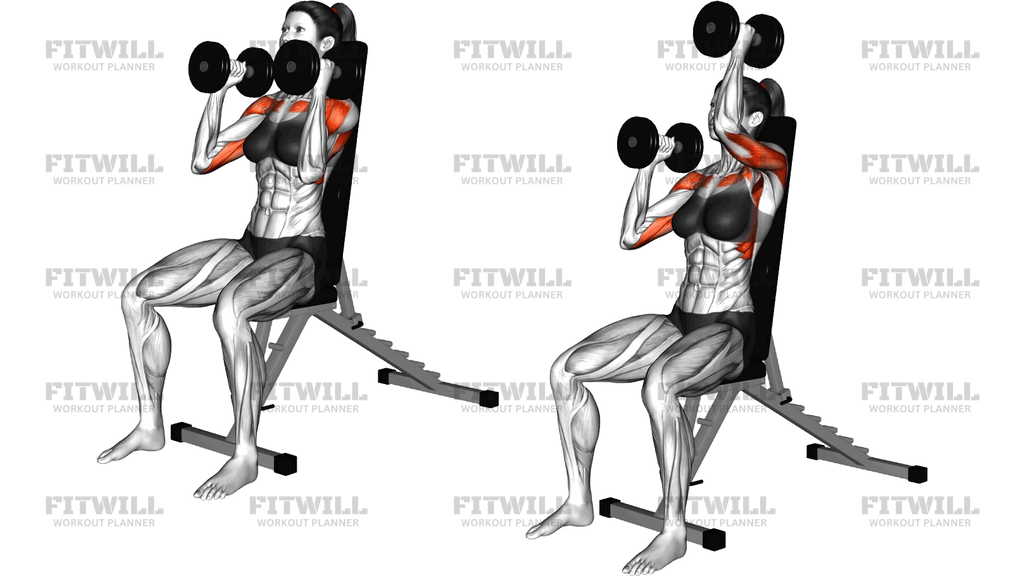
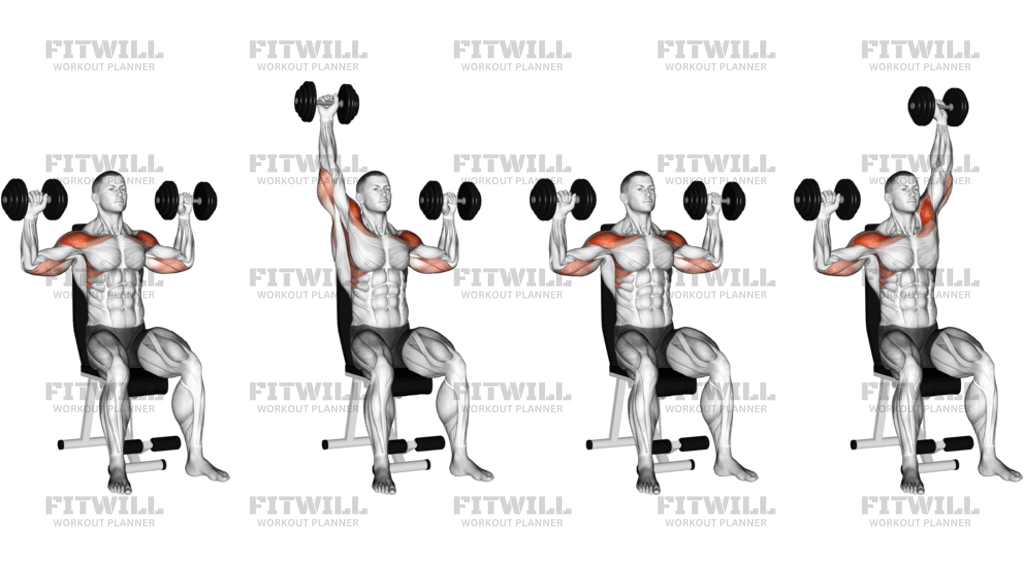
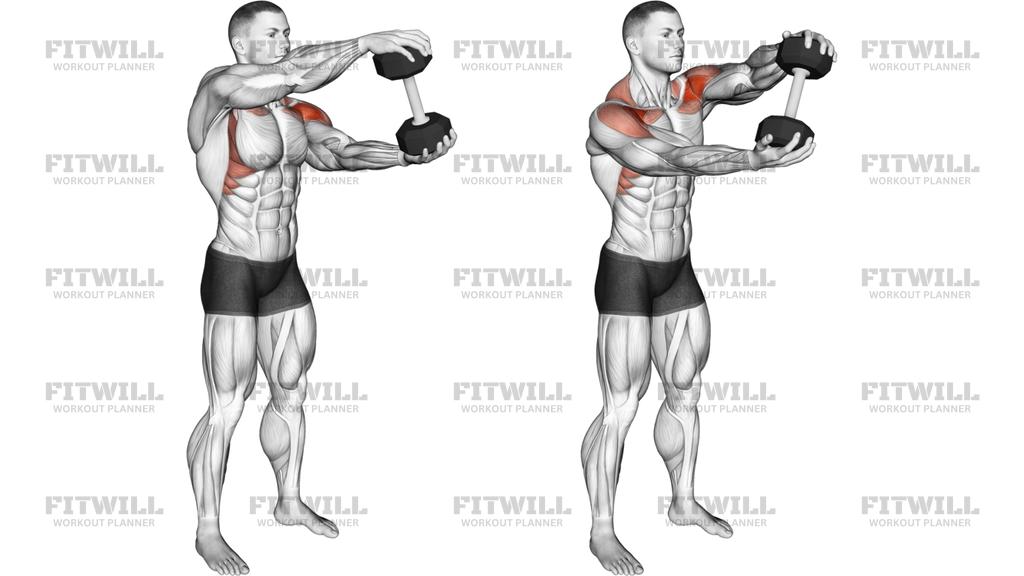
The image shows a controlled standing position with the arms held forward at shoulder level, which makes setup and body tension more important than brute force. A good rep starts with the feet planted, the pelvis stacked over the ribs, and the shoulders set before the lift begins. That posture keeps the dumbbells from drifting upward with momentum or forcing the neck and lower back to take over.
Because the load is held away from the torso, the front deltoids do most of the visible work, with the upper chest, triceps, forearms, and scapular stabilizers helping to keep the arms and wrists in line. The movement is not about jerking the weights up quickly. It is about creating a stable shoulder position, then repeating that same position with control and consistency across every rep.
Use Dumbbell Standing Driver when you want a standing accessory exercise that reinforces shoulder control, posture, and front-of-body tension. It fits well in shoulder sessions, upper-body accessories, or circuits where you want a modest load and a strict tempo. Beginners can use it if they keep the range short and the weight light enough to avoid leaning back, shrugging, or swinging the dumbbells.
The main coaching points are simple: keep the neck long, keep the elbows and wrists under control, and lower the weights slowly enough that you can reset the shoulders before the next rep. If the dumbbells drift above shoulder height or the torso starts to sway, the load is too heavy or the rep is being rushed.
[ Workout Log & Planner ]
Put your next workout in Fitwill
Keep your plan and training log ready when you are.


Instructions
- Stand tall with your feet about hip-width apart and hold a dumbbell in each hand in front of your thighs.
- Keep a soft bend in the knees, stack your ribs over your pelvis, and let the shoulders settle down away from your ears.
- Set your wrists so the dumbbells stay level and your elbows remain slightly bent rather than locked.
- Brace your midsection before the first rep so the torso does not lean back when the weights leave the thighs.
- Lift the dumbbells forward and slightly upward until your arms reach shoulder height in front of your chest.
- Pause briefly at shoulder level and keep the weights steady instead of letting them wobble or drift higher.
- Lower the dumbbells along the same path under control until they return to the start position near your thighs.
- Exhale as you lift, inhale as you lower, and keep that rhythm consistent for each rep.
- Reset your posture between reps if the neck tightens, the ribs flare, or the shoulders start to shrug.
Tips & Tricks
- Choose a load that lets you stop exactly at shoulder height without arching your lower back.
- Keep the dumbbells slightly in front of the body rather than drifting out wide, which makes the front delts do more of the work.
- If your shoulders shrug up toward your ears, reduce the load and think about lengthening the neck before each lift.
- Do not swing the weights from the hips; the rep should start with the shoulders, not with body momentum.
- A small bend in the elbows is enough, but do not turn the movement into a curl or a press.
- Lowering slowly matters here because it keeps the shoulders under tension and prevents the dumbbells from dropping out of position.
- Keep the wrists stacked so the dumbbells do not roll forward in your hands at the top of the lift.
- If one side rises faster than the other, slow the rep down and match both arms to the same tempo.
- Stop the set when you can no longer hold the top position without leaning back or losing shoulder control.
Frequently Asked Questions
What does Dumbbell Standing Driver train most?
It mainly challenges the front of the shoulders, with the upper chest, arms, and upper back helping to stabilize the lift.
Is this basically a front raise with dumbbells?
It is very close in feel. The difference is that the standing driver position emphasizes a steady shoulder-height hold and a controlled return instead of a loose swing.
How high should the dumbbells come up?
Bring them to shoulder height in front of the chest. Going much higher usually turns the rep into a shrug and shifts stress away from the shoulders.
Should I keep my elbows straight or bent?
Keep a slight bend in the elbows. Locking them out often strains the wrists, while too much bend turns the exercise into a different movement.
What should I do if I feel this in my lower back?
Reduce the load and shorten the range if needed. Lower-back tension usually means you are leaning back to help the dumbbells up.
Can I use this as a warm-up for shoulder training?
Yes. Light sets work well as a shoulder primer because the exercise teaches control at shoulder height without needing a lot of load.
What is the biggest form mistake with the dumbbells?
Letting the weights swing up or drift above shoulder height. That usually means the set is too heavy or the tempo is too fast.
How do I make the movement harder without cheating?
Use a slower lowering phase, a brief pause at shoulder height, or a slightly heavier dumbbell only if you can still keep the torso quiet.