Dumbbell Incline Single-Arm Y Raise
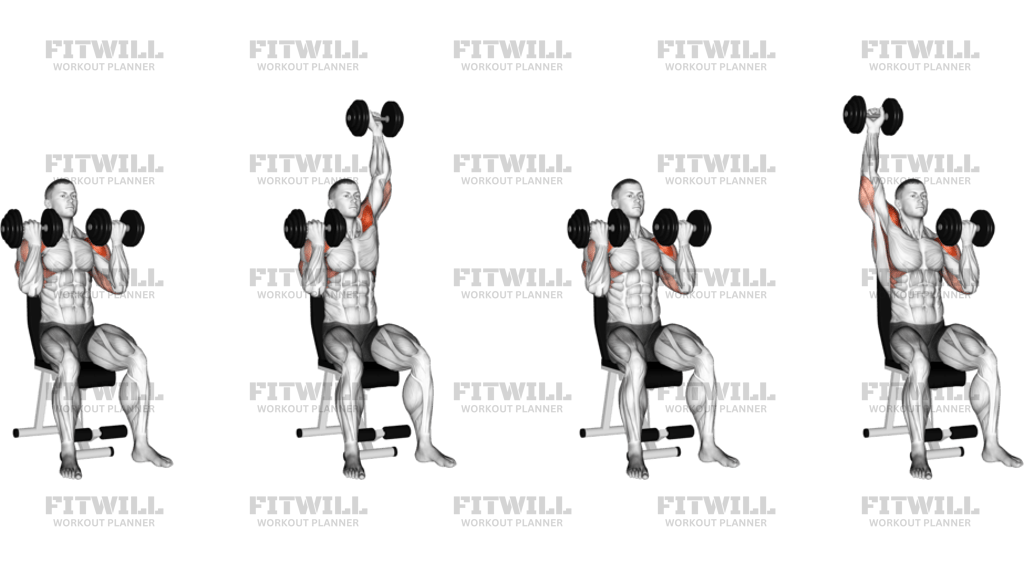
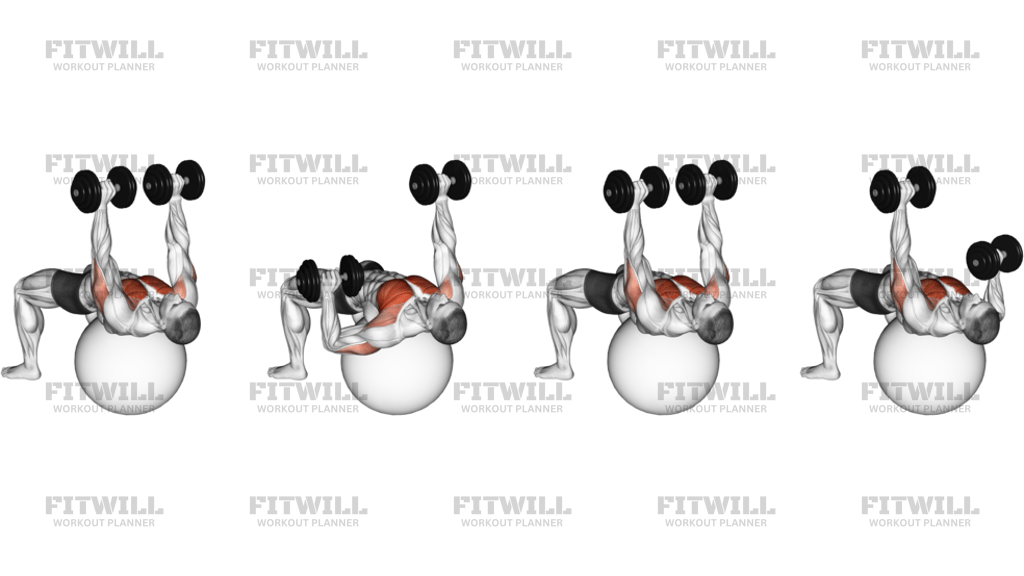
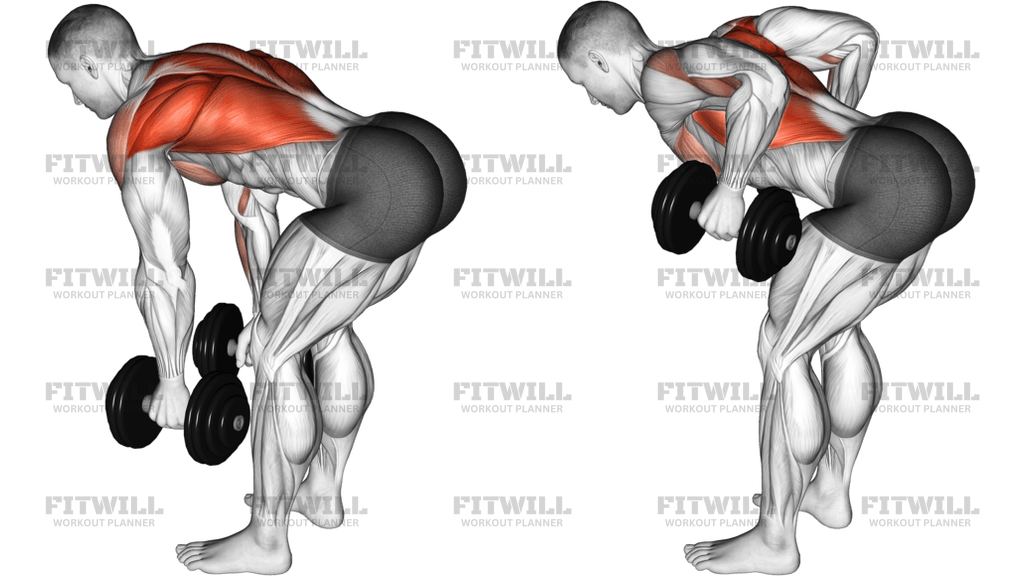
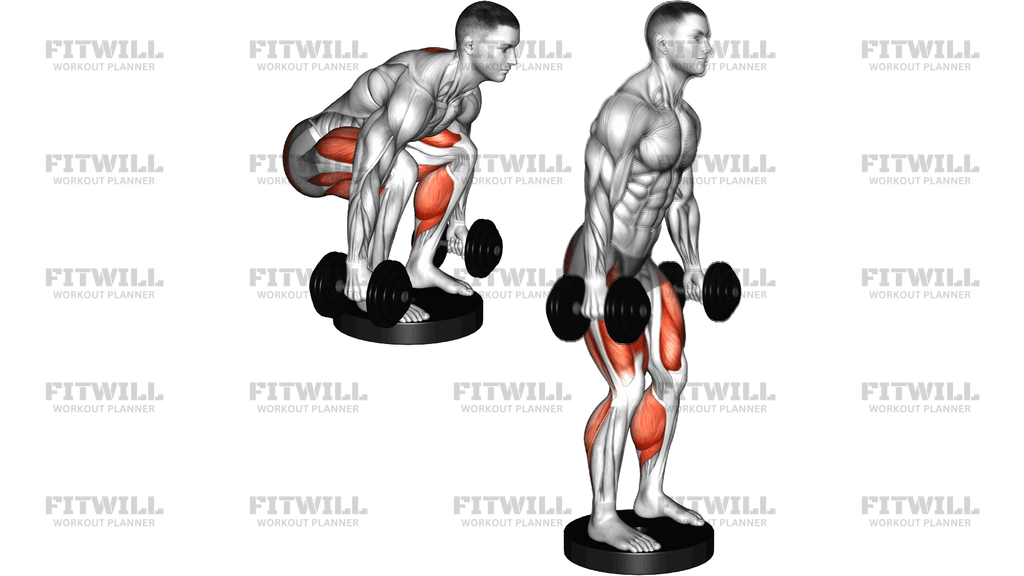
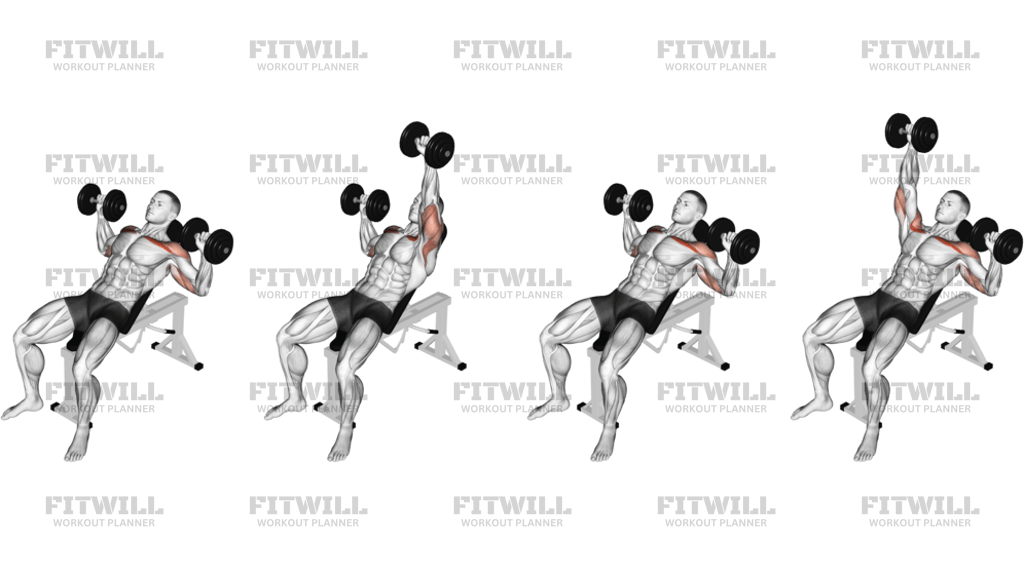
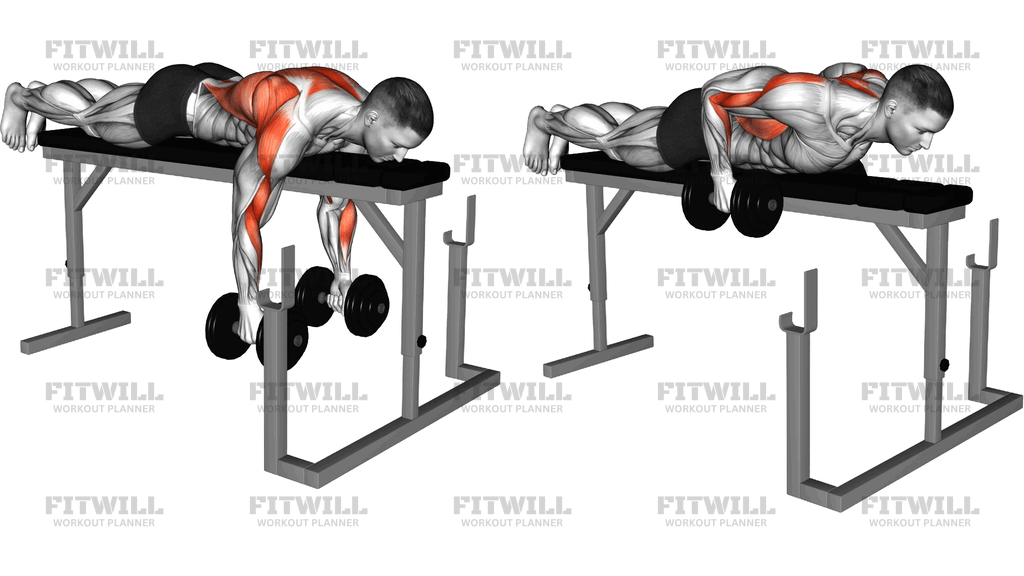
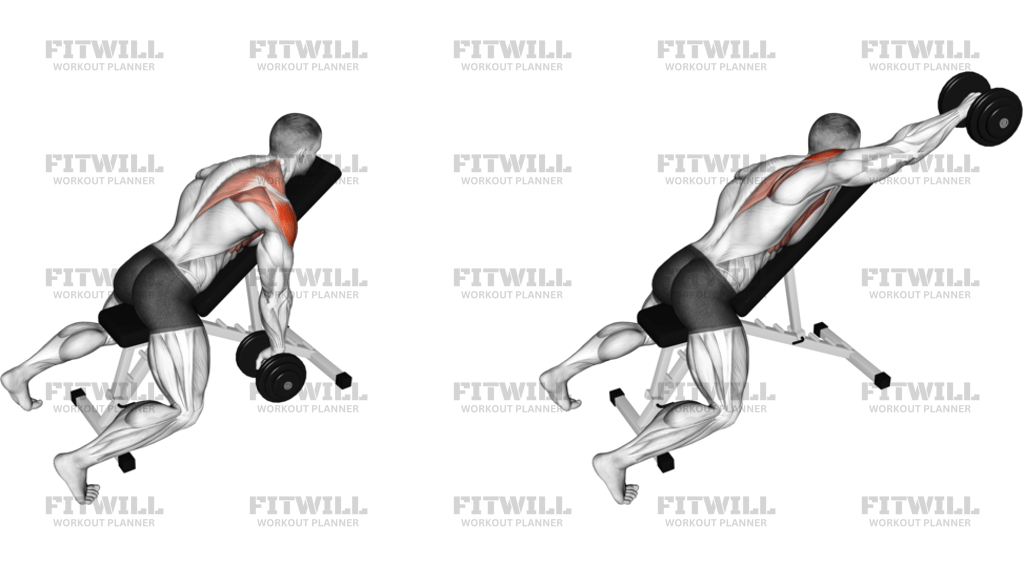
The Dumbbell Incline Single-Arm Y Raise is a chest-supported shoulder and upper-back accessory that trains the small muscles responsible for clean scapular control. In the pictured setup, your torso is anchored on an incline bench while one arm moves through a long diagonal Y path with a light dumbbell, which makes the exercise far more precise than a standing raise. It is especially useful when you want better rear-shoulder control, stronger lower-trap contribution, and smoother overhead mechanics without having to use heavy loads.
Because the bench removes most of the body swing, the Dumbbell Incline Single-Arm Y Raise rewards position more than brute force. The chest stays supported, the ribs stay down, and the working shoulder has to move around the rib cage instead of being helped by momentum or low-back extension. That makes the movement a good accessory for lifters who press overhead, do pull-up or rowing work, or simply need a better way to train the shoulder blade without irritating the neck.
Setup matters here because the line of pull changes with the bench angle. A moderate incline usually gives the cleanest path: steep enough to support the torso, but not so steep that the motion turns into a shrug or front-delt lift. The working arm should start hanging below the shoulder, the elbow should stay softly bent, and the thumb can stay slightly up to keep the shoulder in a friendlier position.
Each repetition should travel in one smooth diagonal arc from the hanging start position to a Y shape near ear level. The lift should feel long and controlled, not explosive, and the shoulder should stay away from the ear as the arm rises. A brief pause at the top helps you own the position, then the dumbbell should lower slowly until the arm is fully lengthened again. If the top position pinches or the neck takes over, the range is too high or the load is too heavy.
This is not a movement for chasing numbers. It works best as accessory work, activation before pressing, or controlled upper-back volume at the end of a session. Beginners can absolutely use it, but only with a very light dumbbell and a strict path. When the Dumbbell Incline Single-Arm Y Raise is done well, it teaches the shoulder to lift cleanly without twisting, shrugging, or turning the rep into a row.
[ Workout Log & Planner ]
Put your next workout in Fitwill
Keep your plan and training log ready when you are.


Instructions
- Set an incline bench to a moderate angle and lie chest-down with your upper chest supported, your feet planted wide for balance, and your working arm hanging straight toward the floor.
- Hold a light dumbbell in the working hand with your palm facing in, let the elbow stay softly bent, and rest your free hand on the bench for extra stability if needed.
- Keep your chin off the pad, lengthen the back of your neck, and pin the ribcage into the bench before the first rep.
- Start the rep by reaching the dumbbell forward and out on a diagonal so the arm travels into a Y shape instead of straight out to the side.
- Keep the shoulder blade moving smoothly without shrugging toward the ear as the hand rises.
- Lift only until the hand reaches around ear level or just above shoulder height, then hold the top for a brief squeeze.
- Lower the dumbbell slowly back to the hanging start position and keep the torso from twisting as the arm returns.
- Exhale on the lift, inhale on the lower, and reset the shoulder before starting the next repetition.
Tips & Tricks
- A low-to-moderate bench angle usually keeps the path cleaner than a steep incline, which tends to turn the rep into a shrug.
- Choose a dumbbell light enough that the hand can trace one smooth diagonal line without jerking off the bottom.
- Think about reaching long through the fingertips rather than lifting the weight high with the upper trap.
- If the shoulder pinches near the top, stop slightly short of ear level and keep the thumb turned up.
- Keep the chest heavy on the bench so the torso does not rotate toward the working side.
- A slower lowering phase builds more control around the shoulder blade than adding more load.
- If your neck tightens, reduce the range and keep the shoulders away from the ears for the whole rep.
- Use one arm at a time so the other side does not help by shifting your body across the bench.
Frequently Asked Questions
What muscles does the Dumbbell Incline Single-Arm Y Raise work?
It mainly trains the rear shoulder and the muscles that control the shoulder blade, especially the lower traps. The chest-supported position also makes the upper back and core work to keep the body still.
How steep should the incline bench be for the Dumbbell Incline Single-Arm Y Raise?
A moderate incline is usually best because it supports the torso without making the arm path too vertical. If the bench is too steep, the rep often turns into a shrug.
Should my palm face down or up during this raise?
A thumb-up or slightly neutral hand position is usually more shoulder-friendly. Palm-down can work for some lifters, but it should never create a pinch at the top.
How high should I lift the dumbbell?
Lift until the hand is near ear level or just above shoulder height, then stop. If you have to shrug to go higher, the range is too big for this exercise.
Can beginners do the Dumbbell Incline Single-Arm Y Raise?
Yes, but they should start with a very light dumbbell or no load at all to learn the diagonal path. The supported bench makes it easier to control than a standing Y raise.
Why does my neck feel tense during this movement?
Neck tension usually means the upper traps are taking over. Lower the load, keep the shoulders away from the ears, and shorten the range until the rep feels smooth again.
Is this exercise better as a warm-up or a strength move?
It is usually best as a warm-up, activation drill, or accessory exercise. The goal is shoulder control and position, not moving the heaviest dumbbell possible.
What is the biggest mistake in the Dumbbell Incline Single-Arm Y Raise?
The most common mistake is turning the movement into a shrug or a twist through the torso. Keep the chest glued to the bench and let the arm travel in one clean Y-shaped arc.