Lean Back Air Cycling On A Chair
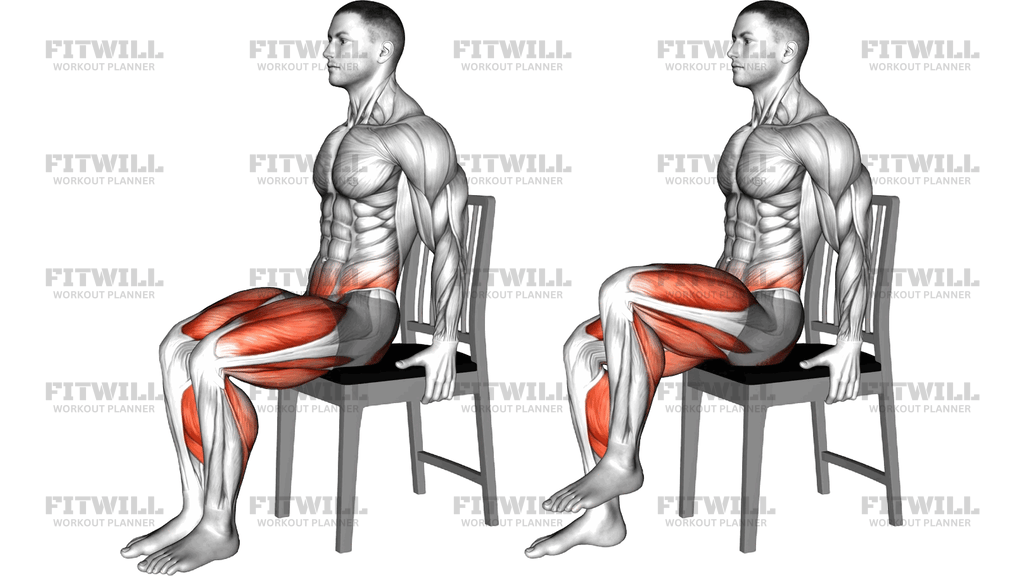
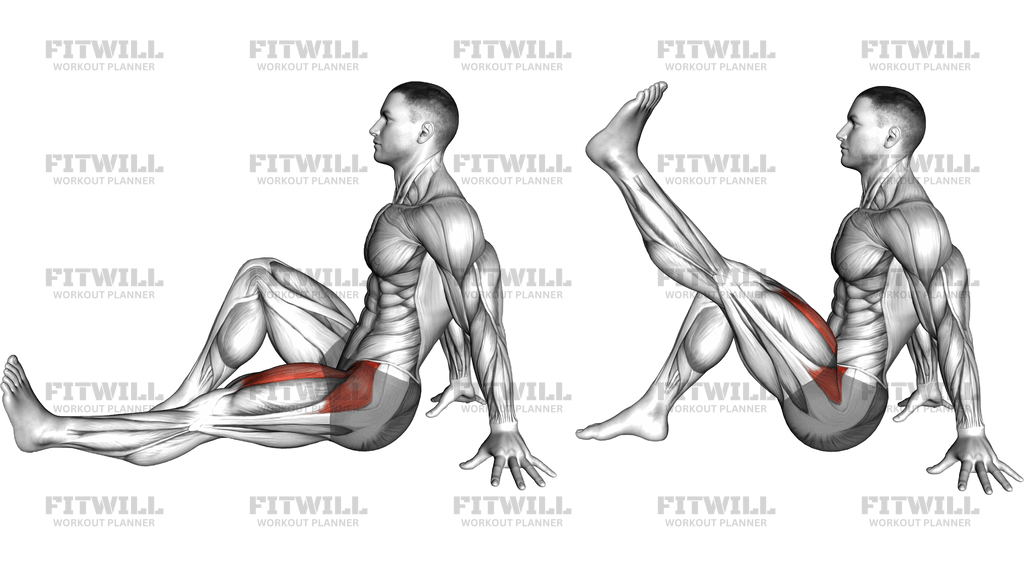
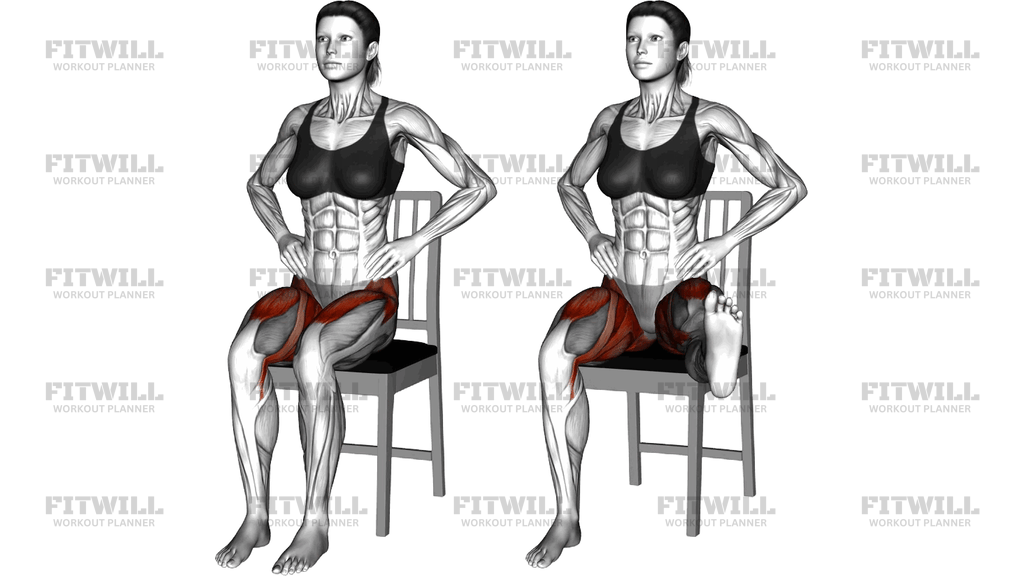
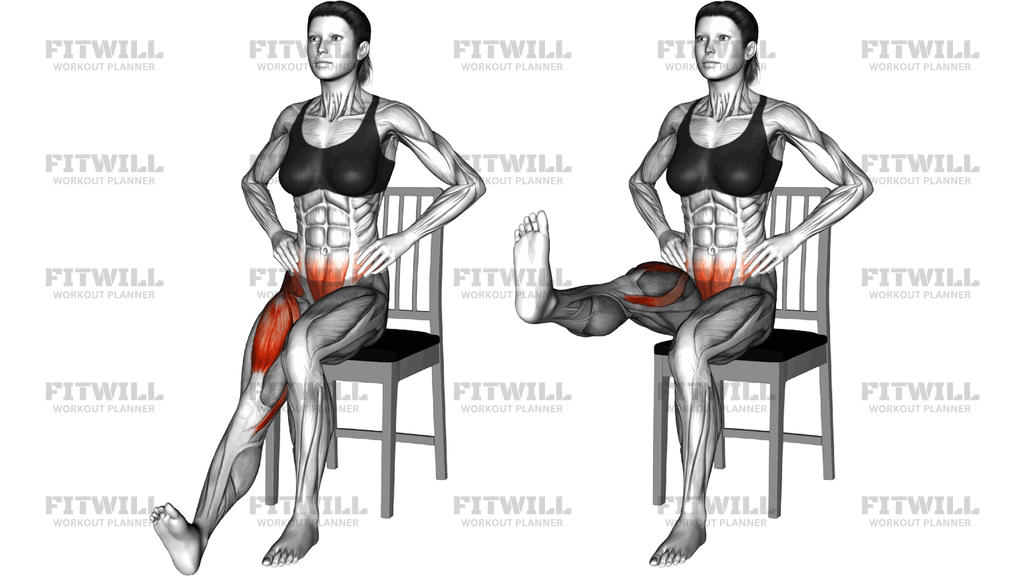
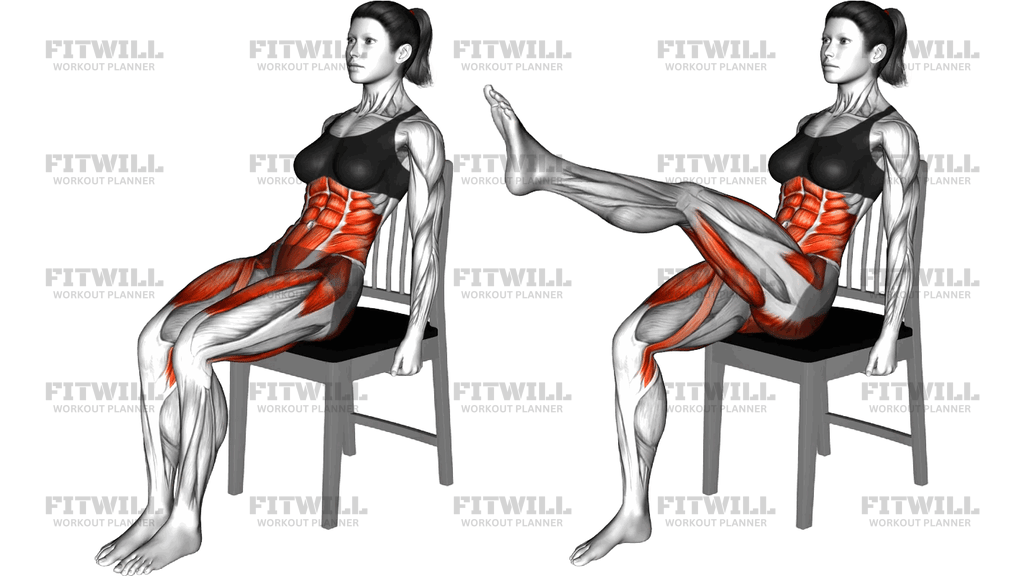
Lean Back Air Cycling On A Chair is a seated core exercise where you perch on a sturdy chair, lean your torso back while gripping the seat for support, and pedal your legs through the air as if riding an invisible bike. Because the chair takes your arms and upper body out of the equation, all of the work of controlling your legs falls on your abdominal wall and hip flexors, which makes this a surprisingly demanding move despite the humble setup.
The main work comes from the lower abs and deep core, which must stay braced to keep your torso from collapsing or your lower back from arching as your legs sweep through the cycling path. Your hip flexors drive each knee pull, and your quads extend the leg on every forward pedal. The obliques work quietly to keep your ribcage square to the chair instead of twisting side to side with each leg.
Setup matters more than it looks. Sit toward the front half of the chair, lean back to roughly a 45-degree angle, and hold the sides of the seat firmly so your shoulders stay relaxed and your torso stays stable. Your spine should hold a long, neutral shape rather than rounding or over-arching. If you lean back too far or slouch, the stress shifts to your lower back; if you sit too upright, the exercise loses most of its core challenge.
To perform it well, lift both feet slightly off the floor, then begin a slow, deliberate pedaling rhythm: one knee draws in toward your chest while the other leg extends forward and up, then the legs trade positions. Keep the circles controlled rather than fast, and keep your heels from touching the floor between reps. The slower you pedal, the more your abs have to do and the less momentum hides the work.
This movement suits beginners building core strength without getting on the floor, office workers who want a discreet midday core drill, older trainees who find floor work hard on the hips or knees, and anyone practicing keeping the lower back pressed quiet while the legs move. It also pairs well as a warm-up activator before heavier core training.
For safety, use a stable chair without wheels, keep your grip secure on the seat at all times, and stop or shorten the range if you feel your lower back taking over. Quality beats speed here — a slow, controlled pedal with a braced torso beats fast, sloppy circles every time.
[ Workout Log & Planner ]
Put your next workout in Fitwill
Keep your plan and training log ready when you are.


Instructions
- Sit on the front edge of a sturdy, armless chair with your feet flat on the floor and your hands gripping the sides of the seat just outside your hips.
- Lean your torso back to about a 45-degree angle, keeping your chest lifted, shoulders down, and spine long in a neutral position.
- Brace your abdominal wall as if preparing for a light push to the stomach, and press your lower back into a stable, controlled position rather than letting it arch.
- Lift both feet off the floor so your knees stay bent and your shins hang down, keeping your balance on your seat bones.
- Begin pedaling: draw one knee in toward your chest while extending the opposite leg forward and up so it hovers above the floor.
- Continue alternating in a smooth cycling circle, trading knee pulls and leg extensions without letting either foot rest on the ground.
- Keep the circles slow and even — roughly two seconds per pedal — so your abs control the legs instead of momentum.
- Exhale steadily as your legs move through the pedal cycle, and inhale without letting your torso slump or your lower back arch.
- After your final rep, lower both feet gently to the floor, sit upright, and release your grip on the seat to reset.
Tips & Tricks
- A common mistake is letting the lower back arch as the leg extends forward — cue yourself to pull your ribs down and keep your tailbone tucked slightly toward the seat.
- If your shoulders creep up toward your ears while gripping the seat, relax them deliberately; your arms are only there for balance, not to carry the effort.
- Start with a small range — extending the leg only halfway — until you can keep your torso from wobbling, then lengthen the pedal circle over time.
- Rushing the pedaling is the most common fault in this setup; slow the tempo down until each knee pull feels deliberate and each extension feels controlled.
- If you slide forward on the seat as you lean back, reposition so your sit bones sit squarely on the front third of the chair before you start.
- Feel the work in your lower belly and front of the hips, not in your neck; if your neck grips, you are likely craning your chin forward as you fatigue.
- To increase the challenge, hold the extended-leg position for a two-count at the far end of the pedal circle before switching.
- An easier version is keeping one foot on the floor as a kickstand while the other leg cycles, then switching sides halfway through the set.
- Avoid a chair with wheels or a soft, sinking cushion — both make it impossible to keep your torso position consistent.
Frequently Asked Questions
Which muscles does Lean Back Air Cycling On A Chair work?
The primary work comes from the lower abs and deep core, with the hip flexors driving each knee pull and the quads extending each pedal. The obliques assist by keeping your torso from twisting as your legs alternate.
Is Lean Back Air Cycling On A Chair good for beginners?
Yes, it is one of the most beginner-friendly seated core drills because the chair supports your upper body and there is no floor work involved. Start with short sets and a smaller leg range before extending the full pedal circle.
How far back should I lean while doing Lean Back Air Cycling On A Chair?
Aim for roughly a 45-degree lean with your chest lifted and spine long. Leaning too far back shifts stress to your lower back, while sitting too upright removes most of the core demand.
Why do my lower back muscles feel this more than my abs?
That usually means your torso has drifted into a deeper lean or your lower back is arching as the leg extends. Brace your abs more firmly, shorten the range of the pedal circle, and lift your chest slightly before continuing.
How fast should I pedal in Lean Back Air Cycling On A Chair?
Keep the pace slow and even, about two seconds per pedal stroke. Speed lets momentum take over, which reduces the work your abs have to do.
What kind of chair should I use?
Use a stable, armless chair without wheels, with a firm seat you can grip on the sides. Office chairs on casters or padded dining chairs that shift under you make the setup unsafe and inconsistent.
What can I use instead of a chair for this movement?
A bench or the edge of a sturdy couch works if you can still grip the sides and lean back safely. The classic floor version of air cycling is the standing substitute, but it changes the support and demands more balance.
Should my feet touch the floor between pedals?
No — keeping both feet hovering above the floor is what keeps continuous tension on your abs and hip flexors. If you need a rest, pause the set and set both feet down deliberately rather than tapping the floor between reps.
How many reps or how long should I cycle for?
Start with 20 to 30 seconds of continuous pedaling or about 10 slow pedal cycles per side, resting between sets. Build duration gradually as long as your torso position and lower back stay controlled.
Is Lean Back Air Cycling On A Chair safe if I get dizzy sitting back?
If leaning back makes you lightheaded, reduce the lean angle and keep your head in line with your torso rather than tipping your chin up. Discontinue the exercise and consult a professional if dizziness persists.