Twist And Side Crunch
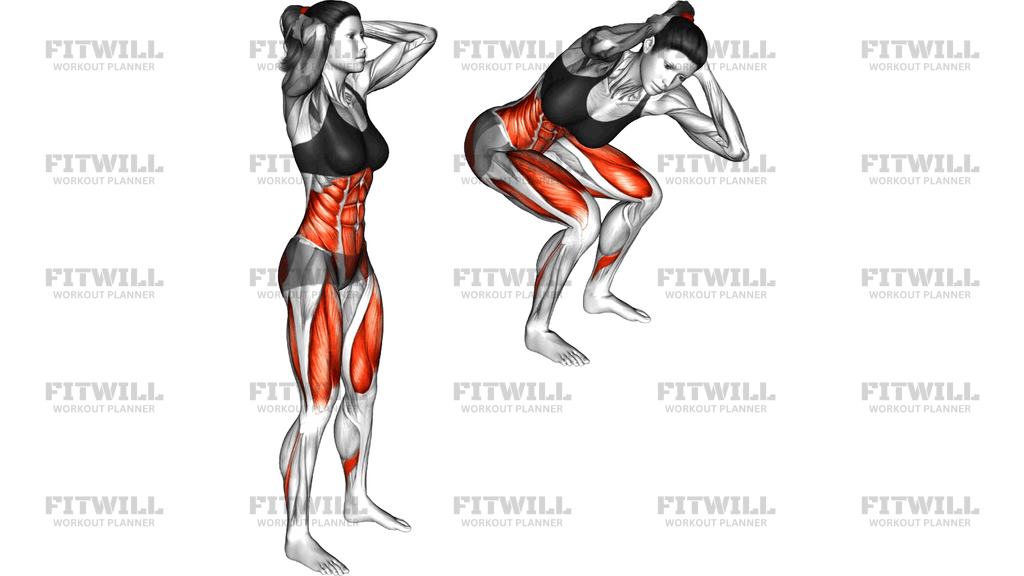
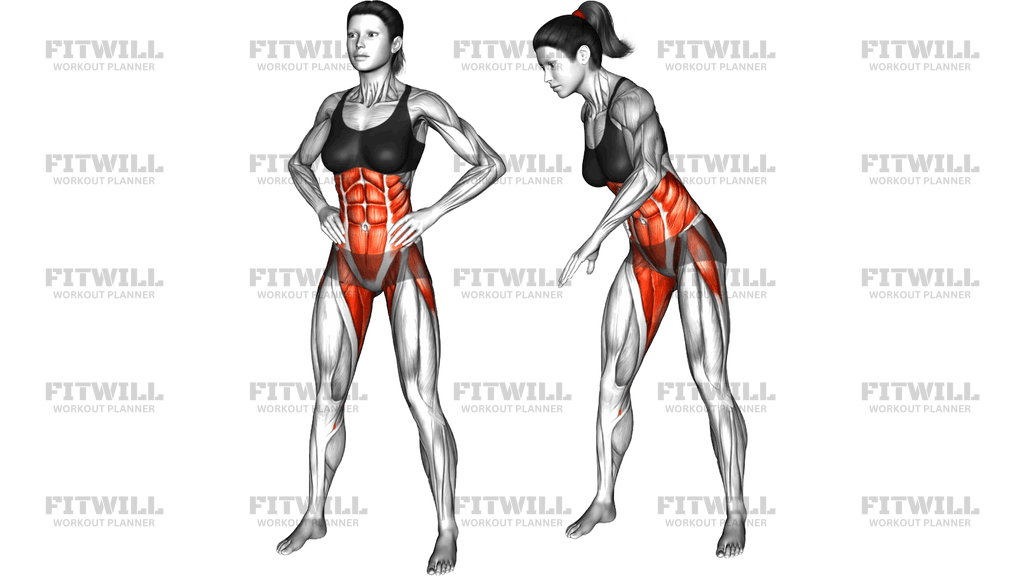
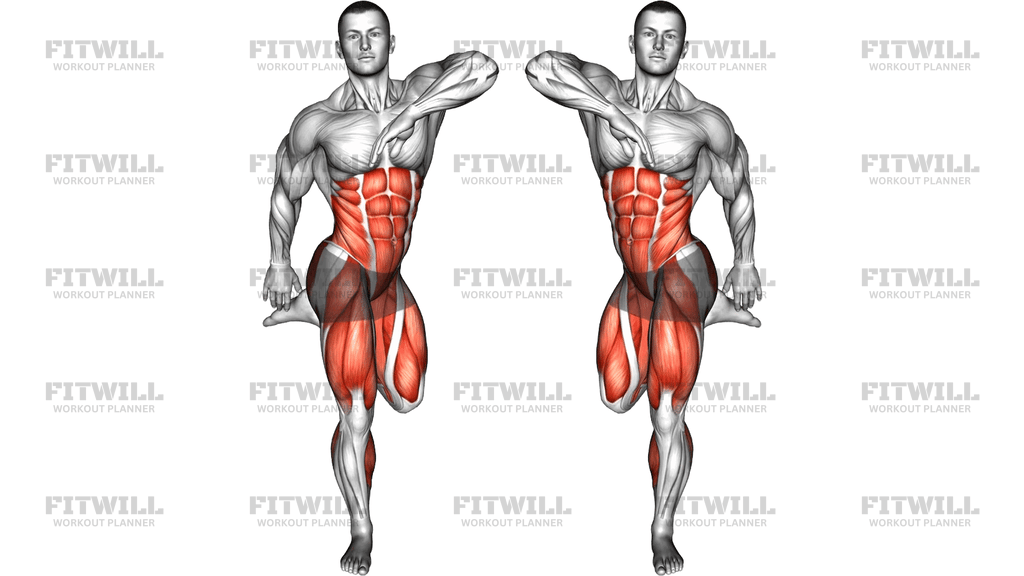
The Twist And Side Crunch is a standing body weight exercise that combines a lateral knee raise with a rotational side crunch. You start tall with your fingertips lightly held behind your head, then lift one knee up and out to the side while rotating and side-bending your torso so the opposite elbow travels toward the raised knee. The two halves of the movement meet in the middle, which is exactly what makes this drill effective for the waist.
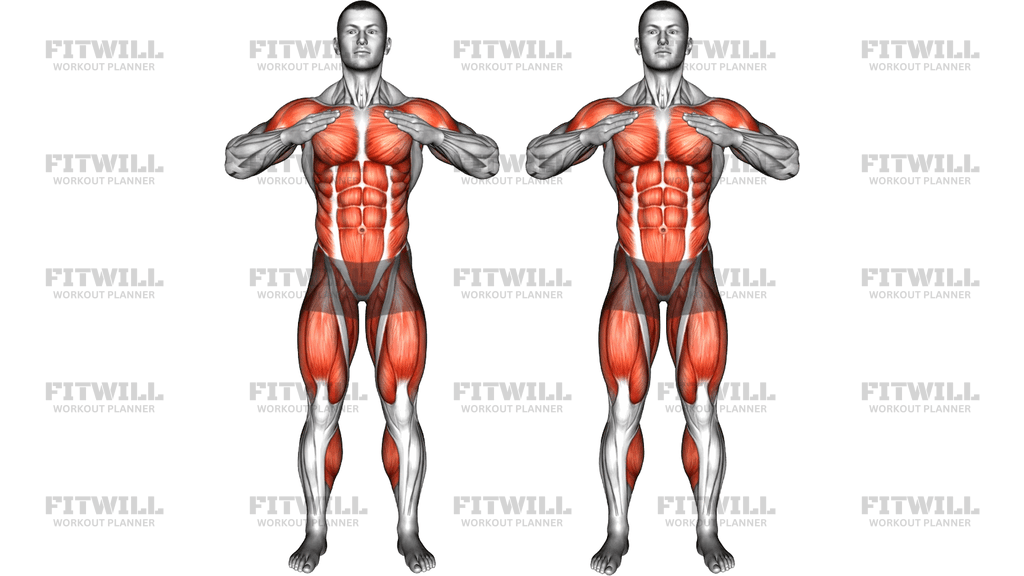
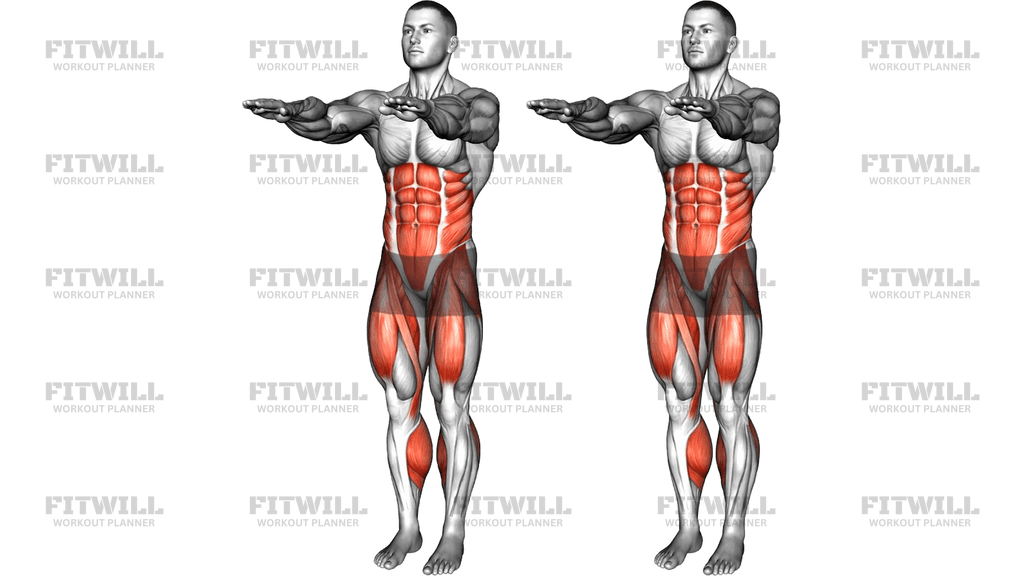
The main work comes from the obliques on the side you crunch toward, supported by the abs and deep core muscles that keep your spine controlled throughout. Lifting the knee to the side also recruits the hip flexors and the outer hip muscles of the standing leg, which have to stabilize you on one foot. Because you balance while you crunch, you get a coordination and stability challenge that floor-based side crunches do not offer.
This movement suits anyone who wants to train the waist without getting down on the floor, and it fits well into warm-ups, circuit training, or core finishers. It is especially useful in group or home settings where no equipment is available, and for people who want their core training to carry over to standing, rotating tasks like carrying bags, swinging a racket, or changing direction in sport.
Setup matters more than it looks. Stand with your feet roughly hip-width apart, soften your knees slightly, and place your fingertips behind your ears or at the sides of your head without pulling on your neck. Brace your midsection as if bracing for a light nudge before you start. A tall, braced torso gives the obliques a stable base to pull from; if you start slouched or loose, the crunch turns into a lean and loses most of its effect.
To execute well, shift your weight onto one leg, drive the opposite knee up and outward, and simultaneously rotate your torso so your opposite elbow and knee converge near your hip line. The motion is a diagonal crunch, not a pure pull of the elbow to the knee, so think about shortening the side of your waist rather than just swinging your arm. Pause briefly at the top, lower the leg under control, and repeat on the same side or alternate sides depending on your program.
The most common errors are pulling on the head with the hands, rushing the reps so momentum does the crunching, and letting the standing knee lock out or the torso collapse forward. Keep the reps deliberate, move the elbow and knee toward each other at the same speed, and stay balanced. If you wobble heavily, widen your stance slightly or hold a wall with one hand until your single-leg control improves.
Fitwill
Log Workouts, Track Progress & Build Strength.
Achieve more with Fitwill: explore over 9600 exercises with images and videos, access built-in and custom workouts, perfect for both gym and home sessions, and see real results.
Start your journey. Download today!




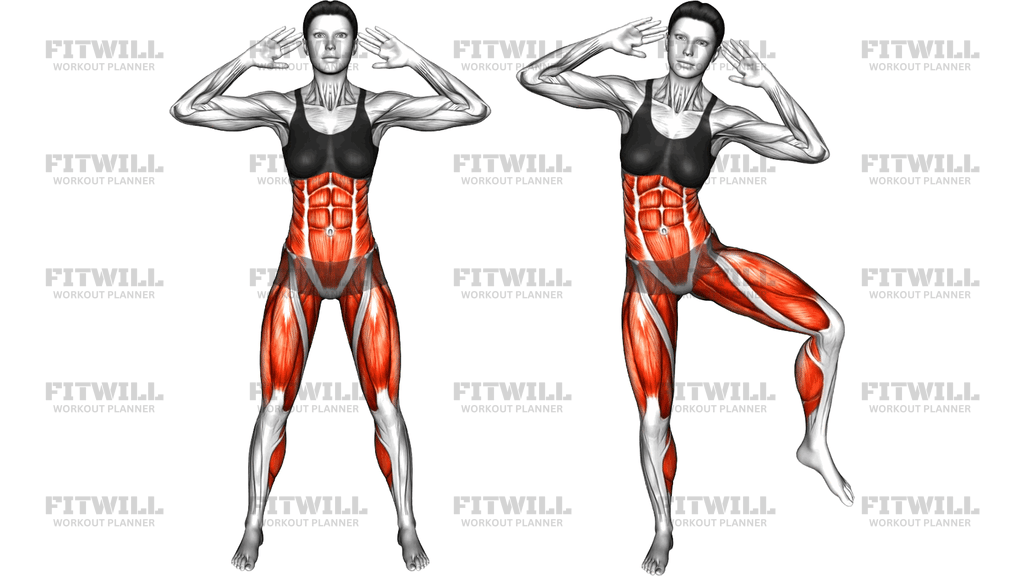
Instructions
- Stand upright with your feet about hip-width apart, knees soft, and your weight evenly balanced across both feet.
- Place your fingertips lightly behind the sides of your head with your elbows flared wide, and avoid pulling on your neck.
- Brace your abdominal muscles and keep your chest tall to set a stable torso before moving.
- Shift your weight onto one leg so the opposite foot can lift cleanly off the floor.
- Drive the free knee up and out to the side while rotating your torso, guiding the opposite elbow down and across toward the raised knee.
- Crunch until the side of your waist feels fully shortened and the elbow and knee are close together near hip height.
- Hold the top position for a beat and squeeze the obliques rather than bouncing.
- Lower the leg slowly back to the floor and untwist the torso until you are standing tall again.
- Exhale as you crunch the elbow and knee together, and inhale as you return to the standing start.
- Complete all reps on one side, or alternate sides rep for rep, then reset your brace and stance between sets.
Tips & Tricks
- A frequent mistake is yanking the head forward with the hands, which strains the neck and steals work from the obliques; keep your fingers as light hooks behind your head and let the torso do the crunching.
- If you find yourself swinging the knee up with momentum, slow the lifting phase to two seconds so the hip flexors and waist actually control the range.
- Balance problems usually come from a locked standing knee; keep a slight bend in the support leg and press the big toe into the floor to steady yourself.
- Think of the movement as a diagonal shortening of the waist, not elbow-to-knee contact; chasing contact makes people round their upper back and lose the side crunch.
- Keep both hips facing roughly forward as you twist; letting the whole pelvis swing around turns the drill into a hip rotation and reduces oblique tension.
- Avoid collapsing your chest toward the knee; the crunch comes from the ribcage rotating and side-bending over a braced torso.
- If balance is the limiting factor, stand next to a wall and rest one fingertip on it for support rather than shortening the range.
- Start with a moderate number of reps per side and only add volume once you can finish every rep without wobbling or pulling on your neck.
Frequently Asked Questions
Which muscles does the Twist And Side Crunch work?
The obliques on the crunching side are the primary movers, with the abs and deep core assisting the rotation. Lifting the knee also involves the hip flexors, while the outer hip and stabilizers of the standing leg keep you balanced.
Is the Twist And Side Crunch suitable for beginners?
Yes, it is a low-load body weight exercise, so beginners can learn it safely. Start with a smaller knee lift and a shorter crunch range, and stand near a wall for balance support until single-leg control improves.
Should my elbow actually touch the knee in the Twist And Side Crunch?
Contact is a bonus, not the goal. Aim to shorten the side of your waist and bring the elbow and knee close together; forcing contact usually makes people round the back and pull on the neck.
Why do I lose my balance on the standing leg?
Single-leg balance is part of the challenge, and it often fails when the support knee is locked or the brace is loose. Keep a soft bend in the standing knee, spread your toes, and slow the reps down.
How is this different from a regular side crunch on the floor?
The standing version adds rotation and single-leg stability, so you train the obliques while also challenging hip control and balance. Floor side crunches isolate the waist more but remove the stability demand.
Can I add weight to the Twist And Side Crunch?
Yes, once your form is consistent you can hold a light medicine ball or dumbbell at your chest, but most people get plenty of stimulus from body weight. Add load only when every rep stays smooth and balanced.
Should I alternate sides or do all reps on one side?
Both work. Alternating keeps you in a rhythm and suits warm-ups and circuits, while completing all reps on one side makes it easier to feel and compare each side of your waist.
How many reps should I do?
Ten to fifteen controlled reps per side is a solid starting point. Prioritize slow, deliberate crunches over high-speed reps, since momentum reduces the oblique work.
Is it safe for my lower back and neck?
When done with a braced torso and light fingertips behind the head, it is generally gentle on the spine. Avoid pulling on your neck, keep the rotation in your ribcage rather than jamming the lower back, and stop if you feel sharp pain.