Dumbbell Split Squat Front Foot Elevanted
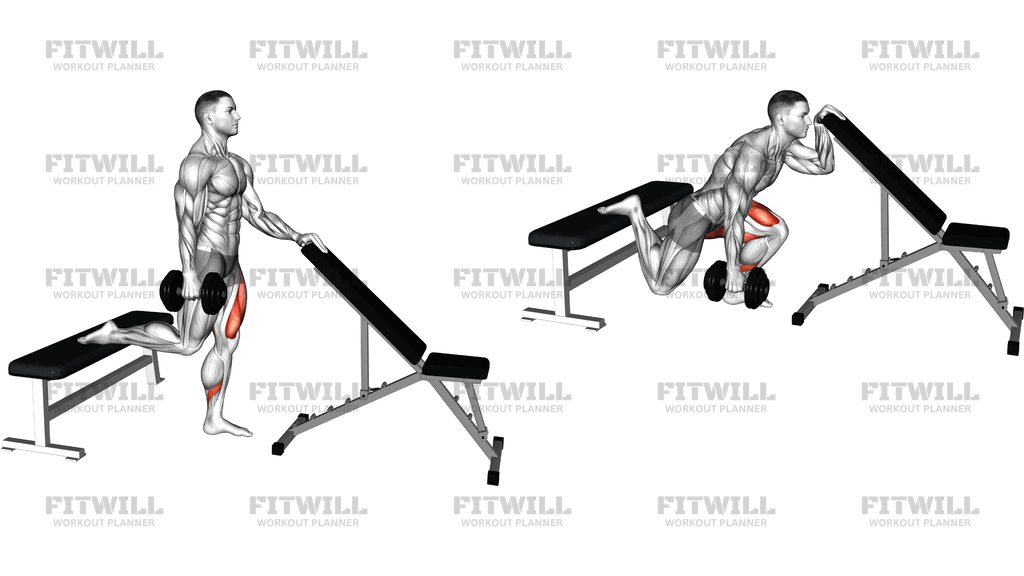
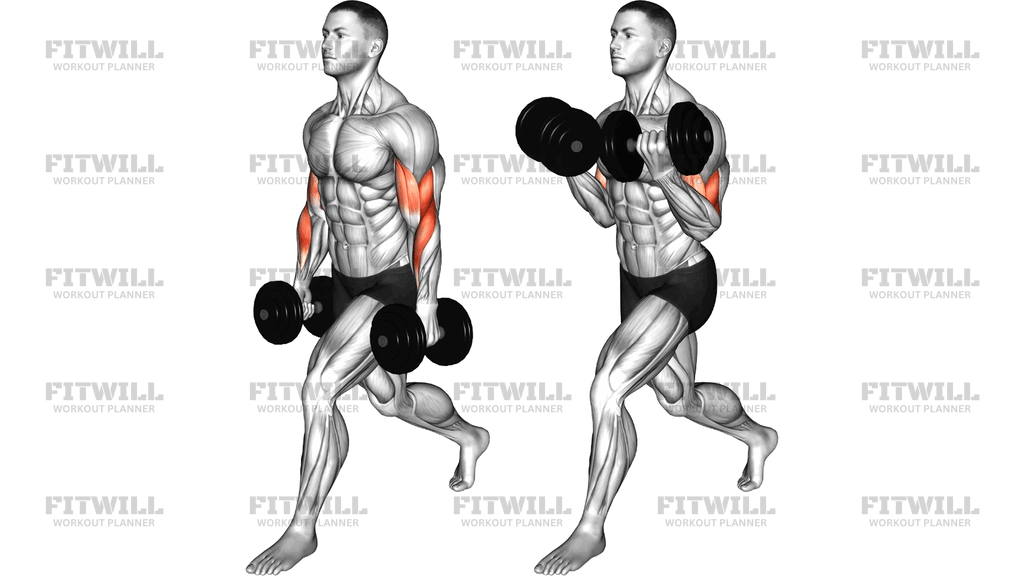
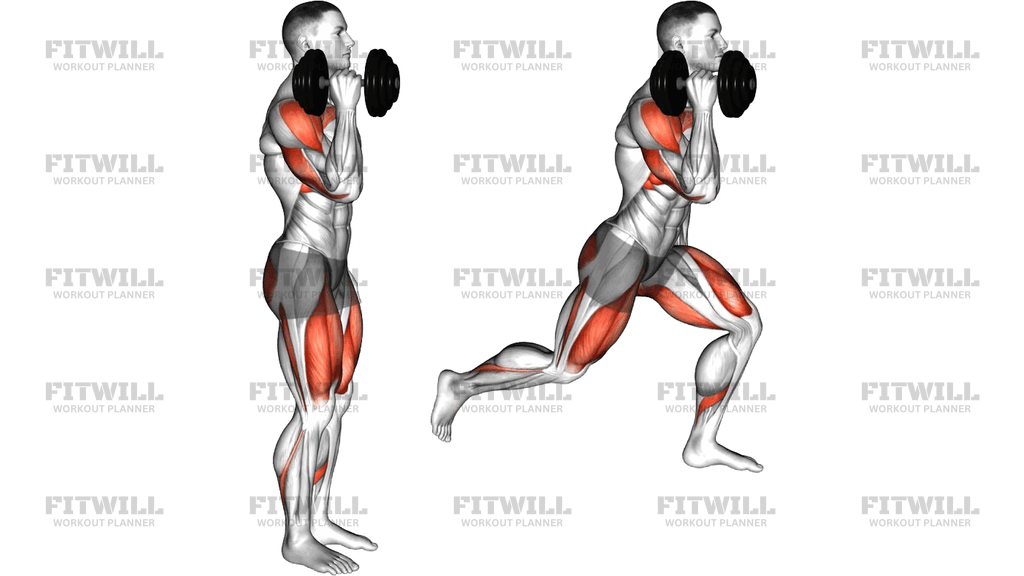
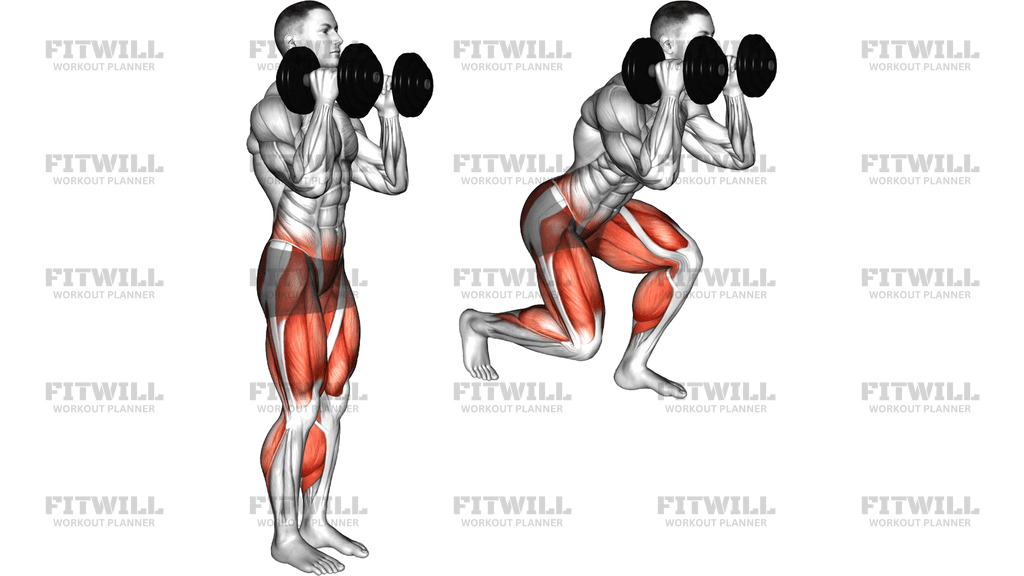
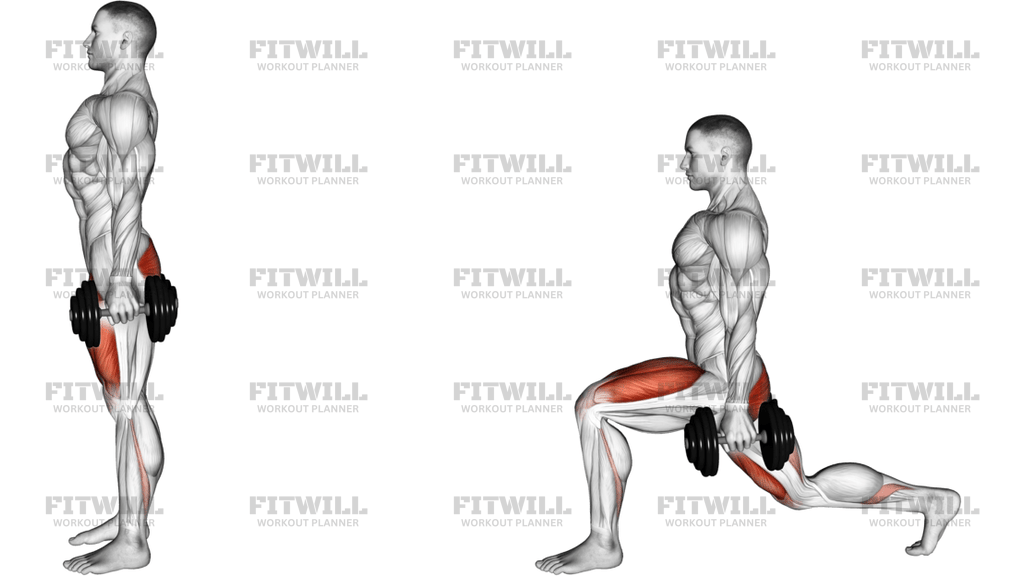
The Dumbbell Split Squat Front Foot Elevated is a single-leg strength exercise performed with your front foot raised on a step platform or low box while you hold a dumbbell in each hand at your sides. Elevating the front foot shifts more of the workload onto the front quadriceps and increases the depth of the knee travel, making it one of the most direct ways to load the quads through a long range of motion without heavy barbell loading.
This movement suits lifters who want serious quad development, athletes rehabilitating toward deeper knee flexion, and anyone whose hips or lower back complain about conventional squatting patterns. Because you stand in a split stance, each leg works independently, which exposes side-to-side strength differences that bilateral squats tend to hide. It is also easier on the spine than back squats, since the load hangs from your arms rather than sitting on your shoulders.
The elevated setup changes the mechanics in an important way. Raising the front foot increases the demand on knee flexion while reducing how far the hips can travel back, so the front thigh absorbs most of the stress. The rear leg mainly provides balance and a small amount of drive, and the dumbbells simply act as vertical resistance pulling you down. Getting the stance width and height right before you load the movement matters more than the weight itself.
To execute it well, drop straight down rather than forward, letting the front knee travel over the toes while your torso stays tall. Lower until the rear knee hovers just above the floor or the front thigh reaches comfortable depth, then push through the whole front foot to stand back up. Keep the dumbbells hanging relaxed at your sides so they do not pull your chest forward.
Most people use this exercise as a secondary lower-body lift after their main squat or hinge work, typically for sets of 6 to 12 reps per leg. Start with a low elevation, around 5 to 10 centimeters, and modest dumbbells until you can control the bottom position without wobbling. If you feel the front knee pinching or your balance breaking down, reduce the weight or the height before reducing the depth.
Fitwill
Log Workouts, Track Progress & Build Strength.
Achieve more with Fitwill: explore over 9600 exercises with images and videos, access built-in and custom workouts, perfect for both gym and home sessions, and see real results.
Start your journey. Download today!




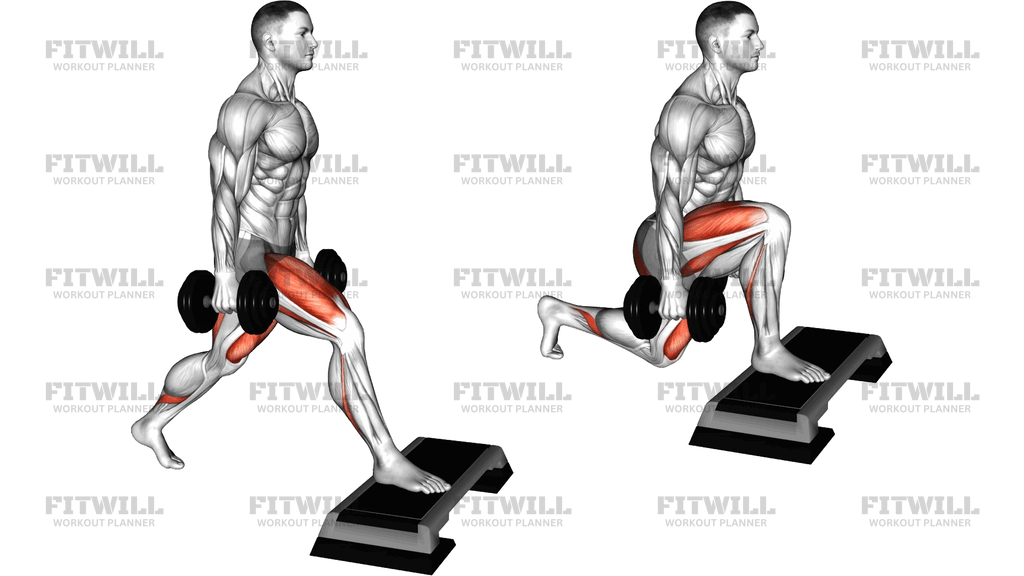
Instructions
- Place a step platform or low box in front of you and position your front foot flat on top of it with your whole foot in contact.
- Step your rear leg back into a split stance, roughly 60 to 90 centimeters apart, with the rear heel lifted and the ball of that foot on the floor.
- Pick up a dumbbell in each hand and let your arms hang straight down at your sides, shoulders relaxed and chest tall.
- Brace your core and set your gaze forward to keep your torso upright throughout the set.
- Bend your front knee and lower your body straight down, letting the knee travel forward over the toes while the rear knee sinks toward the floor.
- Descend until the rear knee is just above the ground or the front thigh reaches a deep, controlled position without the heel lifting.
- Drive through the mid-foot and heel of the front leg to push back up to the starting split stance.
- Exhale as you press up and inhale as you lower into each repetition.
- Complete all reps on one side, then set the dumbbells down, reset your stance, and switch legs.
Tips & Tricks
- If your front heel peels off the platform at the bottom, the elevation is too high for your ankle mobility; drop to a lower step before adding weight.
- A common mistake is letting the torso lean forward toward the front thigh. Squeeze your rear glute and keep your chest stacked over your hips to stay upright.
- Check that your rear knee travels down rather than backward; letting the back leg drift away shifts work off the front quad and turns it into a lunge.
- Keep the dumbbells from swinging by squeezing the handles lightly and letting the arms act asHooks, not movers.
- If your balance breaks down at the bottom, widen your stance slightly side to side, like you are standing on train tracks, rather than narrowing the split.
- Do not bounce out of the stretched position; pause for a beat at the bottom so the front quad controls the load through the full range.
- If the rear kneecap bothers you, place a folded mat or pad under the rear knee's path instead of shortening the depth and losing quad tension.
- Progress by adding depth or elevation first, dumbbell weight second; the long-range quad stretch drives most of the benefit.
Frequently Asked Questions
What muscles does the Dumbbell Split Squat Front Foot Elevated work?
The front quadriceps are the primary movers, since the elevated foot drives the front knee through a deep flexion range. The glutes, hamstrings, and calves of both legs assist and stabilize throughout the rep.
How high should the front foot be elevated?
Start with 5 to 10 centimeters, roughly the height of an aerobic step platform at its lowest setting. Increase the height only when you can keep your whole front foot flat and your balance steady at full depth.
Is this exercise suitable for beginners?
Yes, if you start with light dumbbells or no weight at all and a low elevation. Practice the bodyweight version until you can lower under control without the front heel lifting or the torso pitching forward.
Why elevate the front foot instead of doing a regular split squat?
Elevation increases how far the front knee flexes, which lengthens the quad under load and makes the exercise noticeably harder at the same weight. It is a straightforward way to add quad stimulus without adding dumbbells.
Should the rear knee touch the floor?
It should lower to just above the floor or lightly kiss it, not slam into it. If knee contact is uncomfortable, place a mat under that spot rather than stopping the descent early.
Where should the dumbbells be held during the movement?
Hold one dumbbell in each hand with arms hanging straight down at your sides. Curling them forward or letting them drift shifts your center of gravity and pulls your chest toward the front thigh.
My front knee hurts when I do the Dumbbell Split Squat Front Foot Elevated. What should I change?
Reduce the elevation, use lighter dumbbells, and make sure your knee tracks over your toes rather than caving inward. If discomfort persists, stop and consult a qualified professional before continuing.
Can I substitute this with lunges or Bulgarian split squats?
Walking or reverse lunges train a similar split stance but with less sustained quad tension, while Bulgarian split squats elevate the rear foot and shift more load to the front leg differently. Both are reasonable substitutes, but the front-foot-elevated version is the most quad-focused of the three.
How many sets and reps should I do per leg?
Start with 2 to 3 sets of 6 to 10 reps per leg, always starting with your weaker side. Because the stretched position is demanding, prioritize controlled tempo over adding weight quickly.