Standing Spine Imbalance And Pelvic Imbalance Hold
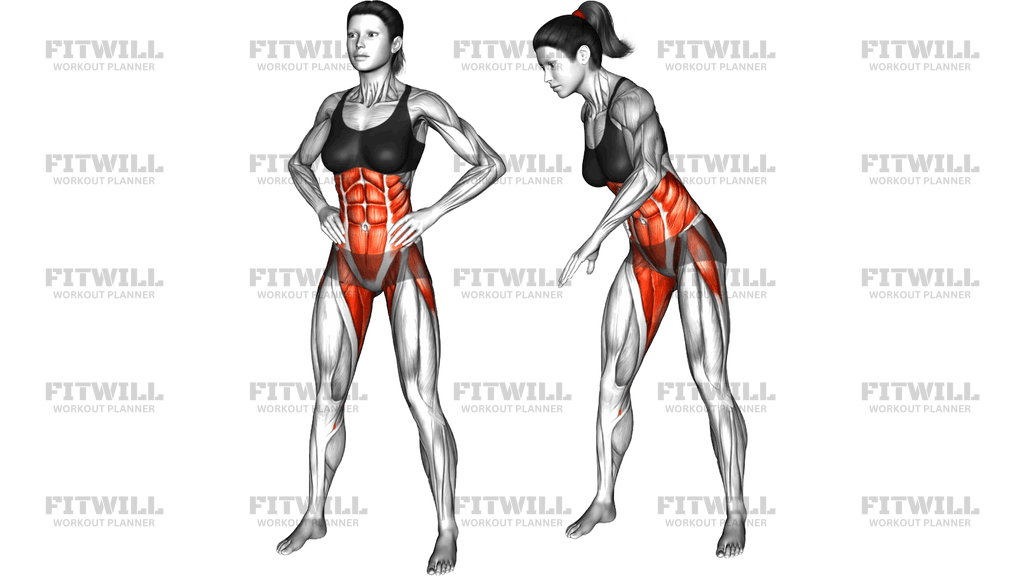
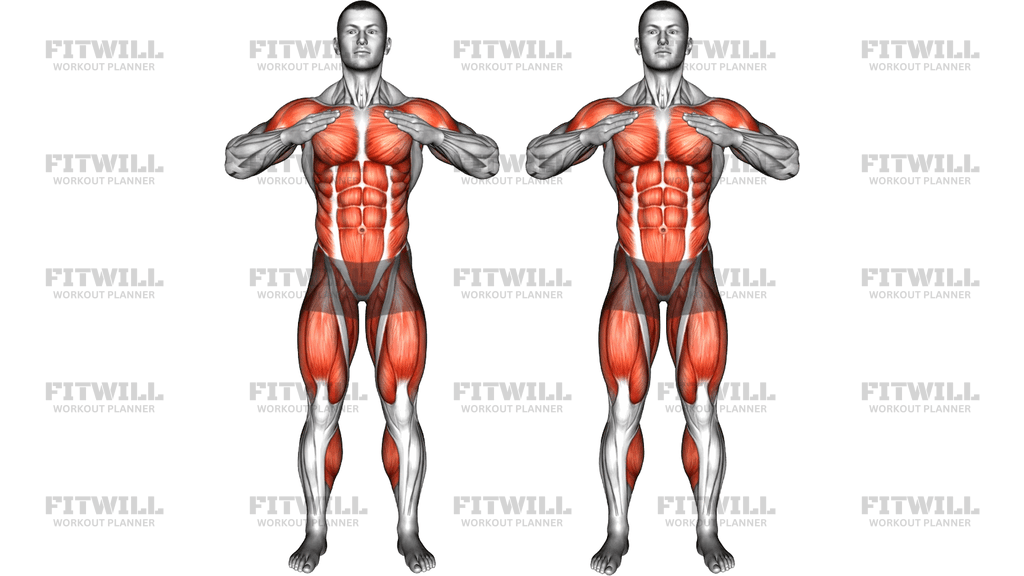
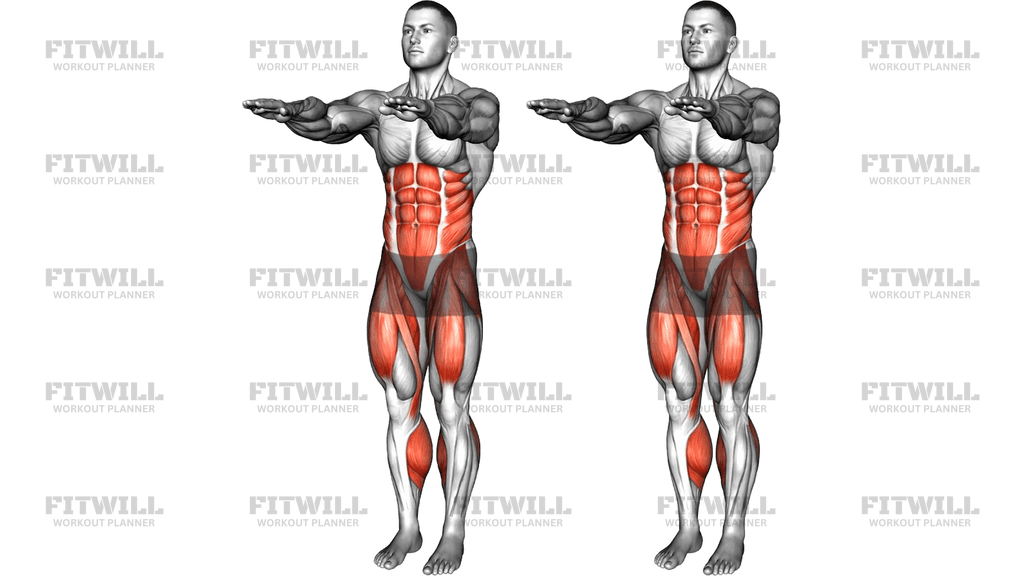
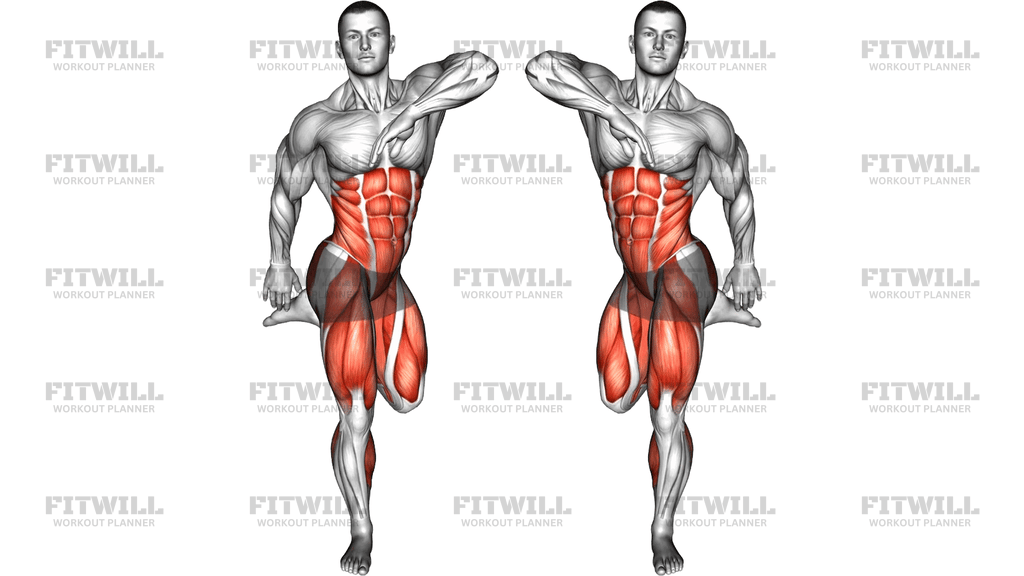
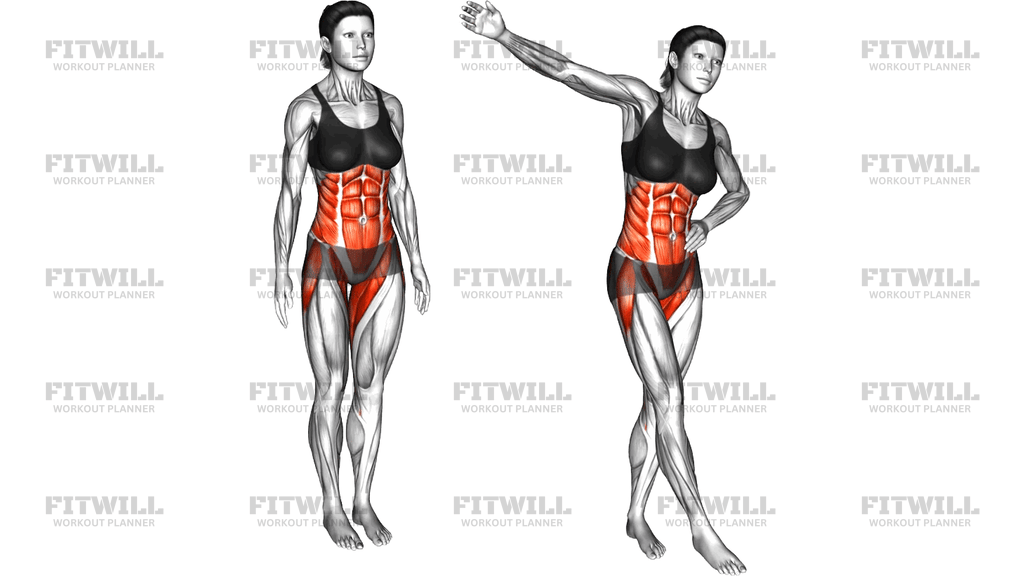
The Standing Spine Imbalance And Pelvic Imbalance Hold is a body weight corrective exercise performed from a normal standing position. You deliberately shift your pelvis so one hip sits higher than the other, then lean your torso sideways against that tilt while one arm reaches up and over your head and the opposite hand braces on your hip. The position is held statically, which forces the obliques, deep core, and hip stabilizers on both sides of your body to work against the imbalance you have created.
This is a useful drill for anyone who suspects a side-to-side difference in how they stand or carry their weight. People who habitually lean on one leg, sit with a hip shifted, or feel one side of their lower back working harder than the other often benefit from a controlled hold like this, because it exposes the asymmetry and then asks the weaker side to resist it. It is also a gentle entry point into lateral core training before progressing to side bends, side planks, or loaded carries.
The exercise trains the obliques and quadratus lumborum as they lengthen on the side you lean away from and contract on the side you lean toward. At the same time, the hip that is dropped has to be actively controlled by the glute medius and the deep stabilizers around the pelvis, so the movement covers both ends of the lateral chain rather than isolating the waist alone.
Setup matters here because the whole point is the contrast between the two sides. Stand tall with feet close together first, find what feels like a level pelvis, and only then create the deliberate shift. If you start from a sloppy base, the hold just reinforces the habits you already have. Keep the feet planted and the knees soft but not bent deeply, so the tilt comes from the pelvis and spine rather than from collapsing at the ankles.
To execute well, shift one hip out to the side and let that side of the waist shorten while the opposite side lengthens. Place the hand on the high hip, sweep the free arm up overhead, and reach it across your body in the direction opposite the hip shift. Hold there, breathing steadily, and focus on keeping the ribcage stacked over the pelvis instead of twisting. Return to a level stance, pause, and repeat on the other side so both directions get equal work.
Keep the hold modest in intensity. A mild stretch along the lengthened side and steady effort in the shortened waist is the target, not a forced end-range pull. If you feel sharp pain in the spine, hip, or knee, ease out of the position and reduce the range of the tilt on your next attempt.
[ Workout Log & Planner ]
Put your next workout in Fitwill
Keep your plan and training log ready when you are.


Instructions
- Stand upright with your feet together or a few inches apart, arms relaxed at your sides, and weight spread evenly across both feet.
- Find a neutral pelvis first: gently squeeze your glutes once and let your ribcage settle directly over your hips so you know what level feels like before creating any tilt.
- Shift one hip out to the side so that hip drops lower than the other, letting that side of the waist compress while the opposite side lengthens.
- Place the hand on the elevated hip to give yourself a reference point, and keep that side's knee soft with the foot fully planted.
- Brace your abdominals lightly, as if preparing for a light push to the side, without holding your breath.
- Sweep the free arm up overhead and reach it across your body, away from the shifted hip, letting your torso lean into a comfortable side bend.
- Hold the position for the desired time, keeping the shoulder reaching long rather than shrugging toward your ear, and keep the hips square to the front.
- Breathe slowly and steadily through the hold, directing air into the side of the ribcage that feels lengthened.
- Controlled return: lower the arm, bring the shifted hip back underneath you, and stand level for a breath before repeating on the other side.
- Match the hold time and lean on both sides so the imbalance work stays even.
Tips & Tricks
- The most common mistake is substituting a trunk twist for a true side bend. Check that both shoulders keep facing forward; if your chest rotates toward the ceiling, reduce the reach.
- Do not let the foot on the shifted-hip side roll onto its outer edge. Keep the big toe joint pressed down so the ankle stays a stable base under the tilt.
- If the reaching arm fatigues before your waist does, lower the arm to shoulder height and reach with the elbow instead. The core challenge stays the same.
- Watch for the knee of the dropped-hip side caving inward. Push that knee slightly out over the toes to keep the hip stabilizers doing their job.
- Start with a smaller hip shift than feels necessary. Most people overshoot the tilt and lose the ribcage-over-pelvis position within a few seconds.
- If you cannot feel the shortened side working, lightly press the hand on the high hip down into the hip bone to switch on that side's obliques.
- Keep the neck long as you reach overhead. Looking straight ahead rather than up at your hand prevents strain in the upper traps.
- If one side feels dramatically tighter or weaker, spend a few extra seconds on that side, but keep the difference small rather than doubling the time.
Frequently Asked Questions
Which muscles does the Standing Spine Imbalance And Pelvic Imbalance Hold work?
The primary work comes from the obliques and quadratus lumborum of the waist, while the glute medius and deep hip stabilizers control the dropped pelvis. The deep core works throughout to keep the ribcage and pelvis connected during the hold.
Is this exercise suitable for beginners?
Yes, it is a low-load body weight hold and a good first step into lateral core training. Beginners should use a smaller hip shift and shorter holds, around 10 to 15 seconds per side, until the position feels stable.
Why does one hand rest on the hip during the Standing Spine Imbalance And Pelvic Imbalance Hold?
The hand on the elevated hip acts as a positional reference so you can feel whether the pelvis stays tilted as intended. It also lets you lightly cue the shortened side of the waist to stay engaged.
How long should I hold each side?
Fifteen to thirty seconds per side is a practical range for most people. Stop the hold when your form drifts, not when the clock says so.
How do I know if my pelvic shift is correct?
One hip should sit visibly lower and that side of your waist should feel compressed, while the opposite side lengthens. If both hips stay level, you are only doing a side bend and missing the pelvic imbalance component.
Can I use this as a warm-up or should it be done as a standalone exercise?
It works well as a warm-up drill before squats, lunges, or any single-leg work because it wakes up the lateral core and hip stabilizers. It can also stand alone as a corrective hold on rest days.
What should I do if leaning sideways causes discomfort in my lower back?
Reduce the reach of the overhead arm and the size of the hip shift so you work in a smaller, more comfortable arc. If discomfort persists, keep the hand on the elevated hip and skip the overhead reach entirely.
What can I substitute for the Standing Spine Imbalance And Pelvic Imbalance Hold?
A standing side bend with both feet level, a side plank, or a single-arm suitcase carry all train the lateral core. The hold is unique in combining the pelvic tilt with the side bend, so pair a substitution with a hip shift drill if you want the same effect.
How often should I include this hold in my routine?
Two to four times per week is reasonable, either as part of a warm-up or as a short corrective block. Consistency with modest holds matters more than long, intense sessions.